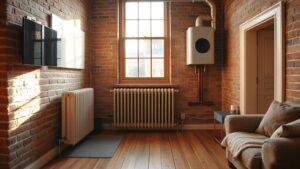
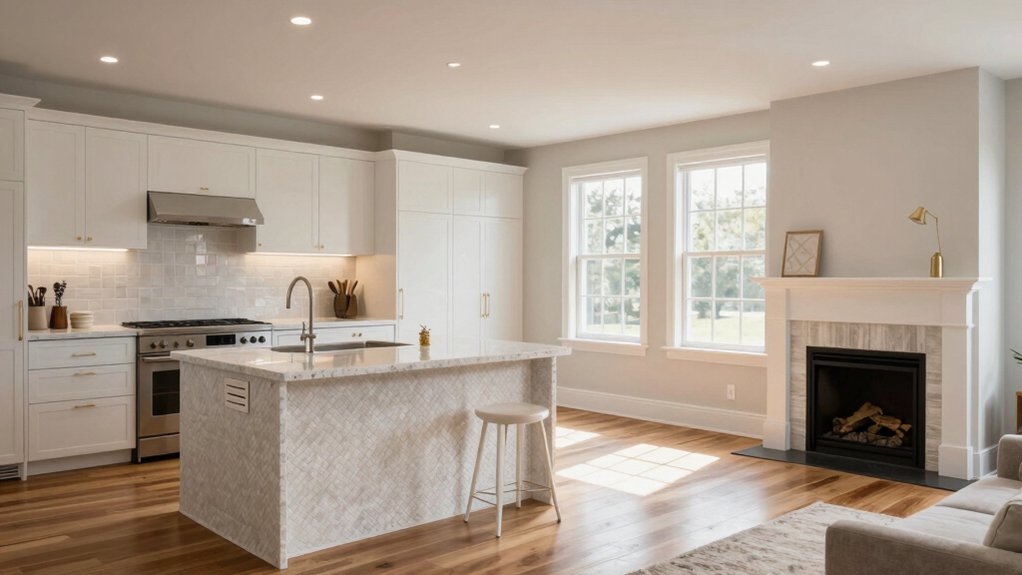
You want to know which renovations boost value the most, so start with the core upgrades: a modern kitchen, a refreshed bathroom, and energy efficiency that cuts bills. These changes often yield the strongest ROI, followed by curb appeal and smart upgrades that appeal to buyers. Keep cost controls in mind, as not all high-end choices pay off equally. Curious how to tailor these to your home’s layout and market? Let’s map the right moves.
Kitchen Remodels That Pay Off
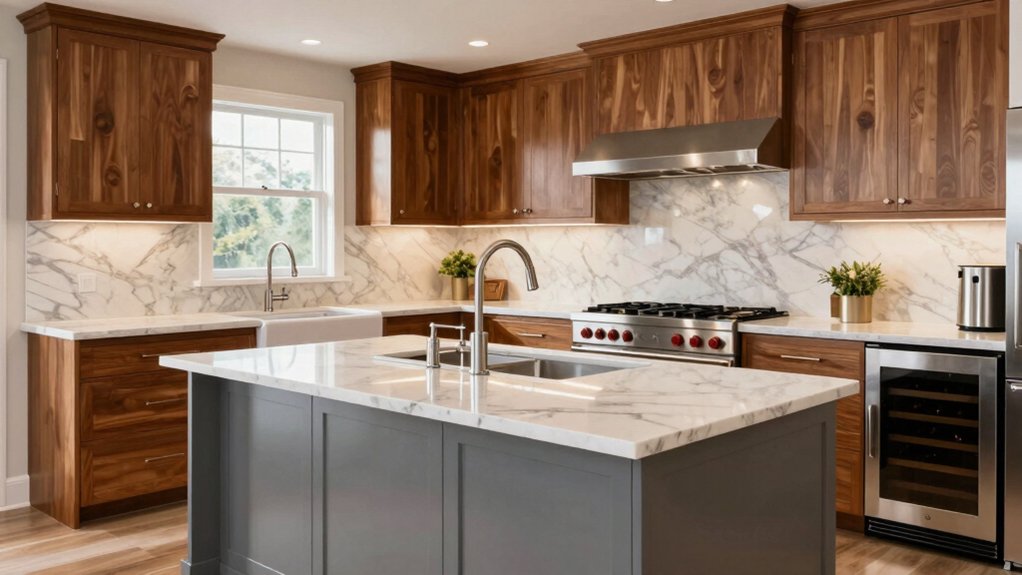
Upgrading your kitchen is often the most cost-effective way to boost home value. When you remodel, focus on high-ROI elements like layout improvements, durable materials, and energy-efficient fixtures.
Data show that replacing outdated cabinets, countertops, and appliances yields strong resale lifts, especially when you optimize storage and traffic flow. You’ll see better value if you avoid overbuilding for the neighborhood and target midrange upgrades with quality finishes.
Include 1–2 timeless features, such as vintage fixtures and decorative accents, to convey character without sacrificing modern performance. Prioritize measurable outcomes: cabinet soft-close systems, LED lighting, and a solid resale cost-to-value ratio.
Keep project scope balanced, budgets transparent, and timelines tight to maximize return on investment.
Bathroom Upgrades With High Return
You’ll see strong value from a high-ROI vanity and smart lux lighting upgrades, which tend to boost perceived value without a huge cost.
Data show these elements often yield higher resale appeal and faster recoupment for bathroom renovations.
Let’s quantify how choosing durable finishes and efficient fixtures drives return while elevating daily comfort.
High-ROI Vanity
A high-ROI bathroom vanity can deliver substantial resale value while keeping costs manageable. You’ll gain maximum impact when you pick efficient vanity design that fits typical bathroom footprints and avoids oversized, outdated styles.
Data shows value hinges on durable materials, soft-close drawers, and integrated organizers, which reduce buyer renovations after move-in. Prioritize vanity design choices that boost storage without crowding the room, such as shallow depth with tall cabinet spaces and adjustable shelves.
You should consider options that minimize plumbing repositioning, since consistent layouts preserve value. For resale, select neutral finishes and timeless hardware to broaden appeal.
Focus on practical bathroom storage solutions, like concealed hampers and medicine-cabinet alternatives, rather than flashy trends. A thoughtful, compact vanity upgrade delivers measurable value without overbuilding.
Lux Lighting Upgrades
Smart lighting choices amplify the value of a bathroom renovation by improving mood, function, and perceived space without a major structural overhaul. Lux lighting upgrades focus on efficiency, longevity, and ambiance to maximize ROI.
You’ll benefit from layered lighting that combines task, ambient, and accent layers, minimizing shadows and enhancing perceived size. Choose LED fixtures for durability and lower energy costs, with color temperatures around 2700–3000K for warm, flattering tones.
Dimmable options let buyers see adjustable scenes, usable at different times of day. Vertical lighting near mirrors reduces facial shadows, improving usability.
Make sure compatibility with existing switches and humidity-rated fixtures to prevent moisture issues. Overall, smart lighting investments elevate perceived quality, reduce operating expenses, and attract value-conscious buyers without costly renovations.
Energy-Efficient Renovations for Value
Investing in energy-efficient renovations can boost home value by reducing operating costs and appealing to buyers who prioritize long-term savings. You’ll see value from high-efficiency HVAC, insulation, and efficient lighting, but the strongest lifts come from tangible upgrades.
Solar panels reduce monthly utility bills and can trim demand charges in many markets, with a payback period often under a decade depending on incentives. Thermal windows minimize heat loss, improving comfort and reducing cooling loads; they frequently correlate with higher appraisal values when paired with proper installation.
Demonstrable energy performance, such as measured improvements or ENERGY STAR ratings, strengthens resale credibility. When evaluating options, compare installation costs, expected energy savings, and local rebate programs to quantify net value.
Prioritize upgrades aligning with your climate and home design.
Curb Appeal Enhancements and Exterior Updates
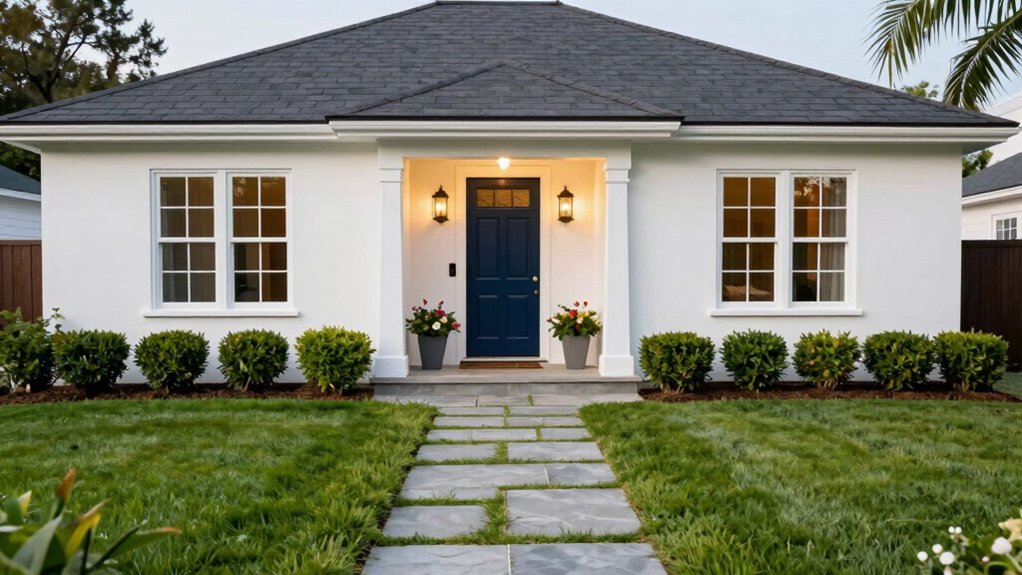
Curb appeal isn’t just about looks—it’s a measurable driver of resale value. You’ll see higher interest and quicker offers when your exterior makes a strong first impression. Data show that well-maintained façades, updated siding, and fresh landscaping correlate with premium pricing and longer listing times compressed.
Focus on durable, low-maintenance materials and clean lines that withstand weather without frequent repairs. Improve the approach with smart lighting, visible security, and clear entry paths to boost perceived value.
Garden landscaping matters: strategic plantings, focal points, and seasonal color enhance curb appeal without breaking the budget. Outdoor living spaces—porches, patios, and seating—extend usable square footage and appeal to buyers seeking lifestyle value.
Align updates with the home’s style for cohesive, enduring appeal.
Open Floor Plans and Space Maximization
Open floor plans boost perceived space and everyday efficiency by improving layout flow, connectivity, and natural light. You’ll see gains in usable square footage when zones are defined with furniture and subtle separators rather than walls, supporting flexible living and faster resale value.
From space optimization ideas like multi-purpose zones to intentional traffic patterns, the data point to stronger value with wisely designed openness.
Open Layouts Efficiency
Curious about how open layouts boost efficiency? You’ll notice flow improvements that simplify daily tasks and reduce wasted motion. In open floor plans, you typically gain sense of space, more natural light, and easier furniture placement, which translates to quicker housekeeping and lower perceived clutter.
Data show that removing unnecessary walls can raise usable square footage without expanding footprint, boosting perceived value and resale appeal. When you maximize zones within a shared space, you optimize task performance—cooking, dining, and living areas align for smoother progressions.
To support this efficiency, you should consider interior paint choices that reflect light and create cohesion, plus landscaping improvements around entry points to extend the open feel outdoors. The result is a cleaner, faster-to-navigate home that reads well in listings.
Flow and Connectivity
Flow and Connectivity: open floor plans and space maximization link everyday tasks, enhance movement through rooms, and boost perceived value. You assess how fewer walls improve sightlines, reduce travel time, and create flexible zones for living, dining, and work.
Data show that connected layouts correlate with faster sale times and higher offers, especially when traffic patterns align with natural light and activities. Prioritize clear sightlines from entry to primary spaces and ensure logical traffic flow to kitchens and baths.
Integrate secure entry points and practical storage to maintain openness without clutter. Consider backyard landscaping that extends the living area and strengthens curb appeal, while reinforcing privacy and safety.
Balance openness with defined zones to support security and functional daily routines.
Space Optimization Ideas
Creating an open floor plan isn’t just about removing walls; it’s about optimizing sightlines, traffic flow, and daylight to boost perceived value. When you maximize space, you reduce wasted square footage and create flexible zones for living, dining, and work.
Use clear sightlines to improve supervision of kids and pets, while shorter traffic paths cut energy costs and improve acoustics.
Implement storage solutions that blend into the architecture, such as built-ins, alcove cabinets, and under-stair organizers, to minimize clutter without shrinking usable area.
Choose multi functional furniture that detaches or folds away, converting seating into workstations or dining surfaces as needed.
Plan zones with subtle cues like rug delineation or lighting, maintaining cohesion while preserving openness.
Small changes compound into measurable appeal and resale potential.
Flooring Upgrades That Increase Equity
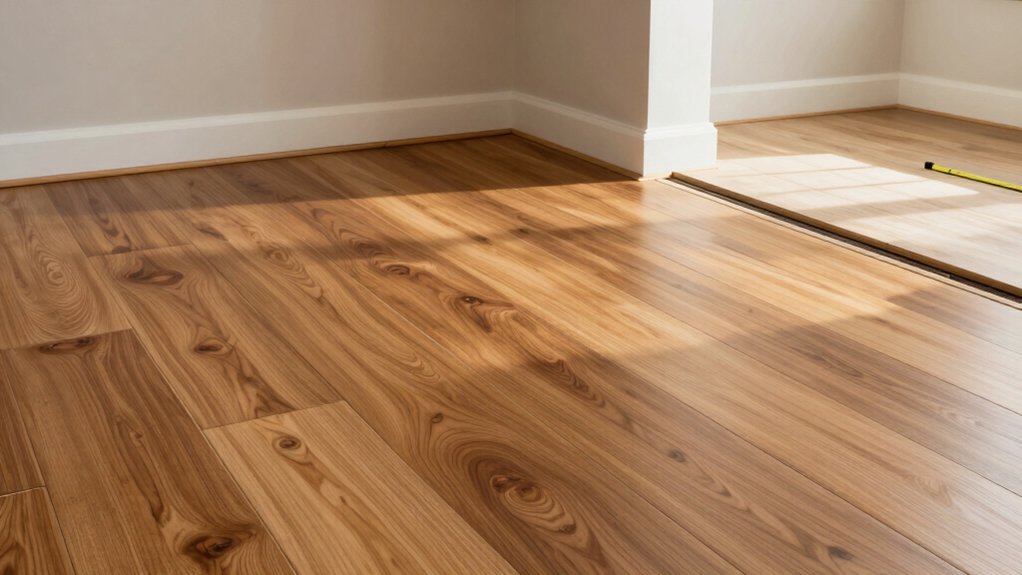
If you’re maximizing equity, start with flooring upgrades that balance durability, style, and resale appeal. You’ll see value when you choose options with proven return and low maintenance.
Hardwood flooring tends to command higher resale premiums in many markets due to longevity, timeless appeal, and easier refinishing.
Laminate flooring offers a lower upfront cost while mimicking wood aesthetics, appealing to budget-conscious buyers without sacrificing visual impact.
In evaluating options, compare cost per square foot installed against expected resale uplift and durability.
Consider wider planks for a modern look and better perception of space, while selecting stain colors that align with popular design trends.
Prioritize moisture resistance in high-traffic or wet areas to minimize future repair needs and preserve equity gains.
Smart Home Features and Modernization
Smart home features can boost both daily convenience and resale value by improving energy efficiency, security, and remote control of household systems. You’ll see value from modernization when smart devices translate into measurable savings and smarter maintenance.
A smart thermostat typically reduces heating and cooling costs by optimizing schedules based on occupancy and weather, often earning back installation costs within a few years.
Home automation ecosystems streamline routine tasks, lowering energy waste and improving safety through integrated sensors and alerts.
Buyers increasingly expect these capabilities, so quality installation matters as much as device choice.
Prioritize interoperable, widely supported equipment and clear, user-friendly interfaces.
In upgrades like these, quantify potential ROI with projected energy savings and market demand to justify the investment.
Frequently Asked Questions
How Long Does It Take to Recoup Costs on Remodels?
Cost recovery varies, but you can expect a typical timeline of 5–15 years for many major remodels, with shorter spans for high-demand upgrades; use precise cost recovery and timeline estimates to plan confidently and track progress over time.
Which Project Adds Value for First-Time Homebuyers?
First-time buyers, you’ll gain most value from kitchen upgrades and bathroom renovations, honestly: invest smartly, not extravagantly. Satire aside, data shows these upgrades speed recoupment, boost appeal, and help you secure financing sooner.
Do Local Market Trends Affect ROI Estimates?
Yes, market fluctuation and regional preferences affect ROI estimates. You’ll see ROI vary with local demand, pricing cycles, and buyer tastes, so you should adjust expectations, compare regions, and track trends to refine timing and budgets.
Are Certain Finishes More Durable Than Others Long-Term?
Sure—you’ll see that some finishes outlast others. Durability comparisons show solid surfaces win; finish longevity favors high-quality materials. You’ll want data-backed choices, lighter maintenance, and proper installation to maximize long-term performance and value.
How Do Insurance and Permits Impact Project Value?
Insurance impact and permit influence shape project value: you’ll see higher costs upfront, but stronger resale appeal and lower risk. You quantify benefits by fewer claims and smoother approvals, boosting appraised value and market competitiveness.
Conclusion
If you’re chasing value, this blueprint helps you invest wisely. Kitchens, baths, and energy upgrades deliver solid returns, like sturdy pillars in a growing house of equity. Boost curb appeal to reel buyers in, and add open, flexible layouts to unseen square footage. Flooring, smart tech, and efficient systems round out the package without overpaying. Stay data-driven: track ROI, choose durable finishes, and prioritize upgrades that cut costs and boost daily living. Your remodel, well-placed, pays back.