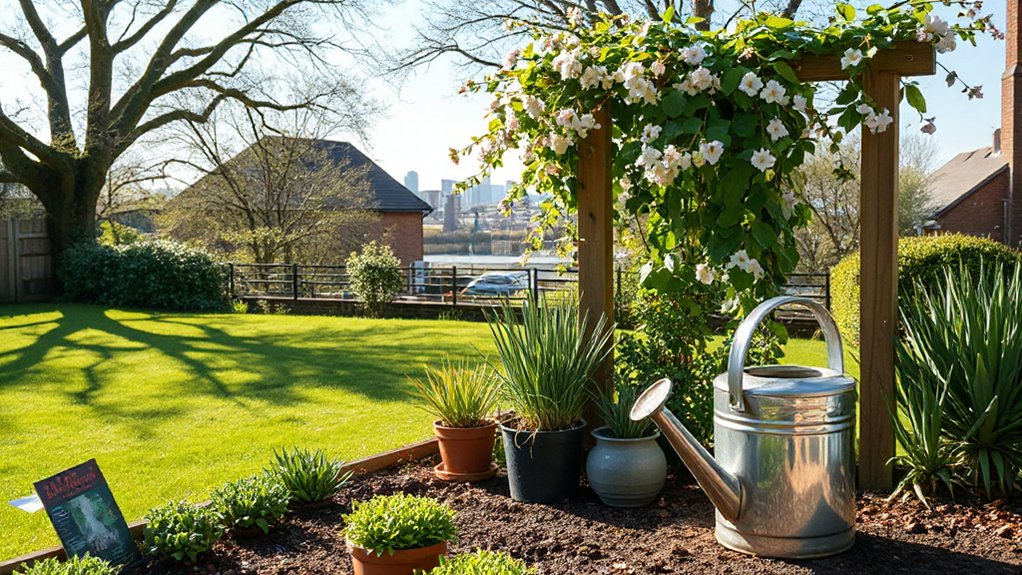
As you refresh your garden for spring in Leeds or Birmingham, you’ll test soil, swap in compost, and prune away the deadwood to let fresh growth breathe. You’ll plan a practical watering routine, weed out tired borders, and mulch for moisture and color. It’s a careful balance of damp-climate tweaks and hardy plant choices that keeps things thriving, but the real payoff hides in the next steps you haven’t considered yet. Curious about what comes next?
Set Spring Goals for Leeds and Birmingham Gardens

As spring approaches, set clear goals for your Leeds and Birmingham gardens to guide what you refresh and plant first. You’ll map your priorities by sun exposure, soil, and space so every choice supports growth. Start with a concise list: bloom desire, edible crops, and low-maintenance touches.
Embrace Spring garden planning to balance color with structure, noting which beds need edging, mulching, or leaf removal. Consider Leeds planting zones to tailor temperature tolerance and frost timing, ensuring cultivars survive into early summer.
Define a timeline: early measures, mid-season planting, and late-refresh tasks. Identify water needs and drought resilience, then select companions that maximize soil health.
With clear goals, you’ll act confidently, refresh efficiently, and enjoy a vibrant, well-organized spring progression.
Assess Damp Borders and Rejuvenate Tired Beds
You’ll check damp borders for signs of lasting moisture and plant stress, then open up tired beds to see what’s really going on.
Refresh the planting areas with a practical mix of materials, and tailor your approach to what the soil and drainage reveal.
Inspect Damp Borders
Damp borders can quietly sabotage a spring refresh, so start by inspecting where soil stays wet and the beds meet the border. You’ll look for persistent damp patches, staining, or algae along the seam, then check whether the gravel or soil slopes away from the beds.
If water lingers, that’s a sign moisture retention is at play, not just poor drainage. Test with a simple finger probe; if the soil stays sticky, you’ve found trouble spots.
Consider edge repairs, widening the border, or regrading so surface water runs off. Gaps near the border invite ivy and damp-loving grasses that compete with nearby plants.
Once you map the damp, align amendments and plant spacing to encourage quick drainage and healthier edges.
Refresh Planting Beds
Now that you’ve spotted damp borders, assess how that moisture touches your planting beds and choose rejuvenation steps that restore life there. Start by lifting tired mulch and dodging compacted patches; you want air, water, and roots to move freely.
Evaluate edges for erosion and fill any gaps with light, well-drained compost blend, keeping beds shallow to prevent sinking soil. Introduce drought-tolerant choices alongside moisture-loving companions to balance pockets of wet and dry soil.
Consider container gardening for quick wins and flexible design, easing crowding in cramped plots. For high-impact color and structure, try vertical planting on trellises or lattices, using climbers or stacked planters.
Keep paths clear, edges neat, and irrigation drip-lines steady to sustain renewed energy all season.
Improve Soil Health
When you’re evaluating damp borders, take note of where moisture lingers and how it affects soil structure, roots, and nearby plants. You’ll likely see compaction, slime, or patches of waterlogged soil that slow drainage.
Begin by testing texture and drainage: dig a small pit, feel the crumb and moisture, observe if water pools after rain. This guides your next steps for rejuvenating tired beds.
Improve soil health with soil testing to determine pH and nutrient gaps, then adjust with targeted amendments. Incorporate compost enrichment to boost microbial life, improve structure, and hold moisture more evenly.
Layer organic matter, mulch to conserve moisture, and loosen heavy soil gently without destroying roots. Regular feeding and aeration keep roots happy, boosting vigor for a brighter spring display.
Prune Fruit Trees and Shrubs for a Healthy Season
Pruning isn’t just about shape—it’s about health. You’ll start by removing dead or crossing wood, then look for vigorous growth that invites air and light to reach the center.
In Leeds and Birmingham, late winter to early spring is prime for fruit tree care, before buds swell. Use clean cuts at a slight angle just above a bud facing outward, guiding the crown to an open structure.
Focus on strengthening scaffolds and reducing twiggy, inward-growing routes that invite disease. Preserve the fruity framework while thinning tends to boost yields and fruit quality.
Remember pruning techniques should be moderate and deliberate, not drastic. You’ll notice faster recovery, easier spray coverage, and a healthier season ahead for your trees and shrubs.
Refresh Soil and Mulch for Quick Color
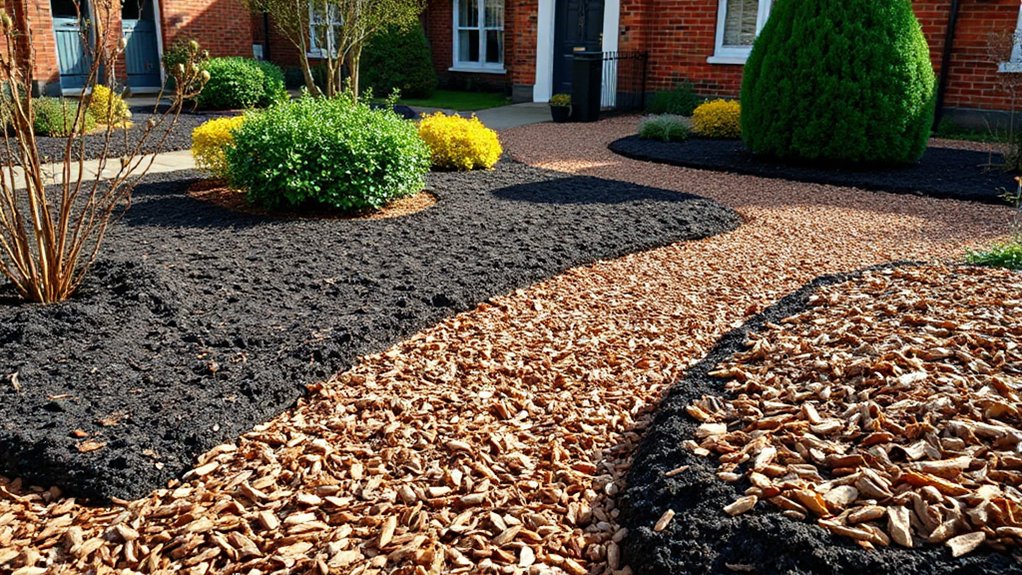
You refresh your soil by testing and amending it, so roots can drink up nutrients right away. Mulch adds instant color while locking in moisture and suppressing weeds, making your bed look lively fast.
Let’s keep it practical: ask what nutrients your plants crave and choose amendments and mulch that deliver them without overdoing it.
Refresh Soil Health
How can you give your garden a quick, vibrant reset? You refresh soil health by listening to what it needs rather than guessing. Begin with a gentle soil test or simple DIY indicators to gauge texture, pH, and nutrient gaps.
Based on results, tailor amendments so you don’t waste effort. Soil testing reveals exact deficiencies, guiding precise adjustments. If your bed dislikes compacted clay, loosen the top layer and improve drainage with organic matter.
When you add compost, you feed microbes that disclose stubborn nutrients and improve structure. Apply compost gently, avoiding soggy spots, and let it mingle with existing soil life.
Track changes over weeks, then recheck. A healthier soil foundation supports vigorous plants, stronger roots, and resilient spring growth.
Mulch for Quick Color
Mulch offers an instant makeover for beds, locking in moisture, shading roots, and giving your garden a pop of color fast. You’ll notice quicker color bursts when you choose mulches that suit Leeds or Birmingham’s seasonal rhythm.
For color enhancement, pick dyed mulch or naturally pigmented options like bark nuggets and shredded hardwoods. Spread a uniform 2-3 inch layer, keeping mulch a touch away from stems to prevent rot.
This simple mulch installation traps soil warmth, suppresses weeds, and reduces evaporation, letting perennials bounce back sooner. Replenish as chips thin or wash away after heavy rains.
Pair with bright annuals or early bloomers to maximize contrast, and you’ll enjoy richer tones without extra effort. Your refreshed bed looks lively, cohesive, and ready for spring excitement.
Choose Onions and Perennials for a Damp UK Climate
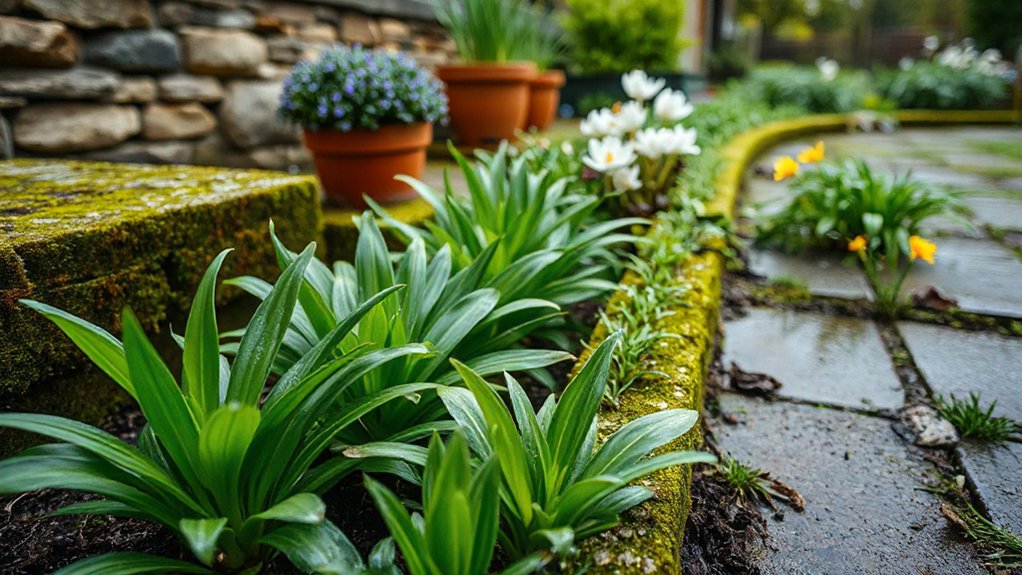
Choosing onions and perennials for a damp UK climate means selecting varieties that tolerate soggy winters and stay vigorous with steady moisture. You’ll want onion varieties that resist rot and store well, while still offering robust flavor and reliable harvests. Look for long-day tendencies if you’re in Leeds or Birmingham, and favor well-drained beds with raised edges to reduce waterlogging.
Perennial choices should tolerate shade pockets and brief flood events, so select cultivars noted for hardiness and disease resistance. Pair tucked-in onions with evergreen or semi-evergreen perennials that stabilize soil texture and provide early-season structure.
Keep roots cool and evenly moist during establishment, and rotate with legumes to improve fertility. With thoughtful selection, your plot stays vibrant through damp spells.
Plan a Practical Watering and Drainage Routine
Now that you’ve picked onion and perennial companions that stand up to damp UK soils, it’s time to map a practical watering and drainage routine. Start by observing rainfall patterns and soil moisture weekly, noting dry spells and wet periods.
Set a simple schedule: deep, infrequent watering to encourage root depth, plus quick top-ups after heavy rain. Mulch helps retain moisture and suppress weeds, reducing irrigation needs.
Integrate rainwater harvesting to lower dependence on mains water; collect from gutters into a barrel, then use for beds and containers during dry spells.
Check drainage systems—ensure outlets stay clear and gradient directs water away from foundations. Elevate beds slightly with a gentle slope for even drainage.
Finally, adjust based on plant growth and seasonal shifts.
Month-by-Month Weekend Maintenance Plan
Month-by-month weekend maintenance begins with a simple habit: scan the garden each Saturday or Sunday to catch small issues before they escalate. You’ll note loose screws, wobbly furniture, and fingernail-sized gaps in mulch that invite weeds. Create a quick check list: water needs, edging, and soil health.
In spring, rotate tasks so you don’t miss seasonal shifts; for example, prune lightly, clean planter edges, and sharpen tools. Keep Garden furniture in good repair and store cushions dry when showers arrive.
Inspect outdoor lighting for flickers or dim spots, replacing bulbs or adjusting positions to illuminate pathways. Schedule a monthly deep-dive to refresh pots, test irrigation, and tidy borders.
Consistency buys time, saving more substantial fixes later.
Tackle Pests and Diseases in Damp Climates
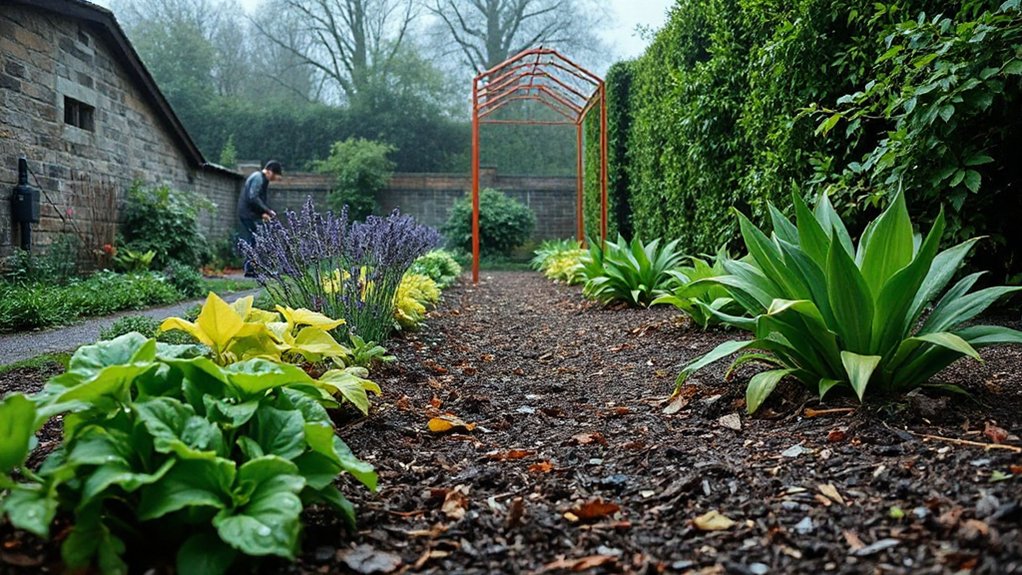
In damp climates, pests and diseases move in fast, so start by scouting softly—look for slimy leaves, powdery mildew, and chewed edges before they set in. You’ll act fast, spotting early signs that prevent bigger troubles.
Focus on Fungal infestations first: remove affected foliage, improve air circulation, and water at soil level to keep leaves dry. Clean tools between patches to halt spread.
For Insect management, inspect undersides of leaves and stems, knocking off or hand-picking visible pests, then use targeted, minimal-impact treatments.
Encourage resilience with mulch to deter moisture-loving invaders and companion planting to distract pests. Maintain a tidy bed edge and prune crowded growth to reduce damp pockets.
Regular checks become your first line of defense, shaping a healthier, pest-light spring.
Budget-Friendly Plant Pairings for Leeds and Birmingham
After tackling damp-climate pests, you’re ready to pair up plants that stretch your budget while thriving in Leeds and Birmingham’s mild, sometimes fickle spring.
Budget-friendly plant pairings lean on companion planting to boost growth and deter pests without extra sprays. Mix sturdy, low-cost crops like lettuce, spinach, and radishes with fragrant herbs such as marjoram or chives to mask pests and improve flavor.
In container gardening, use compact varieties: dwarf tomatoes, cabbages, and pepper plants thrive on a sunny balcony or doorstep, saving space and soil.
Rotate partners each season, so soil stays fertile and disease-free.
Aim for layered textures—foliage, flowers, and edibles—to extend interest.
With smart pairings, you get resilience, color, and yielding beds without breaking the bank.
Frequently Asked Questions
How Early in Spring Can I Start Garden Tasks in Leeds and Birmingham?
You can start tasks as soon as soil thaws and risk of frost fades—usually late February to March in Leeds and Birmingham. Check soil testing results and frost dates for precise timing, then seed, prune, and prep with confidence.
What Climate-Specific Plants Thrive in Damp UK Borders?
In damp borders, you’ll favor moisture-loving plants like astilbes, ferns, and hostas, thriving with damp soil drainage. You’ll observe them flourish where you keep consistent moisture, mulch generously, and monitor drainage to prevent waterlogged roots.
How Can I Reduce Moisture Without Harming Plant Roots?
You can reduce moisture without harming roots by improving drainage solutions and practicing moisture control. Elevate beds, add organic mulch, amenders, and coarse grit, install permeable edging, and guarantee smart irrigation, letting soils dry slightly between deep, slow-waterings.
Which Budget-Friendly Pairings Boost Spring Color in Damp Soils?
You’ll pair Colorful bulbs with Hardy perennials to boost spring color in damp soils. Plant crocuses or daffodils beneath moisture-tolerant perennials, keep beds mulched, water moderately, and enjoy hardy, vibrant color that thrives through wet starts and cool days.
What Quick-Diagnosis Tips Identify Common Damp-Climate Pests?
Like a detective flashlighting the night, you quick-diagnose damp-climate pests by examining leaf undersides, spotting honeydew, and noting sluggish growth. Pest identification guides steady your steps; Damp climate pests reveal themselves through patterns you can recognize and address.
Conclusion
You can revive your garden this spring—no mystery, just steady steps: test soil, amend with compost, prune smartly, mulch for moisture, and pick plants that love a damp UK climate. If you worry it’s too much work, start small: a refreshed bed, tidy edges, a fresh mulch layer. Soon you’ll see color and life return, with less effort over time as edges settle and roots settle in. Your Leeds or Birmingham plot will thank you.