
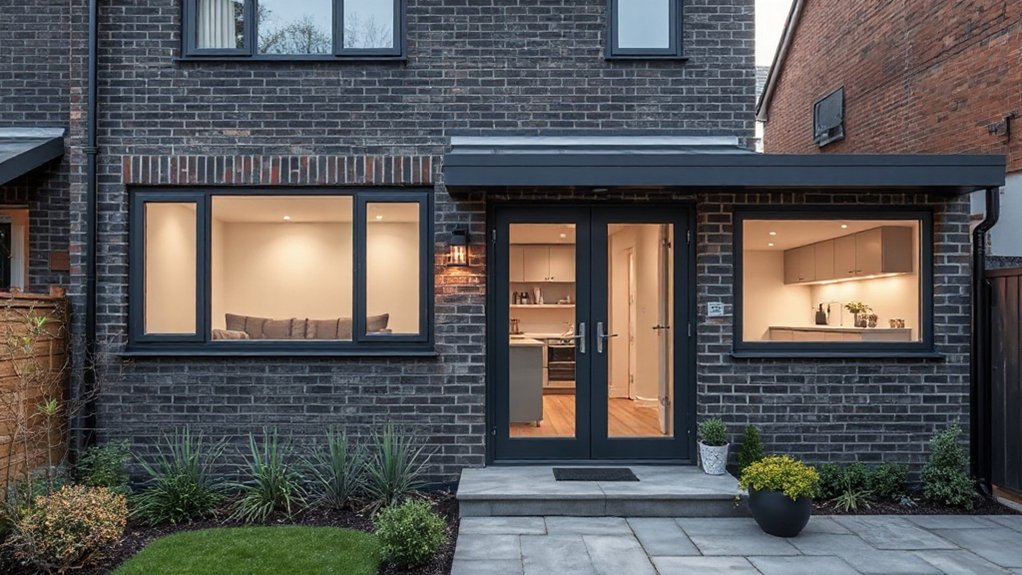
A smart approach starts with a clear plan: assess your 1930s layout, then define essential goals and a realistic budget. Prioritize preserving period details while creating practical, open spaces that suit today’s use. Use cost‑effective insulation and draft proofing, plus period‑friendly finishes and smart tech to cut ongoing costs. Improve lighting, warmth, and acoustics with simple tweaks, and boost curb appeal with restrained, era‑appropriate styling. If you keep exploring, you’ll uncover how to refine these steps further.
Assess Your 1930s Layout for Modern Living
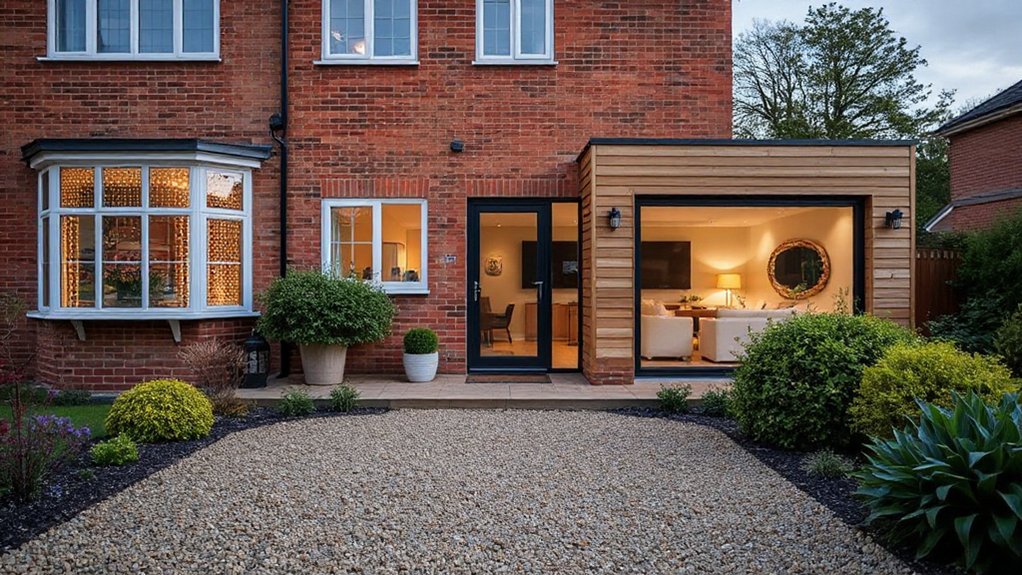
Assess your 1930s layout with a critical eye to how you use space today. You’ll map rooms by function, flow, and daylight, noting where walls constrain furniture and routine.
Consider the rhythm of doorways, the size of halls, and the kitchen’s access to dining areas. Prioritize historical accuracy in preserved features, like preserves of period detailing, while identifying opportunities to restore structural integrity without compromising character.
Evaluate whether low ceilings, chimney stacks, or load-bearing walls impede modern living, and plan respectful reinforcements. You’ll gauge if the footprint supports flexible use and future-proofing, ensuring safe services and efficient layouts.
This careful assessment builds belonging, balancing heritage with convenience and durable performance.
Define Renovation Goals and Budget
Defining renovation goals and budget starts with a clear, reality-grounded brief: what must change to make the home function today, while honoring its 1930s character? You’ll map priorities against practical constraints, so every decision feels purposeful.
Define core improvements first, then distinguish wish-list items from essentials, reducing scope creep. Set a realistic budget with contingencies, aligning costs to achievable outcomes and your long-term value.
Tie goals to daily living—storage, lighting, flow—without erasing period charm. Ground choices in Historical preservation as a guiding principle, ensuring key detailing remains intact while updates support modern use.
Consider Interior styling early to inform materials, fixtures, and finish levels, keeping cohesion across rooms. Document milestones, assign owners, and revisit the plan as realities shift.
This clarity builds belonging through confident, respectful change.
Plan an Open Plan That Keeps 1930s Character
You can create an open plan that flows from room to room while preserving key 1930s cues, such as proportion, materials, and detailing.
Consider how you might use an unobtrusive structural layout, restrained joinery, and period-inspired finishes to guide movement without erasing the era’s character.
Start by mapping core spaces and identifying where an open plan improves function while retaining authentic 1930s personality.
Open Plan Flow
Could you fuse today’s open-plan mindset with 1930s charm? You plan flow that respects proportions, sightlines, and the rhythm of your home. Start by zoned but connected spaces: a kitchen that opens to living areas without sacrificing intimate corners.
Choose furniture layouts that encourage conversation yet preserve quiet nooks for reflection. Prioritise formal alignments—doors, cornices, architraves—that hint at era without heavy reproduction.
Use shifts in ceiling height or gentle beams to delineate zones, not walls. Guarantee historical accuracy in detailing and material durability in the materials you choose, so the flow feels lasting, not transient.
Consider light strategy—texture, warmth, and daylight—to bind spaces. Your open plan becomes a calm corridor of belonging, not a storm of disruption.
1930s Character Cues
Modernising with 1930s character means you curate cues that speak to the era while supporting a modern plan. You design an open layout that preserves the house’s spirit by selective framing, not replication, so spaces breathe with provenance.
Use period-evoking cues—soft archways, paneled doors, and skirting lines—that anchor the flow without feeling fussy. Let natural light reveal original textures from retained features, while contemporary finishes read as respectful nods.
Prioritise functional zoning: a clear living zone connected to a kitchen-dining hub, yet defined by subtle passages. Historical preservation isn’t nostalgia; it’s intention.
Source materials thoughtfully, favoring locally-sourced timber and period-inspired tiles. Material sourcing guides tone and tact, ensuring authentic touches align with modern usability, accessibility, and energy efficiency.
Your home feels cohesive, connected, and welcoming.
Budget‑Friendly Insulation and Draft Proofing
Start with the basics of draft-proofing to stop drafts at doors and windows. Then consider cost-effective insulation options that fit your budget and resemble period details.
Explore air leakage reduction tips that deliver noticeable comfort without heavy renovation, such as sealing gaps and selecting approachable insulation types.
This discussion sets practical, low-cost steps that balance performance with the 1930s character of your semi-detached home.
Draft-Proofing Basics
Even on a tight budget, you can cut drafts and heat loss by targeting common leak points and using simple, effective materials. Begin at thresholds—doors, windows, and chimney openings—and seal with breathable, flexible strips or brush-on sealant that preserves vintage charm while improving performance.
Check attic and floor penetrations, filling gaps with low-expansion foam where appropriate, but respect structural integrity to avoid warping. Draft-proofing also means peeling back to basics: weatherstrip, caulk, and draft stoppers should sit flush and unobtrusive, so you retain the house’s character.
Keep ventilation balanced and avoid over-sealing rooms that require airflow. Simple measures shield you from cold drafts, support comfort, and honour the home’s lineage and enduring structural integrity.
Cost-Effective Insulation Options
If you’re looking to cut energy costs without breaking the bank, start with targeted, budget-friendly insulation and draft-proofing that complements the home’s 1930s character. You’ll prioritize simple upgrades that reduce thermal bridging and strengthen draft control without large renovations.
Opt for versatile Insulation materials like mineral wool or cellulose, which fit walls, lofts, and under floors with minimal disruption. Consider cavity or loft insulation alongside door and window perimeter treatments to curb heat loss between rooms.
Focus on authentic detailing that respects period features while delivering measurable gains. Budget-friendly strategies include removable bulkheads, draught excluders, and sealants that address known leak paths.
Results are steady comfort and lower bills, reinforcing a sense of belonging in a well‑performing, respectful home.
Air Leakage Reduction Tips
To reduce air leakage in a budget-friendly way, focus on simple, targeted measures that complement a 1930s semi without erasing its character. You’ll gain comfort and efficiency by identifying gaps around doors, windows, and vents rather than overhaul.
Begin with practical window sealing: weather strips and low-cost caulk seal perennial drafts while preserving sash aesthetics.
Next, address door insulation: add draft excluders, door sweeps, and well-fitted weather strips to curb heat loss at the threshold.
Tackle attic and chimney penetrations with removable insulation plugs where appropriate.
Prioritize airtight waste points, like electrical outlets, using foam gaskets.
Revisit leaks upstairs and downstairs evenly, maintaining balance between historic charm and modern comfort.
These targeted actions deliver visible gains without compromising the home’s character.
Period‑Friendly Finishes for Each Room
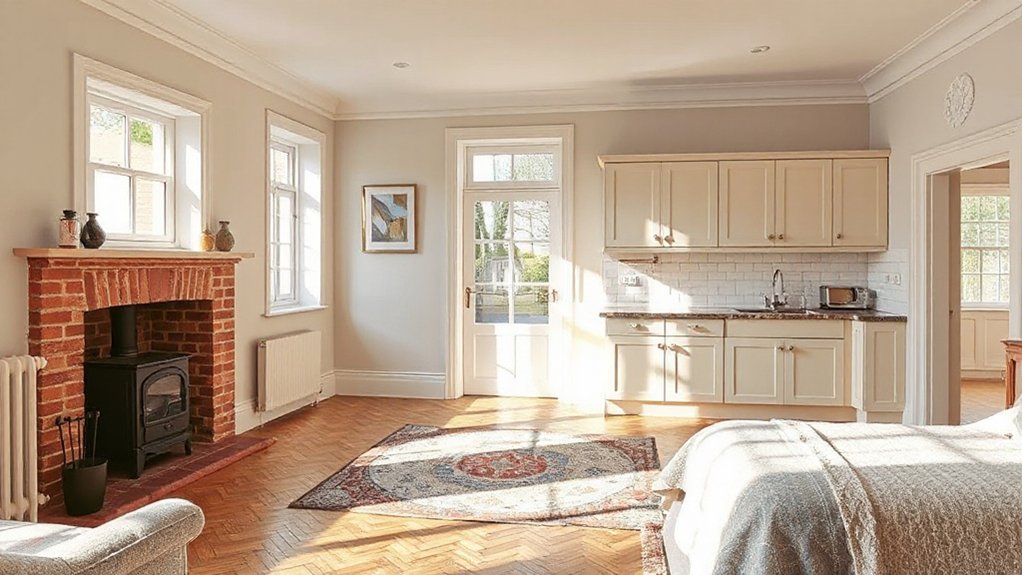
You’ll want finishes that nod to the era without shouting nostalgia. In each room, choose period-friendly materials that feel intentional and timeless.
For a living space, consider refined plaster walls, subtle cornices, and a restrained palette that echoes Victorian details without heavy ornament. Flooring can mix wide plank timber with a modern satin finish to preserve warmth and scale.
In the dining area, opt for heritage-tinged wallpaper or textiles with Art Deco influences—geometric motifs in muted tones read as contemporary, not contrived.
Kitchens benefit from shaker or panel doors paired with clean hardware in brass or black.
Bathrooms deserve timeless tiling patterns and chrome fixtures with soft, warm light.
These choices foster belonging while respecting the house’s character and rhythm.
Smart Tech to Save Money in a Classic Home
Smart tech can trim costs in a classic home without erasing its character. You’ll gain comfort and control without a showroom feel, and you’ll feel part of a thoughtful, shared project.
Start with Smart thermostats, which learn routines and adjust heating when rooms aren’t in use, cutting waste without sacrificing warmth. Pair them with zoning so you’re not heating empty halls.
Automated lighting offers convenience and efficiency: sensors or schedules ensure lights glow only when needed, preserving the house’s atmosphere while reducing bills.
Choose discreet, compatible devices that respect original wiring and layouts. Integration should be seamless, not intrusive, so you feel you’re upgrading with intention rather than chasing trends.
The result is cost savings that blend with the home’s character and your daily rhythm.
Lighting, Warmth, and Acoustics: Small Tweaks
Lighting, warmth, and acoustics can be finely tuned with small, purposeful adjustments that preserve a 1930s semi’s character. You’ll start with lighting design that favors warm LEDs, dimmable layers, and shade-rich lamps, creating depth without modern clutter. Keep fixtures sympathetic to the era, letting natural finishes show through.
For warmth, introduce breathable textiles, underfloor insulations, and subtle radiator covers that don’t overpower lines.
Acoustic treatment should be discreet: thick rugs, upholstered seating, and softly padded curtains dampen footstep noise and echoes while retaining daylight. Prioritize zones where conversations flow, balancing brightness with comfort.
Exterior Curb Appeal That Respects the Era
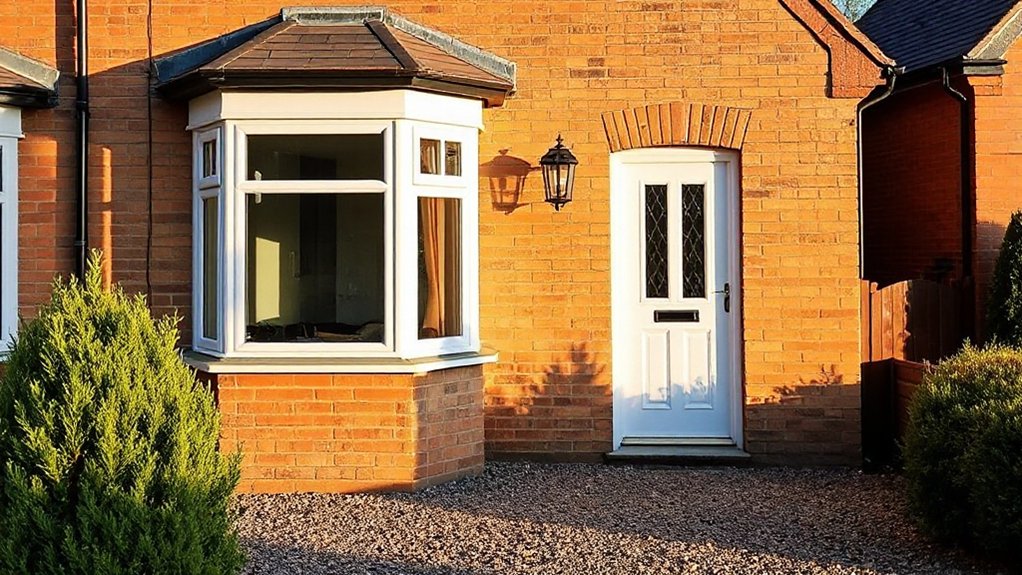
Exterior curb appeal sets the stage for a 1930s semi by honoring its proportions, materials, and street presence. You choose restraint over novelty, aligning elements with period rhythm while embracing subtle modern comfort.
Your garden landscaping should frame the front approach with simple, structured planting—low hedges, layered borders, and repeatable textures that echo brick and stucco. Keep color restrained, favoring muted tones that endure.
If you host guests, your front door and porch read as inviting but purposeful, with lighting that enhances architecture rather than shout.
Consider driveway resurfacing to restore surface integrity and define the carriageway without overpowering the home’s silhouette.
Thoughtful, honest updates maintain authenticity, creating belonging through cohesive, respectful curb presence.
Quick Maintenance Wins for Instant Comfort
Start with simple checks you can do in a weekend to make the home feel immediately more comfortable. You’ll notice texture, light, and air flow can transform atmosphere without major work.
Check drafty doors and windows; seal gaps with weather-stripping and tight-fitting weatherproofing.
Refresh living spaces with strategic lighting: two warm lamps and a dimmable option create instant coziness.
Clean vents and replace or clean filters to improve heating efficiency.
Prioritize low‑effort tweaks that respect sustainability: choose sustainable materials for small upgrades, like cork mats or reclaimed wood shelving.
Bring in greenery with mindful plant placement, aligning with Gardening trends to improve humidity and mood.
Reduce clutter for calm, then schedule a quick thermostat and timer review to stabilize comfort settings.
These wins foster belonging while staying budget‑friendly.
Frequently Asked Questions
How Can I Finance a Subtle 1930S Upgrade Without Debt?
You can finance a subtle 1930s upgrade without debt by using savings and low-interest goals, prioritizing historic fixtures and vintage landscaping, then partnering with trusted lenders who value mindful renovations and help you feel you belong in your timeless home.
What Non-Structural Changes Maximize Space Efficiency?
You maximize space by tight, purposeful furniture arrangement and clever storage solutions. You zone each area thoughtfully, choose multi-purpose pieces, and keep pathways clear, ensuring a cohesive, belonging-driven home that feels spacious yet intimate.
Which Era-Safe Materials Balance Cost and Authenticity?
Did you know 65% of homeowners choose era-safe materials? You’ll balance cost and authenticity by pairing Victorian details with subtle Art Deco influences, ensuring durable, period-faithful choices that feel welcoming and relevant to your home’s heritage.
How Do I Maintain Period Charm With Modern Safety?
You maintain period charm with modern safety by prioritizing period restoration and aesthetic preservation, ensuring structural integrity, discreet updates, and compliant materials so you feel rooted, protected, and proudly part of the home’s enduring story.
What Energy Savings Are Noticeable in the First Year?
You’ll notice lower heating bills and steadier temperatures in the first year. Embrace period restoration alongside smart insulation, and enjoy vintage decor that feels grounded, welcoming, and energy-conscious without sacrificing your sense of belonging or style.
Conclusion
So you can modernise without blowing the budget—smart planning, tight focus, and respect for the era’ll carry you far. You’ll open spaces without erasing character, layer warmth with efficient insulation, and swap surfaces thoughtfully. Small tweaks—lighting, acoustics, draft proofing—will pay back fast. Ready to see the results when you step into a brighter, cozier home that still feels like it belongs to its time? You’ve got this.