
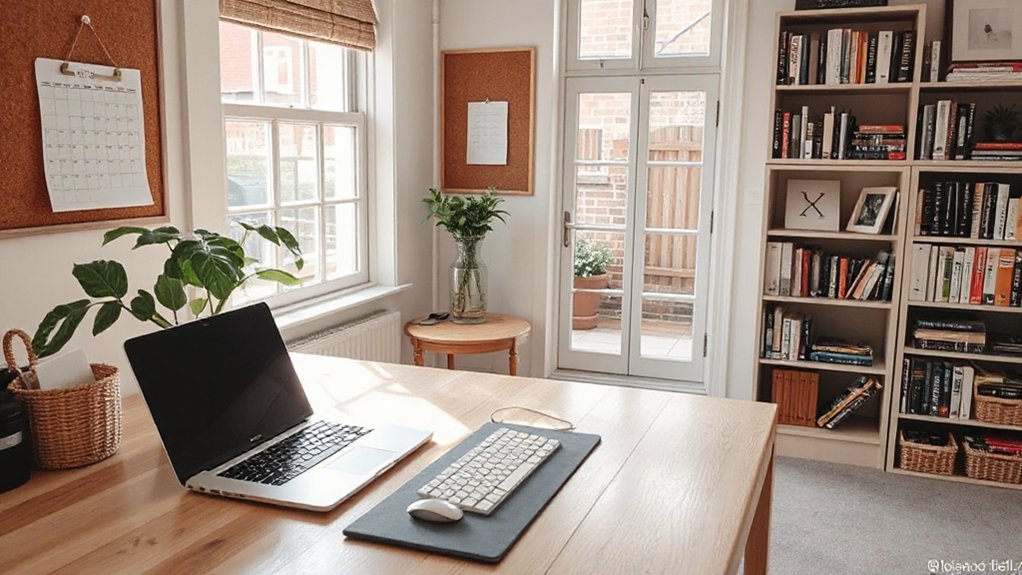
Does the belief that any home office boosts value hold up in the UK market, or are buyers chasing specific features? You’ll find that daylight, quiet, flexible zones, and smart storage drive value more than size alone. If you’re aiming for resale or higher rent, you’ll want to test ideas that blend ergonomics with eco-friendly materials, while documenting upgrades for future-proofing. Curious about which upgrades actually pay off and how to navigate permissions? Let’s explore what works and why.
The UK Home Office Value Case: What Buyers and Renters Really Want
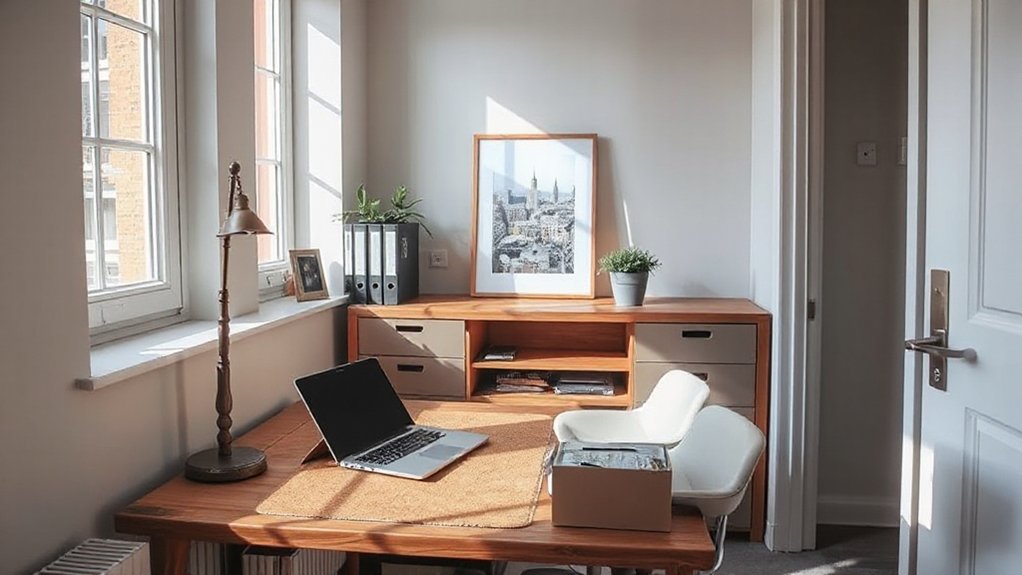
The UK Home Office value isn’t just about price tags; it’s about what buyers and renters actually need from their workspace and living spaces. You’re evaluating demand, not just cost, and you’re looking for signals that drive decisions.
Across listings, speed of setup, reliable connectivity, and predictable running costs win trust. Home office decor matters because it signals a finished, functional zone rather than a blank lease.
Ergonomic furniture is more than comfort; it reduces fatigue, supports long hours, and promises fewer health complaints—key for long-term tenancy or resale value.
Buyers compare layouts, storage, and light allocation to gauge usable space. You’ll notice properties that blend work zones with living areas outperform, sustaining value through changing market moods and policy shifts.
How to Maximize Daylight, Control Noise, and Design Smart Zones
If you want a productive home office, maximize daylight, curb noise, and design smart zones as a single, repeatable process.
You’ll prioritize natural lighting by locating the desk near windows, using sheer curtains to diffuse glare, and selecting reflective surfaces that boost brightness without increasing heat.
Next, implement acoustic treatment to reduce external and internal noise—dense rugs, soft furnishings, and wall panels absorb sound without sacrificing style.
Zone the room into focused work, collaboration, and storage areas with clear visual cues: color codes, levels, and furniture layouts that guide flow.
This approach supports steady concentration and easier resale appeal.
Market-fit features include daylight-conscious design and quiet work zones, delivering measurable value for UK buyers and tenants.
Smart Storage and Flexible Layouts That Boost Resale Appeal
Smart storage and flexible layouts add measurable resale value by transforming compact spaces into highly usable work zones. You’ll see quicker buyer interest when you implement integrated shelving that tucks away papers and equipment without stealing floor area.
Consider modular furniture that reconfigures for tasks, from drafting to video calls, so the room adapts with minimal friction. A well-planned storage scheme prevents clutter, which buyers equate with productivity and longevity.
Build zones with purpose: a primary desk area, discreet filing, and hidden charging hubs. Use vertical solutions to keep surfaces clean, and avoid over-ornamentation that dates a room.
Finally, guarantee access paths stay clear; buyers value flow as much as footprint. This approach signals versatility, durability, and real ROI in a competitive market.
Budget-Friendly Upgrades That Pay Off in Value
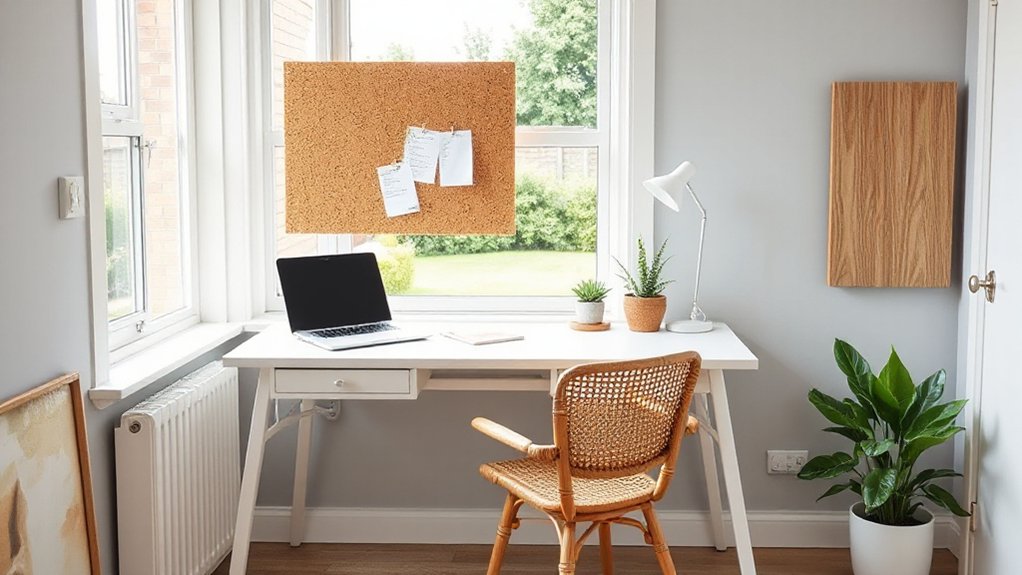
Budget-friendly upgrades deliver real value without overhauling your space. You don’t need a full renovation to lift resale potential; small, targeted changes can move the needle.
Prioritize workspace ergonomics: invest in an adjustable chair, proper desk height, and monitor setup that reduces strain, boosting comfort and productivity claims for buyers.
Choose eco-friendly materials for surfaces and storage—laminate or bamboo desktops, low-VOC paints, responsibly sourced shelving—these choices signal long-term cost savings and sustainability, which UK buyers increasingly reward.
Update lighting with efficient LEDs and task lighting that highlights a productive workflow.
Enhance acoustics with simple panels or rugs to reduce noise, improving perceived room quality.
Finally, document costs and potential energy savings to reinforce value during negotiations.
Permissions, Building Standards, and UK Market Expectations
Managing permissions, building standards, and UK market expectations is essential for turning a home office into a saleable asset. You’ll need clear visibility on building permits and whether your project requires them, avoiding delays and penalties. Start by checking with your local planning authority; many modest interior conversions don’t need full planning permission, but building regulations still apply.
Zoning regulations can influence egress, insulation, and ventilation standards, so verify allowable uses and any restrictions before you begin. Documented compliance signals value to buyers and lenders, reducing post-build risk.
Expect energy-efficiency requirements, fire safety measures, and accessibility considerations to be scrutinized in sale negotiations. Align your design choices with market preferences, document approvals promptly, and maintain a transparent compliance trail for a smoother sale trajectory.
Frequently Asked Questions
How Long Does a Home Office Upgrade Typically Add to Property Value?
A home office upgrade typically adds around 5–10% to your property value. You’ll increase appeal with solid home insulation and natural lighting, which buyers reward with lower running costs and brighter, more productive spaces.
What Electrical Safety Checks Are Required for Home Office Installs?
You must have electrical compliance and safety certification for home office installs. You’ll check circuits, RCDs, and fixed wiring, get an electrical safety check, and verify documentation is up to date to satisfy buyers and insurers.
Do Planners or Building Regs Impact Home Office Conversions in UK Homes?
Yes, planning permissions and building regulations can impact home office conversions in UK homes. You’ll likely need planning permission for certain extensions, conversions, or external changes, and you must comply with building regulations for safety, insulation, and electrical work.
Which Off-The-Shelf Tech Boosts Perceived Value of a Home Office?
Smart lighting and ergonomic furniture boost perceived value, you’ll notice as you upgrade. You’ll deploy smart lighting to set mood and productivity, while ergonomic furniture supports comfort, signaling professional, efficient workspaces to buyers and investors alike.
Are Rental Markets More Sensitive to Home Office Quality or Size?
Yes, rental markets react more to quality than size, you’ll notice when furniture design and lighting ambiance drive perceived value; you measure demand by how well the space feels and functions, not merely its footprint.
Conclusion
You walk through your home office like a living ad—sunlight tracing clean lines, sound softly muffled by smart panels, a desk that morphs with your day. The space whispers efficiency: flexible zones, vertical storage, eco materials, all quietly boosting value. With permits tucked under your sleeve and energy savings in the ledger, you’re not just selling a room—you’re selling tomorrow’s workflow. In a market that prizes function, you’ve lit a path to lasting appeal.