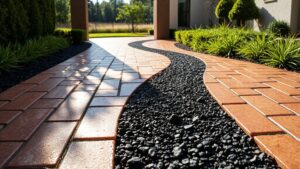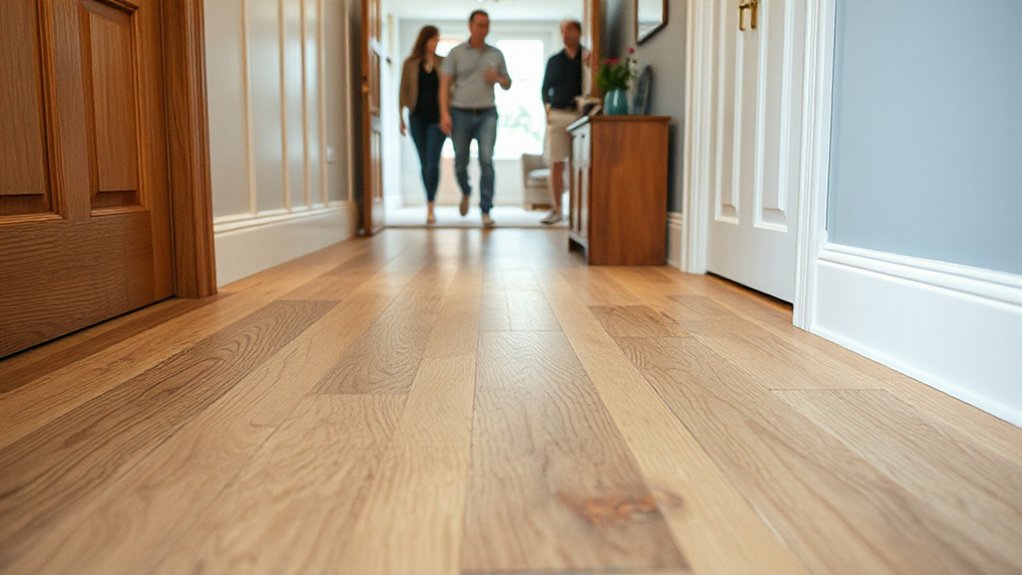
For high-traffic UK homes, balance durability with comfort and style. Engineered hardwood offers authentic warmth, but its wear layer can wear down with heavy use, so choose robust underlayment and mindful foot traffic. Luxury vinyl provides spill resistance and easy maintenance, great with underfloor heating. Porcelain tiles excel in entryways and kitchens, while high-grade carpet adds warmth in adjacent rooms. Maintenance matters: quick spill cleanup, proper cleaners, and periodic professional care. Ready to choose your best option? You’ll find more details below.
How to Pick a Durable Floor for a Busy UK Home
Choosing a durable floor for a busy UK home means balancing wear resistance with practicality and style. You prioritize performance without compromising comfort, so assess floor thickness as a direct signal of longevity and load tolerance.
Opt for materials with proven scratch resistance and low maintenance in high-traffic zones, like dense surfaces or reinforced composites.
Consider how your underfoot feel aligns with daily routines—sticky kitchens, scuffed hallways, bustling living spaces.
Underfloor heating compatibility matters: assure chosen flooring conducts heat evenly, avoids thermal expansion issues, and remains stable at typical UK temperature ranges.
Select installation methods that minimise gaps and squeaks, supporting durability and quiet operation.
Conclude with a practical sample: test resilience through real-use simulations and confirm long-term value, not just initial appeal.
Engineered Hardwood vs Luxury Vinyl: Which Holds Up Better?
Engineered hardwood and luxury vinyl offer distinct paths to durability in high-traffic UK homes, each with its own strengths and limitations. You’ll weigh real-wood aesthetics against water resistance and install longevity, with design versatility guiding choices.
Engineered hardwood delivers authentic grain and warmth, yet its wear layer can pare back with heavy abuse. Protect it with proper underlayment and mindful foot traffic patterns.
Luxury vinyl provides robust resilience, spill resistance, and smoother maintenance, often with superior moisture tolerance in kitchens and entryways.
Consider Eco friendly materials and lifecycle impacts alongside performance, noting that both options can be recycled or repurposed at end of life where programs exist.
Your pick should harmonize with décor, foot traffic realities, and the desire for lasting, welcoming spaces.
Porcelain Tiles and High-Grade Carpet: Best Roles in Busy Areas
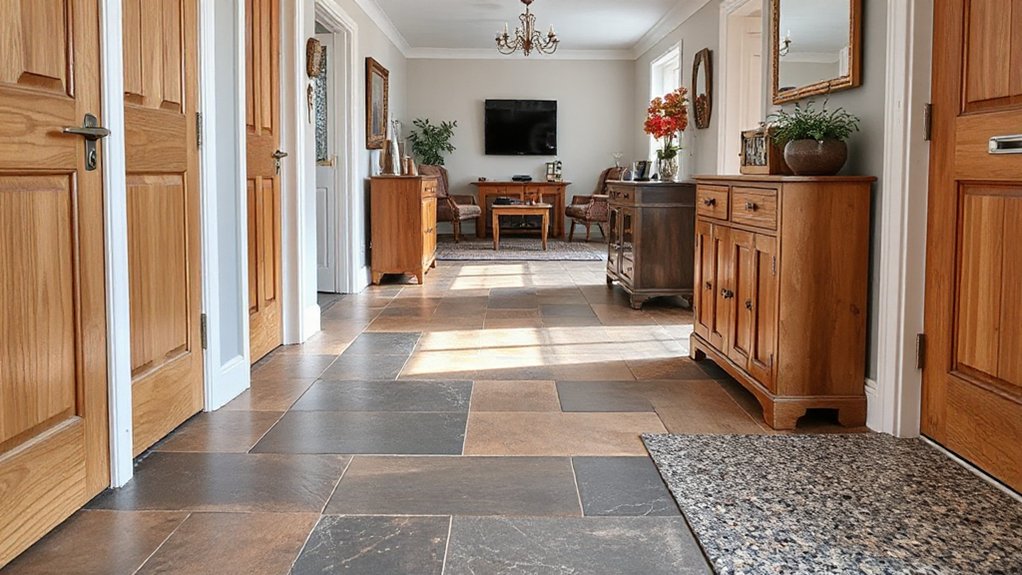
Porcelain tiles excel in busy areas thanks to superior hardness, low porosity, and easy maintenance, making them a reliable backbone for entryways, mudrooms, and high-traffic corridors. You’ll appreciate porcelain durability in daily wear, scuff resistance, and stable dimensions under foot traffic, creating a crisp, uninterrupted flow.
Pair this with high-grade carpet in adjacent zones to balance sound absorption and warmth, delivering Carpet comfort where you pause or linger. In busy zones, porcelain tiles define clean lines and visual continuity, while carpet zones offer tactile relief and acoustical softness without sacrificing aesthetics.
The best layouts alternate textures to emphasize movement and space, guiding guests naturally through your home. Together, these materials provide resilient practicality and a sense of belonging in shared areas.
Maintenance That Keeps High-Traffic Floors Looking New
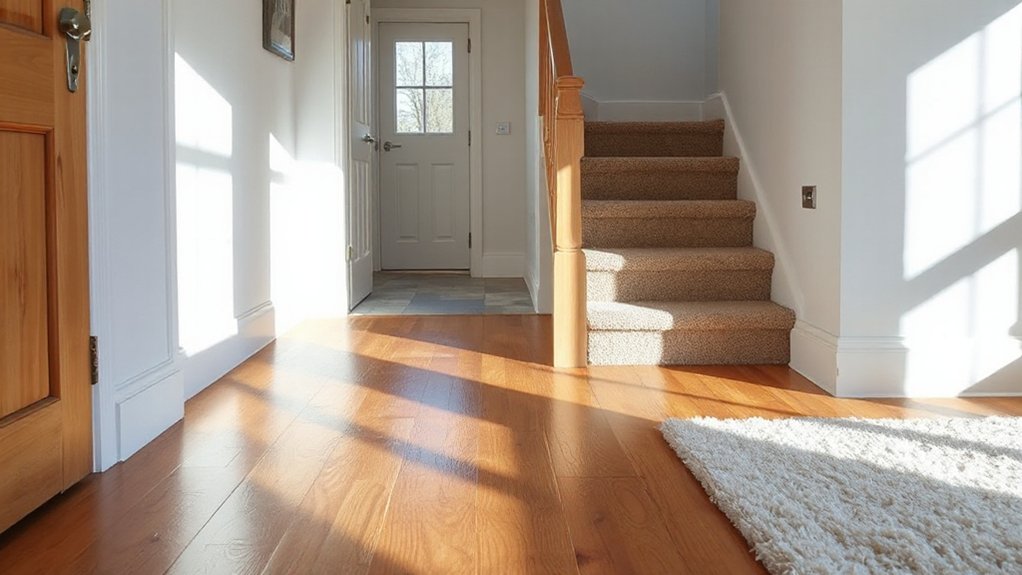
Maintenance is essential to keep high-traffic floors looking new, especially in busy UK homes, where daily wear and seasonal moisture challenge finishes. You establish consistent cleaning routines that minimize abrasive buildup and preserve texture.
Choose cleaning agents matched to your floor type, and dilute as directed to avoid residue that dulls sheen. Regular dusting and damp mopping prevent grit intrusion, while promptly addressing spills protects against staining.
Protecting your investment means applying protective finishes where appropriate and reapplying per manufacturer guidelines to sustain scratch resistance and color depth. Implement routine inspections to catch micro-scratches early and schedule professional maintenance when needed.
Budget, Installation, and Common Pitfalls for UK Homes
Budget, installation, and common pitfalls for UK homes require a clear plan: set a realistic budget that accounts for subfloor preparation, moisture barriers, and fitters’ labor. Then align it with product warranties and ongoing maintenance costs.
You’ll evaluate cost considerations against performance, durability, and downtime. Choose materials whose installation demands match your space, avoiding over-ambitious timelines that inflate costs.
Prioritize moisture control, accurate substrate assessment, and precise *progressions* to prevent future repairs. Your aesthetic choices should harmonize with resale value and long‑term satisfaction, not just initial appearance.
Factor in waste, delivery delays, and access constraints, then build a contingency. Select trusted trades, request written schedules, and document each milestone.
With disciplined budgeting and informed decisions, you achieve durable floors that feel purposefully yours.
Frequently Asked Questions
Which Flooring Is Most Slip-Resistant for UK Households?
You’ll want slip-resistant flooring like textured vinyl or ceramic with high slip safety ratings and excellent Flooring grip. It offers reliable traction, reduces falls, and feels cohesive with your space, supporting safe movement while enhancing aesthetic appeal.
How Do Noise Levels Compare Across Durable Floor Types?
Noise levels vary; you’ll find cork and LVT offer strong sound absorption, while solid hardwood tends to transmit more impact sound. In practice, choose materials with high acoustic performance to feel secure and acoustically comfortable in shared spaces.
Are Eco-Friendly Options Suitable for High-Traffic Areas?
You’ll find eco-friendly options are suitable for high-traffic areas, offering durable performance and comfort. Eco friendly materials pair with strong sustainability benefits, while you enjoy feel‑good aesthetics, a sense of belonging, and technically informed, concise design.
Which Flooring Is Easiest to Replace Damaged Sections?
You’ll find luxury vinyl planks simplest to replace damaged sections, facilitating quick floor maintenance and minimal downtime. Their modular design preserves aesthetic versatility while you upgrade, ensuring you feel confident within your space and connected to your home.
Do Underlayment Choices Affect Overall Durability?
Underlayment impact affects your floor’s longevity, influencing moisture control and sound absorption. You’ll notice durability factors—compression resistance, insulation, and substrate compatibility—shape wear patterns. Choose quality, compatible materials to feel secure, protected, and truly part of the space.
Conclusion
You want a floor that survives busy UK life without losing style. The right pick blends durability with design: engineered hardwood resists wear while keeping warmth; luxury vinyl offers plank looks with tough credentials; porcelain tiles handle sand and moisture; high-grade carpet softens stairs and lounges. An eye-catching statistic: high-traffic rooms lose finish three times faster without proper sealing. Prioritize underlay, grippers, and moisture barriers to keep floors pristine, easy to maintain, and aesthetically timeless.