Like a door swinging on a hinge, your renovations set the first impression—so you’ll want sharp, data-driven choices that deliver real ROI. You’ll weigh cosmetic fixes, kitchen and bath updates, and curb appeal against budget, timelines, and market goals. With smart budgeting, contractor management, and targeted upgrades, you can speed a sale and lift price without overspending. The key moves and tradeoffs ahead will help you decide what to fix first, and why.
Assessing Your ROI: Where to Spend Before Listing
When planning renovations to boost resale value, start with a clear ROI framework: identify the upgrades that yield the highest return per dollar and prioritize those that address buyer expectations. You’ll focus on high-impact, cost-sensitive improvements.
Interior lighting matters: brighter, energy-efficient fixtures can improve perceived space and reduce energy bills, often delivering solid resale premiums. Plan around a crisp lighting plan—layered LEDs, dimmers, and smart controls—to maximize appeal without overspending.
Home security also moves the needle for buyers seeking safety and convenience; consider a modern smart system, visible cameras, and robust door/window hardware.
Track costs against expected resale lift using comps and ROI calculators, avoiding vanity projects. Prioritize improvements with proven demand, short close windows, and clear, documentable benefits for buyers.
End result: a lean, value-driven upgrade path.
Quick Cosmetic Fixes That Add Immediate Appeal
A fresh coat of paint and a few landscaping tweaks can lift a property’s curb appeal fast, often translating into quicker showings and higher perceived value. In this quick cosmetic phase, targeted color choices and tidy greenery are based on data showing buyers notice first impressions within seconds.
You’ll want to prioritize neutral hues on walls and simple, low-maintenance touches to create an inviting, move-in ready feel.
Fresh Coat of Paint
Fresh paint is one of the quickest, most cost-effective ways to boost curb appeal and perceived value before listing. You’ll gain value from a fresh, neutral palette that appeals to buyers’ color psychology—calming tones can widen perceived space and speed walkthroughs.
Choose durable, washable finishes in high-traffic areas; semi-gloss in kitchens and baths resists moisture and shows cleanability. For resale, prioritize consistent schemes: white or light-gray trims with warm neutrals on walls. Avoid oversaturated colors that limit buyer imagination.
Budget for paint maintenance, including patching defects and caulking gaps, to prevent costly post-listing touch-ups. Time your project to minimize disruption; a 4–7 day turnaround is typical for a full interior refresh.
Document colors and finishes for buyers, boosting confidence and perceived value.
Quick Landscaping Touches
Quick landscaping touches can boost curb appeal fast without breaking the bank: a fresh mulch bed, edge-cleaned borders, and a few container plants near the entry create immediate visual impact. You’ll notice higher perceived value with minimal investment, typically under a few hundred dollars for common front-yard updates.
Focus on maintenance-efficient choices: uniform mulch color, crisp edging, and purposeful plant placement that highlights architectural features. In garden design terms, balance evergreen structure with seasonal color to sustain appeal across listings.
Add outdoor lighting to extend curb presence after dark and improve safety, often yielding a measurable uptick in buyer interest. Track results by noting photo appeal and foot traffic in showings, then scale successful elements across the property to maximize return on a tight budget.
Budget-Friendly Kitchen Updates With High Return
A budget-friendly cabinet makeover can dramatically lift a kitchen’s look without a full remodel.
Pair it with a sparkling, affordable backsplash and a modern faucet to boost perceived value and appeal.
Add targeted lighting upgrades to highlight these improvements and maximize return.
Budget-Friendly Cabinet Makeover
If you’re renovating on a budget, updating cabinet fronts and hardware delivers noticeable impact without redesign costs. Data shows cabinet painting and new cabinet hardware yield high ROI relative to total project spend, often boosting perceived kitchen quality by 5–15% in listing photos.
A solid strategy is to select a neutral paint palette with satin or semi-gloss finish and pair it with cohesive hardware finishes (oil-rubbed bronze, brushed nickel, or matte black). Expect labor to run 1–2 days for standard 10– to 20-foot layouts, with DIY paint saving up to 40% of costs.
Prioritize preparation: clean, sand, and prime surfaces for durable results. Focus on doors, frames, and drawer fronts first, since these areas drive visual impact and investor appeal.
Sparkling, Affordable Backsplash
A sparkling backsplash packs high ROI without major renovation, delivering instant kitchen uplift at a fraction of total costs. You’ll see strong buyer interest when the kitchen looks fresh without full gutting.
A well-chosen, affordable kitchen update can yield a solid return: searchers notice cleaner lines, brighter surfaces, and easier maintenance. Favor durable, stain-resistant materials and neutral hues that harmonize with most cabinets and countertops.
Install costs stay modest with peel-and-stick or mid-range tile options, yet impact remains tangible in photos and showings. Expect a faster sale cycle and fewer price concessions when the backsplash resonates with buyers’ expectations of modern, low-maintenance kitchens.
Track cost per square foot and compare to overall home value to gauge ROI.
Modern Faucet, Lighting Upgrades
Modern faucet and lighting upgrades deliver high impact at a modest cost, making them standout budget-friendly kitchen improvements. You’ll see quick returns by swapping to water-efficient models and sleek LED fixtures.
Install mid-range smart fixtures to appeal to tech-minded buyers without overspending, and choose brushed-nickel or matte-black finishes for broad styling compatibility.
A new faucet reduces visible clutter if paired with fingertip-access controls, while upgraded lighting improves task performance and mood.
Place under-cabinet LEDs to brighten counters and highlight surfaces, then layer ambient and accent lighting to create depth.
Quantify value: expect a 1–2% bump in resale price per upgrade, with faster showings.
Prioritize durable materials, easy maintenance, and a consistent design theme to maximize impact and buyer appeal.
Stylish lighting matters.
Bathroom Refreshes That Do Not Break the Bank
Even small bathroom updates can boost resale value without breaking the bank. You’ll see the biggest returns from affordable changes that feel high-end, guided by data on return-on-investment.
Replace dated fixtures with polished, cost-effective options and choose finishes that resist wear. Focus on the vanity area: paint cabinets, update hardware, and install a moisture-friendly countertop to lift the room’s perceived value without major upheaval.
Refresh lighting with bright, energy-efficient options to improve ambiance and perceived space. Consider luxury fixtures or high-contrast accents to cue value, but avoid overdoing it in smaller baths.
If you’re aiming for a premium feel, add custom tile as a strategic accent in showers or borders, keeping overall costs controlled while signaling quality.
Flooring Upgrades: When to Refinish Vs Replace
When you’re weighing refinishing versus replacing flooring, you’ll want real-world numbers on cost, lifespan, and resale impact.
A refinished floor often saves 20–60% upfront but may require more ongoing maintenance.
While replacement delivers a longer, uniform lifespan with predictable results.
Use a flooring lifespan guide to estimate years of useful life and align choices with your timing and budget for maximum return.
Refinish Vs Replace
If you’re weighing refinishing versus replacing floors, start by evaluating the current condition and budget.
Refinishing typically costs 20–40% of replacement and extends the life of existing material, often yielding a quick, uniform look. When hardwoods show mainly surface wear, scratches, or a dull finish, refinishing can restore luster without removing planks.
Replacements become sensible if boards are warped, there is widespread staining, or structural damage that compromises stability.
Consider environmental impact and project timelines: refinishing minimizes waste and usually finishes in days, while replacing can require ordering materials and temporary relocation.
Demand and resale expectations influence your choice; historical renovations and luxury upgrades often justify premium replacements when matching era-appropriate tones is critical.
Analyze long-term wear patterns, maintenance needs, and your budget to decide the most cost-effective path.
Flooring Lifespan Guide
Flooring lifespan varies with material, traffic, and maintenance, so you should plan upgrades around expected wear patterns and budget. In this guide, you’ll weigh refinishing versus replacement based on cost per square foot, expected lifespan, and resale impact.
Hardwood floors often justify refinishing when surface scratches are shallow and boards remain sound, typically extending life by 10–15 years at modest expense.
Laminate or luxury vinyl plank may favor replacement when wear is deep or water damage exists, since repairs can be costlier than a full install.
Carpet usually signs replacement sooner in high-traffic areas.
Consider walkable neighborhoods and local market trends to time upgrades for buyer appeal, balancing immediate expense with projected resale premium.
Track warranties, finish durability, and installation quality for accurate projections.
Use data-driven thresholds to guide decisions.
Paint and Curb Appeal: Exterior Improvements That Matter
Paint and curb appeal set the first impression and can influence buyers’ offers and speeds to sale. Exterior improvements pay back through shorter market times and higher perceived value. Focus on exterior painting accuracy, color consistency, and rot repair; these details reduce buyer objections at offer stage.
Guarantee curb appeal aligns with neighborhood norms to avoid over- or under-improving. You should also refresh entry doors, trim, and shutters to create a cohesive look that photo well in listing shots. Invest in garden landscaping basics—mulch, clean edges, and seasonal plantings—to signal ongoing maintenance.
Exterior lighting enhances safety and mood after dark, extending perceived value without major cost. Track costs against potential sale uplift to justify decisions and prioritize projects with the strongest payoff.
Lighting and Electrical Upgrades for Modern Standards
Upgrading lighting and electrical systems isn’t just about brighter rooms—it’s a buyer confidence signal and a safety baseline. You’ll see value in modern standards, with code-compliant panel upgrades, AFCI/GFCI protection, and properly rated outlets.
Prioritize LED retrofits and dimmable options to reduce energy use while maintaining ambience. Data shows buyers reward efficiency. Plan smart lighting to automate common routines, which enhances perceived modernity without overhauling wiring.
Electrical safety updates, such as ground fault protection in kitchens and baths, lower incident risk and lender risk perceptions. Documented improvements, including updated breakers and surge protection, support higher offers and faster closings.
Budget estimates should align with scope: basic rewiring or panel replacement ranges vary by square footage, but return hinges on reliability, safety, and visible modernization.
Open Concept and Space Optimization Tips
Open concept layouts can boost perceived space and flow, making small homes feel larger and more modern. You’ll maximize value by balancing zones with furniture placement rather than walls. Use partial partitions, area rugs, and consistent color palettes to define living, dining, and kitchen areas without breaking sightlines.
When evaluating square footage, prioritize open sightlines near traffic paths to reduce clutter and improve perceived size. Light-colored walls and reflective surfaces lift brightness; incorporate multiple sources of soft, layered lighting to avoid harsh shadows.
For outdoor living, extend the footprint with a covered deck or courtyard, enhancing flow between indoors and exterior spaces. Focus on decluttering, smart storage, and cohesive home decor to sustain buyer appeal and faster offers.
Energy-Efficient Upgrades That Sell Homes
Energy savings also boost appeal and resale value, with measurable impacts like lower utility bills and higher ENERGY STAR scores.
You’ll see buyers weigh upgrades such as efficient HVAC, insulation, and sealed ducts, which translate to real-world comfort and ongoing savings.
In this discussion, we’ll compare cost vs. payoff and highlight which modern comfort upgrades most influence buyer decisions.
Energy Savings Impact
Smart home and energy upgrades can boost a home’s appeal and keep sale price aligned with buyer expectations; buyers increasingly value lower utility bills, and lenders may favor homes with proven efficiency.
You’ll see energy savings translate into faster offers and higher perceived value, especially when upgrades are verifiable. Data shows homes with efficiency features often command premiums and reduce time on market by single digits, while ongoing operating costs drop meaningfully after implementation.
Prioritize durable, measurable improvements—like solar panels and smart thermostats—that deliver near-term bill reductions and long-term reliability. Present quantified energy performance, such as estimated annual savings and payback periods, to reassure buyers.
Combine these upgrades with transparent maintenance records to maximize appeal and preserve resale value.
Modern Comfort Upgrades
Modern comfort upgrades pay off quickly by delivering noticeable, verifiable savings that buyers expect. You’ll see reinforced value when you install energy-efficient systems that customers can quantify, like reduced utility costs and improved comfort.
Focus on two high-impact areas: smart thermostats and quality lighting with luxury fixtures. Smart thermostats optimize daily use, cutting heating and cooling while preserving comfort, often delivering a measurable drop in energy bills and a faster return on investment. Pair them with premium sensors and zoning to maximize efficiency.
Luxury fixtures enhance perceived quality without overhauling the structure, supporting higher perceived value and faster sales. Prioritize clearly demonstrated savings, reliable brands, and simple maintenance to keep the upgrade package attractive to buyers.
Structural and Safety Enhancements Worth the Investment
Structural and safety upgrades offer solid ROI when preparing a home for sale. You’ll maximize appeal by prioritizing structural integrity, which buyers notice and value.
Foundation repair tops the list when you detect cracks, settling, or uneven floors, reducing post-sale negotiation risk and avoiding last-minute price cuts. Structural reinforcement, like underpinning or beam stabilization, can improve load paths and longevity, often delivering a higher appraisal if documented with professional reports.
Focus on cost-per-benefit: quieted squeaks, reinforced walls, and seismic retrofits in relevant markets. Prioritize items with visible impact—entryways, stair stability, and basement moisture control—to drive buyer confidence without delaying listing.
Track contractor timelines, warranties, and code compliance to ensure the upgrades reliably contribute to sale price and marketability.
Permits, Timelines, and How to Set Realistic Budgets
Permits, timelines, and budgets shape every renovation’s success, so begin by mapping required permits, approvals, and inspection milestones before you start work.
You’ll need a realistic schedule that accounts for zoning laws and potential permit delays, plus buffers for weather and material lead times.
Estimate costs with a bottom-up approach: list each trade, unit cost, quantity, and contingency of 10–15%. Tie milestones to cash flow—draws align with permit approvals and inspections.
Track changes with a formal change order process to prevent scope creep. Build in a 5–15% reserve for unforeseen issues, especially in older homes.
Prioritize high-impact improvements that sell faster, but avoid over-improvement relative to neighborhood comps.
Revisit the budget monthly, updating assumptions as permits progress and timelines tighten or slip.
Choosing the Right Contractors and Negotiating Costs
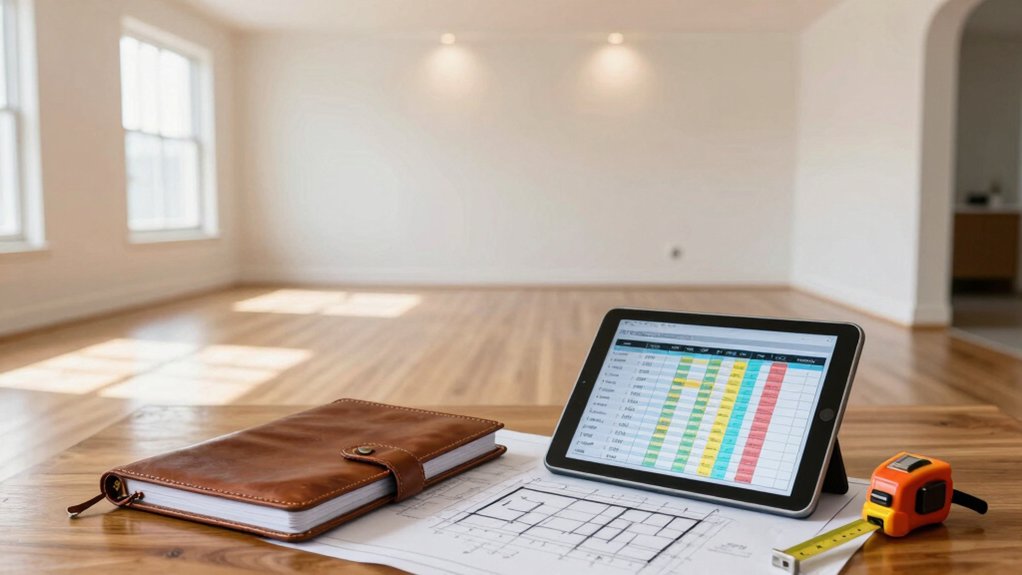
Choosing the right contractors starts with clear criteria and tight cost controls. You’ll define scope and benchmarks—high-level goals, timelines, and budget caps—before you request quotes.
When evaluating bids, compare unit costs, contingencies, and warranty terms, not just total price. Favor qualified, licensed pros with verifiable recent project results similar to yours, and verify insurance coverage and safety records.
For contractor selection, demand detailed written proposals that itemize labor, materials, permits, and contingencies, then cross-check with market data from recent projects.
In cost negotiation, anchor negotiations on objective metrics: current material costs, expected change orders, and schedule impacts. Seek fixed or capped-price options for key items, and insist on milestone-based payments tied to verifiable progress to minimize risk.
Document all agreements to avoid costly disputes later.
Staging Strategies to Maximize Buyer Interest
Staging is where your renovation dollars turn into buyer appeal. Effective staging translates square footage into perceived value, guiding buyers from first impression to offer. Focus on light, neutral palettes, clutter removal, and furniture placement that highlights flow and room size.
Use data to justify choices: well-lit rooms sell faster and often for higher bids. Prioritize high-ROI spaces such as living rooms, kitchens, and primary baths, with minimal personal items to help buyers envision themselves living there.
Create a cohesive look: consistent finishes, balanced textures, and strategic accents that don’t overpower. Optimize photos for online listings—before-and-after shots matter.
Track trends in staging strategies and adjust for market segment and price tier, ensuring your presentation maximizes buyer appeal without overinvesting.
Measuring Success: How to Track Renovation ROI
Measuring ROI starts with clear benchmarks you can track from day one. You’ll set tangible goals for renovation budgeting and expected sale price, then monitor progress against them. Begin by defining baseline costs, then allocate expenses to categories like updates, systems, and finishes.
Track ROI measurement by comparing total project costs to incremental resale value, adjusting for market conditions. Use a simple calculator: net gain equals the sale price minus costs, including carrying costs and commissions.
Regularly review variance between budgeted and actual spend, identifying cost drivers early. Don’t assume every upgrade pays off equally; prioritize high-ROI improvements such as kitchen and curb appeal.
Document data points, timestamps, and rationales to justify decisions if the market shifts. This disciplined approach improves pricing strategy and outcomes.
Frequently Asked Questions
How Long Does a Typical Pre-Listing Renovation Take?
A typical pre-listing renovation takes 2–6 weeks, depending on scope. You’ll complete home staging and landscaping upgrades first, then finish minor fixes. You should budget for permits, contractor coordination, and quick decisions to keep momentum steady.
What Is the Average Cost per Square Foot for Renovations?
The average renovation cost per square foot varies, but you’ll likely spend about $120–$200, depending on materials. You should compare renovation materials and verify contractor selection aligns with budget, quality, and timelines.
Which Renovations Yield the Highest ROI Pre-Sale?
You’ll love this: landscape improvements and interior upgrades yield the highest ROI pre-sale, outperforming other fixes. You save money, sell faster, and boost appeal; data show targeted updates deliver returns while you still get to grin at the numbers.
Do Lenders Require Permits for Renovations Before Sale?
Yes, lenders often require permits; you’ll face lender requirements tied to permit compliance. You’ll complete the permit process, document approvals, and guarantee renovations meet code, reducing risk and improving loan eligibility for the sale.
How to Balance Budget vs. Buyer Expectations?
You balance budget vs. buyer expectations by prioritizing staging strategies and curb appeal enhancements, then tracking cost-per-feature. You’ll visualize value, compare bids, and adjust upgrades to maximize appeal without overinvesting, ensuring the seller’s net gain remains compelling yet realistic.
Conclusion
If you’re selling, you’ll likely recoup 60–70% of a renovation’s cost through a higher sale price, with cosmetic updates delivering the fastest ROI. One eye-catching stat: kitchens and bathrooms can yield the highest returns per dollar spent. Focus your budget on high-impact, low-risk fixes, set a realistic cap, and track progress weekly. By prioritizing ROI-driven upgrades and solid contractor management, you’ll shorten days on market and maximize overall profitability.