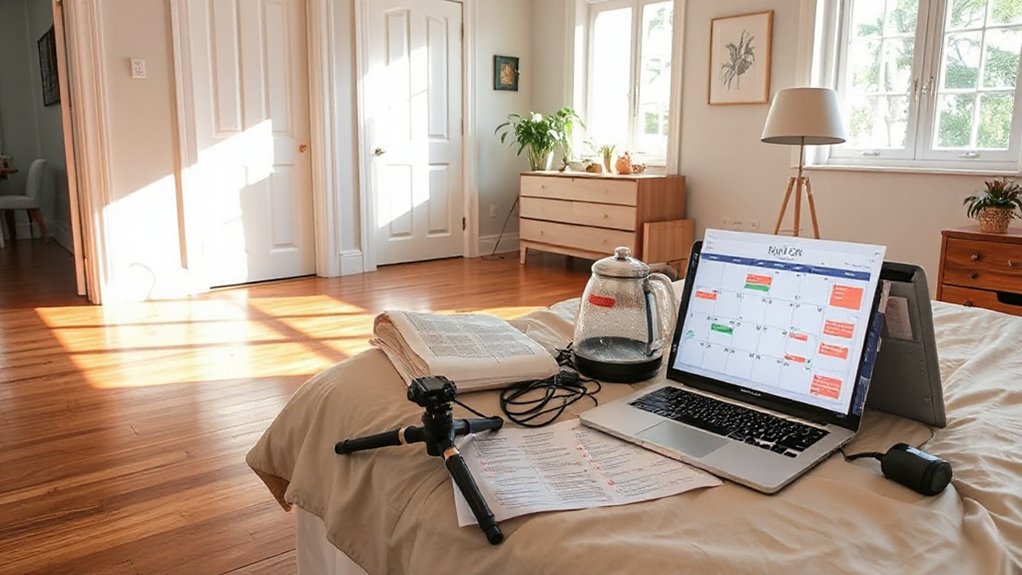
Common holiday-let pitfalls cost you money and headaches, but you can dodge them with clear upfront rules, transparent pricing, and proactive maintenance. Set response times, channels, and check-in details so guests know what to expect. Price honestly and disclose all fees, taxes, and policies. Prevent double bookings with solid scheduling, and streamline check-in/out. Stay compliant with licenses and local rules, and act on guest feedback to improve stays. If you keep these practices, you’ll uncover even more safeguards as you proceed.
Why Holiday-Let Pitfalls Cost You (and How to Avoid Them)

Holiday-let pitfalls bite mainly because small mistakes compound into big costs, from zoning fines to hidden cleaning fees. You’ll feel the impact when missteps add up, so you act now to protect your bottom line.
Start with guest communication modeled for clarity: prompt replies, accurate check-in details, and transparent expectations reduce disputes and refunds. Misunderstandings about occupancy, house rules, and amenities trigger conflicts that spiral into penalties or poor reviews.
Pair clear messaging with pricing strategies that reflect costs, seasonality, and local regulations, not guesswork. Use smart, consistent pricing tools to avoid undercharging or overpricing, and pre-negotiate minimum stays to stabilize revenue.
Track metrics, learn from patterns, and adjust promptly, ensuring statements align with actual services rendered. Stay proactive, and pitfalls stay at bay.
Set Clear Rules Up Front for Fewer Disputes
Setting expectations up front reduces disputes before guests arrive. You set the tone with clear rules, so everyone knows what to expect from day one. Focus on two core elements: guest communication and cleaning protocols, and spell them out in plain language. Then, reinforce with a concise house manual and a quick pre-arrival briefing.
- Establish response times and preferred channels for questions.
- Define check-in/check-out windows and access procedures.
- List exact cleaning expectations, including post-stay duties.
- Clarify liability, damage handling, and what constitutes an ordinary wear-and-tear exception.
Communicate these points before arrival, and document acknowledgment. This proactive approach minimizes misinterpretations, accelerates resolution, and keeps reviews positive.
You’ll gain trust, protect your property, and streamline operations.
Price Transparently: Fees, Taxes, and Hidden Costs
Clear pricing builds trust right from the start. You should present all costs up front, with no surprises after booking.
Practice pricing transparency by listing base rates, nightly fees, cleaning charges, security deposits, and service fees in the total price. Explain what taxes apply and whether they’re included or added at checkout.
Highlight potential hidden costs, such as parking, extra guest fees, or early check-in charges, so guests know what to expect.
Use clear language, avoid jargon, and show any discounts or promotions transparently.
Provide a dedicated section for fees and a final, all-inclusive total before confirmation.
When guests see complete, honest pricing, trust increases, cancellations decline, and you protect your reputation.
Schedule Mastery: Prevent Double Bookings Every Time

To prevent double bookings, implement a robust calendar system that syncs across platforms in real time and flags conflicts the moment they arise. You’ll gain clarity, cut overlaps, and protect your reputation.
- Visualize every booking at a glance, so you see gaps, overlaps, and peak periods immediately.
- Sync across calendars, messaging apps, and PMS to keep everyone on the same page.
- Set instant conflict alerts and auto-resolve options to keep demand from colliding.
- Maintain proactive guest communication, notifying guests of changes before issues surface.
Time management becomes automatic with routine checks, templates, and alerts. Your guests feel prioritized, and your schedule stays flawless; you control the calendar, they enjoy the stay.
Streamline Check-In and Check-Out for Happy Guests
Streamline check-in with a fast flow, so guests get settled without delays.
Provide precise check-out instructions and clear access details upfront, reducing last-minute questions.
Align these steps to keep communication concise, proactive, and effortless for every stay.
Fast Check-In Flow
A fast check-in flow saves you time and reduces guest friction from the moment they arrive. You’ll empower guests with seamless arrival, clear steps, and instant access to essentials.
Focus on three core assets: pre-arrival messaging, self-check-in options, and live status updates. This reduces delays, boosts satisfaction, and supports your pricing strategy by valuing convenience.
1) Pre-arrival welcome with precise arrival windows.
2) Self-check-in setup and secure access codes.
3) Real-time status updates sent automatically.
4) Quick-onboarding tips for key amenities and local guides.
Guest communication stays proactive, friendly, and consistent, ensuring expectations align with reality.
Pricing strategies align with demand, so you can reward early arrivals and streamline occupancy.
Stay vigilant about bottlenecks, test flow routinely, and maintain concise prompts.
Your guests win with speed; you preserve control and clarity.
Precise Check-Out Instructions
Clear check-out starts with precise instructions and a simple checklist. You’ll minimize confusion by outlining exact steps guests should take, when to complete them, and where to leave items.
Post a short, scannable list: return keys, all doors secured, lights off, trash to outdoor bin, and remove dirty towels. Include a clear deadline and a brief note thanking them for staying.
Streamline communication by offering one-touch reminders via your channel of choice, and confirm receipt of their departure plans.
Provide contact details in case of issues, so guests feel supported rather than orphaned. This proactive approach boosts guest communication, reduces post-stay inquiries, and improves guest reviews by showing you care about a smooth exit as much as a seamless stay.
Clear Access Details
Optimizing access starts with simple, reliable check-in and check-out details that empower guests from day one. You’ll boost access visibility and booking clarity by crafting clear, step-by-step guidance.
- Provide exact codes, contacts, and gate instructions at booking confirmation.
- Share a single, accessible link to door and entry procedures, updated in real time.
- Outline arrival timelines, parking rules, and lockbox or smart-lock usage.
- Include fallback options, emergency numbers, and a quick troubleshooting checklist.
This approach reduces errors, speeds arrivals, and minimizes calls. You’ll create trust with proactive communication, ensure smooth transitions, and leave guests confident.
Clear access details measurably improve satisfaction, reduce misunderstandings, and protect your calendar’s integrity.
Protect Your Property: Inventory, Insurance, and Risk Tools
To protect your property, start with a precise inventory, solid insurance, and practical risk tools that fit your rental setup. You’ll implement a thorough inventory management system, documenting every fixture, appliance, and sample of inventory with photos, serials, and dates. Regular updates prevent gaps and miscounts after turnovers.
Confirm your insurance coverage aligns with the listing’s value, including contents, liability, and tenant-related risks, and review exclusions annually. Pair this with risk tools like secure door locks, smart sensors, and clear incident reporting channels to catch issues early.
Maintain access controls, secure deposits, and prompt claim procedures to minimize disruption. These guardrails reduce disputes, protect assets, and empower swift, evidence-based responses when incidents arise.
Set Expectations Before Arrival: What Guests Should Know

Set expectations before arrival by providing guests with a clear, pre-stay brief that covers check-in details, house rules, and key contact information. You set a professional tone, streamline arrival, and reduce surprises by outlining essential steps up front. Guest communication and arrival procedures become frictionless when you’re precise, prompt, and accessible.
- Clear check-in window and door codes or in-person arrival steps
- House rules, noise guidelines, and parking instructions
- Emergency contacts and a local help number for immediate questions
- What to do with trash, linens, and utilities before day-of arrival
Use a welcome message template and confirm receipt. This proactive briefing minimizes miscommunication and sets expectations for a smooth stay.
List Accurately to Manage Guest Expectations
Are your listings precise enough to manage guest expectations from the start? Point out exact dates, times, and check-in instructions. List every amenity, bed configuration, and accessibility note before guests book.
Include house rules, cancellation terms, and neighborhood details that affect stay quality. Avoid vague language like “nearby amenities”—specify distances and hours.
Use consistent terminology across platforms to reduce confusion and prevent misinterpretation. Align photos with reality, ensure measurements are accurate, and note any quirks or limitations.
Prioritize guest communication by updating listings promptly when conditions change. This practice strengthens expectation setting, defuses disputes, and boosts reviews.
Precision in your listing is a proactive assurance: what you provide is what guests will experience.
Prepare for Damages: Security Deposits and Documentation
Set clear documentation standards from the start and capture a pre-check inventory to establish a baseline.
You’ll speed up damage claims by sticking to documented, time-stamped records and photos.
Use a transparent process with defined timelines to protect yourself and your guests.
Documentation Standards
Documentation standards are your first line of defense against disputes over security deposits. You implement precise processes now to protect future claims and refunds. Clear records reduce friction and liability, so you stay in control.
1) Maintain a pre-stay checklist linked to reservation policies, capturing guest verification, contact details, and payment status.
2) Document every change: updates to the booking, house rules, and agreed-upon damages framework, with timestamps.
3) Capture condition at check-in and check-out using photos or video, dated and labeled for each room.
4) Store all communications and receipts securely, ensuring easy retrieval during any claim review.
Stay proactive: enforce consistent procedures, back up claims with evidence, and communicate expectations upfront to minimize disputes.
Pre-Check Inventory
Capture high-resolution photos with timestamps and organize them by room, linking each image to a checklist entry. Use a standardized template to record serial numbers, model details, and quantity for every item.
Establish clear stock management guidelines to track replacements and replenish essentials between stays. Communicate expectations to cleaners and property managers, ensuring consistency in what’s counted and reported.
Maintain digital copies of the inventory and any updates, enabling rapid reference during check-in and check-out. This disciplined approach strengthens security deposits and reduces post-stay disputes.
Damage Claims Timeline
Damage claims timelines matter: define when damages count, who adjudicates them, and how quickly you move from incident to resolution. You’ll tighten controls with clear steps, swift guest communication, and consistent booking policies.
1) Incident occurs: log exact time, photos, and notes.
2) Notification window: notify guests within 24 hours with details and expected resolution.
3) Adjudication: designate a neutral party or platform to assess damages and charges.
4) Resolution and return: issue a final decision, apply charges to the security deposit, and document outcomes for both parties.
Keep recordings and receipts ready, and align expectations in your guest communication and booking policies. This discipline protects you, clarifies responsibility, and speeds resolution while preserving trust.
Turnover That Works: Clean, Restock, and Restore Fast

To keep turnover fast, you should clean, restock, and restore your space in a tight, repeatable sequence.
Start with a rapid clean: high-touch surfaces first, then floors, minimizing cross-contamination.
Move to restocking: inventory essential items, check for replacements, and pre-pack amenities to match guest profiles.
Finally, restore the space: staging that resonates with your branding, run a quick safety check, and document any needed repairs.
Use a standardized checklist so cleaners and restockers proceed autonomously, reducing delays between bookings.
Integrate guest communication into turnover: send a quick message confirming arrival timelines and any self-check instructions.
Employ marketing strategies to upsell during checkout—offer late checkout, early access, or curated amenities.
Track metrics like time per room and vacancy gaps to optimize each turnover cycle.
Prevent Noise and Neighborhood Complaints Before They Start
Noise and neighbor concerns can derail a stay before guests arrive, so set expectations early and lock in practices that prevent issues. You’ll safeguard Neighborhood harmony by proactive prep and clear rules from day one, reducing noise and friction.
1) Install quiet hours and post them visibly.
2) Communicate parking, waste, and access rules to guests before arrival.
3) Equip the property with low-noise appliances and buffer doors.
4) Provide a simple contact method for swift issue resolution.
Implement a guest handbook that reinforces expectations, house rules, and emergency contacts. Offer tips for considerate behavior, like lowering voices after 10 PM and using outdoor spaces mindfully.
Regular checks and thoughtful signage keep Noise mitigation in motion, so you maintain harmony and prevent complaints before they start.
Automate Payments Safely: Payouts and Reconciliation
Automating payments safely is essential for smooth hosting operations, and setting up reliable payouts and reconciliation processes keeps cash flow accurate and timely. You’ll implement payment automation to schedule payments, reduce late disbursements, and minimize human error.
Use a trusted gateway with strong fraud detection and two-factor authentication to bolster payout security. Regularly reconcile payouts against bookings, fees, and taxes, and maintain automatic logs for audits.
Define clear payout cycles, thresholds, and exception workflows so you can resolve discrepancies fast. Enforce role-based access, rotating credentials, and event-driven alerts for failed transactions.
Test end-to-end: from guest payment to host receipt, including refunds. Documentation should describe timelines, fees, and dispute handling to protect you and guests.
Prioritize automation with security to sustain consistent, compliant payments.
Cancellations Handled Right: Clear Policies That Save Time

Clear policies streamline cancellations, protect hosts and guests, and save time when issues arise. You’ll reduce back-and-forth by outlining expectations upfront, so disputes don’t linger. Your cancellation policies set the framework for fair refunds and smooth recovery.
- You clarify windows for free cancellation, partial refunds, or nonrefundable periods, so every party knows the rules.
- You document how to request a refund, including required evidence and processing timelines.
- You specify how disputes are reviewed, who decides, and how long it takes to resolve.
- You align refunds with payment processor rules to avoid delays and chargebacks.
This approach supports efficient refund processes, minimizes stress, and preserves trust with guests.
Stay Compliant: Licenses, Taxes, and Local Rules
Licensing requirements must be crystal clear from the start, so you know exactly what you need and by when.
Stay on top of tax obligations with timelines that keep you compliant and avoid penalties.
Respect local rules now to prevent costly changes later and keep your listing running smoothly.
Licensing Requirements Clarity
Managing licensing requirements can feel overwhelming, but you’ll stay compliant by knowing the exact licenses you need, their costs, and where to file. Licensing confusion and permit misconceptions can derail plans, so clarity matters.
- Identify required licenses across all jurisdictions before listing.
- Verify fee schedules and renewal dates to prevent surprise charges.
- Confirm where applications are submitted and what supplementary docs you’ll need.
- Document compliance steps so you can audit quickly and address gaps now.
Staying proactive means you audit your property, not just hope for approvals. If a permit sounds optional, double-check its necessity; if a requirement seems vague, seek formal guidance.
You’ll reduce risk by documenting decision points and timelines, keeping your listing ready and compliant.
Tax Obligation Timelines
Identify the exact tax types for your holiday let—income tax, VAT/GST if applicable, and any local levies—so you know which filing deadlines apply. Set reminders for both quarterly and annual submissions, where relevant, and prepare estimates to avoid penalties.
Keep all receipts, invoices, and occupancy records organized to back up your figures. Build in a review at least a week before deadlines to catch errors and missing documentation.
Proactive scheduling minimizes risk and guarantees you’re compliant, not reactive, when tax season arrives.
Local Regulation Compliance
How can you stay ahead of the rules that govern your holiday let? Stay vigilant about Local permits and zoning laws, and tune into evolving regulations before they bite. You’ll reduce risk by building a compliance checklist and reviewing it quarterly. Proactivity saves fines and downtime, not guesswork.
- Verify licenses and renewals on your calendar to prevent lapses.
- Cross-check zoning laws for permitted uses and setback requirements.
- Maintain accurate records of occupancy limits, taxes, and safety standards.
- Schedule regular audits with local authorities or a compliance pro to catch updates early.
Compliance isn’t optional; it’s part of sustainable hosting. Keep documentation accessible, communicate changes to guests, and adapt quickly to regulatory shifts.
Use Guest Feedback to Improve Stays
Collect guest feedback promptly and use it to guide concrete improvements. You should structure responses to inquiries and reviews within 24 hours, then translate insights into actionable tweaks.
Start with guest surveys to gather clear data on usability, comfort, and expectations. Don’t skim; identify patterns rather than one-off complaints.
Then perform feedback analysis to separate fixes from features, prioritizing safety, cleanliness, and reliability. Implement measurable changes, document timelines, and notify guests of outcomes.
Close the loop by informing future guests which updates addressed specific comments, reinforcing trust. Track results over successive stays to confirm effectiveness and adjust as needed.
This proactive approach reduces repeat issues, elevates satisfaction, and protects your occupancy rate. Stay disciplined: act fast, measure impact, communicate progress.
Optimize Your Listing for More Bookings
You can boost bookings by optimizing your listing with sharp photos, smart pricing across seasons, and clear highlights of unique amenities.
Start with high-quality images that tell a compelling story. Price strategically to balance occupancy and value. And spotlight features that set your space apart.
Consistently refresh visuals, adjust rates for demand, and call out what guests won’t find elsewhere to drive interest.
Optimize Photos Effectively
Great photos are your first booking pitch. You’re selling not just space, but experience, so optimize every shot with purpose. Focus on clear, inviting images that cover common guest questions and highlight unique assets. Use strong photo composition and lighting techniques to elevate parity with top listings. Aim for consistency across all photos to build trust and reduce back-and-forth inquiries.
- Wide-angle living spaces: show flow and scale without distortion.
- Bright kitchens and baths: emphasize cleanliness and functionality.
- Outdoor appeal: capture curb appeal, seating, and sunset ambiance.
- Detail shots: pillows, amenities, and thoughtful touches.
Remember: natural light beats artificial, and editing should be subtle. Keep captions concise and accurate to avoid misinterpretation.
Price Strategically Across Seasons
Seasonal pricing isn’t a guesswork game—it’s a strategic lever that directly impacts bookings and revenue. You should base rates on demand signals, local events, and typical occupancy trends, not gut feel.
Implement seasonal pricing by creating clear rate tiers for peak, shoulder, and off-peak periods, then adjust as market data shifts. Use dynamic adjustments to respond quickly to holiday spikes, school breaks, or weather-driven demand, keeping your calendar aligned with competing listings.
Track occupancy, average daily rate, and length of stay to validate moves; if demand softens, test small reductions or minor value adds rather than broad discounts.
Communicate pricing rules transparently, so guests understand value. Regular reviews prevent stale pricing, maximize yield, and protect your profitability.
Highlight Unique Amenities
Highlight the standout amenities that set your rental apart and make quick, compelling impressions in photos and the first lines of your listing. You’ll boost appeal by showcasing Unique amenities that guests value and local touches that feel exclusive.
Emphasize practical perks and thoughtful touches that drive bookings, not busywork. Use concise, benefit-driven language to convey impact and avoid fluff. Include a clear sense of what guests gain, from convenience to delight, and position surprises as a selling point.
1) High-speed internet and ergonomic work setup
2) Premium coffee station and stocked pantry for guest surprises
3) Spa-quality towels, linens, and climate-controlled comfort
4) Outdoor oasis with BBQ, lighting, and kid-friendly play area
Focus on tangible results, measurable comfort, and memorable experiences.
Build a Proactive Maintenance Plan That Scales
To scale a proactive maintenance plan, you must define repeatable processes, assign clear owners, and automate reminders so every property gets consistent care without manual bottlenecks.
You’ll implement a standardized inspection schedule, checklists, and repair workflows that translate across locations. Prioritize preventive tasks that reduce emergency calls and guest disruption, then map them to owners, due dates, and escalation paths.
Use a centralized dashboard to track status, battery levels, linens, HVAC, and safety systems, triggering alerts before failures occur.
Codify service contracts and preferred vendors to streamline replacements and pricing.
Schedule quarterly reviews to refine the plan, incorporate feedback, and expand scalable planning as you add properties.
This approach sustains Proactive maintenance and keeps your portfolio reliable, compliant, and highly rated.
Frequently Asked Questions
How Can I Handle Last-Minute Booking Cancellations Gracefully?
You handle last-minute cancellations gracefully by communicating promptly, offering clear options, and sticking to your cancellation policies. Prioritize transparent guest communication, document all steps, and enforce policies consistently to protect your listing and maintain trust.
What Practical Steps Prevent Guest Property Damage?
You implement guest safety measures and verify property insurance, adopting proactive checks like secure furniture, knock-to-close windows, and clear house rules; you document incidents, enforce non-smoking policies, and require proof of insurance to minimize property damage risks.
How Do I Verify Guest Identities Efficiently?
You should conduct guest screening and identity verification by cross-checking IDs with booking details, running real-time risk checks, and verifying photos against government IDs, while flagging anomalies for manual review to prevent fraudulent bookings and guarantee compliance.
What’s the Best Way to Manage Multi-Property Maintenance Schedules?
Think of a juggling act: you’ll keep multiple balls aloft with precision. Use property upkeep schedules and scheduling tools to streamline, foresee failures, and assign tasks, so you maintain every property reliably and profitably.
How Can I Reduce Guest Disputes Over House Rules?
To reduce guest disputes over house rules, you communicate clearly and promptly, define expectations upfront, and enforce rules consistently. You should prioritize proactive guest communication and firm rule enforcement to prevent issues before they escalate.
Conclusion
You can avoid holiday-let headaches by setting clear rules, pricing transparently, and mastering your calendar. Be proactive: lock in schedules, streamline check-ins, and stay compliant with licenses and taxes. Use guest feedback to sharpen your listing and scale maintenance before issues explode. By planning ahead and communicating upfront, you’ll cut disputes to zero and boost bookings—your operation will run smoother than a well-oiled machine. Expect success, and it’ll come roaring in like a tidal wave.