Start with a basic UK toolkit: claw hammer, tape measure, spirit level, utility knife, adjustable spanner, Pozidriv/flat drivers, pliers, small socket set, rawlplugs, and screws—plus a stud/voltage detector and safety specs. Stop a running toilet by adjusting the float or swapping the fill/flush valve seal. Fix dripping taps by isolating water and replacing an O-ring or cartridge. Clear slow drains with a zip-it, plunger, or trap clean-out. Patch wall dings with filler and sand. Keep going for step-by-step tips.
10 Basic Tools for Easy Home Repairs
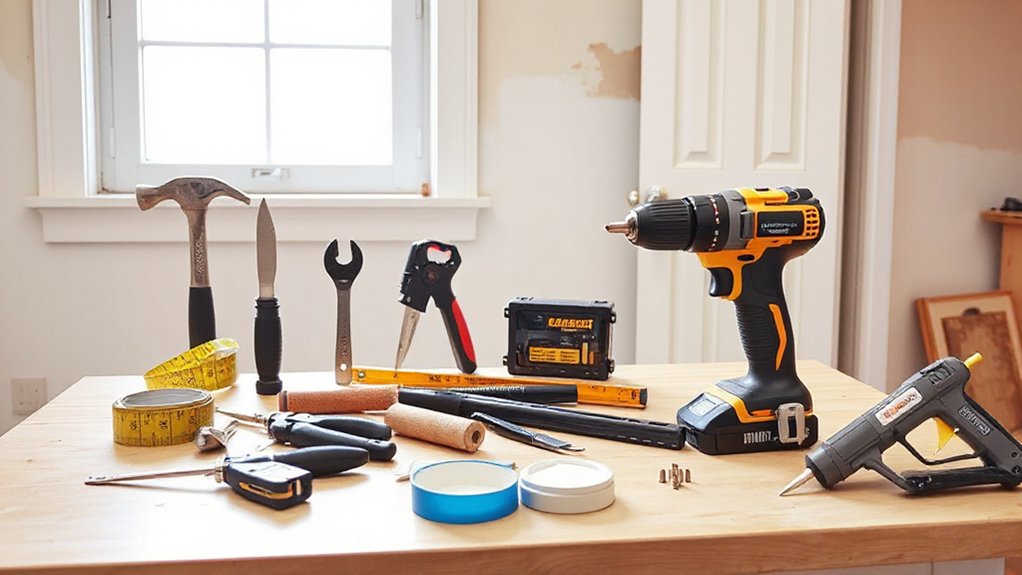
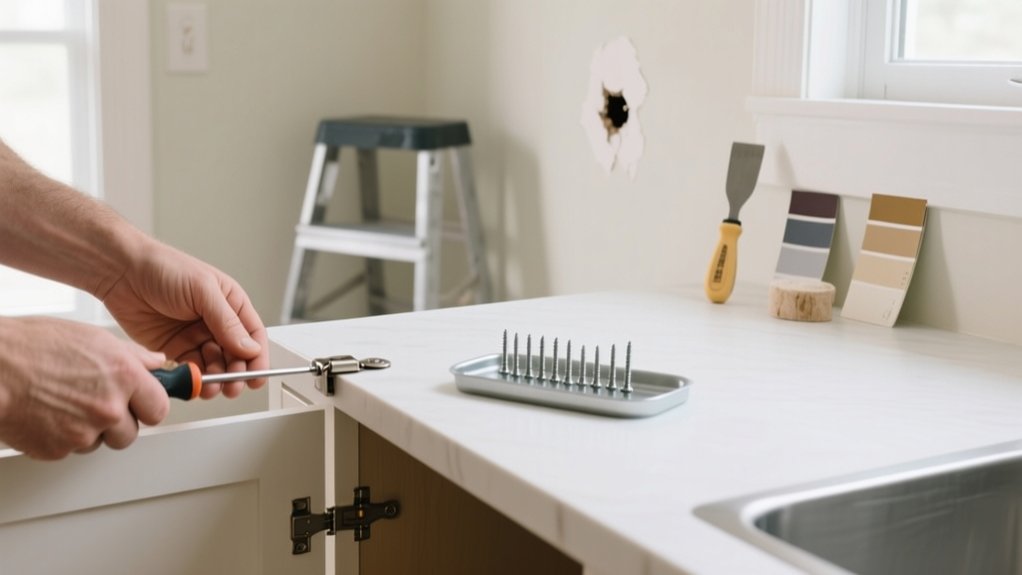
Although you can tackle plenty of minor jobs with just a screwdriver, you’ll get better results—and fewer bodged fixes—if you keep a small, reliable toolkit at home. Start with a claw hammer, tape measure, spirit level, utility knife, and an adjustable spanner, plus a set of Pozidriv and flat-head drivers for UK fixings.
Add combination pliers, a small socket set, rawlplugs and assorted screws, a junior hacksaw, and a stud/voltage detector for wall work. Keep a head torch for lofts and cupboards, and nitrile gloves for messy jobs.
Prioritise safety precautions: isolate power at the consumer unit, wear safety specs when drilling, and clamp workpieces.
Practise Tool maintenance by cleaning, drying, and oiling metal tools, and replacing blunt blades promptly.
Easy Home Repairs for Running Toilets and Faucets
When you hear a toilet quietly refilling or a tap that won’t quite shut off, you’re usually dealing with a worn valve, washer, or seal rather than a major plumbing failure.
For Toilet tank repairs, lift the cistern lid and check the float and fill valve: if the water level sits above the overflow, adjust the float down or replace the valve. If it still runs, swap the flapper/flush valve seal (cheap at Screwfix or B&Q) and clean limescale from the seat.
For Faucet leak fixes, shut off the isolation valves under the basin, open the tap to drain, then replace the O-ring or ceramic cartridge. Use PTFE tape on threaded joints and don’t over-tighten.
- Isolate water
- Replace seals
- Test, watch leaks
Unclog Slow Drains (and Prevent Clogs)
If your sink, shower, or bath starts draining slowly, you can usually clear it with simple tools and a bit of method rather than harsh chemicals. Put on gloves, lift out the plug or grate, and pull hair and sludge with a zip-it tool or bent wire.
Next, cover the overflow (if fitted) and use a plunger: short, firm pumps, then test flow.
For drain cleaning in kitchen sinks, remove and rinse the trap (bucket underneath), then refit and check for leaks.
Finish with a kettle of hot (not boiling) water and a squirt of washing-up liquid.
For clog prevention, fit a strainer, bin grease, and flush weekly with hot water.
Patch Wall Holes, Cracks, and Dings
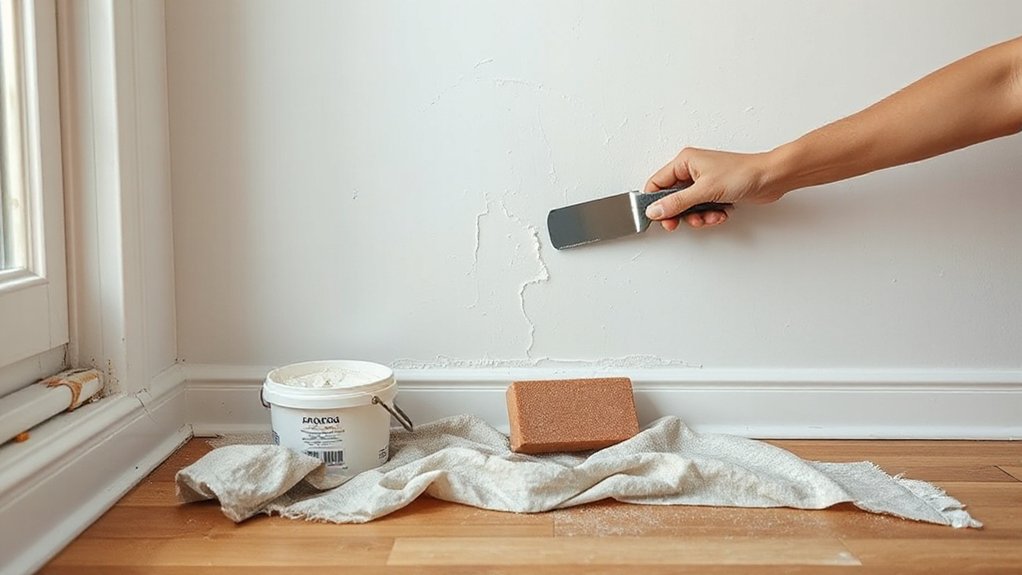
Even a small knock from a door handle can leave your plasterboard looking rough, but you can make it disappear with the right filler and a tidy approach. Start by scraping away loose paint, then lightly sand and dust off; a clean edge stops the patch from crumbling. Use these wall patching techniques for a flat finish:
- For nail holes and dings, press ready-mix filler in with a filling knife, then skim off excess.
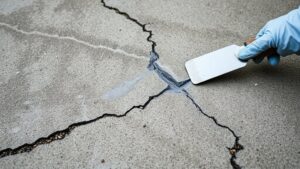
- For cracks, open them slightly with a scraper, apply flexible filler, and smooth along the line.
- For larger holes, fit a self-adhesive mesh patch, cover with filler in thin coats, and feather the edges.
Let it dry fully, sand flush, spot-prime, then touch up with matching emulsion. These drywall repair tips save repainting.
Fix Squeaky Doors, Hinges, and Sticky Locks
Why put up with a door that squeals or a lock that sticks, when the fix is usually a quick clean and the right lubricant? Start by tightening hinge screws with a Pozidriv driver; loose fixings cause most squeaks.
Clean hinge knuckles and strike plates with a dry brush, then apply door lubrication: a light machine oil for hinges, graphite or silicone for locks (avoid oil in cylinders as it attracts grit). Open and close the door to work it in, wiping drips to protect paint and carpets.
If the hinge is bent, cracked, or the pin won’t stay seated, do a hinge replacement with like-for-like sizes from Screwfix or B&Q.
For sticky latches, check the keep alignment and file lightly if needed.
Frequently Asked Questions
What Home Repairs Require a Permit or Licensed Professional?
You’ll need permit requirements or licensed professionals for structural changes, rewires, new circuits, boiler or gas work (Gas Safe), new drains, extensions, and some window replacements. You should also check Building Control and Part P notifications.
How Can I Find Hidden Water Leaks Behind Walls or Under Floors?
You can find hidden leaks by checking your water meter overnight, listening for hissing, and using a damp meter. For Detecting leaks, watch for Water damage signs: musty smells, staining, warped floors, peeling paint.
What’s the Safest Way to Shut off Electricity Before DIY Repairs?
First, you’ll flick your consumer unit’s main switch—then pause. For electrical safety, confirm the power shutoff with a two-pole tester at the circuit, lock off the breaker, label it, and don’t trust switch positions.
How Do I Match Existing Paint Colors and Wall Textures Accurately?
For Color matching, you’ll cut a small wall sample or peel paint, take it to B&Q/Decorating Centre for scan, and buy a tester. For Texture blending, you’ll replicate roller/brush, then feather, sand, and prime.
Which Repairs Should I Prioritize Before Selling My Home?
You’ll prioritise repairs that boost value fastest: fix damp, leaks, electrics, and wonky doors; refresh paint and flooring; then improve curb appeal and home staging. Zoopla suggests homes sell 25% faster when well-presented.
Conclusion
With a handful of basic tools in your kit, you’ve got the keys to your home’s little dramas. You can quiet a running loo, tame a dripping tap, and send slow drains on their way with a quick clean-out and simple prevention. Patch dents and cracks like you’re icing a cake, then silence squeaky hinges and free sticky locks with a touch of lubricant. Do these jobs now, and bigger bills won’t creep in later.