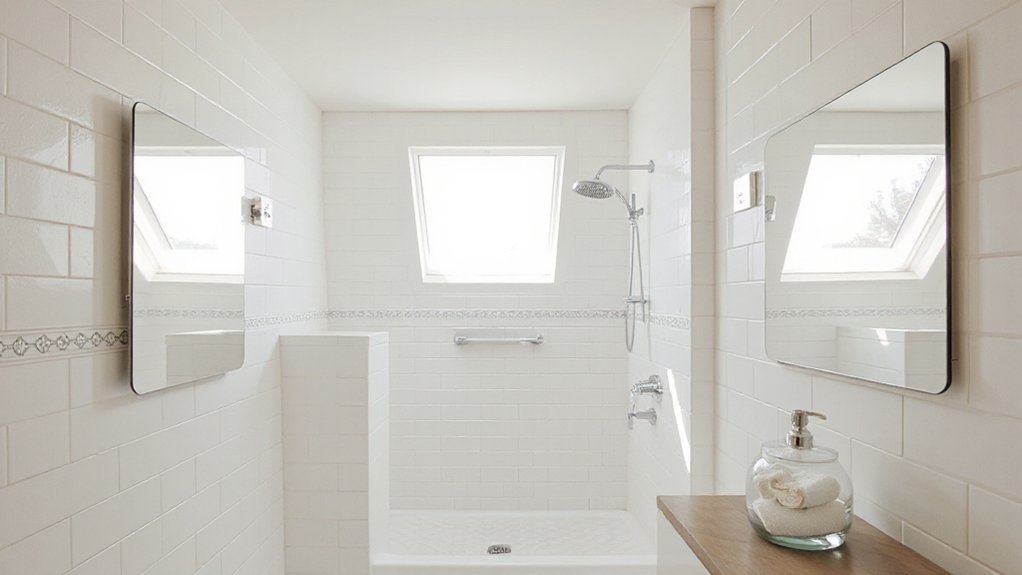
You can upgrade a bathroom without planning permission by focusing on non-structural changes, staying within the existing footprint, and using compliant fixtures. You’ll want to confirm local exemptions early, document every step, and keep drainage and load-bearing elements intact. This approach minimizes delays, but you’ll still need to verify codes and potential tweaks that could trigger permits—the path you choose affects what comes next.
Do You Need Permits? Quick Rules for Bathroom Updates
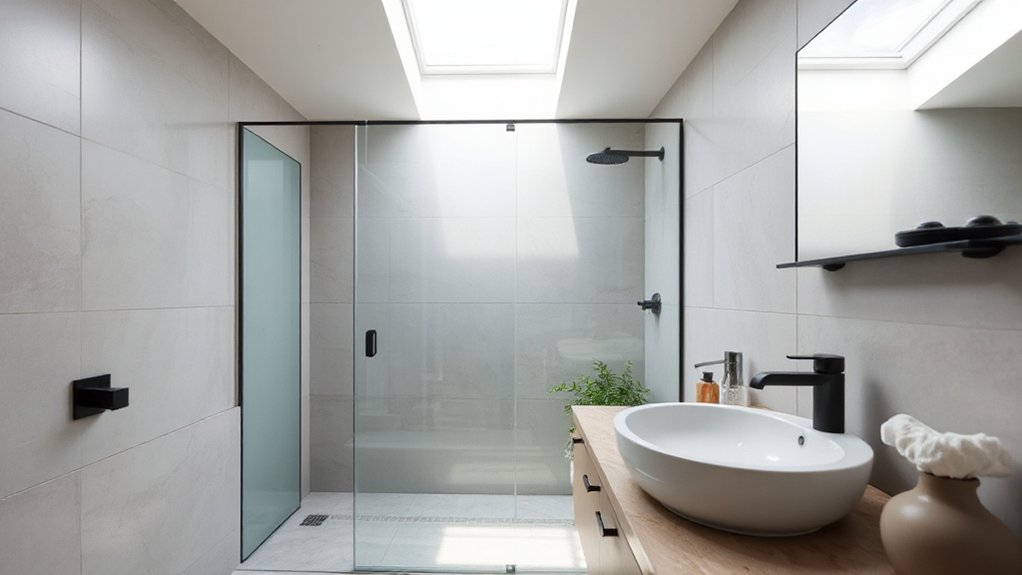
Permits aren’t always required for bathroom updates, but rules vary by location and project scope. You’ll typically find that minor cosmetic changes don’t need approvals, while structural or electrical work often does. Check with your local building department for thresholds on fixtures, plumbing reroutes, and lighting alterations.
Even if a permit isn’t required, you may need to file a notice or comply with minimum safety standards. Be ready to document scope, timelines, and contractors’ credentials.
For bathroom lighting, verify wiring meets code, GFCI protection near water sources, and age-appropriate placements.
Towel storage installations should avoid obstructing exits or ventilation.
If you’re uncertain, request a preliminary guidance check to confirm whether permits are necessary before you start.
How to Check Local Regulations Before You Start
Start by checking what changes are locally permissible, so you know what you can update without extra steps.
Identify jurisdictional thresholds—like size, scope, and impact—to see if you need approvals at all.
Then gather building authority contacts and use their guidance to plan your next steps.
Check Local Permissible Changes
Before you lift a hammer, check what changes your local rules permit. You’ll want a clear map of what counts as permissible alterations and what requires notification or permissions. Start with your council’s planning portal or planning officer contact, focusing on dwelling type, home improvements, and any other constraints for bathrooms.
Look for schedules that mention interior alterations, plumbing work, and ventilation upgrades to confirm what’s allowed without formal approval. Note any limits on footprint, height, or structural work, and be aware if adjacent properties or listed features trigger extra scrutiny.
For planning clarity, keep records of decisions and dates. As you plan, consider safe choices like Bathroom color schemes and fixture brands to guarantee compliance and ease of installation.
Identify Jurisdictional Thresholds
When you’re planning a bathroom upgrade, pinpoint the jurisdictional thresholds that trigger permissions or notifications before you start. You’ll want a clear map of where regulatory boundaries lie and what constitutes a minor alteration versus a project requiring formal approval.
Identify the official limits for room size changes, plumbing relocations, and electrical work, as these often affect your permitting expectations. Check whether retroactive notices apply if you already began work.
Note any exemptions for non-structural changes, cosmetic upgrades, or permits-by-notice programs. Document which authority governs your area, since thresholds vary by municipality, county, or region.
Align your plan with these limits to avoid unplanned orders, fines, or work stoppages. Always corroborate thresholds with the published local guidance and, if needed, seek quick clarifications.
Consult Building Authority Contacts
Consulting your local building authority early helps confirm which regulations apply to your bathroom upgrade. You’ll want contact details, hours, and the specific guidance for renovations in your area. Start by identifying the correct department—building control or planning—and verify whether your project triggers permits or inspections.
Ask about required drawings, submission formats, and the timeline for reviews so you can align schedules with trades. Gather your planned scope, fixture elevations, and ventilation details to streamline discussions.
Note any regional building codes or amendments that affect wet areas, electrical, or moisture barriers. Seek contractor advice on acceptable materials and installation methods, then confirm adopted standards.
Keep records of all correspondence to avoid misinterpretations and ensure compliant, safe execution.
Layout Tweaks That Don’t Require Permits
You can adjust the layout within the box of permitted design changes to improve flow, storage, and accessibility. Consider small tweaks to door swings, fixture placement, and mirror height that stay inside established guidelines.
We’ll outline which options are typically allowed and where you should confirm specifics with local rules before you start.
Tweak Layout Options
Small layout tweaks can improve flow without triggering permits, but you still must stay within permitted dimensions and room functions. You’ll reconfigure what exists, not move walls, so focus on efficient line runs and clear zones.
Prioritize universal paths between entry, toilet, sink, and shower or tub to minimize congestion. Consider swapping a compact vanity for a deeper unit only if door swings and plumbing alignments stay within code.
Use vertical storage to free floor space and preserve accessible movement. When planning, respect fixture footprints and door swings to avoid overlap with plumbing walls.
This approach supports Bathroom aesthetics and Fixture upgrades without creating new compliance risks. Document any nonstructural changes for your records and verify that local guidance aligns with the intended layout refinements.
Permitted Design Adjustments
Permitted design tweaks let you refine the bathroom layout without triggering planning permissions, as long as you stay within approved fixture footprints and door swings. You focus on practical rearrangements that don’t alter structural elements or violate clearances.
Choose layout tweaks that preserve plumbing accessibility and allow service access without moving cores or changing wall positions. When reconsidering bathroom fixtures, prioritize standard sizes and manufacturer layouts to minimize compliance risk.
Verify that any reorientation respects existing plumbing regulations, especially where pipes run beneath floors or within walls. Document proposed changes for your records, and consult the local authority if you’re unsure.
Keep critical clearances; avoid oversized fixtures that encroach on passage or ventilation. These adjustments maintain efficiency while avoiding permit needs.
Budget Fixtures That Comply With Codes
Budget fixtures that comply with codes save you money without risking permits or penalties. When choosing fixtures, verify compliance ratings and local standards before you buy. Look for products labeled for bathroom use and water resistance, and check that fittings meet minimum efficiency and safety specs to avoid recalls or enforcement actions.
Prioritize straightforward installation guides and universal sizing to reduce labor costs. For Bathroom flooring, select water-resistant materials that meet slip-resistance and wet-area requirements, ensuring impermeable joints and correct underlayment.
For Vanity upgrades, choose units with integrated splash zones and compliant fasteners, so you don’t need extra sealing or permits. Maintain documentation and manufacturer spec sheets for code verification during inspections.
Plan simple, modular upgrades to minimize disruption and future maintenance.
Ventilation and Moisture Controls You Can Install Safely
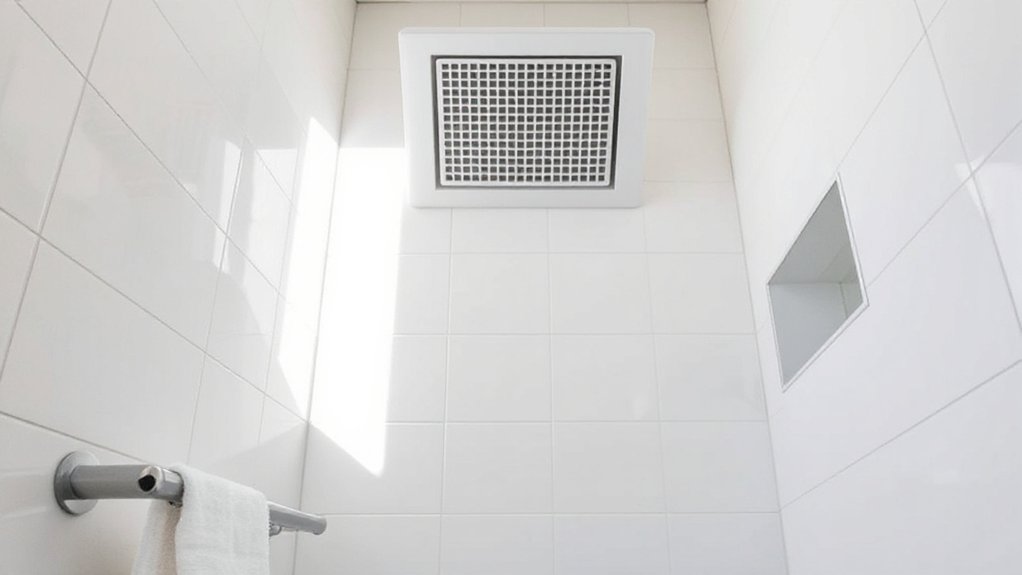
Ventilation and moisture controls can be safely installed without triggering permit requirements if you follow basic code guidelines and choose ready-to-install options.
Start by selecting a compliant exhaust fan with the correct CFM rating for your bathroom size, and guarantee ducting is smooth, short, and vented to the outdoors. Seal joints and connections to minimize leakage, using foam sealant or metal tape as appropriate.
Install moisture barriers at walls and ceiling where humidity is highest, and verify that blackout or anti-condensation features are present in colder climates.
Prioritize Airflow optimization by positioning vents away from corners and confirming unobstructed air paths.
Document product manuals and install notes for future inspections. These steps reduce mold risk and support long-term bathroom reliability.
Plumbing Changes Within Permit Limits
Are plumbing changes in a bathroom truly within reach of permit limits, or do you need a quick check against local codes first? You’ll typically handle non-structural piping swaps, fixture replacements, and limited reconfigurations without permits, as long as you don’t alter water supply lines that affect other units or modify drainage layout beyond existing sanitary lines.
Confirm outlet, trap, and vent adjustments meet code distances and ventilation requirements, and avoid enlarging waste stacks or rerouting main lines. Keep this practical: choose compliant fixture options, verify proper sealing, and document changes for inspections.
This approach supports bathroom aesthetics while you pursue Water conservation goals. If unsure, pause and consult your local authority—precise limits vary, and a quick review saves revisions later.
Leak-Free Storage Solutions for Small Bathrooms
You can maximize space and keep water away from your fixtures with slim corner shelves and built-in niche organizers. Think compact, water-resistant designs that fit tight corners and reduce clutter while staying compliant with moisture and safety guidelines.
Start by evaluating available corners and niches to guarantee leak-free installation and easy maintenance.
Slim Corner Shelves
Slim corner shelves maximize storage in small bathrooms by using tight wall space without intruding on floor area. Install shelves at appropriate heights to keep towels, toiletries, and cleaners reachable while maintaining clearance at doors and around sinks.
Choose moisture-resistant materials and finishes to prevent warping and mold growth; confirm joints are sealed to avoid leaks behind tiles. Use brackets or a corner-recessed design that supports weight without sagging, and verify wall studs for secure mounting.
Plan placement to avoid interference with plumbing vents or electrical outlets, and comply with local safety guidelines. Consider decorative accents and color schemes to harmonize with existing fixtures, improving perceived space without adding clutter.
Opt for reversible fittings when possible to simplify future renovations.
Built-In Niche Organizers
Built-in niche organizers provide leak-free storage by embedding recessed shelves directly into bathroom walls, saving surface space while keeping essentials within reach. You fit these into compact baths without crowding patterns of movement, so daily routines stay smooth.
Choose water-resistant materials and reliable seals to prevent moisture intrusion, and align shelves with studs for sturdy hosts of bottles and towels. Plan their depth to avoid bumping elbows or doors, and label zones for quick access.
In small bathrooms, niche organizers minimize clutter by combining storage with decor, yet stay compliant with bathroom regulations on ventilation and moisture control. Install clear liners and easy-access cutouts for cleaning, and ensure hardware is corrosion-resistant.
Built-in solutions streamline layouts, enhancing function while preserving floor area. Niche organizers optimize space intelligently.
Lighting and Aesthetics That Stay Within Rules
When selecting lighting for a bathroom upgrade that stays within rules, start with compliance in mind: choose fixtures and placements that meet local electrical and planning standards, and avoid alterations that trigger extra permissions.
You’ll prioritize moisture-rated fittings, sealed IP ratings suitable for bathrooms, and avoid retrofitting mains feeds where not allowed.
Plan zones correctly: ceiling ambient lighting for general use, task lighting near mirrors, and minimal decorative lighting that doesn’t alter structural elements.
Opt for dimmable, energy-efficient LEDs to reduce heat and power draw, ensuring compatibility with bathroom circuits.
For aesthetic upgrades, select finishes that resist humidity and maintain a cohesive look with existing fixtures.
Focus on consistent color temperature and glare control to preserve a calm, functional space.
Bathroom lighting choices should enhance practicality while staying regulation-friendly.
DIY Steps to Finish Fast and Legally
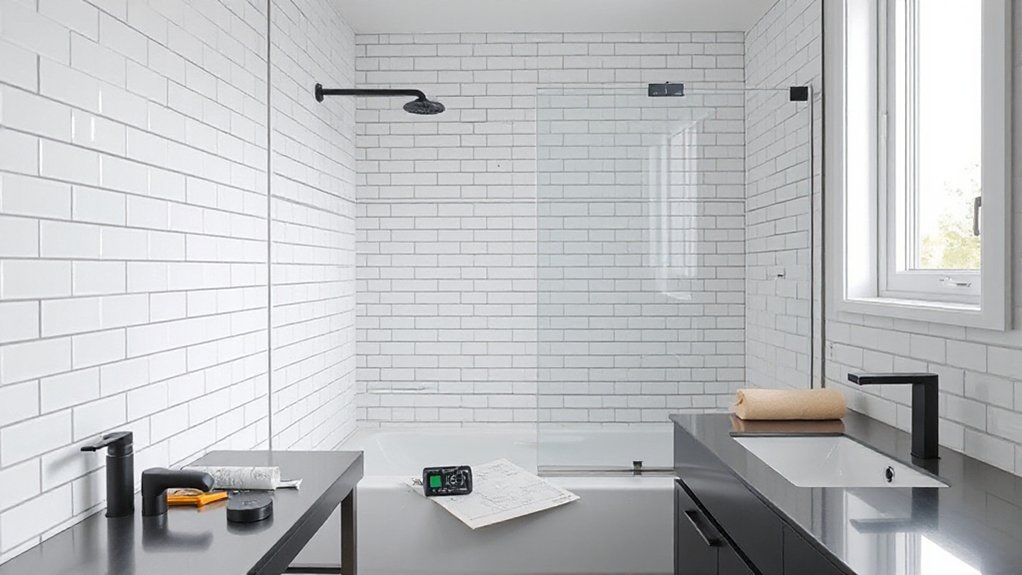
To finish fast and legally, map out a tight, step-by-step plan that aligns with local rules before you pick tools or start hacking.
First, define your Bathroom remodeling goals, budget, and acceptable changes.
Check whether fixtures or routing require approvals, and note any electrical or plumbing constraints that trigger permits.
Create a realistic timeline, listing non-negotiables and buffer periods for inspections.
Source compliant materials, prioritizing moisture resistance and fire-safe finishes.
Maintain a clear record of receipts, warranties, and compliance certificates to prove legal compliance if challenged.
Execute changes in logical order: demote unnecessary alterations, upgrade essential components, then finalize with finishes.
Avoid overhauls that trigger permit thresholds; keep scope contained and document any deviations.
Regularly recheck rules to prevent costly, last-minute adjustments.
Documenting Approvals and Common No-Permit Mistakes
Documenting approvals is as essential as the work itself, because missing or vague permits can bite you later. You’ll keep a clear trail by recording every consent, notice, or exemption you relied on. Start with the project scope, then attach relevant drawings, dates, and authority references.
If you relied on historical regulations or permitting exemptions, note how they apply to your bathroom upgrade and any conditions you satisfied. Maintain copies of notices, inspection reports, and endorsement stamps, and store them in an accessible, organized file.
Anticipate questions from neighbors or building officials; pre-empt misunderstandings with precise language and dates. Review changes against current rules, as requirements shift over time.
This diligence reduces audit risk and supports compliance without penalties.
Frequently Asked Questions
Can I Upgrade Fixtures Without Affecting Mains Pressure or Waste Runs?
Yes, you can upgrade fixtures without affecting water pressure or waste runs if you choose compatible, compact fittings and avoid rerouting mains; monitor flow with low-restriction taps, and plan minimal Waste rerouting to maintain stable water pressure.
Do Vent Fan Upgrades Require Any Electrical Permit or Switch Type?
Upgrading a vent fan can be quick, but yes— Electrical permits may apply, depending on local codes, and you’ll check Switch compatibility. You’ll verify wiring, labeling, and safety. Follow regulations, plan permits, and maintain compliant, reliable operation.
Are Cosmetic Tiling Changes Exempt From Permit in Bedrooms Adjacent Bathroom?
Cosmetic tiling changes in bedrooms adjacent a bathroom are generally non-structural and don’t require permits; you’ll still need to follow local electrical and plumbing fixture codes for bathroom lighting and plumbing fixtures, especially near wet areas.
Can I Relocate a Sink or Toilet Within the Same Room Without Permits?
Yes, you can relocate within the same room, but check plumbing regulations and make certain fixture compatibility; expect permitting if changes affect drainage or venting. Verify codes for fixture spacing, trap sizes, and accessible clearances before proceeding.
What Safety Checks Ensure Non-Load-Bearing Wall Changes Stay Compliant?
To keep things smooth, you’ll confirm Structural integrity and follow Building regulations. You should perform careful non-load-bearing wall checks, verify stud placement, guarantee concealment access, and maintain compliant offsets, moisture barriers, and fire-stopping to avoid regulatory missteps.
Conclusion
You glide into a refreshed bathroom, like sunlight stepping through misted glass. No permits needed, yet every tile sits firm, every vent hums in harmony with code. You mapped the space, kept to its footprint, and kept the old walls intact while new fixtures sparkle. Your checklist is a trusted compass—documented, compliant, practical. When questions arise, you’re ready with approvals and manufacturer specs. The result: a safer, brighter retreat that respects rules as tightly as it does your budget.