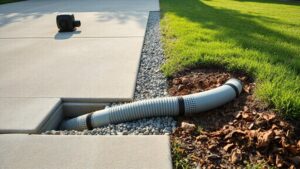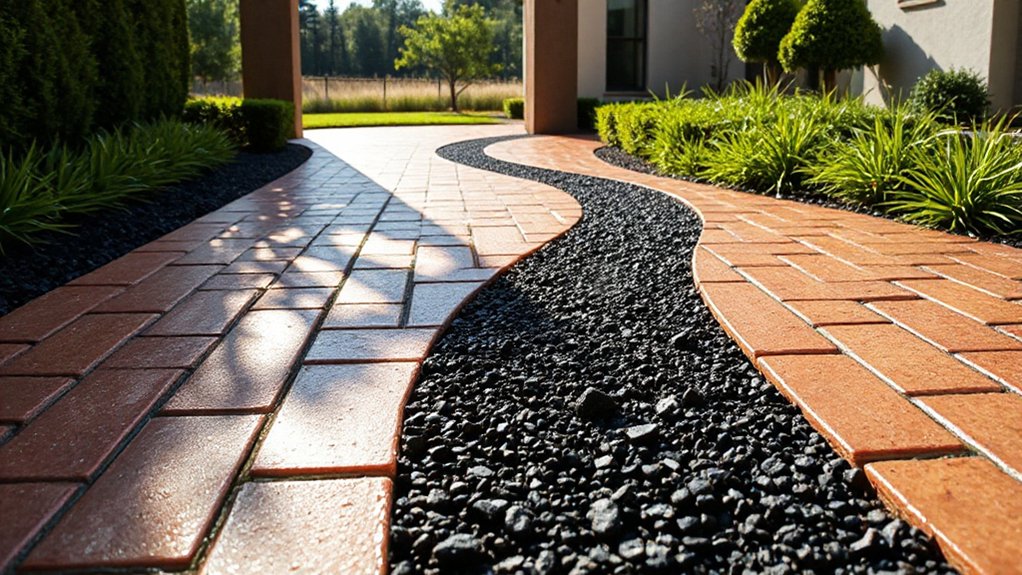
You may not realize that a permeable driveway can reduce runoff by letting rainwater soak through, recharging groundwater instead of pooling on your property. You’ll weigh porous pavers, turf, gravel, and permeable concrete for both function and curb appeal, keeping maintenance practical and costs transparent. As you consider lot size, climate, and aesthetics, a smarter choice emerges—one that fits your eco goals and daily routines, with long-term benefits that merit careful planning and a clear comparison.
What Makes a Permeable Driveway Eco-Friendly?
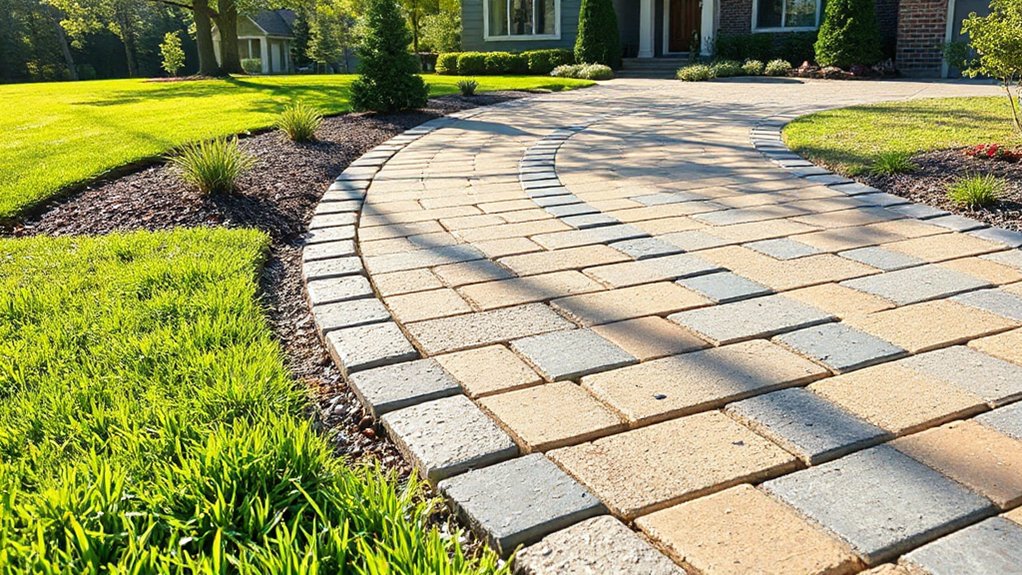
Permeable driveways are eco-friendly mainly because they manage rainwater where it falls, reducing runoff and recharging groundwater. You’ll see results through design choices that slow, absorb, and filter precipitation before it leaves your property.
Sustainable materials matter most: permeable pavers, porous asphalt, and gravel setups keep surfaces structurally sound while letting water percolate. The environmental benefits extend beyond flood reduction; better infiltration lowers heat islands, supports urban greenspaces, and curbs pollutant transport to streams.
You can quantify impact with simple metrics: infiltration rate, porosity, and longevity. Choose products tested for high permeability and load tolerance, and verify installation standards to maintain performance.
Porous Pavers, Turf, and Gravel: Pros, Cons, and Uses
Porous pavers, turf, and gravel each offer a distinct balance between stormwater management, cost, and maintenance, so choosing hinges on site goals and traffic needs. You’ll evaluate drainage performance, load ratings, and upkeep cycles to match your driveway’s function.
Porous pavers provide modular durability with varied materials, while turf offers high infiltration and softer aesthetics but requires active root-zone management.
Gravel excels in simplicity and self-healing drainage yet demands periodic raking and edging.
Innovative material options—permeable concrete, recycled aggregates, and geocells—expand design flexibility without sacrificing performance.
Aesthetic design considerations matter: color, texture, and pattern influence curb appeal and long-term satisfaction.
Balance upfront costs with long-term savings on flooding risk, maintenance, and replacement cycles to optimize overall lifecycle value.
Key Installation Essentials by Lot Size
When planning permeable driveways by lot size, start by aligning the installation scope with space constraints, typical traffic loads, and subgrade conditions. Your approach should map expected vehicle turns, loading, and drainage needs to the underlying soil profile, ensuring adequate compaction and embedment depth for chosen materials.
For small lots, prioritize permeable pavers with tight joints and strong edge restraints to maintain surface integrity. For larger lots, modular systems can scale with runoff capture requirements.
Consider climate-related infiltration rates and seasonal freeze-thaw risks to select durable options. Sealing options should balance permeability with surface protection, while lighting considerations must avoid glare and preserve night-sky practices.
Document performance benchmarks, maintenance windows, and inspection intervals to sustain reliable, eco-friendly throughput.
Cost, Maintenance, and Water-Savings Tips
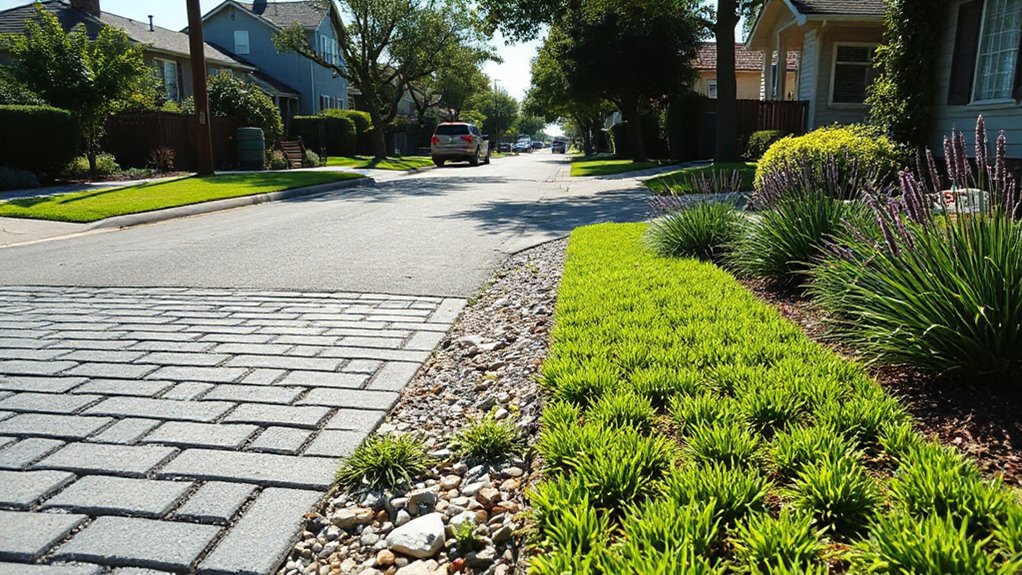
To maximize value and longevity, focus on cost-effective choices, routine maintenance, and water-saving practices that pay back over time. You’ll save by selecting permeable pavers or porous asphalt with proven lifespan, then budgeting for periodic cleaning and trench checks.
Schedule seasonal inspections, clearing debris to preserve infiltration rates and reduce runoff. Use native, drought-tolerant plants around edges to minimize irrigation needs and create a wildlife habitat that enriches your landscape.
Rainwater harvesting systems can lower mains usage; if you install a barrel or micro-catchment, factor into your maintenance routine with filter checks and overflow testing. Monitor infiltration performance after heavy storms and reseal joints as recommended.
Document water savings to track payback and justify upgrades over time.
How to Choose by Climate and Aesthetics
Choosing permeable driveway options that suit your climate and look right with your home starts with matching performance to weather patterns and aesthetic preferences. To pick wisely, evaluate local climate demand: freeze–thaw cycles, rainfall intensity, and heat exposure affect infiltration rates, substrate stability, and longevity.
Compare materials by porosity, strength, and maintenance needs, then map them to your climate adaptation goals. For arid or hot regions, prioritize heat-dissipating finishes and reflective colors to reduce heat gain while maintaining curb appeal.
In wet climates, favor surfaces with strong drainage paths and robust voids to prevent ponding and moss growth. Align choices with your home’s architectural language for aesthetic harmony, ensuring color and texture complement existing features.
This approach balances performance data with eco-conscious design, supporting durable, low-impact outcomes.
Frequently Asked Questions
How Long Does a Permeable Driveway Last Before Replacement?
A permeable driveway typically lasts 15–40 years, depending on material and maintenance. You’ll reduce damage with regular sealing and debris removal. Maintenance requirements include vacuuming joints and regrading if needed; cost considerations hinge on material and installation.
Can Permeable Driveways Support Heavy Vehicle Traffic?
You’ll need driveway reinforcement to handle heavy vehicle impact; permeable designs can work, but expect limited loads and potential damage. Use reinforced subbase, load-rated grids, and professional evaluation to align with eco-conscious, data-driven goals.
Do Permeable Surfaces Require Special Sealing or Coatings?
Sealing requirements vary, but you don’t need heavy coatings on most permeable surfaces; use manufacturer guidance. You’ll prioritize surface maintenance with gentle cleaners and resealing as needed, guided by data on performance and eco impacts.
Are There Local Permits or Codes for Permeable Driveways?
Yes, you’ll need to check local regulations and permit requirements for permeable driveways. You should consult your city or county, review zoning codes, and secure approvals before installation to guarantee compliance and avoid fines or project delays.
How Do Permeable Options Affect Property Resale Value?
Permeable options can raise resale value by showcasing environmental benefits and reduced runoff, while boosting curb appeal. You’ll attract eco-conscious buyers, enjoy stronger case for tax incentives, and preserve aesthetics; data show healthier landscapes complement low-maintenance design.
Conclusion
You’ll maximize moisture management, minimize marginal runoff, and marvel at multipurpose beauty. With porous paving, turf, and gravel, you’re choosing climate-smart, cost-conscious conservation. Crunch the numbers, compare costs, and chart maintenance needs; match materials to lot size, load, and local laws. You’ll reap reliable rainwater recharge, reduced heat, and resilient aesthetics. Stay skeptical, scenario-test seasonal shifts, and scale sustainably. In short, select substructure and surface wisely, safeguard soils, and savor steady, smart, sprightly stewardship. Eco-friendly you, empowered always.