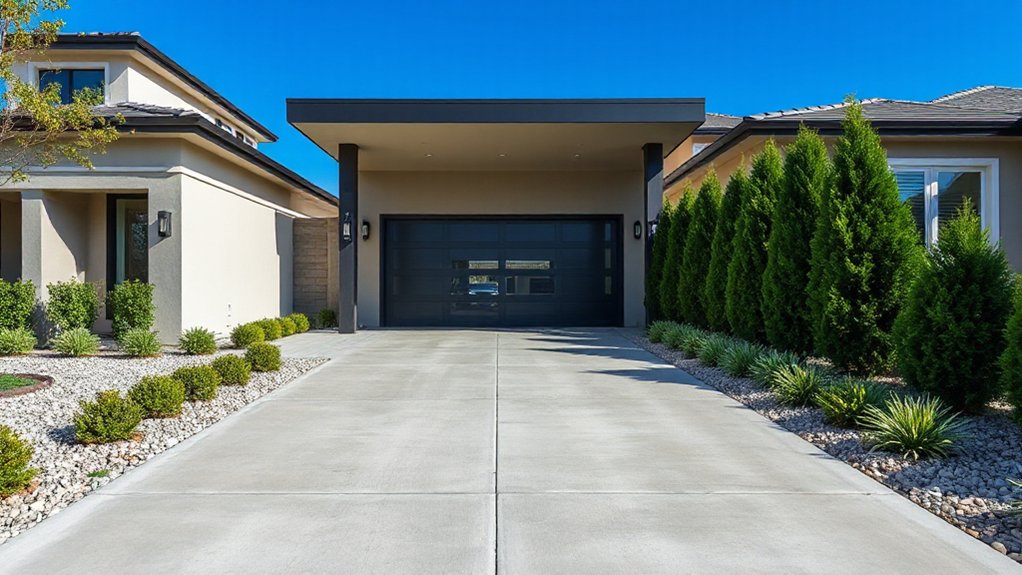
Modern driveways hinge on clean lines, durable materials, and smart drainage to boost curb appeal. You’ll opt for geometric layouts, subtle textures, and a cohesive color palette that complements your home’s architecture, while strategic lighting highlights key features. Consider permeable surfaces for eco-friendly runoff and phased upgrades to manage budget. With careful grading and understated accents, you’ll transform the approach into a welcoming, modern entrance—but the next step may reshape more than just the driveway.
Define Modern Driveway Goals for Curb Appeal
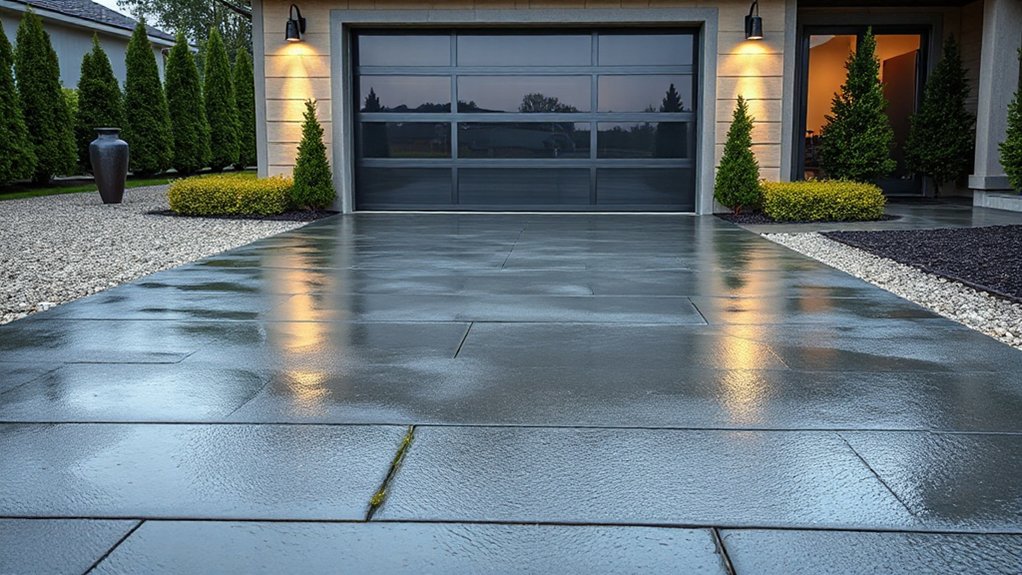
Defining modern driveway goals starts with what you want curb appeal to say about your home and how you use the space. You’ll map impressions first: a clean line, a welcoming center, and a path that guides without shouting.
Consider how architectural style informs color, texture, and scale, ensuring harmony with surroundings. Your goals should include functional zones for guest parking, delivery access, and pedestrian safety, all while minimizing maintenance.
Embrace artistic expression by layering subtle texture, perhaps exposed aggregate or subtle edging, to add interest without clutter. Weigh historical influences to honor period detailing so the drive echoes the neighborhood’s character.
Prioritize lighting, drainage, and plant integration for year-round curb appeal that remains practical and timeless.
Choose Durable, Stylish Driveway Materials
Choosing durable, stylish driveway materials starts with balancing endurance with curb-appeal impact; you’ll want surfaces that withstand weather, heavy use, and time, while still echoing your home’s character.
Start with concrete pavers for clean lines and resilience, then consider stamped patterns to boost visual interest without sacrificing longevity.
Asphalt remains budget-friendly for practical wear, but seal coats extend material longevity and reduce cracking.
Natural stone lends textures that frame architecture, though it demands proper installation and maintenance.
Composite or permeable options can blend durability with low maintenance, depending on climate.
Routine driveway cleaning keeps surfaces looking fresh and prevents staining that undermines impact.
Prioritize edge-to-edge compatibility, drainage, and substrate stability to maximize life span and curb-appeal consistency.
Evaluate Permeable Paving for Eco-Friendly Drainage
Permeable paving offers a practical path to eco-friendly drainage by letting water infiltrate rather than run off your driveway. You evaluate options by considering material porosity, structural support, and maintenance needs.
Porous concrete, permeable asphalt, and interlocking permeable pavers each offer different infiltration rates and load capacities, so match them to your driveway’s anticipated traffic and climate. Look for products with certified percolation tests and integrated sub-base designs that promote filtration and storage, not overflow.
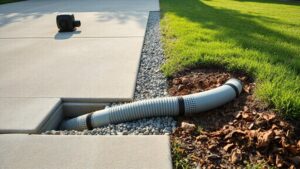
Installation matters: guarantee proper trench drains, elevation, and compaction to prevent clogging and surface settling. For upkeep, plan regular sweeping and occasional pressure washing to prevent soil ingress.
With the right choice, you achieve reliable eco friendly drainage while preserving driveable aesthetics and year-round usability. permeable paving, eco friendly drainage.
Implement Clean Lines With Geometric Driveway Layouts
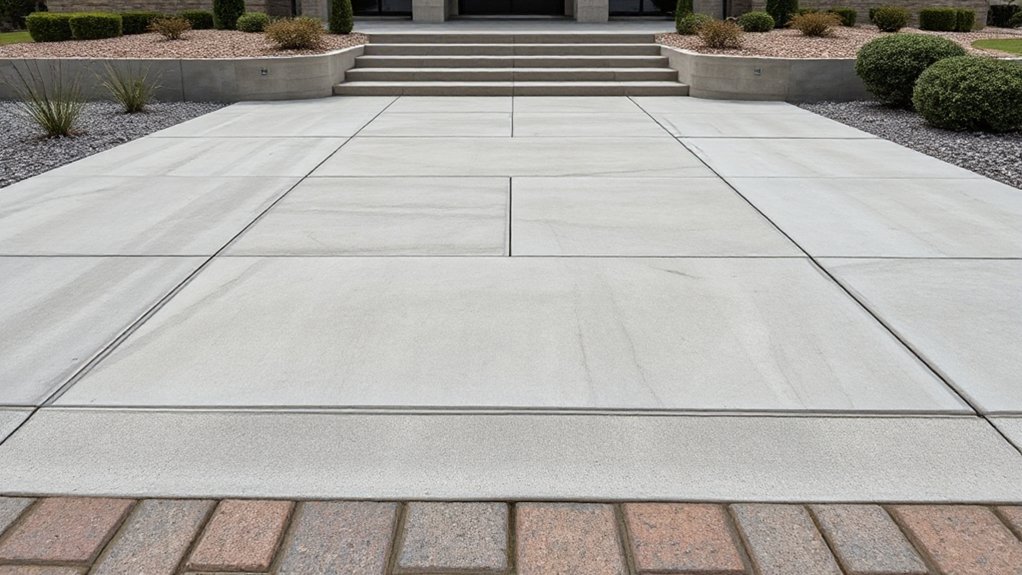
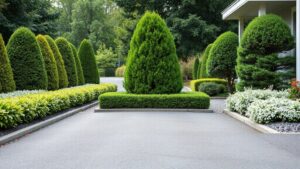
Clean lines sharpen any driveway’s look, and geometric layouts are a practical way to guide traffic while maximizing curb appeal. You design with crisp edges, angle, and symmetry to create a polished entrance that reads as intentional.
Start with a simple central axis or parallel bands, then add secondary lines to define zones for parking, turning, and pedestrian access. Use contrasting materials or colors to emphasize edges without clutter.
Integrate artistic patterns sparingly to avoid visual noise, reserving them for focal points like the threshold or a main forecourt. Consider custom inlays in key intersections where wheel tracks repeatedly form.
Choose durable pavers or stamped concrete in subdued hues to maintain a modern, timeless feel. Finish with proper edging and drainage to preserve clean lines after seasonal shifts.
Light Driveway for Architecture and Safety
Light driveways aren’t just about looks; they also shape how you move through the space and how safe you feel after dark. You’ll want lighting that highlights architecture while guiding steps, turns, and entry points with clarity.
Choose layered lighting: path lights at ground level, wall washes to emphasize architectural features, and low-profile LEDs along edges for subtle glow. Prioritize even illumination to minimize shadows near the driveway’s corners and approach.
Focus on durability and energy efficiency—solar meters, timed sensors, and warm white tones create inviting yet practical ambience. Integrate lighting design with landscape accents to prevent glare on windows and driveways.
Safety features include motion-activated lighting at the garage and well-lit egress routes, ensuring secure nighttime navigation.
Edge and Bed Maintenance That Delivers
Edge and bed maintenance isn’t just about curb appeal; when you stay on top of it, you prevent weeds, control erosion, and keep planting seams tidy around the driveway. You’ll establish clean edges with a sharp trimmer or edging shovel, then regrade where necessary to maintain a slight slope away from pavement.
For edge maintenance, install a durable edging material to reduce grass intrusion and mulch spillage. In bed upkeep, mulch consistently to suppress weeds and conserve moisture, choosing a color that complements the driveway surface.
Apply compost or slow-release fertilizer as needed, and prune back overgrowth to preserve sightlines and airflow. Schedule seasonal inspections, replace damaged stone or pavers promptly, and document updates for long-term curb appeal.
Integrate Driveway With Drive-By Landscaping
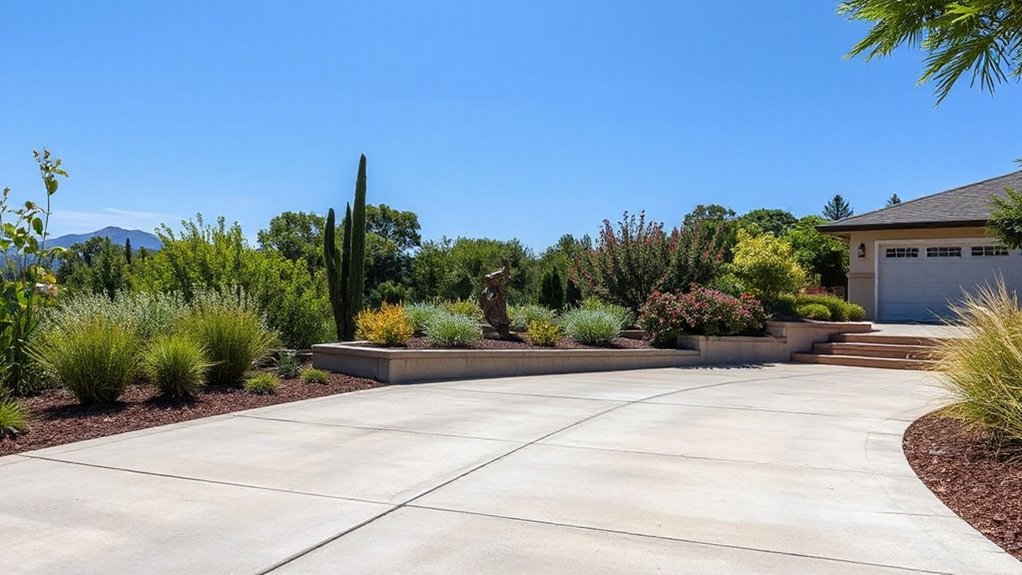
You’ll want seamless landscape integration that blends your driveway with the surrounding beds, so it reads as one cohesive curb appeal. Use seasonal color accents along the edges to create year-round interest without harsh contrasts.
This approach keeps the look fresh and modern while guiding eyes along the path naturally.
Seamless Landscape Integration
To achieve a seamless look, blend the driveway with surrounding plantings and hardscape features so the shift from road to yard feels natural rather than abrupt. You’ll create flow by mirroring materials and textures—soft, layered greenery guiding the eye toward the entry, and a cohesive edge where lawn meets paving.
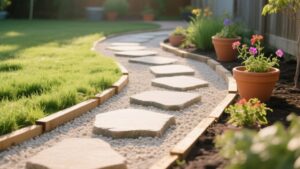
Use low-maintenance plantings that echo curbside tones and scale, so you don’t interrupt sightlines or parking space. Integrate a subtle transition strip of gravel or decomposed granite to soften seams between surfaces while preserving wheel-clearance.
Consider Garage landscaping near the entrance to reinforce the connection between house and drive. Plan for durability with driveway sealing at year’s end, preventing weathering that breaks the harmonious look.
Prioritize clean lines, consistent grading, and thoughtful focal points for timeless curb appeal.
Seasonal Color Accents
Seasonal color accents can refresh your driveway’s look without sacrificing its seamless integration with landscaping. You’ll select bold, yet temporary, plantings that pair with your home’s exterior and hardscape tones.
Choose driveway plantings that rise gradually along edges or create soft, living borders, keeping sightlines clear for vehicles. In spring, bulbs and daffodils spill cheerful color; in summer, low-hedge accents and ornamental grasses add texture without blocking access.
Fall brings coppery mums and grasses that echo autumn foliage, while winter features evergreen fillers for year-round structure. Use repeated clusters to reinforce rhythm and avoid visual clutter.
Maintain tidy margins, prune regularly, and ensure irrigation reaches both plantings and edging. Seasonal color accents should enhance, not compete with, the driveway’s clean, welcoming profile.
Use Subtle Color and Texture to Wow
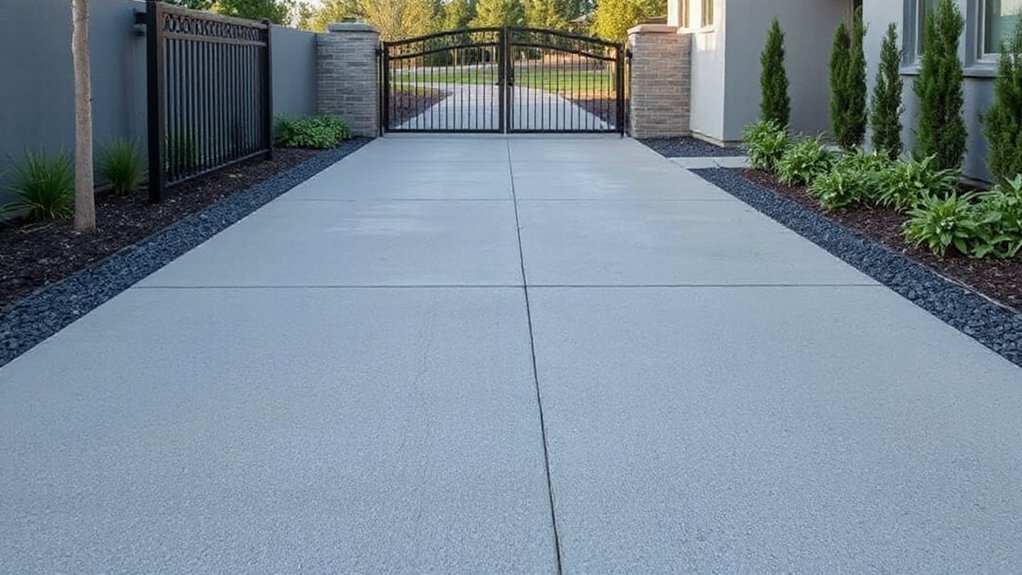
Because the right mix of color and texture can transform a curb appeal from simple to striking, start by selecting a cohesive, low-contrast palette that complements your home’s architecture. You’ll create visual depth with subtle hues that echo exterior materials, avoiding loud clashes.
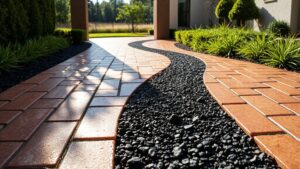
Use textural contrast to add dimension: pair smooth, paved surfaces with lightly textured edging, or introduce a matte aggregate finish beside polished concrete. Keep lines clean and progressions deliberate, so the eye travels naturally toward architectural focal points.
Use accessories—planters, shutters, or fencing—in one or two restrained tones to unify the look. Prioritize durability and maintenance: choose fade-resistant tints and sealants, reapplying as needed to maintain restraint and sophistication.
Your driveway should feel deliberate, cohesive, and timeless.
Drainage and Grading Basics for Performance
Ensuring proper drainage and grading isn’t optional—it directly affects longevity and performance. You’ll want a slight slope away from structures, typically 2 to 3 percent, so water sheds rather than pools. Check compaction and subgrade stability before paving; soft spots invite cracks and erosion.
Use edging or curbs to channel runoff, preventing washouts across driveways and sidewalks. When selecting driveway materials, choose permeable options that align with grading to reduce standing water while meeting aesthetics.
Incorporate drainage in landscaping adjacent to the path, and verify that grading won’t divert water onto neighboring properties. Lighting solutions along the edges improve visibility and deter trip hazards at night without creating glare.
Maintain clear drainage paths, and plan seasonal inspections to preserve long‑term performance and curb appeal.
Plan Budgeting and Phased Upgrades for Modern Appeal
You’ll plan a phased rollout to align upgrades with budget and seasonal priorities, starting with the most impactful, curb-friendly changes.
Set a clear budget by phase, define milestones for each upgrade, and track costs against timelines to stay on target.
This approach keeps your modern driveway ideas practical, scalable, and visually cohesive as progress unfolds.
Plan a Phased Rollout
A phased rollout makes upgrading your driveway manageable and cost-effective, letting you spread costs and see results early. You’ll plan upgrades in logical steps, starting with foundational improvements like sump, drainage, and surface prep.
Then layer features that improve curb appeal over time. Set clear milestones aligned with seasons and contractor availability so you stay on track without overspending.
Prioritize elements that deliver the biggest visual impact first, such as edging, lighting, and a refreshed finish, and reserve budget for mid- and long-term upgrades that add texture and character.
Consider Historical preservation and Cultural significance when selecting materials and patterns to honor neighborhood heritage while maintaining modern durability.
Document decisions, track expenses, and adjust timelines as needed for a smooth, incremental transformation.
Budget With Phases
To manage a modern driveway upgrade, outline a phased budget that aligns with your plan from the prior steps.
Start with a clear baseline for essential elements: base prep, drainage, and durable pavement.
Allocate funds for vintage charm touches—accent borders, decorative gravel, or a small stamped pattern—to create instant character without overhauling structure.
Prioritize rustic materials that balance cost and longevity, such as permeable pavers or modular concrete with a natural texture.
Create a prioritized list of upgrades, assigning each a target cost and a rough timeline.
Build in a contingency—typically 10%—for hidden site conditions.
Track progress weekly, compare actuals to estimates, and adjust the scope only when necessary.
This phased approach keeps your project predictable and stylish.
Track Upgrades Milestones
How can you keep your budget and schedule on track as upgrades roll in? You map milestones to concrete outcomes, then track cost versus value at each phase.
Start with a baseline: core driveway upgrades, followed by garden pathways integration, then signage updates. Allocate a sensible contingency—typically 10–15%—to cover surprises without derailing timing.
Use a phased schedule that aligns with material lead times, permits, and contractor availability, so you don’t stack high-impact tasks concurrently.
Document decisions, changes, and approvals in a simple ledger for quick reference. Prioritize critical path items, like driveway signage placements and lighting, to maintain curb appeal even between phases.
Review progress weekly, adjust scopes where needed, and keep stakeholders informed to sustain momentum throughout the project.
Frequently Asked Questions
How Do I Choose a Driveway Style That Matches My Home’s Era?
Match your home’s era by choosing authentic proportions and materials, then guarantee design coordination across the facade. Consider Driveway materials that echo architectural period, and align textures, colors, and details to maintain timeless curb appeal.
What Maintenance Schedule Keeps Modern Driveways Looking New?
You’ll implement a maintenance schedule with cleanings every 6–12 months, sealcoating every 2–3 years, and weed control quarterly; monitor drainage after storms. This preserves landscape integration and highlights material durability while staying trend-conscious and practical.
Can I Install Permeable Pavement on Slopes Safely?
Yes, you can install permeable pavement on slopes, but prioritize slope stability. Guarantee proper compaction, edging, and drainage, and select a permeable system suited for gradients. Regular inspections prevent erosion and maintain long-term curb-appeal, trend-conscious durability.
Which Lighting Affects Curb Appeal Without Glare at Night?
Yes—opt diffuse garden lighting and low-profile pathway illumination, using warm 2700–3000K LEDs. Position along edges, avoid glare, and keep fixtures shaded. Choose bollard or wall-mounted options with full cut-off to enhance curb appeal.
What Cost-Saving Upgrades Yield the Best Curb Appeal Impact?
Start with a simple anecdote: you saved on repairs after choosing durable pavers. Cost-saving upgrades yield the best curb appeal by prioritizing landscape integration and material durability, while low-cost tweaks boost style and value without sacrificing function.
Conclusion
You can wrap up by testing a simple theory: clean lines plus gentle textures equal lasting curb appeal. Picture a modern driveway where concrete pavers form a crisp grid, permeable joints handle drainage, and subtle lighting defines edges. If you sketch a quick layout—straight or lightly curved—you’ll see how color, texture, and grading work together to guide the eye and improve safety. Start small, phase in layers, and watch your home’s first impression sharpen and endure.