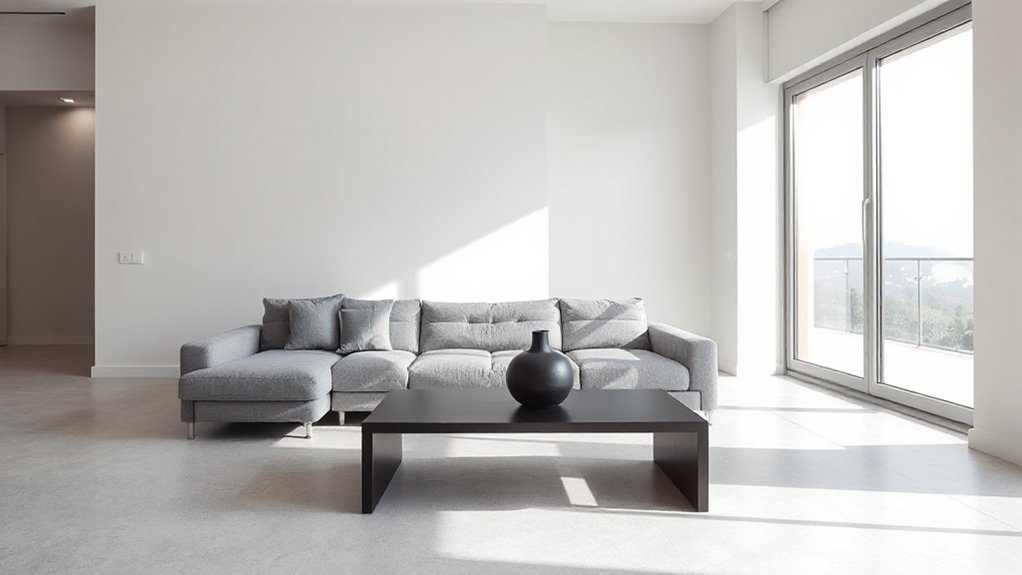
Minimalist interior design for modern homes centers on calm, functional spaces with restrained color, clean lines, and purposeful simplicity. Start with a restrained palette of neutrals and subtle accents, then choose furniture with versatile forms and hidden storage. Embrace negative space to enlarge rooms, and layer lighting for ambiance—ambient, task, and accent. Declutter with practical routines, refresh quickly with a neutral base and dimmable lighting, and use vertical storage to maximize small spaces. If you keep exploring, you’ll uncover how these ideas translate into real rooms.
The Core Promises of Minimalist Design for Calm, Functional Homes
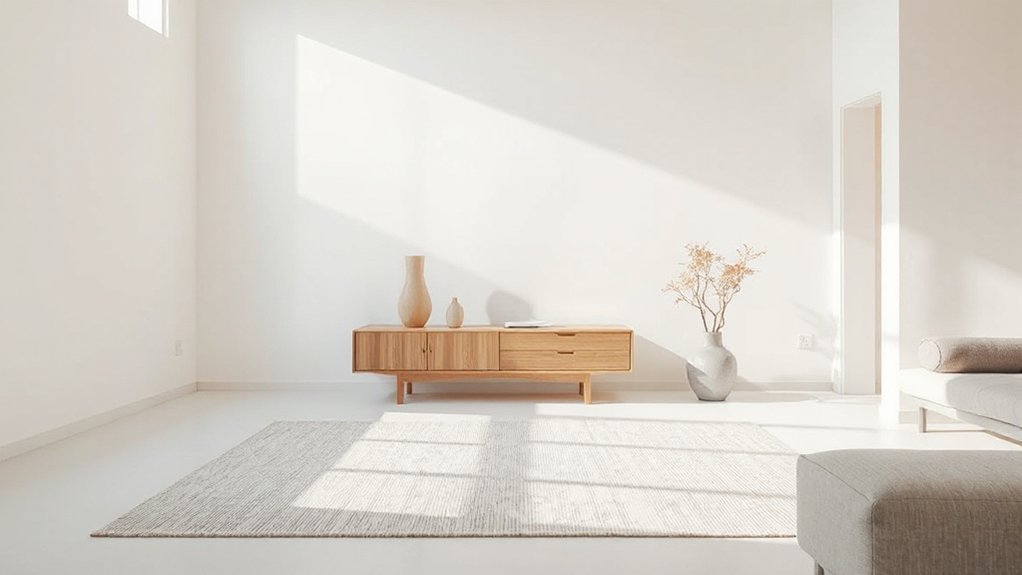
Minimalist design promises spaces that feel calmer, clearer, and more usable. You prioritize clarity over clutter, so every element earns its place. The core promises revolve around function, restraint, and intention.
Color psychology guides mood with simple palettes that reduce distraction and enhance focus, helping you think, breathe, and move more freely within each room.
You respect furniture ergonomics, selecting pieces that support posture and effortless reach, so you can work, relax, and interact without compromise.
Storage stays concealed behind clean planes, keeping surfaces serene and purposeful.
Light, line, and texture work together to create tactile interest without noise.
In this approach, you trade excess for meaning, crafting calm, efficient environments that truly support daily life.
Start With a Restrained Color Palette for Calm Spaces
A restrained color palette sets the tone for calm spaces by limiting variety to a few harmonious tones. You choose neutrals as a base, then layer with subtle accents that won’t shout. This restraint helps your eye rest, creating a sense of order you can feel.
Rely on color psychology to guide intensity: softer whites, warm grays, and muted earths evoke serenity, while sparing use of black or charcoal sharpens focus without overload.
Psychological effects matter: limited hues reduce cognitive load, improving concentration and mood.
Implement balance by distributing color evenly across walls, textiles, and surfaces, avoiding competing brights. Allow material textures—wood, stone, linen—to carry depth.
The result stays cohesive, timeless, and calm, inviting you to linger.
Choose Furniture With Clean Lines and Versatile Forms
Move from a restrained palette to furniture that mirrors that calm. You’ll select pieces with clean lines that read uncluttered, yet feel refined. Favor silhouettes that stay timeless, not faddish, so each item remains relevant year after year.
Prioritize function as much as form; a chair should invite use, a table should support daily tasks, and storage should hide clutter with ease. Furniture styles that emphasize simplicity empower your space without shouting.
Seek versatile forms that adapt to changing needs—modular sofas, tables with extendable surfaces, and open storage that can reconfigure as you live.
Achieve cohesion through subtle details: restrained hardware, smooth edges, and neutral finishes. With intention, each piece contributes to calm, making the room feel larger and more purposeful.
Prioritize Negative Space to Enlarge Your Space
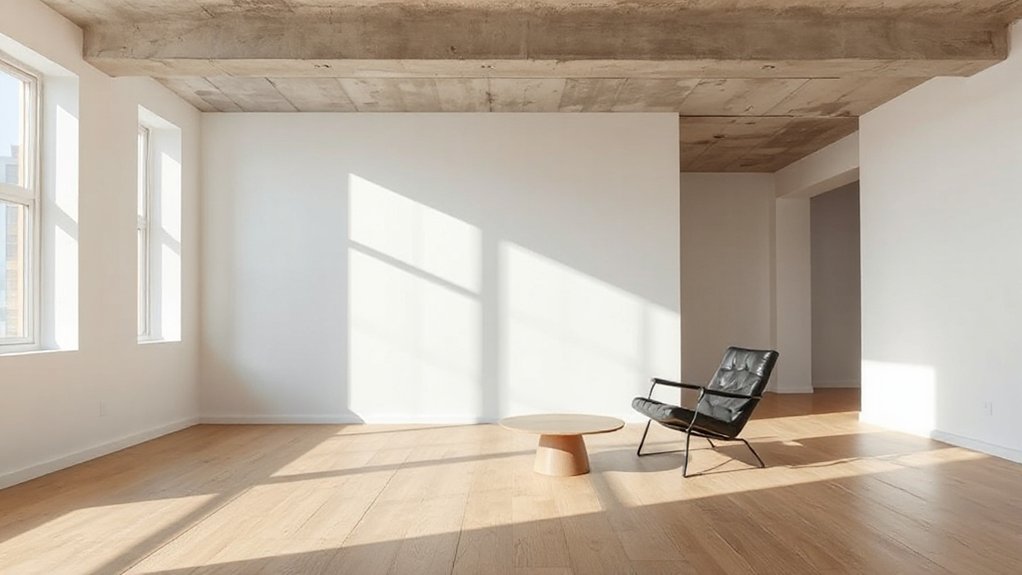
Negative space isn’t empty—it’s intentional quiet that lets your pieces breathe. You shape rooms by restraint, letting empty zones perform as design elements. Prioritize negative space to enlarge your space without adding clutter.
Remove unnecessary ornament, choose fewer, higher-impact focal points, and let walls, floors, and ceilings echo with calm. Use proportion to create visual breathing room: generous margins around furniture, low-profile silhouettes, and clear sightlines toward the room’s purpose.
Negative space isn’t wasted; it’s a tool for spatial expansion, guiding movement and attention. In practice, measure every piece against the surrounding emptiness, and reserve corners for possibility rather than storage.
The result feels larger, quieter, and more coherent, because restraint accentuates every intentional detail.
Minimalist Storage You Barely Notice but Can Use Daily
Minimalist storage should disappear into daily life, so you barely notice it while you use it. You curate spaces that hide clutter, not to erase function but to elevate it. Choose built-ins with clean lines and edge-to-edge hardware, so each item recedes rather than competes.
A drawer with shallow dividers, a bench that opens to reveal stash, a wall cabinet that blends with the niche—these deliver hidden storage that remains accessible.
Prioritize daily organization by assigning zones: keys, chargers, stationery, timers, and linens. Use uniform containers and labels sparingly to maintain visual calm.
The goal isn’t more stuff, but more ease: seamless retrieval, quiet order, and an environment where function feels invisible yet reliable every day.
Layer Texture to Add Warmth Without Clutter
Texture is your undercurrent, adding warmth without adding clutter. You’ll layer texture subtly, selecting materials that invite touch while keeping lines clean. Use textured fabrics to soften seating and throws without bulk, and let rugs ground spaces with quiet depth.
Introduce layered accessories—pots, baskets, and art—whose surfaces vary in texture, creating interest without crowding sightlines. Keep color restrained; neutrals with tactile nuance feel spacious and calm. Choose pieces with visible grain, weaves, or linen-like sheens to achieve warmth that reads as calm, not busy.
Balance repeats of texture across zones to unify the home, then edit ruthlessly. This approach yields comfort through texture, not volume, sustaining minimalist clarity.
- textured fabrics
- layered accessories
- cohesive texture
Layered Lighting: Ambient, Task, and Accent for Mood
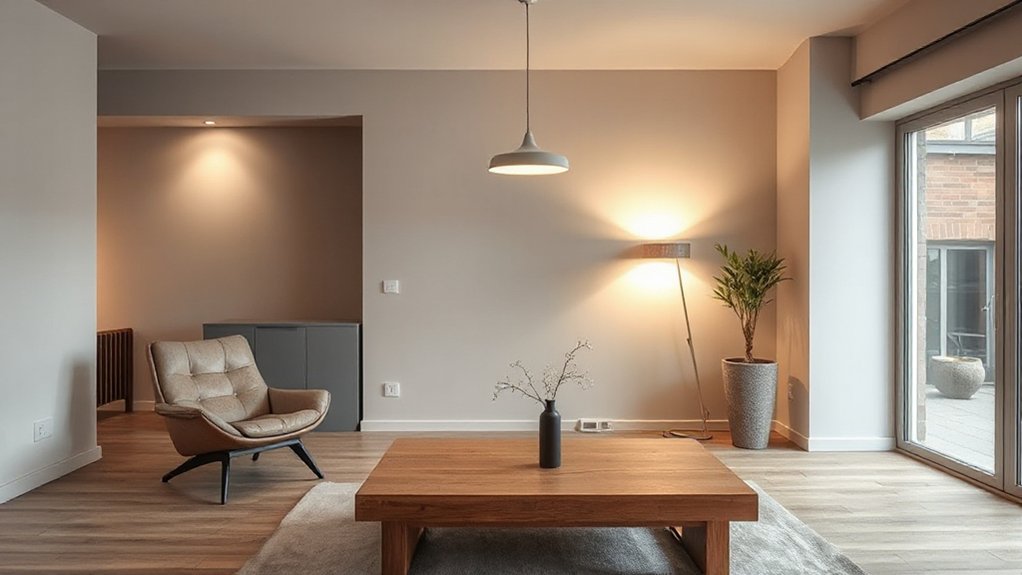
Layered lighting shapes mood by pairing ambient, task, and accent layers to guide your gaze and energy. You purposefully mix soft general light with focused tasks, then punctuate with sculptural accents to sculpt space.
Ambient lighting sets the scene, offering even glow without glare, while task lighting energizes work zones with clear, directional brightness.
Accent lighting highlights architectural details, art, or texture, creating depth and contrast that enhances minimalist lines.
Choose lighting fixtures that align with color psychology: warm tones cozy you in, cool whites sharpen focus.
Control matters: dimmers, zoning, and automated schedules foster rhythm and calm.
Layer strategically: a single chandelier, a desk lamp, and subtle wall wash can transform mood without clutter.
The result is intentional illumination that feels effortless.
Rich, Low-Contrast Materials for Depth Without Heaviness
You lean into rich textures and low-contrast tones to add depth without weight. Subtle contrast keeps surfaces tactile and layered.
While warm undertones subtly unify the scheme. Start with materials that feel solid yet restrained, inviting touch without heaviness.
Rich Textures, Subtle Contrast
Behind the clean exterior of a minimalist space, rich textures and subtle contrasts provide depth without heaviness. You’ll notice how textured fabrics soften lines, while subtle patterns create quiet interest without shouting. Aim for surfaces that read as tactile, not busy, letting light play off them.
- Embrace leather, wool, and linen for understated resonance.
- Pair matte textiles with a satin or velvet edge for gentle contrast.
- Use natural fibers to build depth through variation in weave and grain.
You’ll keep color restrained, letting material truth guide the mood. The goal isn’t ornament but presence—an environment that feels calm yet layered.
Texture becomes the focal point, color remains restrained, and the space gains dimension without weight. Textured fabrics and subtle patterns anchor the design, ensuring elegance endures.
Warm Tewer: Depth Without Weight
Warm tewer softens the room by using rich, low-contrast materials that read warm without weighing the space down. You’ll achieve depth through textures, not heaviness, pairing matte woods with soft stone and velvety textiles.
Choose a restrained color palette to support color psychology: warm neutrals that invite coziness while staying modern. Limit variation in hue and saturation to preserve calm, cohesive surfaces. In this approach, subtle shifts in tone create layers of interest without visual clutter.
Furniture placement matters: low-profile pieces float, avoiding bulk in floor space. Align seating to maximize sightlines, then accent with a single, warm focal point.
Let light enhance the warmth—diffused daylight and warm bulbs render depth as inviting, not overpowering. Maintain balance, and the room feels expansive yet intimate.
How to Create Cohesive Zones in Open Plans
Define clear boundaries to mark each zone without crowding sightlines. Use material shifts—like a concrete floor meeting a timber rug edge or a ceramic backsplash—so textures cue separation.
Scale furniture wisely by balancing proportions across areas, guiding flow while preserving a cohesive, minimalist feel.
Define Clear Boundaries
To create cohesive zones in an open plan, you don’t need walls—just intentional boundaries. You’ll define flow with deliberate boundary lines and space division that feel effortless, not forced. Subtle distinctions guide movement, storage, and function while preserving a calm, uncluttered look.
- Use rugs and seating to anchor zones.
- Choose a restrained color or texture change to mark areas.
- Align furniture to create logical pathways.
Keep lines clean and edges crisp; avoid visual clutter that interrupts the rhythm. Boundary lines should be visible but not loud, helping you navigate each area without breaking the open feel.
Space division isn’t about partitioning; it’s about shaping interaction—delineating a dining zone from a lounging nook while maintaining a cohesive, minimalist identity. Your open plan remains airy, intentional, and serene.
Use Material Transitions
Want seamless zones in an open plan? Use material shifts to define areas without walls. You’ll guide the eye with deliberate material contrast, letting textures and tones signal each function.
Choose boards, tiles, or concrete with compatible undertones so changes feel intentional, not chaotic. Keep thicknesses and edge details simple—household rhythm matters as much as color.
A smooth surface change between flooring continues the line, while a tactile pivot marks the kitchen, living, or study zone. Introduce subtle alterations in finish, sheen, or grain to cue boundaries without crowding space.
Maintain a restrained palette so transitions stay quiet; avoid busy patterns that fight the minimalist mood. The result is cohesive zones that feel connected, breathable, and thoughtfully composed.
Scale Furniture Wisely
Scale the pieces you bring into an open plan so zones breathe rather than fight for space; size tricks the eye and anchors each area with intention. You’ll gain spatial balance by choosing furniture with confident proportions, avoiding oversized or underpowered silhouettes that clutter sightlines.
Prioritize clean lines, simple volumes, and thoughtful anchoring pieces that define function without overwhelming it. Use rhythm rather than randomness: repeat a core scale across zones to unify the flow. Keep negative space intact to emphasize each zone’s purpose.
- Select furniture proportions that echo the room’s footprint
- Pair low, medium, and tall forms to establish visual hierarchy
- Place critical pieces to delineate zones without blocking traffic
This approach yields cohesive zones and a calm, collected aesthetic.
Art and Personal Touches: How to Curate Without Clutter
Art and personal touches don’t have to look busy to feel meaningful. You curate with intention, letting restraint guide meaning. Start with one focal piece you truly love, then build around it with purposeful, smaller elements.
Choose artifacts that tell your story—photos, textiles, or a single sculpture—yet keep each item spaced to breathe. An artful arrangement thrives on negative space, so resist crowding surfaces; a tray or shadow box can unify disparate memories without clutter.
Opt for personalized accents that complement your color palette and architecture, not compete with it. Rotate pieces seasonally to refresh the room without increasing volume.
Maintain a clean backdrop, and let texture—linen, wood, ceramic—add depth. Your space stays calm, refined, and distinctly you.
Minimalist Kitchen Design: Essentials That Work Hard
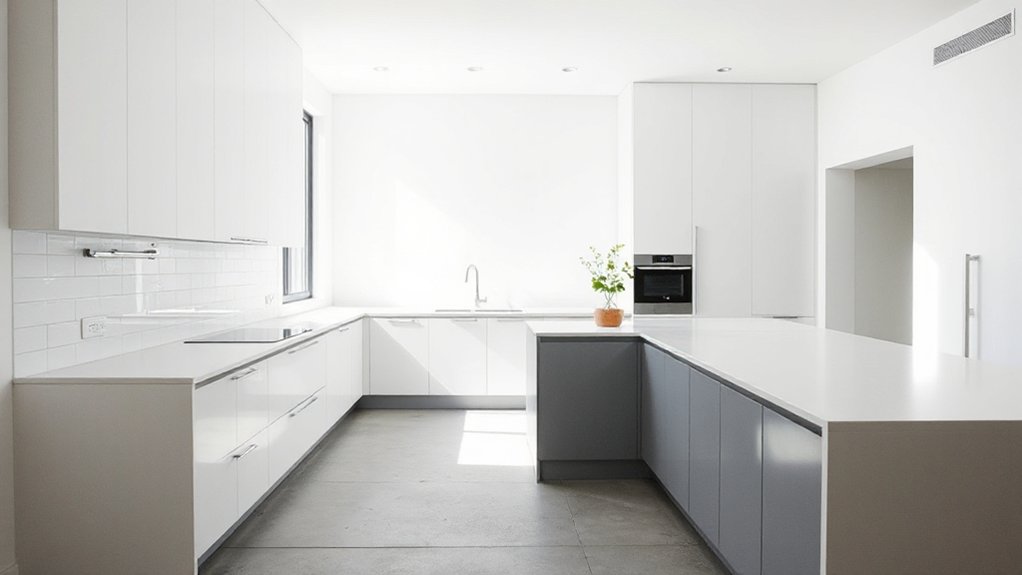
A minimalist kitchen trims excess without sacrificing function. You optimize layout, choose durable finishes, and embrace clean lines that endure daily use. Storage stays hidden, appliances recede, and surfaces stay tactile yet uncluttered.
Prioritize lighting that illuminates work zones without glare, and select a neutral palette with a single bold accent to guide the eye. Vintage accents and Industrial fixtures add character without chaos, weaving warmth and edge into a restrained space.
You curate essentials, swap duplicates for quality, and let negative space breathe. This is a kitchen that works as hard as you do, with form following function and style following intention.
- Vintage accents
- Industrial fixtures
- Strategic lighting
Minimalist Bathroom Design: Spa-Like Lines and Simple Fixtures
Could your bathroom feel like a tranquil retreat with spa-like lines and simple fixtures? You design with clean geometry, soft edges, and minimal ornament. Embrace floating vanities, linear drains, and wall-mounted taps to heighten the sense of calm.
Choose neutral tones or pale neutrals to enhance light and reflection, then pair with a single natural material—stone, wood, or concrete—for texture without clutter. Prioritize fixture simplicity: a streamlined mirror, discreet lighting, and a compact shower enclosure that reads as one continuous plane.
Keep storage tucked behind doors or within recessed niches to maintain uninterrupted lines. This approach delivers spa-inspired serenity through restrained detail, where form follows function and every element supports a serene, organized daily routine.
Hidden Tech Integration for a Seamless Look
You can achieve Hidden Tech Aesthetics by concealing devices behind clean surfaces and selecting components with slim profiles.
Aim for Seamless Home Interfaces that disappear into the room, so controls feel intuitive rather than visible.
This approach keeps your space calm, cohesive, and quietly sophisticated.
Hidden Tech Aesthetics
Hidden tech should blend, not shout. You curate spaces where function hides in plain sight, so cords vanish and surfaces stay calm. Focus on smart gadgets that operate with quiet confidence, choosing devices that complement lines rather than compete with them.
Favor materials and finishes that echo the room’s palette, enabling sleek concealment without compromising usability. Depth, texture, and negative space become allies, guiding attention to form over noise.
When possible, opt for built-in panels, magnetic covers, and hidden mounts that let tech recede into walls or cabinetry. The result feels intentional, effortless, and timeless.
- Prioritize seamless finishes and hidden mounts
- Choose devices designed for low-profile operation
- Align tech aesthetics with architectural details for cohesion
Seamless Home Interfaces
Your space feels calmer because interfaces stay out of sight, yet every command is immediate. You prioritize consistency, using smart appliances that share a common language and respond harmoniously to routines.
Hidden storage keeps cords and hubs concealed, preserving the room’s clean lines. You favor tactile simplicity—soft-close drawers, flush switches, invisible speakers—so tech never disrupts the aesthetic.
Maintenance stays minimal through wireless syncing and centralized updates. The result is a coherent, breathable environment where function serves form without competing for attention.
Practical Decluttering Routines That Stick
Decluttering routines that last aren’t about heroic one-time efforts but tiny, repeatable habits that fit your schedule. You’ll build momentum with practical, repeatable steps that honor your space and time. Small choices compound into calm, and you’ll notice fewer distractions as you establish organizational habits and clutter free zones.
- Seize 10 minutes daily to sort a single area
- Return items to their home immediately after use
- Schedule a weekly 20-minute reset to review what no longer serves
Adopt a routine that feels effortless, not punitive. Track progress with a simple checklist, and celebrate consistency over speed. Your room will reflect intention, not effort, as clarity becomes your default.
Clutter-free zones emerge where purpose guides placement, making every surface purposeful and serene.
How to Refresh a Tired Space in a Weekend
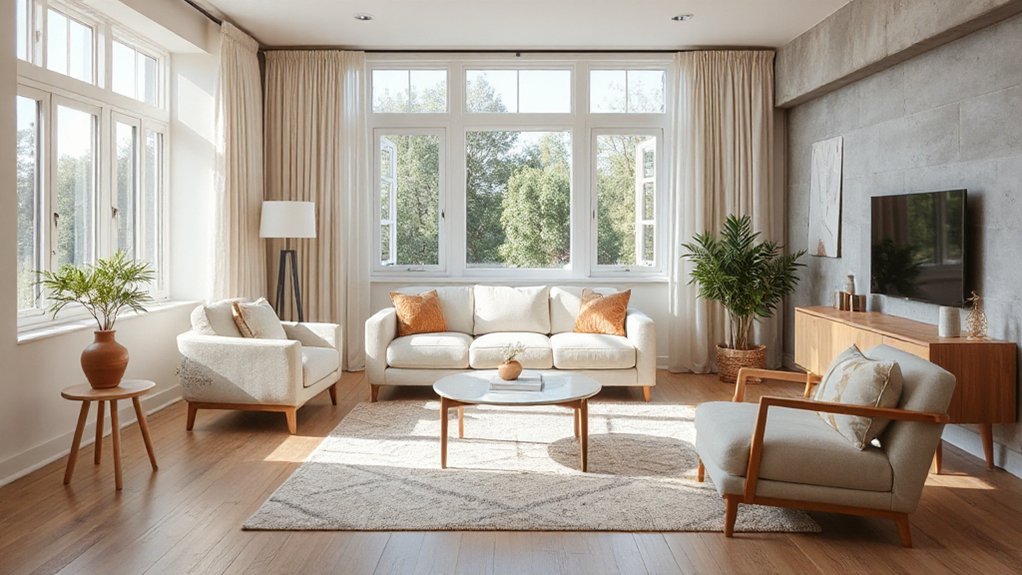
After laying groundwork with practical decluttering, you’re ready to refresh your space in a single weekend. Begin with a neutral base: wipe surfaces, swap out heavy textures for lighter fabrics, and rehome distractions.
Choose a cohesive color palette rooted in color psychology—cool neutrals with a single warm accent to evoke calm or energize a room, depending on function.
Update lighting to create depth: dimmable LEDs, a focused task lamp, and a soft ambient glow.
Introduce statement art that anchors the space without overwhelming it, selecting one piece as the focal point and echoing tones from the palette.
Replace oversized furniture with compact, versatile pieces that increase breathability.
Finish with mindful minimal accessories: a single vase, a small tray, and deliberate negative space.
Small-Space Minimalist Strategies That Scale
If you’re working with limited square footage, smart, scalable minimalist strategies let you breathe more room without sacrificing function. You’ll optimize by layering vertical storage, selecting modular pieces, and choosing neutral bases that adapt as your space evolves.
Keep surfaces clear, favor built-ins, and let lighting carve depth rather than clutter. Introduce vintage accents sparingly to add character without crowding, and reserve bold patterns for accessible focal points like rugs or cushions to anchor the aesthetic.
- Use wall-mounted storage and foldaway furniture to free floor space
- Choose modular, multiuse pieces that reconfigure as needs change
- Accent with vintage accents and bold patterns to create visual interest without noise
Common Mistakes to Avoid for Lasting Minimalism
Minimalism isn’t a one-and-done fix; it’s a practice that requires restraint and consistency. You avoid clutter by defining purpose for every item, then honoring that purpose.
Common mistakes derail lasting minimalism: chasing trends, over-accumulating, or confusing simplicity with cold sterility. Instead, prioritize quality over quantity, and curate with intention.
Color psychology matters; choose a cohesive palette that elevates calm and focus, not distraction. Reserve bold accents for strategic impact, not habit.
Let sustainable materials guide the core of your spaces, ensuring longevity and responsibility. Regular audits keep your environment breathable and meaningful.
When you replace or upgrade, opt for durable, repairable pieces. Finally, document your standards, so future choices stay aligned with your minimalist principles.
Frequently Asked Questions
How Do I Start Minimalist Design Without Losing Warmth?
Yes—start lean, but keep warmth through textures and color. Embrace Artistic expression with cozy materials, and add Personalization options like heirloom throws. You’ll balance space and feeling by selecting art, lighting, and soft accents that invite you in.
Can Small Spaces Truly Feel Larger With Minimalism?
Yes, small spaces feel larger with minimalism. You prioritize Furnishing essentials and Space optimization, avoiding clutter while choosing dual-purpose pieces, smart storage, and clean lines that visually expand the room and preserve warm, intentional design.
What Are Affordable Minimalist Storage Solutions?
Decorative storage meets eco friendly containers, you’ll save space yet reveal order, like quiet sculpture. You grab efficiency, you stack with care, you declutter gracefully, you breathe easier, you transform chaos into calm with deliberate, affordable pockets.
How Much Color Is Too Little in Minimalism?
You wonder how much color is too little in minimalism: aim for restrained contrast, then let color psychology guide accents. Monochrome palettes feel calm; add a single, deliberate hue to energize spaces without overpowering the design.
Which Tech Blends Best With Minimalist Interiors?
“Less is more,” you muse. You’ll blend Smart home tech with minimalist interiors by choosing sleek gadgets that disappear, not dominate, keeping spaces calm while staying connected, so you feel effortless control and quiet, purposeful efficiency.
Conclusion
You’ll feel calmer the moment you edit your surroundings, not your spirit. Embrace restraint, letting color breathe and lines speak softly. Choose furniture that earns its keep, and let negative space do the heavy lifting. Master simple routines, so clutter never crowds your day. In a weekend, refresh without chaos, and in small spaces, scale with intention. Minimalism isn’t a trend; it’s a habit you cultivate—like a quiet hinge that lets your home and life swing freely.