

Last year, a seller boosted their EPC by sealing gaps and swapping to LED lighting, and you can start there too. You’ll want a clear, data-driven plan that targets quick wins first, then moves to insulation and heating upgrades as budgets allow. But the real payoff comes from documenting every improvement with costs and expected energy savings to show buyers real value. Curious which step to tackle first to maximize impact and ROI?
Why EPCs Matter When Selling Your Home
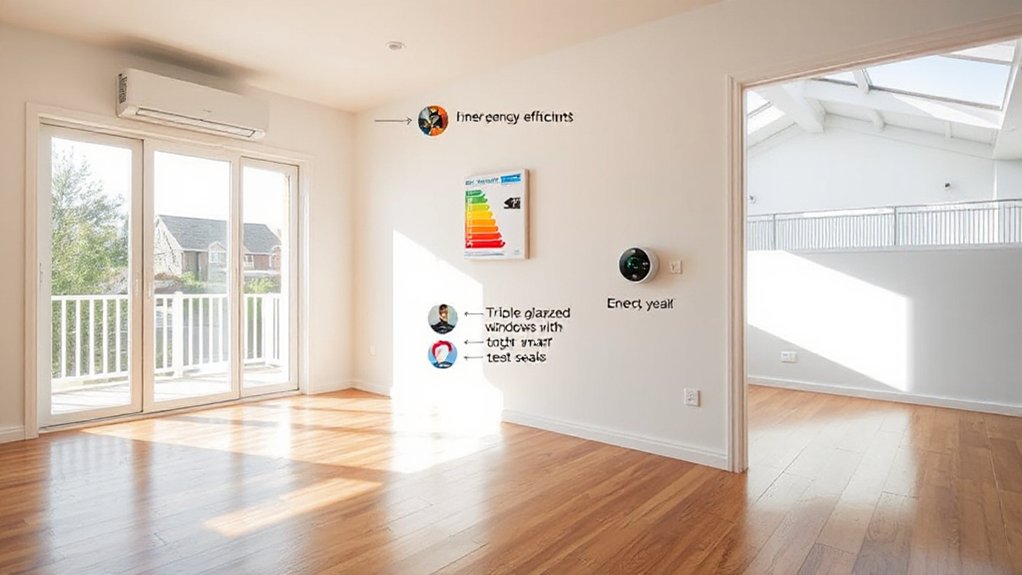
EPCs matter when selling your home because they directly influence buyer interest, sale price, and speed of sale. You’ll feel the impact in practical terms: higher-rated homes attract more offers and often command a premium, while lower ratings can deter viewers or trigger price negotiations.
Data show that homes with strong EPCs sell faster, reducing carrying costs and time on market. Understanding certification standards helps you set realistic expectations and prioritize improvements that yield the best return.
Consider environmental impact when evaluating upgrades; energy-efficient features often appeal to eco-conscious buyers and can support a higher rating. Use a credible assessment as a baseline, then target cost-effective changes with clear, trackable results.
This approach improves marketability without overinvesting.
How EPCs Work and What Inspectors Check
When you get an EPC, the process follows a standardized assessment: inspectors evaluate your home’s energy actions, systems, and fabric to produce a rating and recommendations. You’ll see how the score reflects insulation, glazing, heating efficiency, ventilation, and hot water performance.
An energy audit underpins the rating, identifying where energy leaks occur and which measures matter most for cost savings. Inspectors follow an inspector checklist to verify installed systems, performance data, and building fabric details, ensuring consistency across properties.
They assess airtightness, boiler or heat pump efficiency, controls, and regulations compliance. The resulting report translates findings into a single A–G band and practical recommendations.
Use these insights to prioritize fixes that yield durable, measurable improvements before listing your home.
Quick Wins: High-Impact, Low-Cost Improvements
If you want noticeable bangs for your buck, start with quick wins that reduce heat loss and boost efficiency fast. You can cut waste by tightening seals around doors and windows, then swap to energy efficient lighting—LEDs give immediate payback and longer lifespans.
Track your usage with a smart meter to identify peak drains and set routines that minimize standby power. Consider renewable energy options, like a small rooftop solar array or a mature heat pump setup, if feasible for your home size and climate; these tools often deliver faster EPC gains than larger retrofits.
Prioritize appliances with high energy ratings and use timers to avoid needless operation. Small, deliberate changes compound into a stronger overall rating without disrupting daily life.
Insulation Tweaks That Pay Off at Sale Time

Upgrading insulation yields solid ROI by cutting heating bills and boosting comfort, which buyers notice in minutes.
Wall cavity improvements, roof insulation gains, and overall R-value lift can translate to higher EPC scores and faster sale timelines.
Start with quantified targets: estimate payback periods and compare with local energy costs to prioritize the most impactful tweaks.
Insulation Upgrade ROI
So, upgrading insulation is one of the smartest ROI moves you can make before selling, because it directly cuts heat loss and lowers energy bills, which buyers notice. You’ll see ROI from smaller heating needs and faster home appraisal increments, especially if you target attic and duct areas first.
Compare costs to projected annual savings to gauge payback—typical breakevens fall within 3–7 years, depending on climate and existing gaps. Choose high-quality insulation materials with proven R-values and long-term performance.
Prioritize airtight installation techniques: seal gaps, foil barriers, and proper vapor control to prevent moisture risks. Document retrofit details and energy-model improvements to strengthen EPC claims.
Use contractor receipts and performance data to validate the upgrade’s value to buyers.
Wall Cavity Benefits
Are you leveraging wall cavity insulation to its full potential? Wall cavity strategies can yield steady insulation benefits without major disruption. You’ll want to verify cavity fill levels, aiming for uniform density and minimal voids, since gaps undermine thermal performance.
Consider retrofitting where retrofit options exist for your property type, prioritizing blends that suit existing wall construction. Data shows well-filled cavities reduce heat loss through walls by a meaningful margin, improving comfort and lowering HVAC run times.
Focus on materials with proven long-term performance and moisture resistance to prevent mold risk. Recalculate the EPC impact after improvements to confirm the gains.
Keep noting installation quality, because workmanship directly affects insulation benefits and rating outcomes. Pair cavity upgrades with airtightness measures for maximum overall efficiency.
Roof Insulation Gains
Ever wonder how a simple roof insulation tweak can boost your EPC rating and save on energy bills? You’ll sharpen comfort and cut heat loss by upgrading insulation in key roof zones, like attic and loft spaces, where gaps cost you energy.
Use a data-driven approach: compare U-values, R-values, and air leakage tests to target the weak spots, then seal first and insulate second.
Proper roof ventilation remains essential to prevent moisture buildup and maintain performance, so plan intake and exhaust balance during installs.
If you have solar panel integration, align insulation upgrades with the roof’s layout to avoid shading losses and ensure cooled equipment.
Expect improved heating efficiency, lower bills, and a higher EPC score as temperatures stabilize.
Heating Upgrades: Balancing Comfort and Cost
Upgrading your heating can trim costs without sacrificing comfort, especially when you compare efficient systems and real-world energy use.
A smart thermostat helps you fine-tune settings and shows how small changes save money over time.
Start with clear targets for energy use and monitor results to balance up-front costs with long-term savings.
Efficient Heating Costs
Efficient heating costs hinge on smart upgrades that balance comfort with utility bills. You can trim spend by prioritizing high-impact improvements backed by data.
First, seal gaps in doors and windows; air leaks waste heat and inflate bills, especially in older homes.
Next, consider heat-loss reductions in insulation and lofts, which yield steady savings over time.
When evaluating options, run a cost-per-kilowatt-hour saved analysis to avoid vanity upgrades.
Practical, lower-cost measures include radiator reflector panels and zoning so you heat only occupied spaces.
For longer-term resilience, invest in solar panels to offset daytime demand and reduce reliance on the grid.
Also, rainwater harvesting supports outdoor heating efficiency by minimizing boiler water usage and runoff-related energy waste.
Focus on measurable gains rather than intuition alone.
Smart Thermostat Benefits
Smart thermostats build on efficient heating by giving you precise control over when and how your system runs. You’ll install one, connect it to your boiler or heat pump, and set schedules that match your daily routine.
With smart thermostats, you gain energy automation: it learns occupancy, adapts for weekends, and shifts to lower temps when you’re away. The result is less standby heat and fewer wasteful cycles, which can trim monthly bills and improve comfort consistency.
Data shows typical setups save 10–15% on heating energy, depending on climate and insulation. To maximize impact, pair with zoning or weather responses and review weekly usage reports.
Choose a model that supports your system, integrates with existing thermostats, and provides clear, actionable insights.
Windows, Doors, and Draught-Proofing for Better Scores
Windows and doors are one of the easiest ways to cut heat loss and boost your EPC score. Focus on measurable gaps and insulation performance to maximize impact. Start with weather-stripping and draft seals; tests show these can reduce infiltration by substantial percentages, especially around frames and sashes.
Next, assess glazing: single to double-glazing transitions improve U-values and comfort; plan only when benefits justify cost. Consider window upgrades where heat loss is highest, prioritizing frames with better thermal breaks and low-emissivity coatings.
For doors, guarantee proper threshold seals and hinge alignment to minimize drafts. Implement draught proofing techniques around all entry points, including loft hatches and pipe penetrations.
Pair improvements with moisture control and game-day cleaning to sustain long-term efficiency.
Budgeting a Smart Upgrade Plan That Boosts Value
With the groundwork on energy-efficient windows and doors in mind, you can shape a budget that maximizes value without overspending. Start with a clear scope: list potential upgrades, estimate costs, and set a cap for each item.
Use financial planning to prioritize improvements with the strongest EPC impact per pound spent, favoring high-ROI measures like insulation, smart controls, and efficient lighting where relevant.
Create a simple prioritization matrix to compare payback timelines and energy savings.
When you shortlist contractor selection, request detailed quotes, compare U-values and installation timelines, and verify warranties.
Track costs against your plan weekly, adjusting for any price shifts or unexpected issues.
Document decisions and savings targets to avoid scope creep and to justify each upgrade choice.
Presenting EPC Improvements to Buyers

How can you clearly convey EPC improvements to buyers while keeping the message concise and actionable? Present the key changes in a buyer-friendly summary, backed by data. Lead with the most impactful upgrades and their estimated impact on energy bills and rating. Use concrete figures: costs, payback periods, and the expected EPC uplift from each item. Tie improvements to everyday benefits—lower utility costs, better comfort, and reliability. Highlight energy-efficient appliances and renewable energy installations with clear ROI timelines and any available incentives. Include a simple comparison table or bullet list showing pre- and post-improvement ratings. Provide reputable sources for performance data and a brief note on maintenance requirements to manage expectations and support confident decision-making. Invite questions and offer a follow-up walkthrough.
Frequently Asked Questions
How Quickly Can EPC Scores Improve After Each Upgrade?
Upgrades can lift scores within days to weeks after an energy audit, but you’ll typically see gradual gains as you complete items on the upgrade timeline. Expect visible improvements after prioritized measures, with final results reflecting installed efficiency.
Do EPCS Affect Mortgage Eligibility or Rates?
EPCs can influence mortgage eligibility and rates, especially if your property lacks compliance. You’ll benefit from showcasing EPC compliance and a strong energy certification, since lenders weigh energy efficiency when evaluating risk and determining loan terms.
Are There Grants or Subsidies for Energy Upgrades?
Yes, you can access Renewable incentives through Government schemes, which offer grants or subsidies for energy upgrades. You’ll need to check eligibility, apply, and track the deadlines, since programs vary by region and funding rounds.
How Reliable Are EPCS Across Different Assessors?
Coincidence flickers as you notice EPC assessor consistency varies; you’ll see mixed results. You rely on Certification accuracy, but variability persists across assessors. You should benchmark, request detailed reports, and use standardized data to guarantee reliability.
Which Improvements Deliver the Best ROI per Pound?
Invest in energy efficient windows and insulation upgrades for the best ROI per pound. They deliver strong, measurable gains, lower running costs, and faster EPC improvements, with cost-effective options showing the highest payback in typical homes.
Conclusion
You can boost your EPC score fast with small fixes like sealing gaps, swapping to LEDs, and dialing in insulation. Don’t overlook timing—prioritize high-ROI upgrades first, then document costs and energy savings to show buyers real value. If a lower upfront cost isn’t enough to convince, point to long-term savings and potential property value increases; lenders and buyers respond to clear data. With a practical plan, you’ll sell faster and at a better price.