When you’re assessing a property, expect damp and moisture to surface early—condensation, high humidity, and potential water intrusion often herald deeper issues. Timber health, from rot to pests, alongside aging electrical and plumbing systems, tends to be flagged soon after. You’ll also want to consider roof and gutter wear and boundary or drainage concerns that can complicate repairs. Each finding shapes cost, timing, and negotiation—and there’s a clear path forward, if you’re prepared to map it out.
What a Property Survey Covers: Scope, Purpose, and How Findings Drive Decisions
A property survey explains what’s being measured, where, and why, so you know exactly what the property includes and where its boundaries lie. You’ll see the parcel’s lines, dimensions, and any encumbrances that affect use or value.
The scope covers improvements, easements, access, and adjacent features that influence boundaries and compliance. The purpose is to document the site for owners, lenders, and buyers, guiding decisions on zoning, renovations, and risk.
Findings drive actions like negotiating boundary corrections, planning permits, or accepting existing encroachments. You’ll get a clear map and a written report that summarize measurements, reference points, and standards used.
Timeliness matters: outdated data can derail projects. Use the results to confirm scope, set expectations, and inform next steps confidently.
Damp and Moisture Findings You’re Most Likely to See
Moisture findings you’re most likely to see stem from different sources, but they all point to potential damage risk or moisture management needs. In surveys, you’ll spot high humidity, condensation on windows, and damp patches on walls or ceilings. Look for paint blistering, peeling, or staining that hints at ongoing moisture exposure.
Exterior issues matter too: blocked gutters, downspouts, or poor drainage can lead to water intrusion seeping inward. Moisture meters may reveal elevated readings in masonry or timber-framed areas, signaling hidden damp pockets.
Note seasonal patterns, like increased condensation in winter or after heavy rains. Document moisture trails, their location, and any suspected causes to guide corrective actions and quantify maintenance priorities.
Your findings help owners prevent deterioration and improve indoor air quality.
Timber Health and Structural Indicators: Rot, Pests, and Stability Signs
Timber health hinges on three indicators: rot, pests, and structural stability. You’ll assess timber for visible decay, crumbly or soft surfaces, and sagging framing, which signal rot threats from moisture. Look for fungi, staining, and hollow sounds when tapped, as these hint timber integrity loss.
Pests, especially borers and termites, leave evidence in galleries, dust, or hollowed areas; active signs demand urgent removal and repair planning.
Stability signs matter too: cracked joints, loose fixings, or joints separated at corners reveal movement risks, possibly from settlement or old rapid drying. Check beams, posts, and joists for consistent alignment and load-bearing continuity.
Document all findings with photos and measurements, prioritizing safety, and flag components needing expert evaluation or replacement to prevent structural failure.
Electrical Risks in Older Homes: Wiring, Panels, and Safety Thresholds
In older homes, electrical risks often accompany aging structures as much as visible timber concerns do after neglect or hidden moisture. You’ll commonly encounter outdated wiring, undersized circuits, and faded insulation that can overheat or short when you plug in modern loads.
Look for cloth or rubber insulation, which signals pre-1960s installs, and switched or fuse boards that lack modern safety features. Panel ratings matter: if breakers trip frequently or you smell burning, you’re near a limit.
Grounding and bonding are critical; absence raises shock risks and complicates repairs. Don’t ignore receptacles that feel warm, outlets with loose faces, or visible corrosion on the panel.
A qualified electrician should assess overall capacity, sourcing, and the need for upgrades before you complete any substantial renovations.
Plumbing and Drainage Red Flags: Leaks, Blockages, and Pressure Concerns
Leaky pipes, hidden blockages, and fluctuating water pressure can quietly undermine a home’s structure and comfort, so check for telltale signs early. You’ll spot dripping ceilings, damp patches, and musty odors that hint at concealed leaks.
Look under sinks, around toilets, and behind appliances for stained floors or warped cabinetry. Listen for running water in idle moments; it may signal a hidden crack or loose fitting.
Slow drains or frequent clogs suggest blockages in traps, venting, or mains lines, especially if multiple fixtures are affected.
Test pressure with a gauge; readings outside the 40–60 psi range can stress pipes and joints.
Inspect water heater connections and shutoffs for corrosion or leaks.
Address issues promptly to prevent escalating damage and costly repairs.
Roof, Gutters, and Fascia: Wear Where Leaks Hide
Roof, gutters, and fascia often reveal leaks before you see water inside. You’ll inspect for sagging gutters, loose hangers, and sagging fascia boards that signal moisture intrusion.
Look for cracked or missing seals at joints and where downspouts meet the structure, as these are common leak paths. Ensure gutters slope correctly to channel water away from the foundation; standing water indicates a failed grade or blockage.
Check fascia for peeling paint, soft wood, or rot, which compromise the protection layer and invite further damage. Pay attention to mineral streaks on siding or roof decking, a sign moisture has traveled behind finished surfaces.
Boundary, Access, and Drainage Challenges: Disputes, Encroachment, and Site Runoff
Boundary and access issues can complicate property surveys and future use; disputes, encroachment, and site runoff often require timely, precise documentation. You’ll confirm legal boundaries with fresh measurements and compare deeds, plans, and fences to identify gaps.
Expect trespass risks when adjacent landholders contest line locations or rights of way, and document any current or historical encroachments with precise distances and bearings. You’ll map access easements, noting width, travel path, and any improvements that could affect ingress or emergency exits.
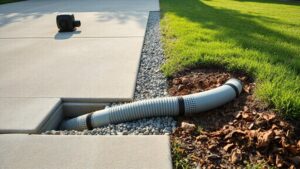
Drainage concerns demand observation of runoff patterns, swales, and drainage installations, recording seasonal changes and potential impact on neighboring properties.
Conclude with clear, dated sketches and photos to support any boundary adjustments, access clarifications, or drainage improvements discussed with stakeholders.
Quick Wins and Major Repairs to Budget For: Prioritizing Fixes After a Survey
After a survey, you should quickly separate fixes into quick wins and major repairs, then prioritize by impact, cost, and timing.
Quick wins are low-cost, high-value items you can address fast to reduce risk and unlock confidence in buyers or lenders. Tackle moisture leaks, minor structural cracks that aren’t widening, faulty wiring, and torn seals in doors or windows first, documenting costs and expected benefits.
For major repairs, forecast long-term savings and risk reduction: structural reinforcements, foundation issues, roof replacement, and significant drainage fixes.
Create a staged plan with rough budgets, timelines, and responsible trades. Build in contingency, factor permits, and potential delays.
Communicate clearly to stakeholders, updating as you gain quotes and refine priorities. Prioritization drives budgeting and scheduling decisions after the survey.
How Surveys Shape Negotiation Timelines and Costs
Surveys don’t just reveal condition; they set the pace and shape the costs of negotiations. When issues surface, timelines tighten as you wait for client decisions, contractor bids, and lender reviewers.
Clear findings help you define deal-breakers and contingencies, preventing stalled talks later. You’ll see that unresolved items extend due diligence windows and push closing dates, while well-documented defects enable quicker waivers or targeted repairs.
Costs become more predictable when you understand required remediation, required permits, and any necessary expert input. You’ll use this information to calibrate offers, request credits, or adjust loan structures, avoiding surprise financial gaps.
Next Steps: Turning Findings Into Quotes, Timelines, and a Clear Action Plan
Next, translate your survey findings into concrete quotes, timelines, and an actionable plan. You’ll present clearly scoped costs for each issue, with itemized quotes that reflect labor, materials, and contingencies.
Pair these with realistic timelines, noting dependencies like weather, permits, and vendor lead times. Create a prioritized action list, separating urgent repairs from nice‑to‑have enhancements, and assign owners and target dates.
Attach a risk assessment for each item, outlining potential delays and cost overruns. Use plain language so clients grasp implications quickly.
Include checkpoints to review progress, adjust budgets, and re‑quote if scopes shift. Deliver a single document that ties survey results to a cohesive project plan, enabling swift decision‑making, transparent budgeting, and steady momentum toward completion.
Conclusion
You’ve got the lay of the land now. A property survey reveals damp, timber health issues, electrical risks, plumbing quirks, and drainage or boundary concerns that shape your next moves. Use the findings to prioritize fixes, budget wisely, and set realistic timelines. Leverage survey insights in negotiations, securing quotes and clearer action plans. With a focused plan, you’ll move from problem spotting to practical progress, transforming risks into tangible, manageable improvements.