
To modernise a 1970s UK property, start with a layout refresh that prioritises daylight, sightlines, and flexible zones, mapping flows and pinch points to guide furniture and storage. Prioritise energy upgrades that protect character, like high-performance glazing and cavity insulation, while avoiding wholesale replacements. Refresh kitchens and bathrooms with retro flair—keep proportion and durable materials, add hidden LEDs, and use vintage appliances as statement pieces. Plan a phased budget-friendly schedule, and you’ll uncover steps that keep charm while boosting livability; more details await.
Assess Your Layout and Set Practical Goals

Evaluating your layout begins with a clear inventory of what you have and what you want to achieve. You’ll map room dimensions, doorways, and natural light, then compare them against your daily routines and social needs. This assessment grounds practical goals you can actually reach.
Consider where traffic flows and where you socialize, noting pinch points and underused spaces. Your plan should prioritize adaptable zones, not perfection.
When exploring Open plan layouts, envision how zones blend for flexibility while preserving coherence. Think about furniture placement that enhances sightlines, storage, and comfort without crowding.
Set measurable targets: improve daylight, increase usable square footage, and reduce clutter. Document decisions, revisit them after staged changes, and adjust as your family evolves toward a calmer, more connected home.
Prioritize Energy Upgrades That Preserve Character
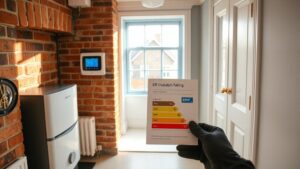
To modernise without erasing charm, prioritise energy upgrades that preserve character by targeting efficiency gains in a way that respects original fabric and detailing. You’ll assess where the biggest losses occur—windows, insulation, heating—without disturbing period features.
Choose retrofit solutions that balance performance with historical authenticity, avoiding wholesale replacements that erase craft. Favor high-performance but slimline interventions, like cavity wall insulation behind period cladding or advanced glazing that preserves sash aesthetics.
Seal drafts at carefully chosen junctions, prioritising breathable, non-intrusive materials that won’t dampen character. Monitor energy usage with transparent metrics to prove benefits.
This approach supports comfort, lowers bills, and respects the home’s story, strengthening belonging through thoughtful, evidence-based upgrades that honour period features and historical authenticity.
Refresh Kitchens and Bathrooms With Retro Flair
Retrofits can refresh kitchens and bathrooms with retro flair without sacrificing authenticity. You approach this by prioritising period-accurate proportions, durable materials, and smart modernities that don’t shout.
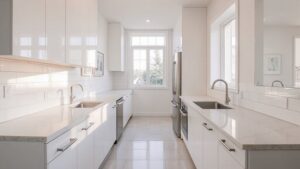
In kitchens, choose vintage appliances as statement pieces within a contemporary layout, pairing them with robust surfaces and hidden led lighting to preserve clean lines.
For bathrooms, retain classic fixtures where feasible, updating plumbing efficiency and seals to reduce wear without erasing charm.
Embrace retro color schemes thoughtfully—anchoring with a neutral base and adding accents in muted teals, ochres, or dusky pinks to evoke era without overwhelming space.
Evidence shows balanced contrasts improve perceived space and value.
Contextually, documenting changes helps future buyers understand the lineage, reinforcing a sense of belonging to a thoughtfully preserved home.
Update Systems for Comfort, Safety, and Compliance

Updating systems for comfort, safety, and compliance builds on modernised aesthetics by ensuring the home remains habitable and efficient in daily use. You evaluate how smart technology integrates with existing layouts, prioritising reliability, maintenance costs, and user-friendliness for all occupants.
In practice, you’ll replace outdated controls with programmable systems that reduce energy waste and improve monitoring, while preserving comfort. Safety improvements hinge on code-compliant electrical upgrades, efficient ventilation, and robust fire protection, reducing risk and liability.
Security enhancements should be considered alongside access control and appliance isolation, ensuring discreet, evidence-based enhancements don’t compromise convenience. You compare options with real-world performance data, seek reputable installers, and document changes for compliance records, delivering a measurable uplift in daily livability and long‑term value.
Plan a Phased Renovation on a Budget and Timeline
Strategize a phased renovation by mapping priorities to budget and timeline, so you can deliver meaningful upgrades without overextending resources. You’ll benefit from a clear sequence: start with essential repairs tied to safety and energy efficiency, then plan improvements that reinforce historical preservation while maintaining aesthetic consistency.
Use a 3–6–12 month roadmap to align costs with funding or savings, and set go/no-go milestones to reassess feasibility. Document evidence-based options for each phase, comparing long-term value versus upfront expense. Involve trusted trades early to refine scope and avoid scope creep.
Prioritize durable finishes and reversible interventions that respect original character. Monitor progress with simple metrics—cost variance, time to completion, and homeowner satisfaction—to sustain belonging and momentum throughout the project.
This disciplined approach maximizes impact without compromising heritage or cohesion.
Frequently Asked Questions
How Can I Maximize Natural Light Without Losing Period Charm?
Maximise natural light by widening openings with period-appropriate glass, and install light-reflecting surfaces. Use a vintage window where possible, keep the period fireplace as a focal contrast, and choose sheer drapes that brighten without遮挡.
What Are Cost-Effective Soft Furnishings That Feel Authentic?
You’ll find vintage textiles and sustainable fabrics deliver authentic texture at low cost, supporting your style goals. They’re durable, breathable, and easy to source, giving you belonging as you curate a cohesive, historically respectful look—surprisingly transformative.
Can I Upgrade Wiring Without Rewiring the Entire House?
Yes, you can upgrade wiring without a full rewiring, but prioritize electrical upgrades and Wiring safety; assess load needs, upgrade fuse box, run new circuits selectively, and consult a licensed electrician for safety, compliance, and evidence-based planning.
Which Planning Permissions Are Typically Required for Retrofits?
Permits hinge on your project scale; you’ll typically need planning permission for major alterations and building regulations compliance for structural, electrical, and fire safety upgrades. You’ll feel included as you navigate planning restrictions with informed, collective confidence.
How Do I Protect Historic Features During Renovations?
Protect historic features by documenting what exists, consulting specialists, and using reversible, non-destructive methods. Historic preservation guides your choices; prioritize Feature restoration that respects original materials, connects context, and builds belonging through careful, evidence-based decision-making.
Conclusion
You weigh relics against rational upgrades, balancing charm with efficiency. You compare cozy, characterful quirks to modern, airtight comfort, spotting where retro flair clashes with compliance. You measure cost against long-term savings, prioritizing systems and insulation while preserving period details. You plan methodically, valuing data over impulse, yet you still feel the mood of the 1970s in the timber and tiles. In the end, you modernise with intention, not haste, and your home speaks both past and present.