
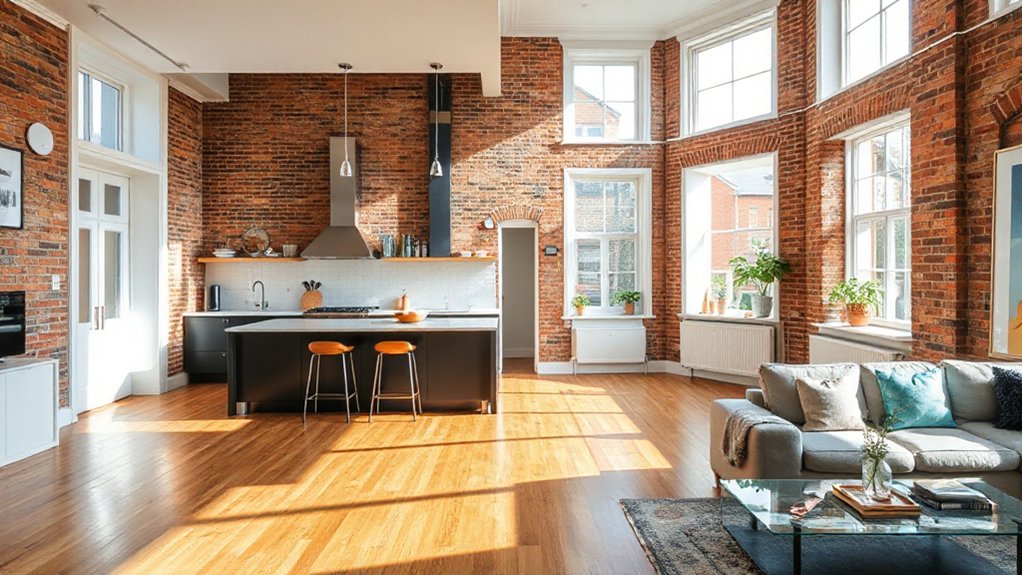
To give first‑time buyers the best return in Liverpool, start with high‑impact, durable upgrades: upcycle period features in Georgian townhouses, implement smart kitchen layouts for compact spaces, and upgrade insulation, windows, and heating to slash bills. Prioritize hard‑wearing finishes and reliable trades, backed by a transparent budget and phased milestones. Aim for quick wins like energy‑efficient lighting and low‑maintenance fittings. Focus on neighborhoods with clear demand signals for growth. Keep these priorities in sight to move faster and smarter—and you’ll reveal more strategies soon.
The Essential Renovation Checklist for Liverpool Buyers

Before you start any renovation, you should establish a clear, evidence-based checklist tailored to Liverpool’s market and housing stock. You’ll assess structural integrity, damp risk, and energy efficiency, prioritising fixes that boost value without overextending your budget.
Build a timeline with realistic milestones, phasing decisions around your mortgage and conveyancing timeline. Consider neighborhood demand, transport links, and school catchments to maximise resale appeal.
When you factor Historical preservation, you’ll respect period details where feasible, while negotiating allowances for permitted modern upgrades.
Embrace Modern design to harmonise form and function, choosing durable materials that survive Liverpool’s weather and lifestyle.
Document costs, permits, and warranties in one concise file. This disciplined approach helps you belong to a thoughtful buyer community, making confident, purposeful choices rather than speculative bets.
Upcycling Period Features in Liverpool Georgian Towns
Georgian townhouses in Liverpool offer a rich palette of period features that can be upcycled to modern effect without losing their character. You’ll leverage existing details—cast-iron radiators, plaster mouldings, fireplaces, and sash windows—to create contemporary comfort with historical texture.
Prioritize practical upgrades that respect structure: insulation behind cornices, draft-proofing around seals, and discreet lighting that highlights arches without overpowering them.
Upcycling ideas include repainting original woodwork in muted tones, reproducing hardware for a cohesive look, and reusing tiled hearths as focal kitchen islands.
Consider glass inserts in staircases to improve light flow while preserving rhythm.
Smart Kitchen Layouts for Small Liverpool Homes
In small Liverpool homes, you’ll optimize flow by zoning the kitchen into prep, cook, and cleanup areas, keeping each function compact and connected.
Smart storage solutions—pull-out shelves, corner units, and vertical organizers—unlock counter space without sacrificing accessibility.
Mindful appliance placement, prioritizing a compact fridge, slimline dishwasher, and integrated surfaces, reduces clutter and supports efficient workflow.
Compact Kitchen Zoning
Could you make the most of a compact kitchen in small Liverpool homes by zoning for flow and function? In tight spaces, deliberate zones create intuitive movement: prep near the fridge, cook near the oven, and cleanup close to water.
Use a linear or L-shaped layout to minimize crossing paths and maximize counter space. Prioritize clear sightlines and reachable storage so every task feels effortless.
Open shelving can visually expand the area and keep essentials within reach, while concealed storage reduces clutter.
Choose color schemes that reflect light and cohesion—soft neutrals with a bold accent wall or cabinetry—so the kitchen reads larger and calmer.
This zoning mindset fosters belonging by making daily rituals predictable, efficient, and enjoyable for you and your household.
Smart Storage Solutions
Smart storage is the backbone of a functional kitchen in tight Liverpool homes, turning limited space into daily efficiency. You’ll gain more usable counter real estate when provisions live in smart, accessible zones rather than sprawling cupboards.
Think modular cabinets, pull-out pantry shelves, and vertical dividers that keep utensils and cans organized without clutter. Prioritize space optimization by grouping items by frequency and meal type, then label clearly for quick retrieval.
Corner solutions, toe-kick drawers, and hinged lids that open wide reduce wasted space and improve flow during prep. Integrate shallow, multi-tier trays for odds and ends, and consider magnetic strips for knives and metal tools.
With smart storage, you nurture belonging through a kitchen that feels crafted for you.
Appliance Placement Tips
Optimizing appliance placement follows smart storage by aligning bulky items with workflow and space realities in compact Liverpool kitchens. You’ll gain efficiency by grouping essential appliances near prep zones and outlets, reducing reach and clutter.
Consider a linear or L-shaped layout that keeps the work triangle intact, so movement stays fluid and fatigue stays low. Prioritize built-ins or compact models to maximize narrow footprints, and place the fridge, oven, and sink within easy reach to support daily routines without crowding counters.
Think ergonomics: adjustable heights, pull-out shelves, and thoughtful lighting to aid visibility. This approach reinforces belonging, showing you can create functional, cohesive spaces.
Appliance placement becomes a collaborative effort between form, function, and your everyday rhythm.
Bathroom Upgrades That Increase Value Fast
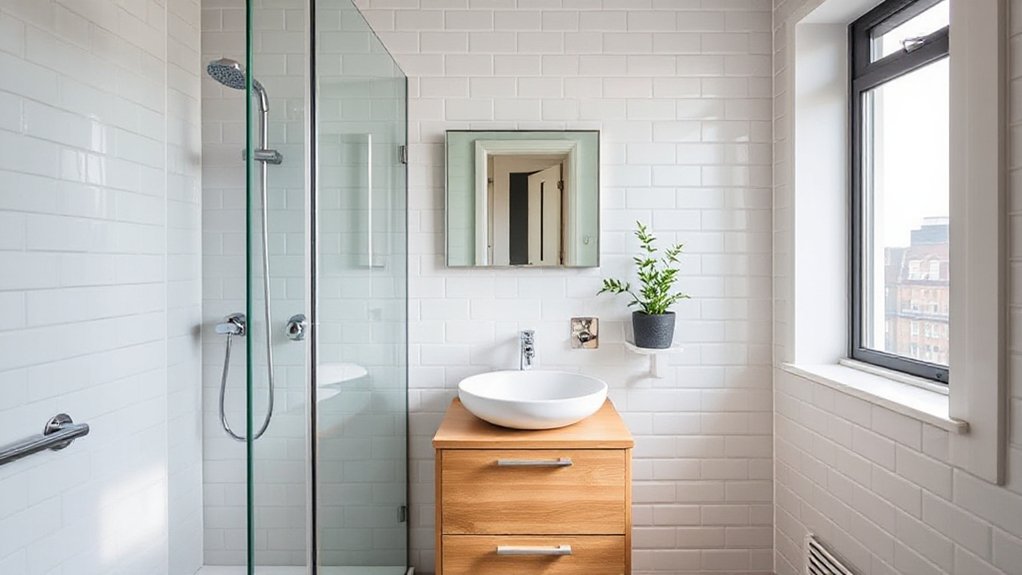
Upgrading a bathroom can deliver fast, noticeable value for first-time buyers, especially when you prioritize cost-effective changes with broad appeal. You’ll focus on timeless fixtures, clean lines, and minimal maintenance to boost perceived quality without overspending.
Prioritize bathroom aesthetics that feel fresh and cohesive—white, neutral tones, and slip-resistant flooring create universal appeal across Liverpool neighborhoods. Fixture upgrades, like a modern vanity, efficient low-flow faucet, and a reliable showerhead, deliver perceived luxury with practical returns.
Keep layouts simple to maximize usable space, reduce clutter, and enhance storage—essential for first homes. Choose durable finishes and easy-care surfaces to minimize long-term upkeep.
This approach blends affordability with style, helping you belong in a market valuing both function and vibe.
Insulation, Windows, and Heating Upgrades to Slash Bills
Insulation, windows, and heating upgrades can meaningfully cut bills without sacrificing comfort; done right, they deliver quick, measurable savings. You’ll feel the difference indoors as drafts disappear and consistent temperatures hold, even on Liverpool’s brisk days.
Prioritize thermal insulation first: seal gaps, add loft and cavity insulation, and choose high-performance insulation materials to reduce heat loss.
Then consider window upgrades that blur the line between efficiency and comfort; modern, well-sealed windows minimize heat transfer while improving daylight and noise control.
Pair these with a condensing boiler or heat pump to optimize efficiency without sacrificing convenience.
Together, these upgrades boost value, lower monthly bills, and foster a sense of belonging in a home that stays warm, quiet, and welcoming year-round.
Permits, Timelines, and Budget Tips You Can Use
Understanding permits, timelines, and budget early helps you avoid costly delays, keep projects on track, and protect your bottom line.
You’ll map essential permit timelines, estimate costs with realistic buffers, and spot hidden fees before you sign a contract.
This sets a precise framework for the renovation, so you can move forward with clear milestones and accountable budgeting.
Permits Timeline Essentials
Permits set the tempo for any renovation, so start by mapping the approval timeline against your project scope and budget. You’ll want a realistic window for applications, reviews, and potential amendments.
Then, align milestones with contractor handoffs and material lead times. Stay proactive: build a buffer for permit delays and keep a clear record of correspondence with planning authorities.
Understand zoning regulations early, because even small changes can trigger compliance steps that slow progress. Document your design intent, site constraints, and waste management plans to minimize back-and-forth.
Communicate transparently with your team and neighbors to reduce surprises. By treating permits as a collaborative timeline, you’ll maintain momentum, manage risk, and preserve a sense of belonging within your renovation community.
Budget Planning Tips
Budget planning isn’t just about numbers; it’s about aligning permits, timelines, and cost controls so your project stays on track. You’ll map a realistic sequence, build in contingency, and reserve funds for essentials like home decor and lighting design.
Track milestones weekly, not monthly, so you catch overruns early. Prioritize transparent budgeting with suppliers and trades, locking quotes in writing to avoid surprise increases.
Separate your must-haves from nice-to-haves, then test every decision against your overall home identity and sense of belonging. Build a simple change-log to curb scope creep and protect your schedule.
Finally, create a lightweight cash-flow model that shows inflows, outflows, and the buffer, so you feel confident guiding the renovation toward a cohesive, welcoming finished space.
Permit Cost Insight
Ever wondered how permit costs thread through your renovation timeline and budget? You’ll learn to map permit cost to milestones, so delays don’t derail your plan.
In Liverpool, renovation permits shape both approval windows and cash flow, so pinpoint early estimates for trades, inspections, and potential fee hikes. Start with a realistic baseline: research current rates, then add a contingency for unforeseen requests.
Timelines matter—permit processing can stretch weeks, not days, and your contractor’s schedule hinges on approvals.
Track every charge—from application fees to amendment charges—so you’re not surprised at the finish line. This clarity helps you set a reachable budget and communicate with lenders, neighbors, and buyers.
With careful planning, permit cost becomes a transparent, manageable part of your renovation permits journey.
Liverpool Neighborhoods With Strong Buy-And-Rent Potential
Liverpool’s rental market is underscored by steady demand and affordable entry points, making certain districts especially attractive for buy-and-rent strategies. You’ll find neighborhoods where steady occupancy and rental yields align with renovation pace, letting you balance capex with predictable income.
Focus on areas with solid neighborhood history, where long-term tenants value rooted communities, while you still access growth via value-add projects. When evaluating, weigh proximity to universities, transport links, and evolving local amenities, not just price per square foot.
Prioritize districts with visible demand signals: turnover rates, occupancy stability, and active investor interest. Your goal is sustainable returns, built on clear data, realistic timelines, and a sense of belonging that keeps residents renewing leases.
Hard-Wearing Finishes That Stand Up to Liverpool Life
You’ll want durable flooring options and stain-resistant surfaces that shrug off everyday Liverpool life. Consider finishes that balance price, wear, and ease of cleaning, so you don’t trade performance for style.
This discussion starts with evaluating where foot traffic lands and how spills or scrapes affect long-term value.
Durable Flooring Choices
Durable flooring isn’t a luxury for first-time buyers—it’s a necessity that shields your wallet and your time. In Liverpool life, you’ll appreciate finishes that endure high foot traffic, kids, and the occasional spill.
Choose durable flooring that pairs with a practical budget and resale value. Long lasting materials like performance vinyl, engineered hardwood, or ceramic tile offer stability under common furniture layouts and seasonal shifts.
Consider moisture resistance in kitchens and entryways to prevent rapid wear. Prioritize secure underlayment and solid installation to minimize squeaks and gaps.
Opt for neutral tones and simple textures that age well and feel welcoming to guests; this supports a sense of belonging as you settle in.
Durable flooring set thoughtfully today pays dividends tomorrow.
Stain-Resistant Surfaces
Stain-resistant surfaces matter when you’re juggling budget, cleaning time, and resale value, especially in busy Liverpool homes. You’ll benefit from choosing materials that tolerate everyday mishaps without sacrificing style.
Look for stain resistant surfaces that resist coffee, wine, and oils while still feeling durable and premium. In kitchens and bathrooms, stain proof countertops reduce upkeep, letting you enjoy the space rather than obsess over spills.
Consider solid surfaces, quartz blends, and treated laminates that offer consistent color and seamless joints. For longevity, pair these finishes with easy-clean sealants and low-absorption tiles.
This approach builds confidence in renovations, helps you belong in a modern, practical home, and protects your investment as you adapt to Liverpool life.
Finding Reliable Trades and Protecting Your Renovation Budget
To find reliable trades and protect your renovation budget, start by vetting contractors as rigorously as you’d an investment: check licenses and insurance, read recent reviews, and request portfolios with clear cost breakdowns. You’ll feel more confident when portfolios reveal scope, materials, timelines, and contingency allowances.
Prioritize transparent trade negotiation, where every line item is defendable and no hidden fees slip in as surprises. Build relationships with builders who explain risks honestly and offer phased milestones, so you retain leverage if quality shifts.
Insist on renovation insurance coverage that protects both you and the project from common setbacks. In Liverpool, align with trades who communicate progress openly, respect timelines, and share practical cost-saving ideas without compromising standards.
Belonging grows from trust, clarity, and consistent accountability.
Quick-Win Projects to Move In Smarter and Faster
Quick-win projects let you settle in faster while preserving long-term value. In Liverpool homes, you’ll target low-effort changes that boost daily comfort and curb appeal without derailing your budget.
Start with energy efficient lighting: swap old bulbs for LEDs, add dimmers, and plan layered lighting to create depth in living spaces. It’s an immediate payoff that lowers bills and improves ambiance for gatherings with neighbors and friends, reinforcing a sense of belonging.
Next, consider DIY gardening areas—container planters or a small herb bed on a balcony—to bring greenery into daily routines and foster community talk.
Keep ripples small but thoughtful: label zones, schedule seasonal refreshes, and document improvements for resale. These focused moves keep momentum without overcommitting.
Frequently Asked Questions
How Long Does a Typical Liverpool Renovation Project Take From Start to Finish?
A typical Liverpool renovation project takes about 8–12 weeks, depending on scope. You’ll benefit from a clear renovation timeline and solid project planning, ensuring you feel supported, informed, and in control throughout every stage of the process.
What Are Common Hidden Costs First-Time Buyers Overlook in Liverpool?
Hidden costs bite early, especially in Liverpool. You’ll face renovation surprises like drainage, permits, and VAT creeping in; budget 10–15% extras. Imagine a tea kettle: small hiss becomes steam—plan contingencies, then you’ll feel you belong and succeed.
Which Liverpool Areas Offer the Best Short-Term Rental Yields?
You’ll find the best short-term yields in high-demand areas with strong property management infrastructures, aligned to rental market trends. You should assess neighborhoods offering community amenities, affordability, and steady occupancy to cultivate belonging and reliable cash flow.
How Can I Avoid Encountering Damp or Mold in Older Liverpool Homes?
Initially, you prevent damp by fixing basement moisture and improving ventilation solutions; coincidence shows when you act, mold risks fade. You’ll belong by staying proactive, monitoring humidity, sealing leaks, and selecting breathable finishes that suit older Liverpool homes.
What Grants or Funding Options Are Available for Renovations in Liverpool?
You can access grants and funding for renovations in Liverpool through Historic preservation programs and energy efficiency incentives, including local council support and national schemes, which help you invest wisely while strengthening community ties and preserving character.
Conclusion
You’ve got a clear blueprint for turning a Liverpool fixer into a smart, livable asset. Focus on essentials first—insulation, windows, and efficient heating—to slash bills fast. Upgrade kitchens and baths where it moves value most, and pick hard-wearing finishes to weather Liverpool life. Build a reliable trades network and guard your budget like a treasure. Think of your renovation as a compass, pointing you toward comfort, cash flow, and the home you can proudly call yours.