Ever wondered what are potential Bathtub Reglazing Pros And Cons, if you are on a tight budget? A typical bathroom renovation case shows a chipped enamel tub transformed in two days with reglazing, delivering a glossy finish without a full replacement. You’ll weigh quicker upgrades against the potential for peeling if prep isn’t thorough. Wondering whether the cost, time, and upkeep align with your goals? Explore how preps, coatings, and maintenance affect durability and long-term value, so you can decide if reglazing fits your bathroom’s needs.
Is Reglazing Worth It? When to Choose Reglazing
Is reglazing worth it, and when should you choose it? You assess longevity, cost, and disruption, then decide if the upgrade aligns with your priorities.
Reglazing extends a worn bathtub’s life without a full replacement, delivering a durable, smooth surface in hours rather than days of construction.
If your tub shows light to moderate wear—chips, dull finish, and minor staining—reglazing offers solid value.
Consider it when you want faster turnaround with minimal dust and mess.
For historic bathrooms, reglazing preserves vintage aesthetics while restoring a solid seal, supporting historical restoration goals.
Choose reglazing if you value efficiency and a clean, modern look without extensive renovations.
Look for eco-friendly materials and skilled technique to maximize durability and environmental compatibility.
Cost vs. Time: How Reglazing Stacks Up
When you weigh time and cost, you’ll see reglazing offers a faster, cheaper alternative to replacement with fewer disruptions.
You gain a clear short-term saving, but you should assess long-term value, durability, and maintenance needs.
This balance—time saved now versus long-term costs—drives the overall return on investment.
Time and Cost Tradeoffs
While reglazing offers a quick refresh relative to full replacement, the time and cost tradeoffs hinge on scope, prep, and durability. You weigh upfront material costs against labor and disruption, noting that a DIY reglazing kit saves money but demands meticulous surface prep and proper ventilation.
Professional work adds reliability, faster turnaround, and a longer lifespan, often priced with warranty and cleanup included.
Durability hinges on surface condition, coating quality, and follow-up care, so a seemingly cheap fix can incur higher maintenance if prep was rushed.
Eco-friendly options exist, but you must verify emissions, disposal rules, and product recyclability.
Consider whether the project fits your schedule and budget, and decide between DIY vs professional based on skill, safety, and desired certainty of results.
Long-Term Value Assessment
A careful long-term value assessment weighs not just the upfront price but the ongoing time and cost burden of reglazing versus alternatives. You’ll compare durability, maintenance, and respray cycles with the potential of historical restoration and artistic customization.
Reglazing often saves immediate cash versus full replacement, yet you’ll face periodic re-coats and polishing that accumulate time and expense. Consider surface longevity, epoxy safety, and tile compatibility to forecast future repairs.
If you pursue historical restoration, you may value preserved era detailing over short-term savings, even at higher initial costs. Artistic customization can add charisma but may extend upkeep.
Overall value hinges on how long you stay, the renovation’s scope, and your tolerance for mid-life refreshes. Strategic choices prevent regret and maximize long-term equity.
- Durability vs. upkeep cadence
- Historical restoration implications
- Artistic customization impacts
- Replacement vs. reglazing math
- Long-term equity considerations
Aesthetics After Reglazing: What You’ll See
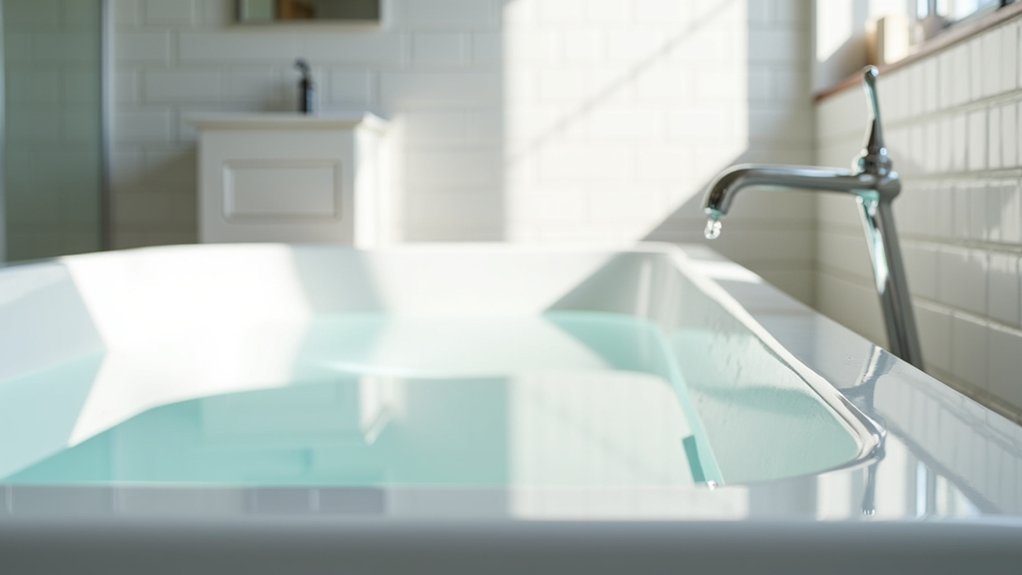
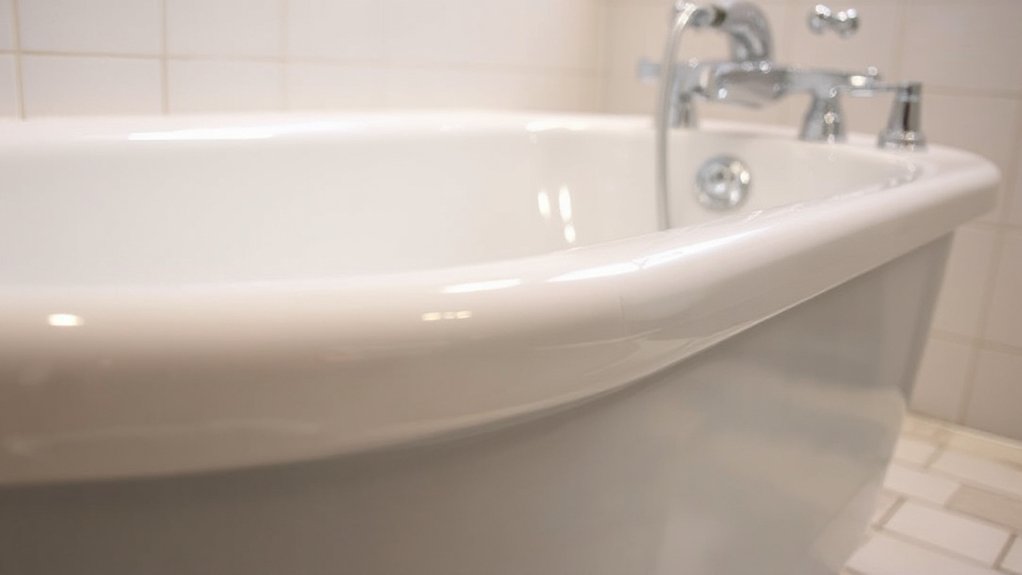
Aesthetics after reglazing are immediate and noticeable: a fresh, uniform color and a smooth, glossy finish that can make your tub look almost new. You’ll see a uniform sheen across all surfaces, with reflected light enhancing the perception of cleanliness.
Color options depend on the epoxy system you choose; professional installers can match or modernize your bathroom palette, from classic whites to deeper hues.
Surface textures range from glassy to subtly brushed, depending on the product and technique, but most reglazes deliver a sleek, nearly seamless surface.
Expect sharp edges and a consistent profile where coatings meet tiles and fixtures.
While color consistency and gloss are strong, minor micro-texture variations may occur, which skilled crews can minimize through surface prep and controlled curing.
Durability: How Long the Finish Really Lasts
Durability hinges on the quality of the reglazing materials and the prep you invest in. You’ll see longer life when you control adhesion foundations and coat consistency, not just the top layer. Finish longevity hinges on understanding surface preparation and how the coating bonds to existing substrates, plus the chemical composition of the glaze.
If prep is sloppy, microchips or peeling follow, shortening its lifespan. You should expect durable results when you follow manufacturer guidance for curing, cleaning, and re-sealing where needed.
- Surface preparation decisions dictate adhesion strength and wear resistance
- Chemical composition determines hardness and stain resistance
- Proper substrate repair minimizes micro-faults that propagate failure
- Even film thickness reduces edge peeling and cracks
- Curing conditions influence full cure and longevity
Fumes, Odor, and Safety: What to Expect
Expect some fumes and odor as the reglazing process starts, and plan for proper timing so you aren’t impacted during peak emission periods.
Make sure you have good ventilation and use the recommended safety measures to protect your breathing and skin.
We’ll cover fume levels, timing windows, and the exact ventilation steps you should follow.
Fume Levels and Timing
When you’re reglazing a tub, expect noticeable fumes and odor during the process, but the level and duration depend on the materials used and ventilation.
You’ll need to plan for a temporary shine-to-dry window, typically within a few hours to a day, depending on humidity and airflow.
Focus on fume mitigation and odor control to reduce health risks and downtime.
Work in a well-ventilated area and follow label directions for open-venting or masking; avoid close exposure.
Minimize remaining odor after cure with air cleaners or fresh air intake as recommended by pros.
Timing varies by product, but prioritize safety over speed to protect you and occupants.
- fume mitigation
- odor control
- ventilation importance
- product-specific cure
- safety-first planning
Ventilation and Safety Measures
Ventilation and safety are non-negotiable during tub reglazing: proper airflow keeps fumes down, odors manageable, and health risks minimal.
You’ll want a clear plan for indoor air quality before you start, including temporary enclosure and dedicated exhaust.
Use ventilation systems designed for solvent-based coatings, and verify that fans exhaust to the outdoors, not into occupied spaces.
Keep doors open to adjacent rooms only if they won’t spread fumes, and seal off the bathroom from living areas as needed.
Wear a respirator appropriate for organic vapors and gloves; eye protection is essential.
Schedule work when nearby occupants aren’t present, and test air quality after completion.
Document ventilation effectiveness for future projects, and review product safety data sheets for any lingering vapors.
How to Pick a Reputable Reglazing Pro
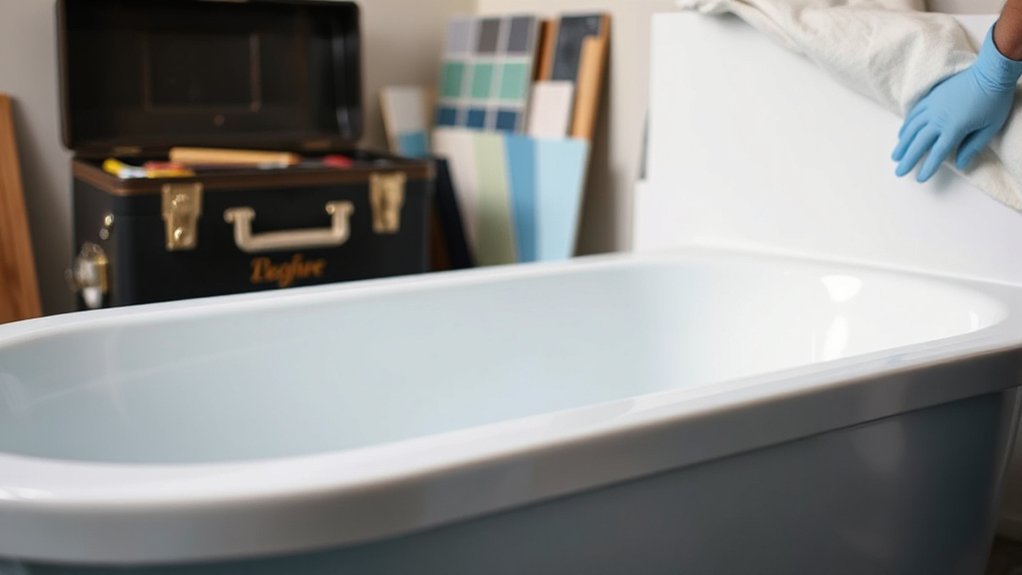
To pick a reputable reglazing pro, start with solid references and proven credentials. You want a pro who demonstrates proven results, uses proper reglazing techniques, and respects your bathtub material. Check licensing, insurance, and customer reviews.
Request before-and-after photos and a detailed quote that itemizes materials and labor. Ask about warranty terms and clean-up procedures. Verify they use manufacturer-approved coatings compatible with your tub’s material.
Confirm scheduling, turnaround time, and dust-control measures. Ensure they explain surface prep steps and safety practices.
Compare multiple bids to gauge fairness and transparency.
- Verify licenses, insurance, and manufacturer certifications
- Review real customer references and project photos
- Confirm coating compatibility with your bathtub material
- Insist on detailed, written quotes and warranty terms
- Assess prep, safety, and cleanup commitments
Prepare Your Tub Before Pros Arrive
Preparing your tub before the pros arrive sets the stage for a smooth reglazing job. Before the team shows, clear the area and remove personal items, soap dishes, and loose hardware. Wipe down surfaces with a non-abrasive cleaner to minimize dust and oil residues.
Emphasize venting; open nearby windows or run a fan if permitted. Gather essential materials the crew might need, including towels, brushes, and rags, but avoid clutter that could hinder access.
As for cleaning techniques, use gentle, residue-free products to prevent film buildup that could affect adhesion. Verify material compatibility by noting the tub’s coating material and any recent repairs.
Document existing imperfections and share them with the pro to tailor prep steps and guarantee ideal bonding.
Maintenance and Long-Term Care: Keeping the Finish Fresh
Regular maintenance extends the life of a reglazed tub and keeps the finish looking fresh. To preserve color and sheen, follow a steady cleaning routine and gentle products. You’ll want to avoid abrasive pads and harsh solvents that can dull the glaze.
When you plan maintenance, consider how color options and texture variations appear over time, and adjust cleaning methods accordingly.
- Use non-abrasive cleaners to protect the glaze
- Wipe dry after use to prevent mineral deposits
- Test non-toxic products on a small area first
- Schedule annual inspections for micro-scratches
- Refinish promptly if you notice wear or color fading
Alternatives and How to Decide Between Paths
What really matters when choosing between reglazing paths is aligning options with your bathroom’s use, budget, and long-term goals. You’ll compare alternatives like full reglaze, tile surround updates, or durable refinishing kits.
Consider eco-friendly options, durability, and noise or downtime during installation. If you value quick turnaround and lower costs, DIY restoration and at-home kits may seem appealing, but weigh the prep quality and ventilation needs carefully.
For lasting results, professional reglazing offers superior chemistry and surface prep, though at a higher price and longer cure time.
If longevity and maintenance ease drive you, a hybrid approach—partial refinishing paired with durable sealants—can balance cost and performance.
In all cases, verify warranties, surface compatibility, and required maintenance schedule before committing.
Frequently Asked Questions
Can Reglazing Fix Chips or Cracks in Tubs?
Yes, reglazing can fill minor chips and cracks, but it’s not a cure-all.
For best results, you must assess the Bathtub material and guarantee proper surface preparation. The coating bonds to clean, smooth surfaces, so professional repair may be needed for deep cracks or structural issues.
Expect some chips to reappear if damage is extensive. Proper surface preparation and compatible materials are essential to long-lasting results.
Is Reglazing Safe for Fiberglass Tubs?
Yes, reglazing can be safe for fiberglass tubs when performed correctly. You must guarantee surface prep is thorough and the coating adheres to fiberglass durability standards.
Expect proper ventilation and a skilled applicator, since improper technique risks peeling or fumes.
Consider a Reglazing cost analysis to compare with replacement.
You’ll protect your investment with compatible epoxy, primers, and curing times, minimizing impact on tub strength and longevity.
Always verify product compatibility with fiberglass before proceeding.
How Long Before You Can Use the Tub After Reglazing?
You typically can use the tub again after 24 to 48 hours, depending on the product and climate. Make certain the coating is fully cured before exposure to heavy water or cleaning agents.
During curing, avoid bathtub cleaning and keep surfaces dry. When you resume, use mild cleaners and non-abrasive pads.
Reglazing costs vary by surface and labor, so confirm the timeline with your professional. For best results, follow the manufacturer’s cure and care instructions carefully.
Will Reglazing Void Existing Warranty or Insurance?
You’ll likely preserve warranty and insurance, but it hinges on proper process. About 60% of homeowners see no coverage changes if reglazing is done by a licensed pro.
If you DIY or use unapproved products, warranty coverage and insurance implications can be voided. Always verify with your insurer and manufacturer.
Make sure you keep receipts, product specs, and contractor details. This shows you followed professional standards and minimizes risk to warranty coverage.
Can Reglazing Match Specific Nonstandard Colors?
Yes, reglazing can match some colors, but not guaranteed to hit every shade. For nonstandard custom colors, you’ll typically choose from a palette and rely on color-matching accuracy margins.
If you need a precise match, request a sample card or a color-matching service beforehand.
In practice, discuss deadlines, durability, and matte vs gloss finishes to guarantee the custom color options meet your expectations and installation standards.
Conclusion
Reglazing is a smart shortcut when you want a fresh look fast, but it’s not a magic fix. If you’re aiming for chipped-free durability and long-term cost predictability, weigh prep quality, coating choice, and maintenance, and consider alternatives for heavy wear or vintage value. If you trust a skilled pro and plan for upkeep, you’ll gain a beautiful finish that stands up to daily use. Treat it as a considered investment, not a one-and-done solution.