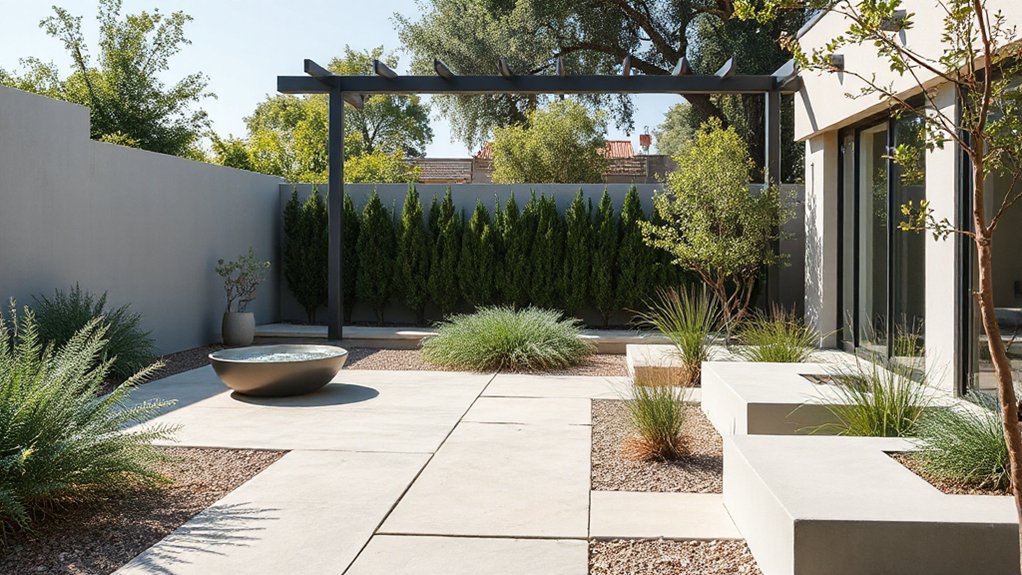
To create a low-maintenance, modern garden, start with a practical plan that emphasizes drought-tolerant plants, clean lines, and durable hardscapes. Assess your site for sun, shade, and microclimates, then select architectural plantings with simple forms in contrasting textures. Use hardscapes—concrete, stone, or steel—for structure and minimal upkeep, and install smart irrigation with zoning and soil moisture sensors. Embrace sustainable practices and realistic budgets to maximize long-term value. With these steps, you’ll reveal a resilient, stylish outdoor space that rewards efficiency and appeal.
Define Goals for a Low-Maintenance Modern Garden
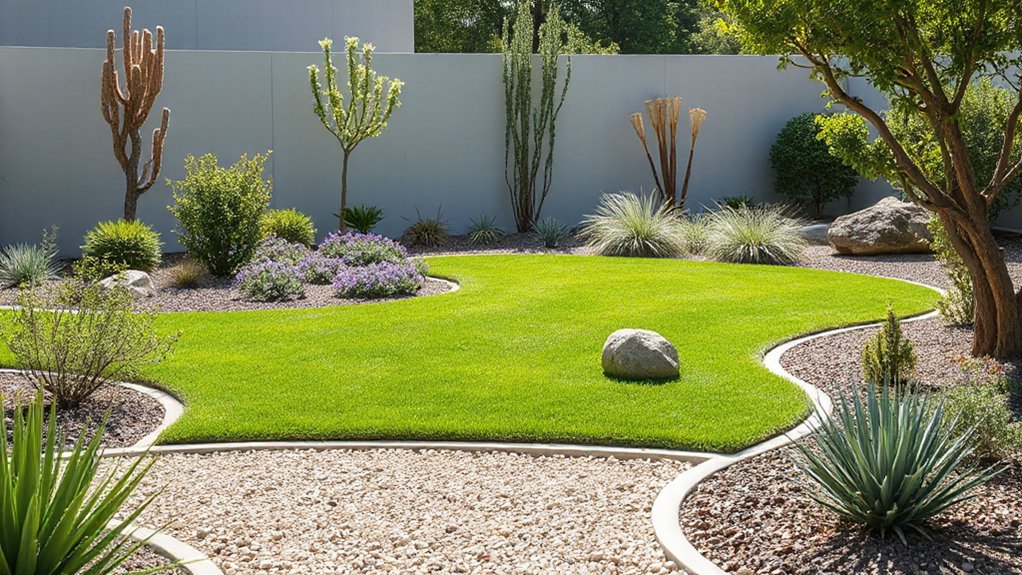
To define goals for a low-maintenance modern garden, start by identifying the core functions you want it to perform—year-round appeal, minimal upkeep, and efficient water use.
You then translate those functions into measurable objectives: target bloom periods, reduced pruning, and drought-tolerant species selection.
Define tolerances for maintenance tasks, such as mowing frequency, fertilization intervals, and seasonal cleanups, to establish a predictable rhythm.
Align plant choices with a modular, modular design that supports scalable maintenance—easy access paths, consolidated planting beds, and simplified irrigation zoning.
Integrate garden art as focal accents and structural elements that require minimal intervention, ensuring visual continuity.
Use plant symbolism to convey intended messages or moods through foliage, texture, and color, reinforcing goals without increasing routine labor.
Prioritize documentation, review, and adjustment to sustain clarity and precision.
Assess Your Site: Conditions, Microclimates, and Sun
Assess your site by mapping conditions, microclimates, and sun exposure to inform plant selection and spacing. You’ll evaluate soil type, drainage, compaction, and pH, noting how wind, shade, and heat influence performance.
Document light patterns across seasons, noting bright, partial, and deep shade areas, plus hot-sun pockets. Record available water, irrigation access, and potential runoffs to gauge maintenance needs.
Analyze microclimates created by structures, walls, and vegetation, identifying refuges or exposed zones. Link findings to garden art concepts, selecting materials and textures that suit scale and sun tolerance.
Consider habitat value; plan for wildlife habitat by integrating native edges, shelter, and pollinator-friendly plants where appropriate.
Synthesize data into a site map guiding planting density, spacing, and future upgrades.
Choose Drought-Tolerant Plants With a Modern Look
You’ll prioritize drought-tolerant selections that maintain a modern silhouette, focusing on structural forms, clean lines, and restrained color palettes.
Consider plant choices that require minimal irrigation while delivering high visual impact and consistent textures for contemporary bedding and edging.
Pair these varieties with low-water maintenance strategies—timely pruning, mulching, and strategic spacing—to sustain a sleek, modern look.
Drought-Tolerant Plant Choices
Drought-tolerant plants with a modern look combine sculptural form, restrained color, and compact growth to maintain a clean, low-maintenance border. You select species that cope with limited water while delivering architectural structure, crisp lines, and year-round interest. Focus on low profile silhouettes and soil-forward placement to reduce maintenance needs and conserve moisture.
- Choose genera with strong drought tolerance and low nutrient needs to minimize inputs.
- Prioritize evergreen textures and subtle color to sustain a contemporary aesthetic year-round.
- Integrate plants that also support wildlife habitat and harbor beneficial microhabitats, aiding ecosystem resilience.
In practice, plan propagation zones near irrigation controls, document growth rates, and monitor soil moisture to sustain these selections without overwatering.
Plant propagation and wildlife habitat considerations guide resilient, modern landscapes.
Modern Planting Aesthetics
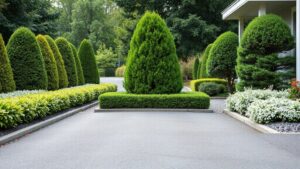
Favor architectural shrubs, grasses, and succulents arranged in clean lines and 90-degree angles to emphasize restraint. Pair low-water perennials with evergreen structure to preserve year-round form.
Incorporate materials and contrasts—stone, steel, and gravel—to enhance geometry without introducing complexity. Use wildflower meadows selectively as focal coves to reduce mowing but preserve openness and flow.
Integrate Japanese rock elements to convey minimalism, scale, and negative space, ensuring focal points align with sightlines. Maintain uniform irrigation zones and minimal pruning to sustain efficiency and a modern, cohesive landscape.
Low-Water Maintenance Strategies
To minimize watering while preserving a contemporary aesthetic, select drought-tolerant species that combine architectural form with low maintenance. You’ll shape a resilient landscape by matching plant traits to climate, soil, and sun exposure, enabling predictable performance with minimal inputs. Focus on species that establish quickly, require infrequent irrigation, and tolerate heat without compromising structure. Consider how plant propagation methods support rapid scaling or replacement, ensuring consistency across beds and accents. Also, prioritize wildlife habitats by choosing natives or regional exotics that attract pollinators and provide shelter.
- Choose geometric, textural forms that maintain visual interest with reduced foliage density.
- Use layered planting to optimize moisture capture and reduce evaporation.
- Plan for sustainable maintenance cycles, integrating mulches and smart irrigation.
Create Clean Lines With Structural Elements
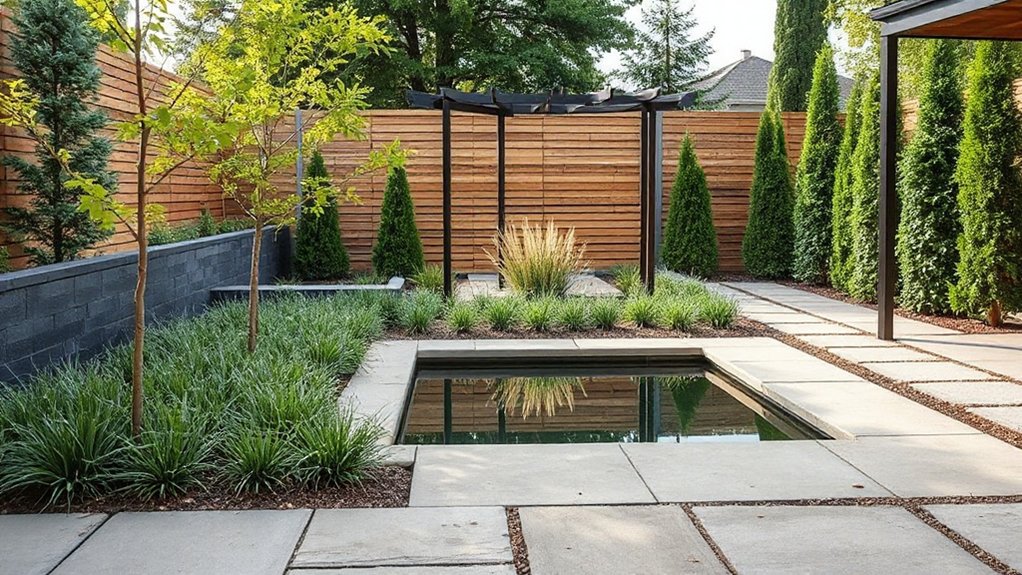
You can establish clean lines by prioritizing strong, vertical or horizontal elements that anchor the design. Choose structural materials and edge techniques that emphasize precision and continuity, like uniform pathways, sharp edging, and supportive frames.
Consider how these elements define space, guide movement, and sustain a low-maintenance aesthetic.
Clean Line Focus
Clean lines are achieved by integrating structural elements that define edges, planes, and rhythm. You create visual order by aligning boundaries, paths, and borders, then control scale with proportional relationships. This focus emphasizes clarity over ornament, using restraint to highlight form.
To reinforce precision, you combine negative space with deliberate placement, producing legible sightlines and easy maintenance. Your approach balances garden art and function, guiding perception toward purposeful design choices without clutter.
- Define edge progressions with straight paths and sharp corners.
- Align planes for cohesive vistas that reduce mulch and pruning needs.
- Schedule focal points and plant arrangement to maintain rhythm and calm.
These practices support a low maintenance aesthetic, ensuring clean lines endure season after season.
Structural Material Choices
Structural materials set the garden’s edges and planes, delivering durable lines with minimal upkeep. You select materials for volume, texture, and rainwater handling, balancing appearance with resilience.
Concrete and steel offer crisp, long-lasting edges suitable for low maintenance, while timber adds warmth with proper treatment and spacing to minimize rot.
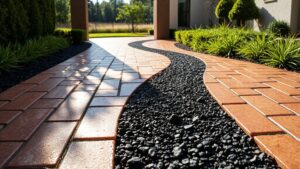
Use permeable pavers where possible to reduce runoff and preserve surface cleanliness. Integrate composite decking for stable, broom-finished planes that tolerate weather without frequent refinishing.
For garden art and sculpture, mount on structural bases to avoid shifting. Metal screens or solid walls can frame planting zones without crowding sight lines.
Consider wildlife habitat by leaving groundcover margins and bird-friendly openings in screens. Prioritize simple junctions, hidden fasteners, and uniform joints to maintain a clean, modern look.
Defined Edge Techniques
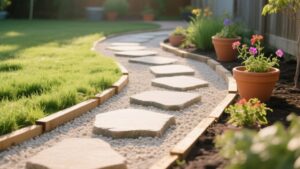
Edges define space and guide perception; with precise structural components you establish crisp lines that read as modern and low-maintenance. Defined Edge Techniques use hardscape forms to carve boundaries and reduce visual clutter, while integrating seamless progressions between lawn, gravel, and planting beds. You’ll deploy continuous edges that resist erosion and minimize maintenance, enabling easy mowing and targeted irrigation.
For best results, select materials with durability, clean profiles, and weather resistance.
- Use integral edging to create uninterrupted sightlines and deter invasions by pests.
- Align paths and beds with sharp corners to emphasize order and reduce upkeep.
- Layer textures sparingly, ensuring edges remain the focal point without inviting wildlife disruption.
Garden pests and Wildlife attraction are mitigated by controlled illumination and strategic plant selection.
Pick Durable, Low-Maintenance Hardscapes
Choosing durable, low-maintenance hardscapes starts with selecting materials that withstand weather, foot traffic, and temperature shifts without frequent upkeep. You prioritize surface stability, slip resistance, and long-term integrity, avoiding porous finishes that stain or crack easily.
Opt for permeable pavers or concrete with sealed joints to manage drainage and reduce weed growth. Then specify non-slip textures for safety. Choose materials that require minimal cleaning and resist fading, such as concrete, natural stone, or high-quality composites.
Plan-for-maintenance access during installation, ensuring clean edges, tight tolerances, and proper drainage slopes. Integrate garden art in sheltered zones to reduce weathering, while maintaining pathways that support wildlife movement.
This approach supports wildlife habitat in edges and plantings adjacent to hardscape, promoting a cohesive, durable, low-maintenance exterior.
Boost Soil Health With Mulch and Amendments
Mulch improves soil structure, moisture retention, and nutrient cycling, setting a stable base for plant roots.
Amendments feed soil microbes, boosting microbial activity and overall soil health.
Together, mulch and targeted amendments drive resilience in a low-maintenance garden while minimizing irrigation and fertilizer needs.
Mulch Benefits For Soil
What benefits does mulch offer for soil health, and how can amendments boost those effects? Mulch layering improves structure and moderates extremes, while preserving soil moisture and reducing evaporation. It shields seeds from temperature swings and suppresses weeds, promoting consistent root development. Properly chosen mulch enhances microbial diversity by providing organic matter that biodegrades into humus.
When you integrate amendments, you fine-tune nutrient availability without overloading the system, maintaining balanced pH and buffering salts.
- Precision moisture retention supports steady plant uptake and reduces irrigation needs.
- Surface protection minimizes crusting, soil compaction, and nutrient leaching.
- Gradual decomposition fuels microbial activity and improves soil tilth over time.
Keep mulch thickness consistent and monitor moisture levels to sustain mulch layering benefits and soil moisture stability throughout seasons.
Amendments For Microbes Boost
Microbes respond to the right mix of mulch and amendments, so apply targeted inputs that boost microbial energy and soil structure without overwhelming the system. You improve soil health by selecting precise amendments that complement your mulch strategy and planting goals.
Use microbial amendments to seed beneficial communities, focusing on local compatibility and tested formulations. Apply finely graded compost, biochar, or rock dust in measured doses to avoid nutrient imbalances.
Monitor moisture, aeration, and pH to sustain microbial activity without creating anaerobic zones. Incorporate organic matter incrementally, aligning applications with plant uptake cycles and seasonal moisture patterns.
Track outcomes via plant vigor, soil texture, and microbial indicators. Prioritize minimal inputs that yield stable, long-term soil health and a resilient, low maintenance garden.
Design an Easy, Water-Smart Irrigation System
A simple, reliable irrigation plan saves water and keeps plants healthy; start by mapping your garden zones based on sun exposure, soil type, and plant water needs. You’ll design a compact, smart system that minimizes runoff and balances uniform coverage with zone-specific schedules.
Precision matters: choose drip or micro-spray emitters, weather-based controllers, and pressure regulators to avoid overwatering.
1) Determine zone priorities by sun, soil, and drought tolerance.
2) Install a controller with evapotranspiration data and seasonal adjust.
3) Use filters and backflow prevention to protect plants and the water supply.
Gardening myths, Plant symbolism, and efficient design converge here, delivering reliable moisture without waste.
Layout for Accessibility and Subtle Lighting
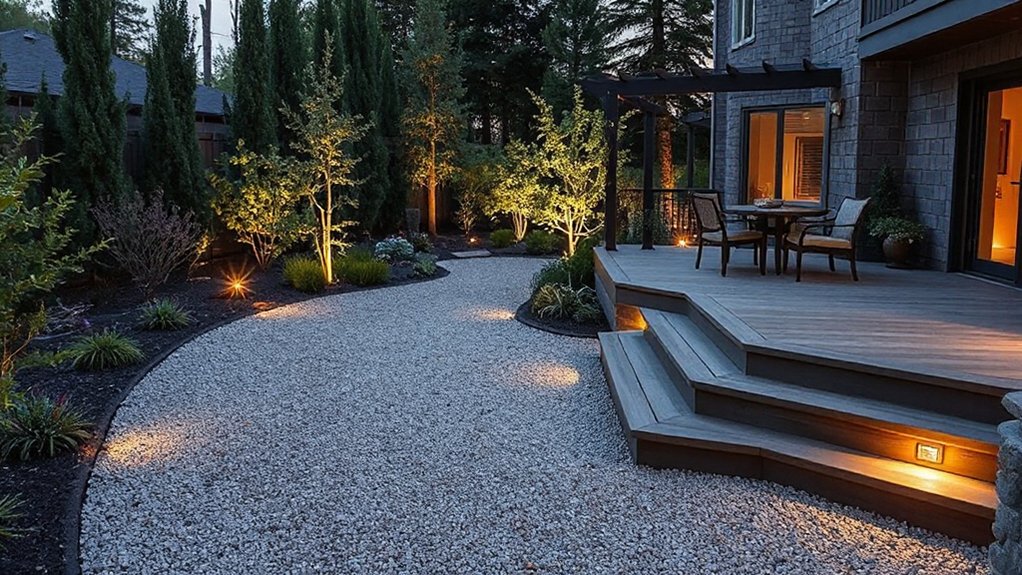
With accessibility in mind, lay out paths, seating, and plantings to guarantee easy navigation and safe, unobstructed use of the garden. Establish clear circulation zones using contrasting, non-slip surfaces and gentle gradients. Minimize steps; where unavoidable, add ramps with guardrails and tactile indicators for guidance.
Position seating at logical intervals beside focal points, ensuring sightlines remain unobstructed by vegetation. Use linear planting beds to reinforce movement paths and reduce tripping hazards.
Integrate subtle lighting along edges and key features to extend usability after dark without glare; select warm, low-intensity luminaires and shielded fixtures to preserve ambiance.
Incorporate Garden art and wildlife habitat elements as non-obtrusive accents that don’t obstruct flow. Prioritize maintenance-friendly materials and modular layouts to preserve function with minimal intervention.
Verify accessibility compliance through routine assessments and adjustments.
Select Low-Maintenance Containers and Vertical Features
Choose durable containers that resist weathering and offer stable drainage, so your plants thrive with minimal upkeep. Maximize vertical space with lightweight, sturdy features—think wall-mounted planters and trellises—that reduce ground clutter while simplifying irrigation and feeding.
Prioritize materials and shapes that minimize staining, cracking, and heavy moving, ensuring long-term, low-maintenance performance.
Choose Durable Containers
When selecting containers for a low-maintenance modern garden, prioritize durability and ease of care to minimize frequent replacements and upkeep. You’ll choose designs that resist cracking, fading, and invasive root systems. Focus on material and construction that balance weight, drainage, and heat tolerance.
Consider how drainage and planting depth interact with the chosen container to sustain plant health with minimal intervention. The right container reduces warping and petty repairs, freeing time for routine checks rather than replacements.
Use these guiding points:
- Favor annular or internal drainage features that prevent waterlogging.
- Ensure planting depth matches species needs while preserving automated moisture balance.
- Prefer stackable, modular forms for scalable, tidy arrangements.
Vertical Space Savers
Vertical space isn’t wasted in a low-maintenance modern garden; it’s utilized with purpose-built containers and structures that minimize upkeep while maximizing growing area. You select vertical space savers that integrate drainage, accessibility, and stability.
Prioritize vertical gardens with modular panels or trellises for rapid installation and minimal soil handling. Use self-watering, compact planters on rails or hooks to reduce frequent watering; choose frost-tighter substrates to limit replacement.
For hanging planters, opt lightweight, rot-resistant materials with standardized fittings to simplify maintenance and replacements. Position planters to reduce weed exposure and optimize sun exposure; stagger heights to improve air circulation.
Combine structural shelves with drought-tolerant species to lower irrigation needs. Regularly inspect connections, seals, and mounting points to prevent failures and ensure ongoing performance.
Create Year-Round Interest With Texture and Color
A balanced garden design achieves year-round interest by pairing texture with color across foliage, bark, and stems. You’ll select materials that deliver consistent form and contrasting surface details, ensuring visual depth from winter to summer. Focus on plant color and structural elements to maintain rhythm within the garden layout, limiting maintenance while maximizing impact.
- Combine evergreen silhouettes with deciduous accents to sustain color and texture through seasons.
- Use bark, foliage, and stems with varied textures for year-round interest and subtle movement.
- Align color choices to light exposure, creating focal points that guide the eye naturally.
Implement this approach in your garden layout, prioritizing plant color and durable textures. Your design remains cohesive, easy to maintain, and visually engaging across all seasons.
Establish a Simple Seasonal Maintenance Routine
To establish a simple seasonal maintenance routine, define a lightweight schedule that aligns with local climate and plant needs, then execute tasks in compact, repeatable steps. You map tasks to seasons: spring clean, summer monitor, fall prep, winter protection. Use a simple checklist to minimize guesswork and guarantee consistency.
Focus on core activities: pruning, mulching, soil checks, weed control, and debris removal. Schedule concise durations and assign fixed days to prevent drift. Maintain garden furniture and outdoor art with light, routine care—wipe surfaces, inspect joints, and rotate displays to prevent wear.
Track results and adjust thresholds for growth or weather shifts. Document observations and adjust plans for the next cycle. This approach keeps maintenance predictable, efficient, and aligned with plant health and aesthetic goals.
Plan Irrigation Zoning and Drainage
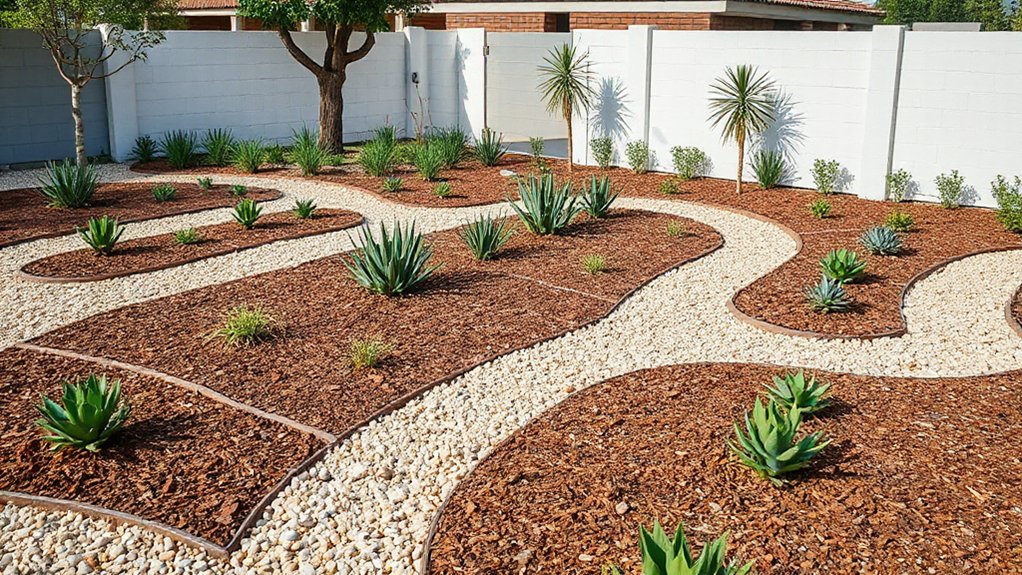
Use a zone-based approach to match water delivery to plant needs and soil conditions, shifting from broad watering to targeted irrigation. You’ll map zones by soil texture, sun exposure, and plant types, then specify irrigation demand per zone to minimize runoff and evaporation.
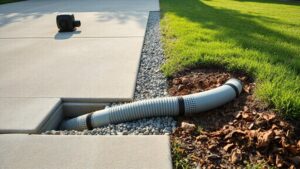
Drainage must prevent pooling; grade beds to slope away from structures and install perimeters or trench drains where needed. Use soil moisture sensors to verify thresholds before running sprinklers, and set controllers for seasonal adjustments with rain delays.
Consider these steps:
1) Separate zones by root depth and drought tolerance.
2) Pair irrigation with mulch and soil amendments to improve efficiency.
3) Integrate garden art and wildlife habitat features into layout without compromising drainage or head placement.
Adopt Sustainable Practices to Cut Upkeep
Efficient, low-maintenance gardens rely on sustainable practices that reduce ongoing labor and resource use. You optimize upkeep by integrating composting basics into daily waste streams, turning kitchen scraps and plant refuse into rich soil amendments that improve structure and moisture retention. This reduces synthetic inputs and supports soil biology, lowering watering needs over time.
Pair composting with mulching to suppress weeds, stabilize soil temperatures, and conserve moisture, which minimizes mowing and manual weeding. Implement pest prevention strategies that emphasize resilience—crop rotation, diverse plantings, and beneficial insects—to reduce chemical interventions.
Use native or well-adapted species to decrease irrigation and maintenance requirements while promoting ecosystem services. Establish a routine to monitor soil health, adjust mulch depth, and stagger plantings for continuous, low-effort performance.
Budget for Long-Term Value
Budgeting for long-term value means prioritizing upfront investments that pay off through durability, low maintenance, and reduced operating costs. You’re selecting elements that endure, minimize ongoing work, and lower lifecycle expenses, keeping a tight project scope and measurable performance criteria.
- Maximize durability by integrating native plants and robust substrates, reducing replacement cycles and irrigation needs.
- Optimize aesthetics with garden art that complements structure while requiring minimal upkeep and seasonal adjustment.
- Lock in savings via modular components, scalable layouts, and efficient irrigation, guaranteeing predictable maintenance and long-term adaptability.
This approach guarantees you maintain site integrity, stabilize long-term costs, and preserve visual appeal. You’ll achieve a low-maintenance, modern garden that sustains itself with minimal intervention and enduring value.
Common Issues in Modern Low-Maintenance Gardens and Fixes
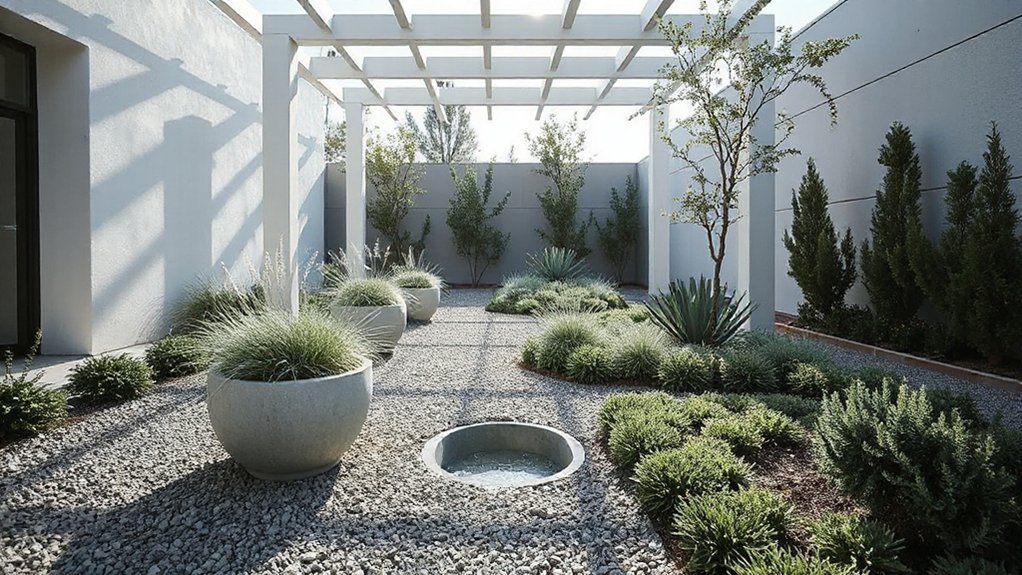
Modern, low-maintenance gardens introduce fewer moving parts, but they still face common issues. Poor drainage can create root rot and weed stress; address this with graded beds, soil amendments, and selective irrigation.
Mulch breakdown accelerates under heavy sun, reducing moisture retention and elevating maintenance; schedule shallow re-applications seasonally.
Compacted soil restricts aeration; implement light aeration and targeted composting to restore structure.
Overly sparse plantings degrade microclimates and wildlife habitat, while excessive ornamentation can demand unnecessary upkeep; balance with clumping, drought-tolerant species and thoughtful tree placement.
Irrigation misconfigurations waste water and encourage disease; install smart controllers and soil sensors, calibrate zones, and review monthly.
Integrate decorative accents strategically to avoid clutter.
Finally, monitor wildlife activity to maintain habitat health without increasing effort.
Frequently Asked Questions
How Often Should I Prune Drought-Tolerant Modern Plants?
You prune drought-tolerant modern plants once a year, typically after bloom; monitor growth and remove dead wood. Use native species wherever possible and apply mulching techniques to conserve moisture and reduce weeds, ensuring consistent soil moisture without overwatering.
What Are the Best Low-Maintenance Grasses for Edges?
Choose native grasses like little bluestem and prairie dropseed, plus ornamental grasses such as fountain grass, for edges; they require minimal maintenance, tolerate drought, and provide year-round structure you’ll appreciate in a modern garden.
How Can I Minimize Weed Growth Year-Round?
You minimize weed growth year-round with proactive weed prevention and mulch strategies, using dense ground covers and timely cultivation. Maintain a thick, organic mulch layer, replenish annually, and target shallow-rooted weeds before seeding, reducing competition and moisture stress.
Which Irrigation Components Require the Least Maintenance?
Drip irrigation and smart watering systems require the least maintenance. Think of a rain-delayed timer as a faithful metronome: steady, minimal fuss. You’ll modify fewer components, monitor pressure, and rely on durable emitters for consistent delivery.
How Do I Plan for Seasonal Color With Minimal Effort?
To plan seasonal color with minimal effort, choose a garden layout prioritizing year-round interest and drought-tolerant options, and select hardy perennials. Focus on plant selection that feeds color shifts, coordinating bloom times while simplifying maintenance.
Conclusion
A low-maintenance modern garden pays off over time when you plan with intent. You’ve defined goals, zoned irrigation, and chosen drought-tolerant plants with durable hardscape. You’ll reduce upkeep by aligning materials, drainage, and microclimates, while sustainable practices cut ongoing costs. Stay precise in pruning, mulch strategically, and monitor soil moisture. If a weed pops up, address it promptly. In a flash of retrofuturism, imagine a chrome sprinkler glinting beneath a sun-kissed hedge, reminding you success is measured in quiet efficiency.