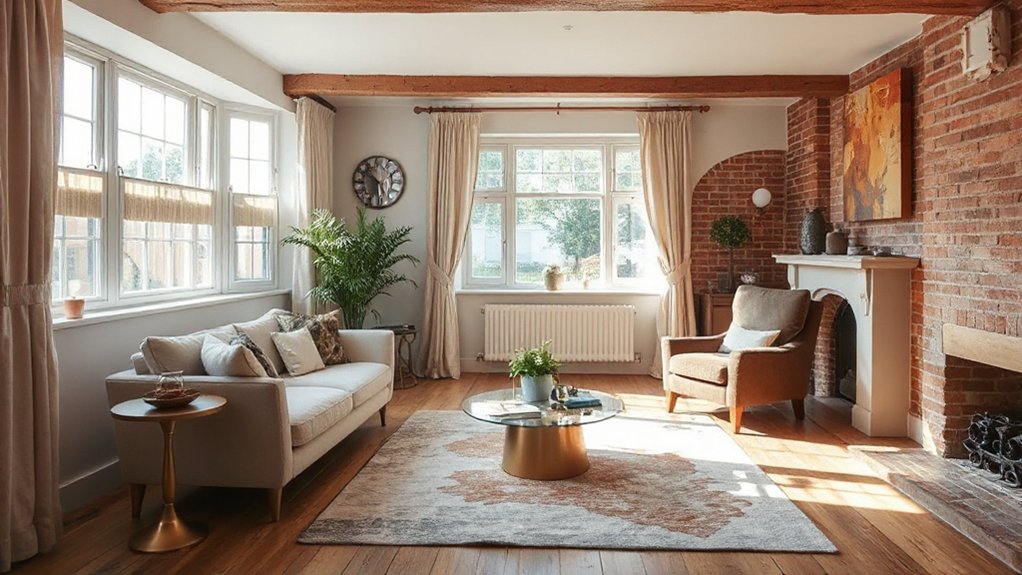
Wanting to know, how to modernise a 1930s home without major structural work? Well let us give you some pointers. A 1930s home is a velvet glove hiding a steel frame with plenty of character you can honor without opening walls. You’ll map clear upgrade goals, refresh finishes, and layer lighting that respects the era while adding modern ease. The trick is balancing authenticity with smart storage, safer electricals, and tighter energy performance. Stay the course as you weigh finishes, fixtures, and layout tweaks—there’s a measured path to modern comfort that still preserves its core.
Define Your Upgrade Goals for a 1930s Home
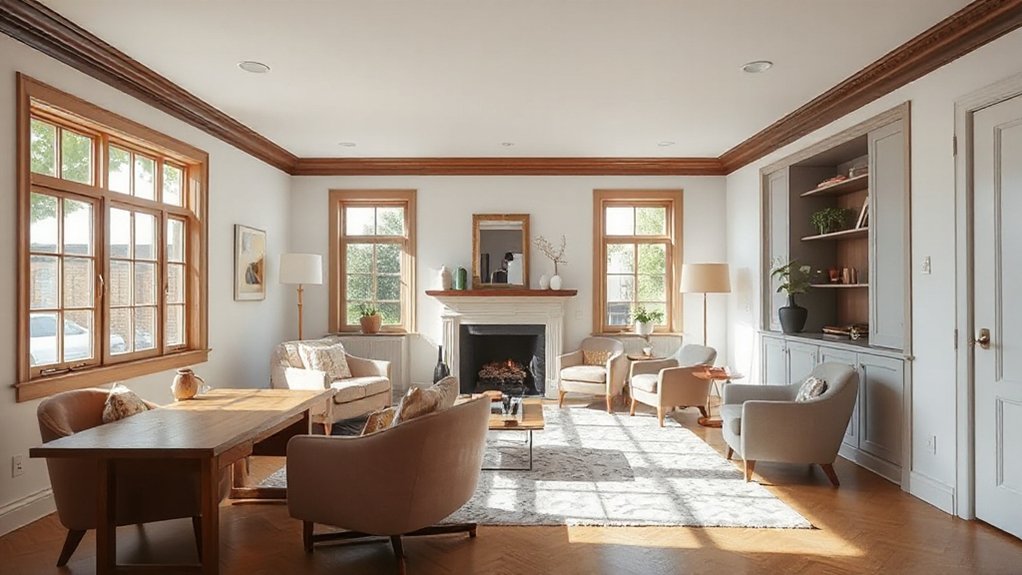
Defining your upgrade goals for a 1930s home starts with a clear picture of what you want to achieve and why it matters. You map outcomes against constraints, balancing comfort, efficiency, and character.
Start by identifying nonnegotiables: structural safety, layout flexibility, and essential systems. Then translate these into measurable targets, such as improved insulation, updated wiring, or added storage, while preserving key elements.
Consider historic preservation and architectural authenticity as guardrails: choose strategies that respect original forms, materials, and proportions, even when you introduce modern performance.
Assess risks and costs, prioritizing changes that unlock long-term value without erasing identity. Document your rationale, establish milestones, and set a testing plan to review progress.
Clear goals guide decisions, reduce scope creep, and keep your project aligned with the home’s intrinsic character.
Refresh Finishes Without Demolition: Quick, Noninvasive Tricks
Refresh finishes without demolition can yield noticeable upgrades in days, not weeks. You approach this with precision, focusing on surface improvements that respect historical authenticity.
Begin by evaluating existing textures and tones, then choose finishes that harmonize with era details rather than overpower them. For walls, consider limewashed plaster or low-sheen paints that echo original palettes, avoiding glossy contrasts that clash with character.
If you’re reimagining cabinetry, replace hardware with period-appropriate pulls and apply durable, clear finishes to preserve grain.
Flooring benefits from targeted refinishing rather than full replacement; sand lightly and seal to maintain authenticity while improving wear.
Prioritize changes that strengthen structural integrity—tighten loose trim, repair gaps, and seal joints. Each tweak should feel deliberate, not decorative, ensuring modern comfort without erasing the house’s essence.
Lighting and Electrical Upgrades for Modern Comfort
Old wiring and outdated fixtures can undermine the improvements you’ve already made, so start by auditing your current electrical setup and lighting layout. You’ll assess circuit loads, identify shared neutrals, and map outlets to rooms and work zones.
Prioritize safety and efficiency with targeted wiring upgrades that support modern demand without invasive rebuilding. In living spaces, choose lighting that blends vintage fixtures with compact LEDs for color accuracy and longevity, avoiding glare and hot spots.
Create layered lighting—ambient, task, and accent—to enhance depth and room function. Receptacle placement should reflect daily use and charging needs, while dimmers or smart controls offer energy savings and mood tuning.
Document wire gauges, breaker dates, and permit requirements to guide compliant, future-proof upgrades.
Smart Storage Solutions to Maximize Space
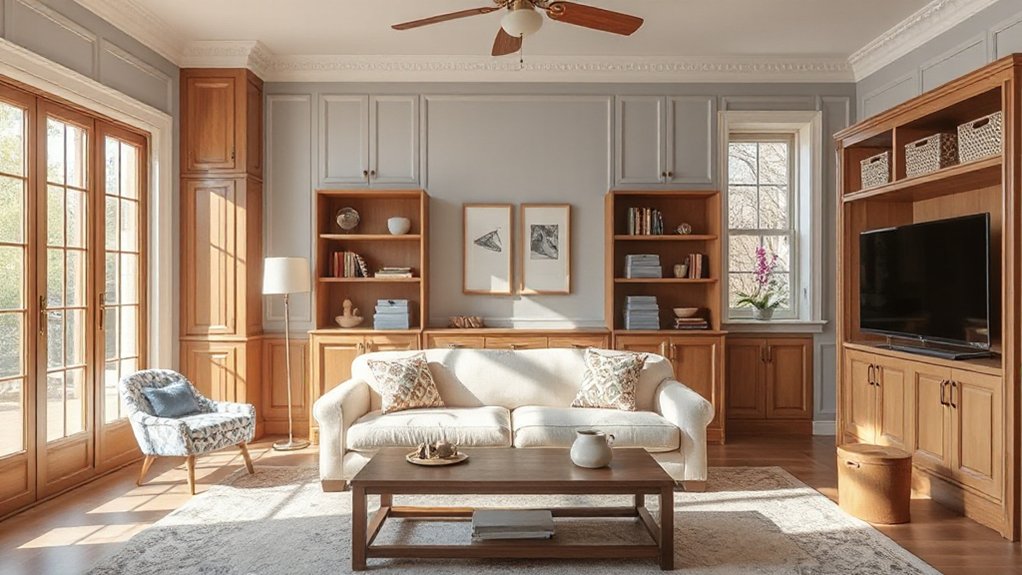
Smart storage begins with identifying hidden opportunities and rethinking every nook for efficiency. You’ll consider hidden storage hacks and vertical space solutions to free floor area without sacrificing function.
Hidden Storage Hacks
Hidden storage is where smart design shows its value: by rethinking every inch, you can reclaim floorspace without altering the structure. You’ll audit nooks and built-ins to identify underused voids, then tailor solutions that feel seamless with the 1930s aesthetic.
Favor pull-out organizers in shallow cabinets, and install hinge‑revealed compartments behind wardrobes or bedside tables to maintain clean lines. Choose furniture with discreet storage—ottomans, coffee tables, benches—that preserve flow while increasing capacity.
Prioritize soft-close drawers and labeled bins to sustain order, reducing visual clutter. Integrate vintage decor with architectural preservation in mind, pairing period detailing with modern dividers.
Use multi-purpose corridors and stair landings for slim, accessible cases, ensuring functionality without compromising the home’s historic integrity or character.
Vertical Space Solutions
Vertical space is often the most underutilized real estate in a 1930s home, yet it offers the most leverage for storage without affecting the footprint. You leverage ceilings, alcoves, and wall cavities with purpose-built solutions that respect period authenticity.
Begin with tall, slender shelving that echoes Art deco lines, using chrome or lacquered finishes to cue the era without overwhelming proportions. Wall-mounted cabinets should be shallow, wide, and subtly recessed to preserve room scale.
Consider overhead racks in kitchens and laundry zones, paired with magnetic or peg-system accessories to keep daily items accessible yet tidy. In living areas, employ tiered display shelving that doubles as room dividers, maintaining flow.
Finally, customize storage cores in stair voids or under stairs, ensuring seamless integration with architectural geometry and timeless restraint.
Energy Efficiency That Keeps the Era’s Charm
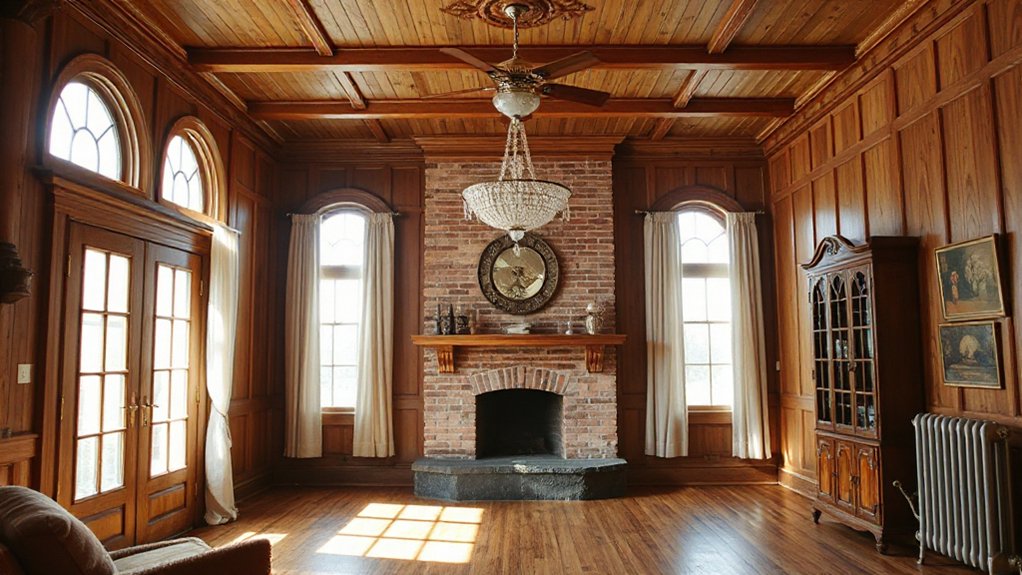
Energy efficiency in a 1930s home is about preserving its character while cutting energy use, not sacrificing warmth or light. You evaluate retrofit options through the lens of historic preservation, ensuring changes respect original forms and proportions.
Begin with insulation strategy that targets gaps without altering window skins or plaster lines, maintaining architectural authenticity. Prioritize efficient, non-invasive upgrades—sealed sash, behind-wall insulation, and draft-resistant entry points—so you retain the era’s silhouette and daylight quality.
Choose high-performance but sympathetic glazing framed to resemble original muntins and profiles when feasible. Heating and cooling should balance comfort with heritage, favoring radiant floors or discreet heat pumps paired with zoning to avoid overpowering rooms.
Document decisions for future conservation, linking energy gains to long-term preservation objectives.
Finishing Touches: Texture, Hardware, and Color Cues
You’ll refine the home’s character by selecting finishes that read as authentic to the era while supporting modern comfort. Finishing touches shape perception, so choose texture, hardware, and color cues that reinforce architectural details without feeling nostalgic or cartoonish.
Begin with substrate textures—plaster, brick, and wood veneers—then layer tactile contrasts (matte vs. gloss, high vs. low relief) to create depth that reads as period-informed, not pastiche.
Hardware should echo 1930s forms—tapered edges, porcelain knobs, brass fixtures—yet incorporate modern performance and finishes for durability.
Color cues matter: stay within controlled palettes that reflect mid-century lighting and natural light behavior, avoiding overly saturated hues.
Prioritize historical accuracy when mixing patterns and materials, making certain that transitions are cohesive and purposeful, not arbitrary.
Contextual judgment ensures a coherent, timeless result.
Frequently Asked Questions
What Budget Range Is Realistic for a No-Structure Upgrade?
A realistic budget range for a no-structure upgrade hinges on scope, typically $20,000–$80,000, depending on finishes and systems. You should factor in Historical preservation costs and precise Budget planning to avoid surprises.
How Can I Preserve Authentic 1930S Character While Modernizing?
You preserve authentic 1930s character by prioritizing Art Deco details and Period authenticity, then selectively updating surfaces, fixtures, and lighting. You analyze architectural cues, avoid overhauls, and balance modern performance with restrained, authentic styling.
Are There Noninvasive Methods to Update Plumbing and HVAC?
Yes—noninvasively, you can pursue plumbing upgrades and HVAC solutions with minimal disruption. Focus on trenchless replacements, smart thermostats, zone controls, and compact, code-compliant fixtures to improve efficiency while preserving 1930s character and layout.
Can I Upgrade Insulation Without Damaging Period Features?
Yes, you can upgrade insulation without harming period detailing or aesthetic integrity. You’ll install meticulous, noninvasive insulation methods, preserving original trims while achieving better performance; the result is efficient comfort with minimal disruption to period features.
What Permits or Approvals Are Typically Required?
You’ll typically need permits from your local building department and possibly historic preservation boards, tied to building codes compliance; expect reviews for alterations, energy upgrades, and signage, ensuring adherence to Historic preservation guidelines and applicable Building codes.
Conclusion
You stand at the doorway between eras, a careful steward guiding a ship through calm waters. Like a lighthouse keeper, you illuminate the path with period-appropriate finishes, layered lighting, and whisper-quiet storage. Every upgrade is a tide that lifts the vessel without tearing its hull—energy efficiency and comfort riding the same current as charm. When you finish, the 1930s heart beats confidently, modernized but true, a timeless voyage completed with restraint and deliberate craft.