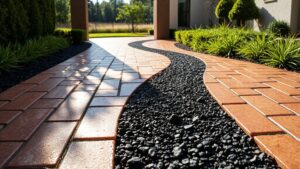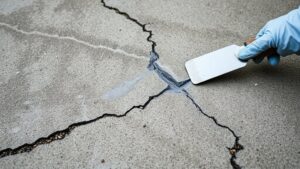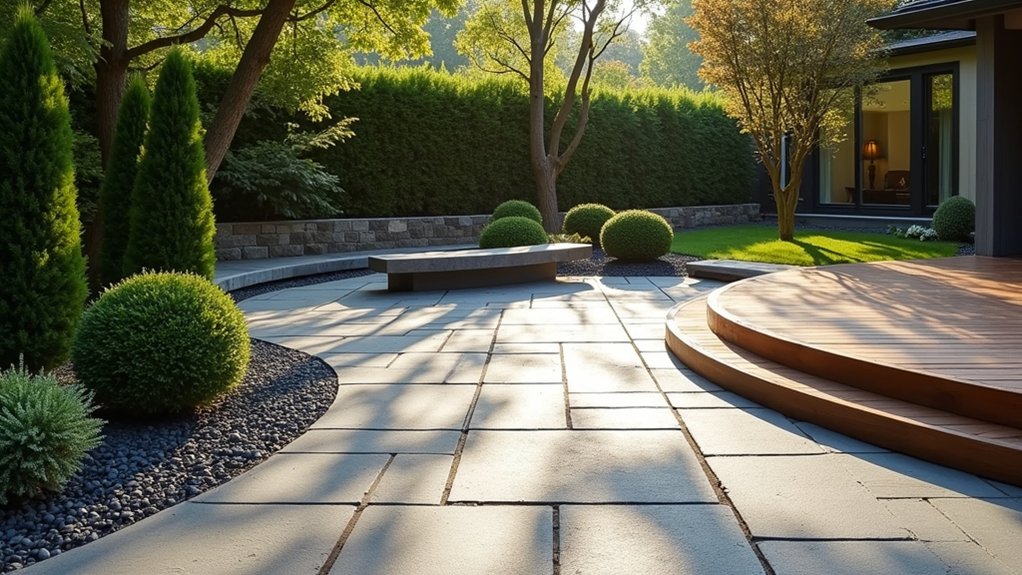
Hardscaping makes your outdoor spaces more functional and organized, with clear walkways, patios, and entry areas that streamline routines and cut maintenance. You’ll use less water and enjoy drought-resistant features that last. It improves drainage, reduces erosion, and boosts resilience against weather. By expanding usable outdoor living areas, you add value and versatility to your property. If you want durable, sustainable design that fits your goals, there’s a path forward you can pursue.
Why Hardscaping Makes Your Home More Functional
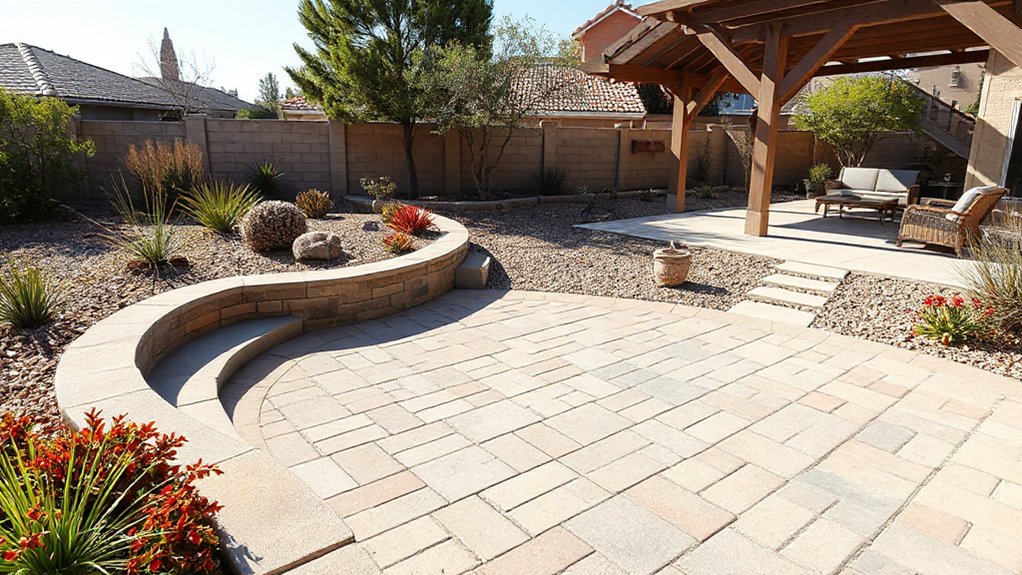
Hardscaping organizes your outdoor space and creates clear, usable areas. You gain defined walkways, patios, and entry pads that streamline daily routines, from grilling to unloading groceries.
With solid surfaces guiding traffic, you reduce accidental wear on lawns and softscape, keeping your landscape tidy year-round. This precision supports consistent usability, even in adverse weather, because you control drainage, slope, and surface levelness.
When you plan, you consider landscaping aesthetics to guarantee features complement the house and yard rather than compete with them.
Hardscapes also foster natural integration, weaving materials with existing trees, stone, or brick to feel like a deliberate part of the site. The result is a functional layout that saves time, enhances safety, and elevates curb appeal with enduring practicality.
Cut Maintenance and Water Use With Smart Hardscaping
Smart hardscaping directly cuts maintenance and water use by reducing the amount of turf you need to mow, irrigate, and repair. You’ll rely on durable surfaces and low‑water landscapes that perform reliably with minimal intervention.
By choosing xeriscaping benefits and drought resistant plants, you limit irrigation needs and simplify upkeep, keeping your yard looking intentional year round.
- Less mowing and edging time
- Reduced irrigation and runoff
- Lower ongoing repair costs
With smart design, you direct foot traffic to hardscape zones and use plantings that thrive in your climate. This approach minimizes water waste while maintaining curb appeal.
You gain predictability, conserve resources, and avoid frequent brown patches typical of traditional lawns. Your yard becomes proactive, not reactive, to seasonal shifts.
Improve Drainage and Resilience for Your Yard
To improve drainage and resilience, start with a solid assessment of your site’s water flow and soil conditions. You’ll map low spots, note slope, and identify soil texture and permeability.
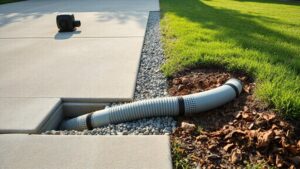
Prioritize proactive grading to direct runoff away from foundations and into designed capture zones. Use permeable surfaces where feasible to reduce pooling and promote infiltration, and install proper edge restraints to prevent erosion.
Integrate rain gardens and swales to slow water, filter debris, and encourage gradual release. Choose materials with durable, non-slip surfaces that resist weathering and frost heave.
Implement rainwater management strategies such as downspout disconnections and internal drainage lines to minimize overwhelm during storms. Address erosion control with mulch, compost, and vegetation along slopes.
These steps protect foundations, enhance resilience, and sustain landscape integrity.
Expand Your Outdoor Living Space for Everyday Use
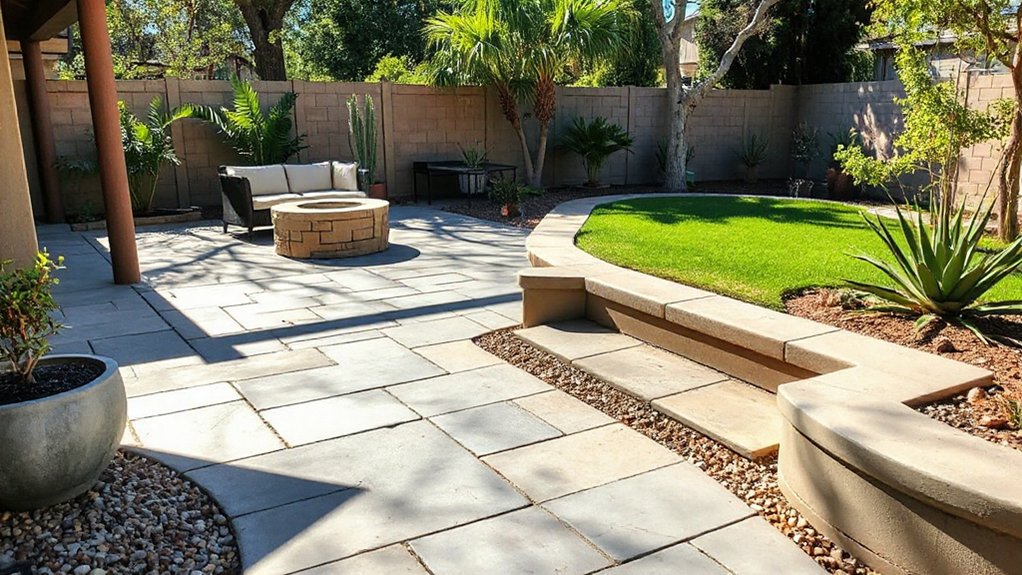
Creating an inviting outdoor living area starts with defining how you’ll use the space and selecting durable elements that weather daily use.
When you expand your space, you create a seamless flow between indoors and outdoors, increasing usability for meals, work, and relaxation.
Prioritize garden aesthetics and outdoor furniture that withstand sun and rain, enabling year‑round use.
Optimize layout for clear traffic, shade, and easy cleaning, so everyday activities stay comfortable.
Consider built‑in seating, a shaded dining zone, and a nearby countertop for prep and beverages.
- Define zones for dining, lounging, and work
- Choose weather‑resistant materials and cushions
- Integrate lighting for safety and ambiance
Understand Costs, Durability, and ROI
You’ll start by weighing Cost Considerations Revealed against upfront and ongoing spending.
Durability And Longevity matter, so you’ll assess materials, installation, and maintenance to gauge true longevity.
Return On Investment Insights help you measure value over time, guiding smarter choices for your hardscape project.
Cost Considerations Revealed
Hardscaping costs vary by material, site complexity, and install method, but understanding the basics helps you plan confidently. You weigh material costs against labor expenses to forecast total investment, then compare short-term savings with long-term value.
A disciplined approach keeps you from overbuilding or underprepping for maintenance.
- Material costs vs. durability: invest where needed to maximize lifespan
- Labor expenses: skilled installers drive performance and timing
- ROI awareness: factor in reduced upkeep and enhanced usability
Durability And Longevity
Material longevity depends on selecting appropriate substrates, proper installation, and considering climate patterns. For example, choose joints, sealants, and finishes designed to endure freeze-thaw cycles and UV exposure.
You’ll assess weather resistance as a core metric alongside aesthetics and cost, ensuring you won’t trade immediate savings for frequent maintenance. Proper drainage, sub-base preparation, and adaptive design minimize settlement and cracking, extending service life.
Plan for fewer resurfacing cycles and more durable coatings to lower lifecycle expenditures. Informed material choices translate to steadier performance, predictable maintenance, and enhanced long-term value.
Return On Investment Insights
Opting for a clear view of costs, durability, and ROI helps you make decisions that pay off over time. You’ll gauge upfront expenses, maintenance, and asset value when hardscaping is deliberate, not impulsive.
Durability informs ongoing ROI; sturdy materials reduce repair bills and downtime, boosting long-term returns.
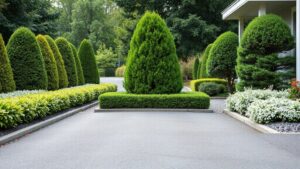
Consider landscaping aesthetics: a cohesive layout elevates curb appeal, increasing property value and appeal to buyers.
Environmental impact matters too—permeable surfaces and recycled materials can lower lifecycle costs and boost sustainability credentials.
Track payback by comparing installation costs to resale uplift and monthly upkeep.
- Upfront vs. lifecycle cost analysis for each option
- Maintenance frequency, effort, and expense implications
- Resale value impact linked to aesthetics and sustainability
Design Freedom: Personalize Your Yard With Pavers, Walls, and Permeable Surfaces
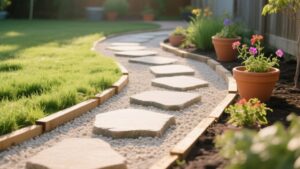
You can tailor your outdoor space with pavers, walls, and permeable surfaces to create functional zones, distinct textures, and a cohesive style that fits your home and yard. Design freedom comes from deliberate material choices, precise layouts, and purposeful drainage.
Pavers define walkways and patios, while walls create privacy and structure without overwhelming the landscape. Permeable surfaces manage water, reduce runoff, and support enduring turf and planting.
With thoughtful color, pattern, and scale, you achieve artistic expression and a refined aesthetic appeal. Build sightlines that guide movement, incorporate seating niches, and emphasize focal points like a fire feature or sculpture.
Choose durable, low-maintenance materials and plan for maintenance access. This practical approach yields flexible, timeless spaces that adapt to evolving needs and seasons.
Frequently Asked Questions
How Long Does Hardscaping Installation Typically Take?
Hardscaping installation typically takes from a few days to a couple of weeks, depending on scope. You’ll complete site prep quickly, then lay foundations, install paving or walls, and finish with landscaping aesthetics in mind.
For larger projects, expect longer timelines and potential weather delays.
Material durability matters: concrete, pavers, or natural stone influence speed and durability.
You’ll save time by clear planning, efficient sequencing, and coordinating utilities, drainage, and edging upfront.
Can I DIY Hardscape Projects Safely?
“Where there’s a will, there’s a way,” and yes, you can DIY hardscape projects safely if you plan and respect limits. You’ll need a DIY safety mindset, prework checks, and clear project scopes.
Use proper hardscape tools, wear PPE, and double-check loading.
Start small, learn from each step, and don’t rush. If a task feels risky, stop and call a pro.
Seek guidance, follow instructions, and prioritize safety above all.
Which Materials Are Most Eco-Friendly for Hardscapes?
You should choose recyclable materials like permeable pavers, recycled glass, and reclaimed stone to minimize waste.
Favor sustainable installations that reduce heat, runoff, and maintenance.
Look for products with recycled content, low embodied energy, and durable warranties.
Prioritize local sourcing and off-gassing-free finishes.
Opt for modular systems that reuse components over time.
You’ll achieve long-term savings, fewer environmental impacts, and simpler repair.
In practice, verify certifications and lifecycle data before committing.
Do Hardscapes Increase Property Taxes or Insurance Costs?
Hardscapes don’t automatically raise property taxes or insurance premiums. Instead, property value, insurance premiums, and your local codes shape costs.
You’ll see potential value gains from better curb appeal and durability, which can influence taxes indirectly.
While insurance may stay stable if hardscape elements meet safety standards and aren’t flagged as risks, it’s important to document materials, permits, and professional installations. Doing so can support favorable assessments and guarantee premiums stay reasonable.
How Often Should Hardscape Maintenance Be Performed?
Hardscape maintenance should be done regularly—seasonally or every 6 to 12 months, depending on materials and climate. You’ll inspect, clean, seal, and repair as needed to protect function and aesthetics.
Schedule timely weed control and drainage checks to prevent damage. This supports Landscaping aesthetics while extending life and efficiency, and it helps with Cost comparison by avoiding bigger fixes later.
Stay proactive, document intervals, and adjust frequency as conditions change.
Conclusion
Hardscaping helps you work smarter, not harder. It cuts maintenance, saves water, and strengthens drainage, so your yard stays functional year-round. With durable materials and smart layouts, you’ll enjoy fewer repairs and more reliable outdoor living spaces. It’s like building a sturdy backbone for your landscape, supporting every activity from coffee mornings to weekend gatherings. Prioritize pavers, walls, and permeable surfaces to customize, extend usability, and boost value—your home’s resilience starts with deliberate choices today.