To upgrade a new‑build home without breaking warranty rules, start by planning with a licensed pro and clearly defining milestones. Map each proposed change to your builder’s warranty terms, noting exclusions and required approvals. Choose warranty-friendly upgrades—smart tech that doesn’t replace factory components, energy and water fixtures within specifications, and cosmetic or safety improvements that don’t affect structural elements. Document everything with receipts, photos, and signed feedback, and involve the builder when necessary; you’ll learn more by continuing.
Identify Warranty-Friendly Upgrades
Identifying warranty-friendly upgrades means focusing on changes that don’t void coverage or trigger exclusions. You seek modifications that align with builder terms, preserve existing protections, and stay within documented allowances.
Start by evaluating Smart appliances that meet standard compatibility and installation guidelines, ensuring they don’t bypass required permits or void appliance warranties. Choose models with verified warranty coverage, professional installation, and clear service channels.
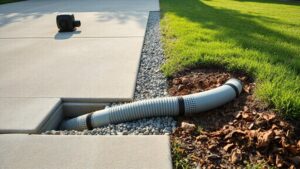
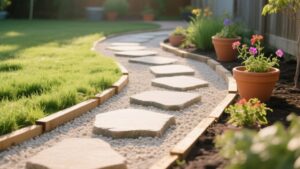
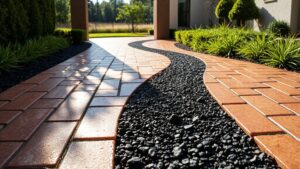
Next, consider Landscaping enhancements that enhance curb appeal without altering structural components or drainage, since these typically stay within landscape or HOA guidelines.
Document every purchase, installation, and conversation with contractors to create an auditable trail.
Prioritize upgrades that offer measurable efficiency or safety gains while preserving the core warranty framework, enabling you to enjoy improvements without compromising coverage or trust.
Map Upgrades to Your Builder’s Warranty Terms
To map upgrades to your builder’s warranty terms, start by aligning each proposed change with the exact language of the warranty document. You’ll assess scope, exclusions, and conditions before you commit to any modification.
Document every item with specific references to sections, clause numbers, and dates, so your interpretation remains precise and defensible. Cross-check whether landscape design alterations or interior decor additions alter performance warranties, finish warranties, or energy codes.
Prioritize changes that preserve coverage, and note any required approvals or inspection steps. Seek written confirmations from the builder for what remains protected and what becomes void.
This disciplined approach fosters belonging through informed collaboration, ensuring enhancements fit the warranty framework while maintaining your home’s reliability and your confidence.
Smart Tech Safe for New Builds (What to Install Without Voiding Warranty)
Smart technology can enhance comfort and efficiency in a new-build, but you should install it wisely to prevent voiding warranty coverage.
In this scenario, choose smart device concepts that integrate with the house’s systems rather than replacing factory components. Prioritize systems with manufacturer-supported add‑ons and documented compatibility.
A security system, installed according to guidelines, can improve safety without triggering warranty concerns—especially when you use certified installers and avoid altering major wiring or control hubs.
Document all steps, keep receipts, and verify that the builder’s terms permit third‑party integrations.
Avoid DIY hacks that bypass protections or modify critical circuits.
With careful selection, you gain reliability, data privacy, and ease of use while maintaining coverage.
Thoughtful choices foster belonging without compromising warranties.
Energy and Water Fixtures You Can Upgrade Without Voiding Coverage
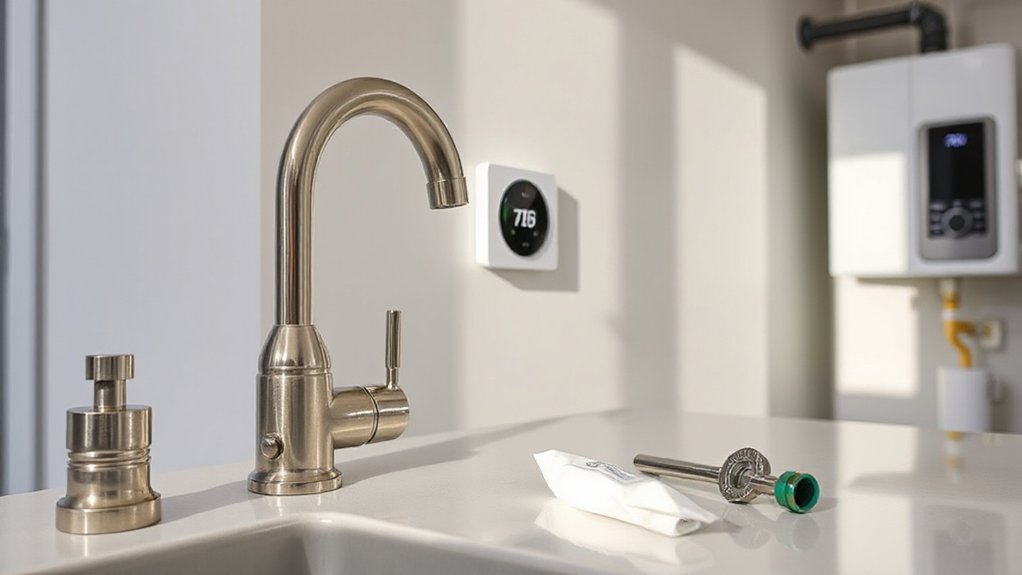
You can upgrade certain energy and water fixtures without voiding your warranty, but you should confirm which components are covered and under what conditions.
We’ll map common upgrades—like efficient fixtures and compliant water-saving options—against warranty rules, so you know where to proceed with confidence.
The goal is to balance performance gains with strict adherence to coverage terms and installation guidelines.
Upgrading Energy Fixtures
Upgrading energy fixtures in a new-build home can improve efficiency without voiding your warranty, provided you stay within manufacturer specs and the builder’s guidelines. You’ll want to assess which upgrades genuinely affect consumption and which are cosmetic.
Focus first on components that partner with the system you already have, rather than introducing unsupported devices. Smart thermostats, for example, can optimize usage and still remain within approved interfaces when installed per manual and local code.
Solar panels can be considered where the warranty covers electrical integration and the roof structure allows load limits. Prioritize documented compatibility, proper mounting, and professional calibration.
Document approvals, installation notes, and any required permits to preserve coverage. If unsure, pause and consult the builder before purchasing.
Water Fixture Upgrades
While water fixtures can be upgraded for efficiency or convenience, you should prioritize choices that stay within the builder’s guidelines and the warranty terms. You’ll focus on code-compliant options that preserve coverage while improving performance.
Consider smart fixtures that communicate with existing controls and don’t require invasive piping changes. Prioritize water efficiency through aerators, timed shutoffs, and low-flow legislation-compliant models.
Verify compatibility with the home’s plumbing layout and the warranty’s restrictions before purchasing. Documentation matters: keep product specs, installation notes, and contractor confirmations to demonstrate compliance.
If you’re unsure, ask the builder for approved lists or in-warranty alternatives. Thoughtful selections reduce risk, enhance usability, and reinforce a sense of belonging through responsible, warranty-respecting upgrades.
Warranty-Safe Modifications
To stay within warranty terms, focus on modifications that improve efficiency or usability without altering critical systems or voiding coverage. You can pursue energy and water upgrades that remain noninvasive, documented, and reversible if needed.
Prioritize components that don’t modify factory specifications, such as smart thermostats mounted within existing infrastructure, efficient showerheads, aerators, and water-saving fixtures that meet listed standards.
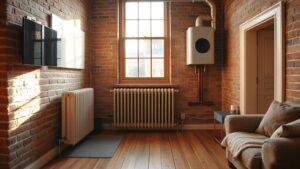
Consider interior decor updates that boost perceived value without affecting warranties, like concealed seating or lighting plans that don’t reroute wiring.
Landscaping enhancements should stay within the allowed exterior footprint and avoid altering structural elements.
Choose devices with reputable warranties, maintain receipts, and follow installer guidelines to preserve coverage.
This approach signals belonging through thoughtful, compliant improvements that balance comfort with safeguards.
Cosmetic Upgrades That Preserve Warranty Eligibility
Cosmetic upgrades can preserve warranty eligibility by improving aesthetics without altering critical systems or void-triggering components. You approach refinements with clarity, not change-for-change’s sake, ensuring qualified impact on overall integrity.
Focus on surfaces and finishes that sit outside the mechanical envelope yet enhance daily enjoyment. Decorative wall finishes can personalize spaces without disturbing studs, wiring, or plumbing, provided installation adheres to manufacturer guidelines and finishes remain non-structural.
Consider compatible, non-adhesive or lightly integrated options that won’t void coverage by altering access panels or service routes. Custom cabinet styles offer visual upgrade within existing frames, as long as doors, hinges, and interiors don’t modify installed appliances or ventilation paths.
Document materials and methods, and confirm with the installer or warranty provider before proceeding to preserve eligibility and foster confident ownership.
Safety and Code-Compliance Upgrades: Plan With a Pro
You should plan with a pro to navigate safety and code requirements without voiding your warranty.
We’ll evaluate code-compliance upgrades that align with your goals while preserving warranty protections.
This discussion focuses on choosing professionals, understanding scope, and making warranty-respecting decisions.
Plan With a Pro
When upgrading a new-build home, pairing with a licensed professional early on helps guarantee safety and code compliance from the start. Plan with a pro sets clear milestones, scope, and documentation, so you know what’s permitted under warranty rules.
You’ll receive tested recommendations that integrate your goals without triggering conflicts with structural or electrical systems. A pro also helps you evaluate interior design considerations and landscaping techniques for compatibility with future upgrades, ensuring aesthetic coherence and long-term value.
Expect a written plan, permits where required, and scheduled inspections that verify adherence to codes. This collaborative approach minimizes rework, reduces risk, and reinforces belonging to a compliant, safety‑minded project team rather than handling decisions solo.
Code-Compliance Upgrades
Code-compliance upgrades require early collaboration with a licensed professional to guarantee safety and adherence to applicable codes and warranty terms. You’ll assess mandatory standards before alterations, focusing on what affects your home’s performance and coverage.
Start by confirming structural, electrical, and fire-safety requirements with clarity and documentation. Your interior lighting choices should meet energy-use and fixture-height guidelines to avoid future violations or recalls.
When evaluating flooring options, verify materials comply with slip-resistance, ignition-safety standards, and subfloor integrity, especially in moisture-prone areas.
Document approved installations and preserve manufacturer warranties by following prescribed methods and signatures.
Maintain a conservative timetable that prioritizes permits, inspections, and official approvals. This approach builds confidence, belonging, and trust in responsibly upgrading your home while safeguarding warranty protections.
Warranty-Respecting Choices
Before you proceed with any upgrades, align every choice with safety, codes, and warranty terms by planning with a licensed professional. You’re building confidence through careful, practical steps that honor the warranty while preserving your home’s integrity.
Prioritize safety-minded upgrades that regulators and installers endorse, and avoid changes that could void coverage. When evaluating options, document how each choice meets current codes and manufacturer recommendations, then seek written approvals.
Consider interior decor tweaks and landscaping features only after professional sign‑off, ensuring compatibility with existing systems and unforeseen maintenance demands.
This disciplined approach helps you belong to a community of informed homeowners who value reliability. By choosing pro‑guided, code‑compliant paths, you protect your investment and enjoy lasting peace of mind.
How to Document Changes to Protect Warranty Eligibility
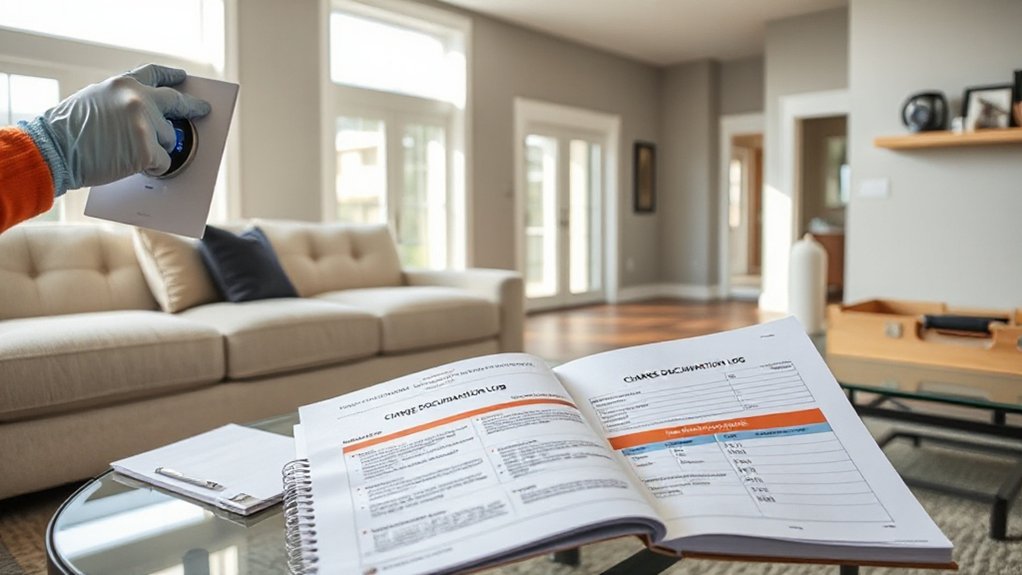
Keeping thorough records is essential to protect warranty eligibility, and you should document every change you make to the home. You’ll build a clear trail that inspectors can follow, reducing ambiguity if questions arise about coverage.
Begin with dated summaries of each modification, noting suppliers, model numbers, and installation dates. Photograph before-and-after states, and keep receipts or warranties with contact details for installers. Maintain a centralized file—digital copies plus physical copies—so nothing slips through.
When you pursue landscaping ideas or interior paint choices, log scope, materials, and any deviations from original plans. This discipline protects you and the builder by aligning changes with warranty terms.
Regularly review your records for completeness, accuracy, and consistency to sustain trust and eligibility.
When to Involve the Builder or Manufacturers Before Upgrading
When should you loop in the builder or manufacturers before upgrading? You should involve them at key decision points, not after you’ve already chosen materials or made changes. Begin during initial planning to gauge compatibility with warranty terms and product specifications.
If you’re considering exterior landscaping or interior decor that could affect moisture, ventilation, or structural elements, pause and consult. Share your proposed upgrades, timelines, and any third-party installers for clear alignment with warranty requirements.
Document feedback and any approved changes in writing. Clarify what components remain covered, what requires supplemental approvals, and any service limitations.
This proactive collaboration helps you protect warranty eligibility while preserving a cohesive look and feel in the home.
A Step-By-Step Warranty-Safe Upgrade Plan
To craft a warranty-safe upgrade plan, start with a clear, documented sequence that pairs your upgrade goals with the builder’s warranty terms and product specs. You’ll map each change to its impact on coverage, noting any exclusions or deadlines.
Begin with landscaping enhancements, ensuring landscape work doesn’t void exterior warranties or affect drainage or soil conditions.
Next, outline interior decoration choices, confirming they’re non-invasive and reversible if needed.
Create a step-by-step schedule: obtain approvals, secure permits if required, source compatible components, and document tests or certifications.
Maintain a centralized file of communications, receipts, and warranties.
Schedule periodic check-ins with the builder or manufacturer during upgrades to verify alignment with terms.
Finally, implement changes incrementally, preserving access to original systems and enabling swift rollback if issues arise.
This disciplined method fosters confidence and belonging.
Frequently Asked Questions
Do I Need Written Approval Before Any Upgrade?
Yes, you typically need written approval before upgrades. Inspectors value documented agreements; for decorative fixtures and interior painting, secure written consent, specify scope, materials, and timelines to avoid warranty disputes and foster confidence, belonging, and compliance.
How Does an Upgrade Impact Warranty Troubleshooting?
DIY modifications don’t derail troubleshooting if you document changes, follow manufacturer guidelines, and seek approvals when required; otherwise, warranty exclusions may apply. You’ll feel secure, supported, and included as you approach careful, compliant, community-minded home improvements.
Can I Update Nonessential Components Without Voiding Coverage?
You can pursue appliance upgrades and interior modifications, but you should check warranty terms first; document approvals, use compatible parts, and avoid altering critical systems, so you feel secured and included while preserving coverage.
Are Third-Party Smart Devices Allowed Under Warranty Terms?
Yes, third-party smart devices are often restricted. You’ll trigger warranty exclusions if they interfere with system integrity, power draws, or data links; check device compatibility and installation guidelines before proceeding to avoid jeopardizing coverage.
What Documentation Proves Upgrades Won’T Void Coverage?
You’ll need detailed documentation showing each upgrade’s impact, including manufacturer specs and installation records, to prove coverage stays intact. Keep interior modifications and exterior enhancements clearly labeled, with dates, warranties, and approvals, so you feel confident and included in the process.
Conclusion
You can upgrade confidently by sticking to warranty-friendly options and documenting every step. Start with the builder’s terms, then involve manufacturers before installing anything. One interesting stat: homes with documented upgrades tied to builder warranties see a 20–30% higher likelihood of post-installation support if issues arise. Keep it precise: choose code-compliant, non-intrusive changes; avoid voiding coverage; and track receipts, dates, and specifications. A cautious, analytic approach minimizes risk and preserves your protections.