
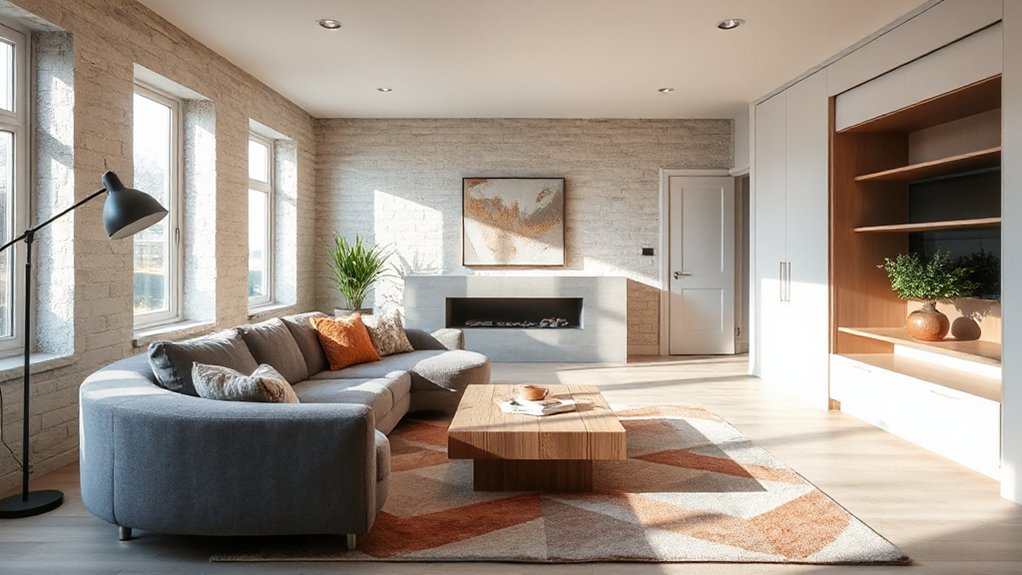
This year, you’ll see UK homes embracing compact, modular furniture, soft textures, and earthy palettes that turn calm into a design statement. Smart tech meets flexible layouts, while sustainable materials and vintage textiles anchor spaces in durability. Bold lighting and cozy nooks add warmth without clutter. Curves and organic shapes invite comfort, yet a DIY-ready approach keeps you adaptable. Curious how to weave these elements into your space without losing personality? Let’s explore what fits you best.
What’s Driving UK Home Design in 2024 and How to Use It
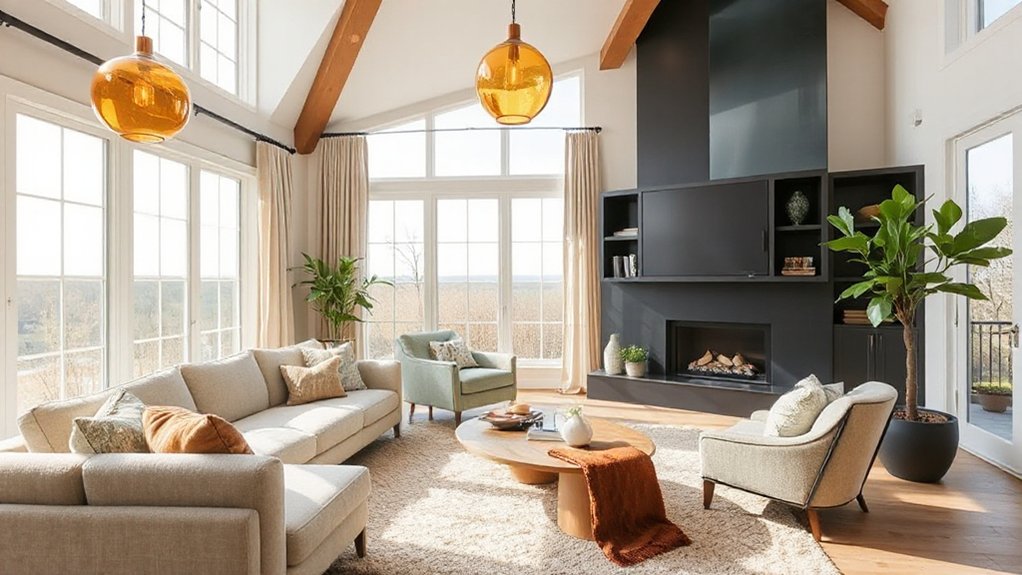
Across UK homes in 2024, practicality leads the way: smaller, smarter spaces, durable materials, and timeless palettes dominate, while design picks from wellness, nature, and comfort.
You’re embracing urban minimalism, trimming excess to focus on function and form. Think modular furniture, compact storage, and clean lines that read both calm and current.
Technological integration sits at the core: smart controls, energy monitoring, and streamlined electronics disappear into cabinetry for an uncluttered vibe.
Materials lean durable and low-maintenance—stone, composite surfaces, and warm woods that age well.
Palette choices favor versatile neutrals with restrained accents, so rooms remain flexible as routines shift.
The result: spaces that feel effortless, efficient, and ready for evolving priorities without sacrificing personality.
Soft Textures and Earthy Palettes for Calm Living Spaces
Soft textures and earthy palettes bring a sense of calm to compact, modern spaces. You’ll notice how textured fabrics layer warmth without crowding walls, making small rooms feel intentional rather than constrained. Think chunky knits, tactile weaves, and brushed velvets that invite lingering rather than quick, sterile moments.
Pair these with earthy tones—sage, clay, taupe—that ground lighting and mirror natural daylight. In one project, a neutral sofa anchors a palette of warm browns and greens, while a woven rug adds depth without noise.
Introduce subtle contrast with matte wood or ceramic accents to preserve serenity. You’ll create zones by texture shifts, not color blocks, preserving flow. The result: timeless calm, adaptable for evolving lifestyles.
Sustainably Sourced Materials and Timeless Furniture
Sustainably sourced materials and timeless furniture fuse ethics with enduring appeal, letting you design spaces that age gracefully rather than trend away. You’ll notice a shift toward pieces that prioritize durability, repairability, and low-impact production, so your rooms feel grounded and resilient.
Opt for reclaimed wood to add warmth with a history, while avoiding new-wood waste whenever possible. Vintage textiles bring character and texture without inflating your footprint, offering patina and charm that modern novelties can’t match.
Favor clean lines, adaptable silhouettes, and modular layouts that endure beyond seasons. Choose finishes and hardware that age gracefully, enhancing longevity.
This approach keeps interiors cohesive, reducing overhauls while preserving value, so your home remains stylish, sustainable, and calm for years to come.
Bold Lighting and Statement Pieces That Elevate Rooms
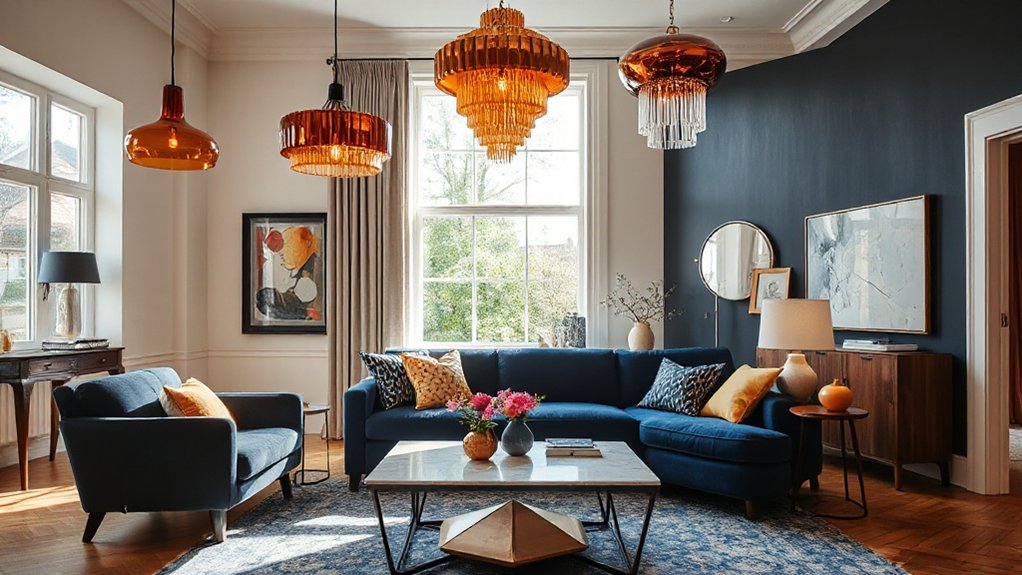
Bold lighting isn’t just functional—it’s a design moment that sets the room’s mood, focal point, and rhythm. You’ll notice how statement lighting transforms space without clutter, guiding the eye and anchoring furniture groups.
Choose sculptural pendants, oversized sconces, or graphic chandeliers to create contrast against soft textures. Incorporate bold decor that echoes your lighting’s shape or metal finish for cohesive drama.
Layer light with warm, dimmable sources to add intimacy and versatility throughout the day. Contrast lighting styles—industrial frames with luxe glass, or minimalist silhouettes with jeweled accents—to keep the look fresh and curated.
Aim for a focal piece that captures attention while supporting function, letting color, scale, and texture do the rest.
Flexible Layouts and Multifunctional Furniture for Small Homes
Flexible layouts and multifunctional furniture are essential for optimizing small spaces, letting you adapt rooms on the fly without sacrificing style. You’ll prioritize pieces that perform double duty, so every square metre earns its keep.
Invest in convertible furniture that folds, pivots, or expands to shift from work zone to living area in moments. A sofa bed, wall bed, or drop-leaf table can transform a lounge into a guest suite or dining room without clutter.
Use space zoning to define functions, not walls, with rugs, lighting, and shelving that cue changes. Storage that hides in plain sight keeps surfaces clear and flow uninterrupted.
Embrace modular systems you can reconfigure as needs shift, maintaining a cohesive, breathable feel.
Curves, Comfort, and Cozy Nooks for Wellbeing
Curves soften the rigid lines of small spaces, inviting a sense of warmth and connection that boosts wellbeing. You’ll notice sofas, tables, and architectural edges embracing organic shapes, which soften sightlines and reduce stress.
Prioritise Cozy retreats that invite you to linger, replacing harsh corners with rounded silhouettes and cushioned alcoves. When you plan layouts, pursue flow over fortress-like symmetry, letting paths meander naturally to focal points of rest and recovery.
Ergonomic design should anchor comfort: seat heights that support posture, seats with supportive backrests, and lighting that adapts to tasks and moods without glare.
Textiles in tactile, soothing finishes amplify calm, while warm neutrals and gentle textures layer coziness. This trend merges wellness with practicality, making daily routines feel restorative and unintimidating.
Mix Personality With Practicality: a Diy-Ready Guide to Home Refreshes
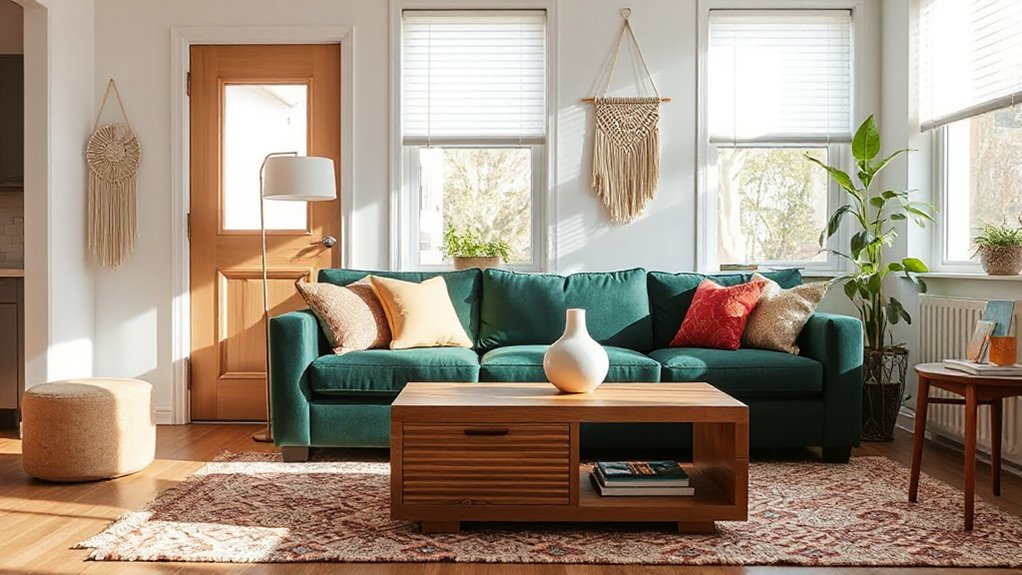
You’ll start by mixing personality with practicality in light, DIY-ready refreshes that show off your tastes without overdoing it. Think versatile pieces you can swap or layer, so you can mix and match decor as trends shift.
This approach keeps spaces fresh, affordable, and uniquely you.
Diy-Ready Refreshes
Revamping a space doesn’t have to be intimidating; a DIY-Ready approach blends personality with practicality so you can refresh quickly and confidently. You’ll start with a focused palette and a few high-impact swaps, keeping the rest intact to avoid overhauls.
Use color psychology to guide mood: calm blues for bedrooms, energizing yellows in kitchens, muted greens in living areas. Choose affordable, removable updates—wall decals, stencil patterns, or adhesive tiles—that don’t require major trades.
Add vintage accents, like a quirky lamp or a weathered mirror, to anchor the room without shouting. Schedule quick sessions, set a budget, and document progress to stay motivated.
The aim isn’t perfection, but progress: smarter, faster refreshes that reflect you while preserving everyday practicality.
Mix And Match Decor
Mix and match decor blends personality with practicality, turning a DIY-ready refresh into a curated, lived-in look. You’ll embrace eclectic combinations that fuse vintage, mid-century, and contemporary pieces without losing coherence.
Start with a neutral backbone, then layer texture, color, and pattern in small doses to avoid overwhelm. Prioritize personalized accents—handmade textiles, heirloom finds, and bold art—that tell your story while staying functional for daily life.
Scaled props and strategic lighting keep spaces feeling cohesive, even as you experiment. Resist overmatching; juxtapose metals, wood tones, and fabrics to create dynamic contrast.
Document a micro-mix plan, then test it room by room, adjusting intensity as you go. This approach keeps refreshes approachable, affordable, and distinctly yours.
Frequently Asked Questions
What Price Ranges Influence These Design Trends This Year?
Prices vary, you’ll notice budget friendly upgrades dominate entry-level spaces while luxury design influences emerge in premium rooms; you invest smartly, blending affordable details with statement pieces to balance trendiness and value this year.
How Long Do Trends Typically Stay Relevant in UK Homes?
Did you know 40% of homeowners adopt a new trend within two years? Trends typically stay relevant in UK homes for 3–5 years before evolving. You’ll see vintage revival and minimalist aesthetics overlap, shaping evolving spaces.
Do These Trends Suit Rental Properties or Only Owner-Occupied Homes?
Yes, these trends suit rental properties too, with smart, reversible choices. You’ll navigate rental restrictions and use temporary decor that’s easy to remove, preserving flexibility for owners while keeping spaces stylish and adaptable for tenants.
Which Rooms Benefit Most From the Latest Trends?
In short, you’ll see living rooms benefit most, followed by kitchens and bedrooms. Color palettes and furniture styles energize these spaces, you’ll notice brighter vibes. Think statement hues, versatile silhouettes, and adaptable pieces that work across settings.
How Can Renters Refresh Spaces Without Major Renovations?
You can refresh without renovations by swapping in personalized accessories and trying temporary wallpaper for an instant mood lift, instantly transforming walls, textures, and focal points while staying renter-friendly and budget-conscious.
Conclusion
You step into a home that breathes softly, like a warm breeze through linen curtains. The textures invite your hands—chunky knits, brushed velvets, reclaimed wood—that anchor calm amid clever tech. Bold lighting arcs overhead, casting sculpted shadows as you move through flexible, cozy layouts. You remix each space, curating timeless pieces with a mindful, DIY-ready mindset. In this era, your living isn’t just lived in—it’s felt, layered, and quietly radiant. The UK’s design future feels like home.