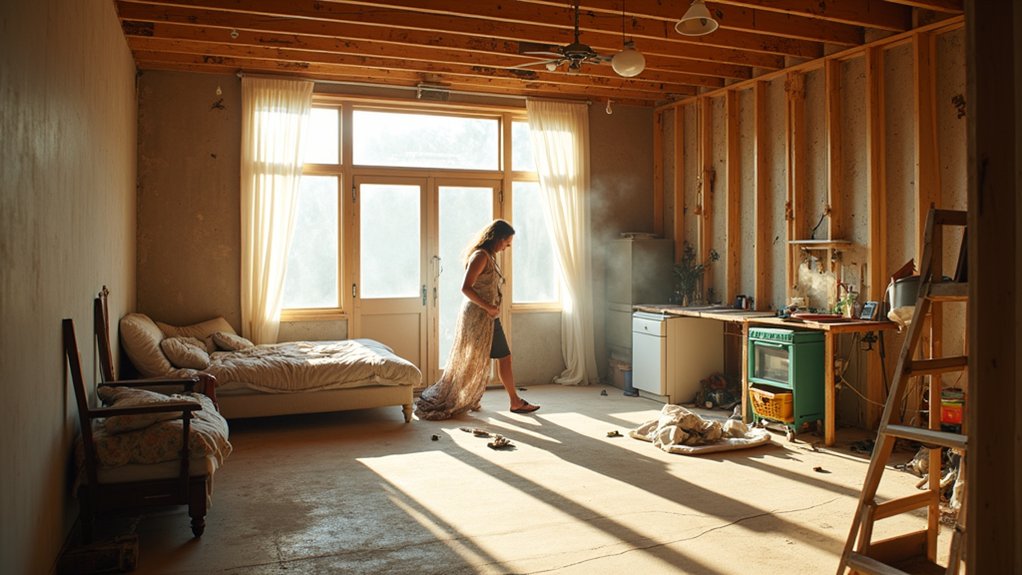
Living onsite during a renovation means you’ll juggle spaces, timing, and safety without losing daily flow. Set quiet zones for work and rest, keep paths clear, and enforce simple safety barriers. Pack light with labeled boxes, prioritize essentials, and maintain airflow to reduce clutter. Schedule weekly checks, lock in contractor routines, and celebrate small wins to stay motivated. Ready to map out your plan, and adjust as the project unfolds?
What Living Onsite During Renovations Really Involves
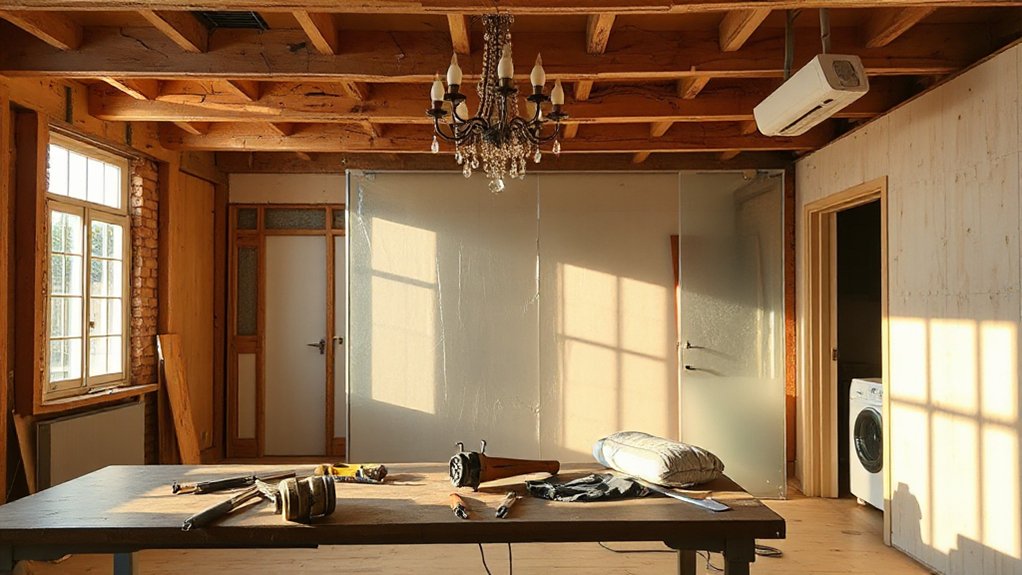
Living onsite during renovations means you’ll be living with disruption, but you can keep things manageable by planning ahead and setting clear boundaries. You’ll juggle spaces, schedules, and noise, so map out daily routines and designate a quiet zone for work and rest.
You’ll need temporary accommodations, even if it’s a corner of another room, so agree on access times, storage, and cookware use. Stay organized with labeled boxes, a simple checklist, and a shared calendar for tradespeople.
Prioritize safety: cover floors, secure cords, and remove trip hazards. Expect trades to vary in pace; practice emotional resilience by framing delays as temporary and focusing on progress, not perfection.
Communicate respectfully, document changes, and celebrate small wins to stay motivated.
Budget Blueprint for Onsite Living
A solid onsite budget keeps disruption from spiraling into stress. You’ll map a realistic ceiling, then work backward to line items you’ll actually incur.
Begin with design considerations that influence cost, like scope changes, approvals, and potential contingencies.
Build a monthly cash flow so you’re not surprised by phase shifts or delayed trades.
Price out essentials first, then luxury upgrades, keeping a clear track of statutory fees and insurance.
For material sourcing, prioritize durability and availability to reduce waste and delays; compare suppliers, negotiate lead times, and lock in bulk discounts when possible.
Include a contingency fund—typically 10–15%—to cover surprises without derailing spending.
Regular reviews keep spending aligned with progress, preventing scope creep and preserving your onsite rhythm.
Prioritize Essential Spaces First
Map critical pathways and protect these zones from dust and debris early on. Plan layouts that reduce back-and-forth work, limiting cross-traffic as demolition begins.
When you consider design considerations, think about layout efficiency, storage access, and temporary utilities. Evaluate material choices for durability and ease of cleaning in high-traffic spots.
Use modular solutions that can adapt as work progresses, like temporary countertops or portable sinks, to maintain function without overhauling later.
Prioritizing essentials saves time, lowers frustration, and keeps your remodel on track.
Clear Contractor Communication Routines
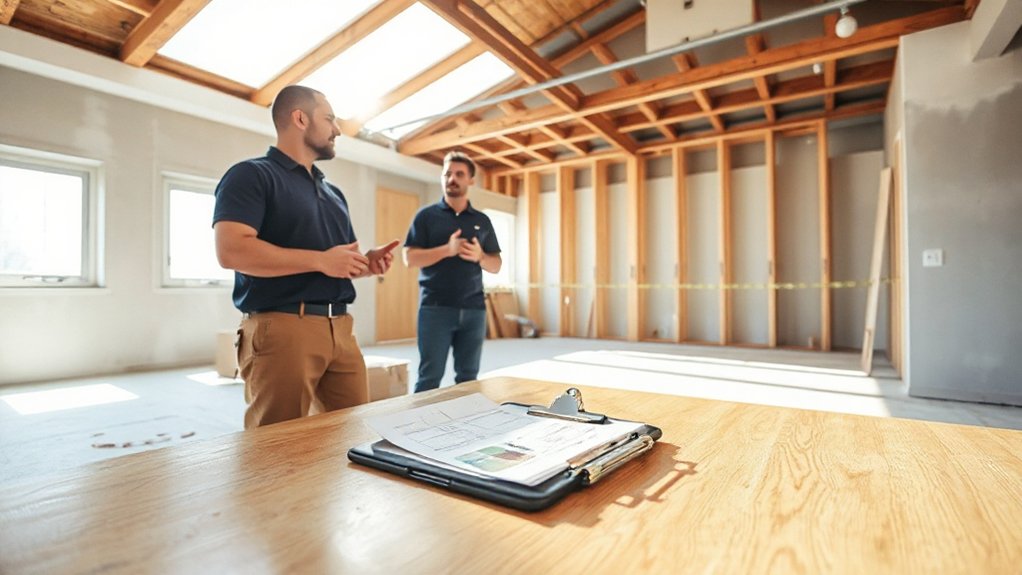
Establish clear contractor communication routines from day one to keep the project aligned and on schedule. You set expectations upfront, define who communicates what, and specify response windows so delays don’t creep in.
Use regular, brief check-ins—daily or twice weekly—and document decisions in a shared format. Clarify contractor expectations at kickoff: scope changes, approvals, milestones, and budget alerts, so you both know what’s non-negotiable.
Lean on practical communication tools: a single project portal, calendar invites, and concise status updates with photos when needed. Keep logs precise, timestamps included, and circulate to all stakeholders.
Favor direct, factual messages over ambiguity, and reserve meetings for problem-solving rather than status recap. This disciplined routine minimizes miscommunication and keeps you on track through the renovation.
Pack Light, Label Everything, Move Smart
Pack light to keep moving fast and airflow clear in tight spaces.
Label every box and drawer so you can find what you need without extra trips.
Move smart by prioritizing essentials, tracking what goes where, and avoiding needless clutter.
Pack Light, Move On
When you move during a renovation, the goal is simple: travel light, label clearly, and keep momentum. You’ll maximize efficiency by packing only what you truly need for daily routines, then shifting as the project evolves.
Prioritize storage optimization: choose stackable bins, uniform sizes, and clear fronts so you can see contents at a glance.
Decluttering strategies matter: decide what stays, what goes, and what’s temporarily stored offsite.
Use a core kit for essentials—permissions, meds, chargers, a change of clothes, basic cookware.
Label boxes by room and function, not merely content, to speed relocations.
Move smart by staging items near where you’ll use them next, reducing trips.
Maintain a lean footprint, rotate belongings as spaces reveal themselves, and preserve airflow and safety throughout the disruption.
Label Clearly, Track Easily
Clear labeling speeds everything up, so you can locate and move items without second-guessing. You’ll label boxes by room and function, then create a running list of contents to reduce back-and-forth. Use consistent colors and tag each container with a simple description and a date.
Pack light, but label every item, so you can reconstruct decor organization after the dust settles. Keep a master map or spreadsheet aligned to your renovation timeline, updating as plans shift.
When you move, carry only essentials and clearly marked projects—this minimizes chaos and speeds access to the tools you need. This approach prevents misplacement, saves time, and keeps the onsite flow steady from demolition to finish.
Build a Flexible Daily Routine
Start with a Flexible Morning Flow that lets you adjust wake times and task priorities as noise, surprises, or delays occur.
Establish an Adaptable Daily Rhythm by blocking core work windows and leaving buffers for unexpected fixes or rest.
Keep the plan visible, update it daily, and lean into practical pivots rather than rigid schedules.
Flexible Morning Flow
A flexible morning flow means you start with a simple, adjustable routine that rises with the day’s demands instead of dictating them. You begin with a core, short list: water, a quick stretch, and one clear priority.
Then you adapt, letting interruptions or renovations guide timing rather than derail momentum. Embrace morning mindfulness by noticing energy shifts and choosing tasks that align with current rhythm.
Use adaptable scheduling to slot essential chores, coffee, and preparation around noise, access, and work crews. Keep buffers for delays, and protect your focus with a single non-urgent task you can complete before heavier disruption.
This approach builds reliability, reduces stress, and ensures progress while honoring the unpredictability of onsite renovation life.
Adaptable Daily Rhythm
- Establish a core daily block for essential tasks
- Build short, focused bursts with clear endpoints
- Allow buffer time for contingencies
- End each day with a quick review
- Adjust pace to the crew and materials cadence
Safety First: Protect People, Pets, and Property
Safety isn’t optional during a renovation—protecting people, pets, and property must come first. You set clear boundaries: designate safe zones, lock away tools, and use barriers to keep kids and animals out of construction areas.
Inspect for hazards daily, address loose wires, exposed nails, and slippery floors before anyone passes through. Post simple safety rules and guarantee everyone follows them, including visitors.
Keep non-slip footwear, adequate lighting, and fire extinguishers accessible. Create an emergency preparedness plan—know exits, assembly points, and how to contact help quickly.
Maintain a basic first-aid kit and train stakeholders on essential steps. Schedule routine checks, document incidents, and adjust practices as work evolves.
Your approach minimizes risk, protects belongings, and supports steady progress.
Quick Wins to Sustain Momentum During Renovations
To keep renovations moving, implement a few high-impact, repeatable wins at the start of each week. Quick wins keep you motivated and prevent scope creep by locking in momentum. Use clear priorities, and track progress against renovation timelines. You’ll gain confidence knowing small, daily actions compound into real results.
Focus on practical tasks that don’t require long planning cycles, such as finishing a closet, updating hardware, or repainting a single wall. Pair these with a brief weekly review to adjust schedules and responsibilities. Celebrate tiny milestones to maintain momentum and preserve decorating inspiration for the broader project.
This approach creates consistency, reduces downtime, and aligns color, finish, and layout decisions with real progress.
- Define 3 concrete weekly targets
- Tackle one finish per area
- Review and adjust timelines
- Document decisions with photos
- Revisit decorating inspiration visuals
Frequently Asked Questions
How Do I Handle Odors and Dust Long-Term?
Odors and dust long-term? Use air purifiers with HEPA filters in main living areas and bedrooms, and run them continuously during work hours.
Seal off dusty zones with dust barriers and negative pressure where possible, then vent clean air outward.
Keep doors closed, wipe surfaces daily, and change filters regularly.
Maintain targeted humidity around 40–50% to minimize mold and mustiness.
Schedule periodic professional air quality checks and address sources promptly to sustain air freshness.
What Are Contingency Plans for Unexpected Delays?
You should have a clear contingency plan for unexpected delays, including buffer timelines and optional alternates.
Immediately adjust your budget as needed, and document every cost change for transparency.
Maintain proactive contractor communication: set weekly check-ins, require written updates, and escalate delays promptly.
Build a revised schedule with milestone payments, and secure flexible contracts where possible.
Budget adjustments are inevitable; plan for them.
Keep everyone informed to minimize disruptions and protect your project scope.
How Can I Protect Valuables During Renovations?
To protect valuables during renovations, you should use secure, locked storage and limit access. Store items in offsite or insured facilities, or in a reinforced, tamper-evident unit with restricted keys.
Keep valuables out of sight and inventoried, with digital or written records. Use discreet concealment and supervision for item safeguarding.
Enable alarms and tracking where possible, and photograph assets for claims. Prioritize Valuable security and document serials, appraisals, and warranties for quick recovery.
When Should Family Members Avoid the Renovation Area?
You should have family members avoid the renovation area whenever hazards are present, or when tools, debris, or dust could cause harm. Establish clear boundaries and post warnings, then enforce them consistently.
Use safety precautions like doors, barriers, and proper PPE for anyone near the space.
Maintain ongoing family communication to update restrictions as work progresses.
Keep kids and pets out, and schedule visits to minimize exposure during high-risk phases.
What Legal Permits or Inspections Might Be Needed?
What permit requirements and inspection processes apply to your renovation? You’ll need to check with your local building department for permits, homeowner improvements, and any zoning variance needs.
Keep records of electrical, plumbing, and structural work, and schedule necessary inspections at key milestones.
You should expect review timelines, corrective work, and final sign-off before occupying the space.
Stay proactive, document everything, and communicate clearly with inspectors to avoid delays.
Conclusion
So you’ve “embraced” living onsite, huh? Congratulations on turning chaos into a lifestyle brand. You’ve budgeted, labeled, and barricaded your way to sanity, all while pretending the drywall drama isn’t wrecking your sleep. Enjoy those tiny victories—the weekly reviews, the quiet zones, the snack-boxes that somehow survive the dust. If a barrier or two keeps your kids from becoming accidental demolition experts, you’ve basically mastered home renovation’s greatest trick: making a mess look purposeful. Ironically, you’ll probably survive.