As a busy homeowner, you want a driveway that works as hard as you do. Think low-maintenance materials, smart drainage, and finishes that resist stains without frequent sealants. Permeable paver patterns can curb weeds and pooling, while durable options cut upkeep in half. The best setups balance cost with longevity and curb appeal, so you’re not constantly tending upkeep. Ready to see which design choices keep your mornings smooth and your property looking sharp, year after year?
Why Busy Homeowners Need Low-Maintenance Driveways
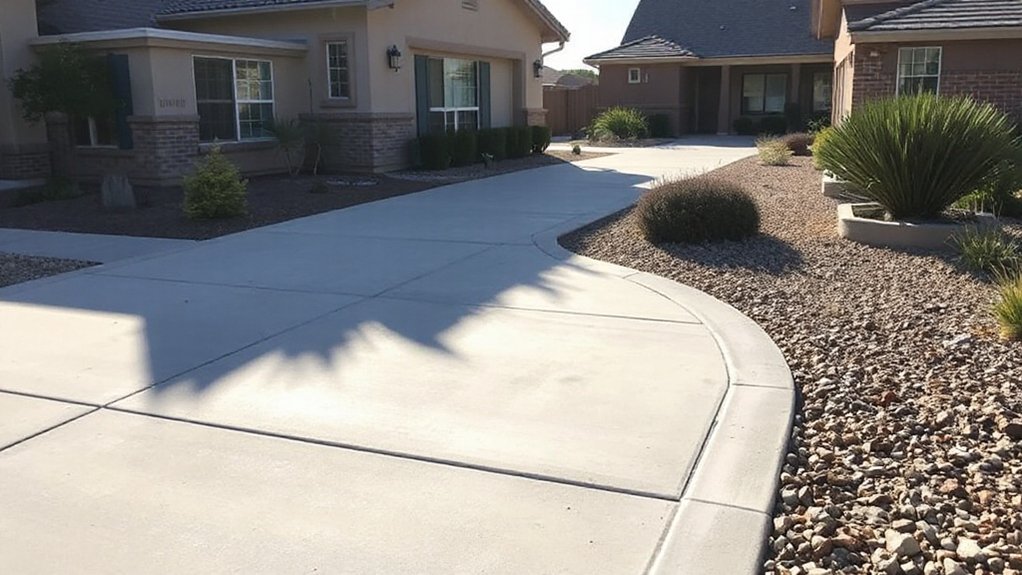
Busy homeowners don’t have time to fuss with their driveway, so low-maintenance options help you keep things simple. When you choose a streamlined design, you cut ongoing upkeep and avoid frequent repairs, letting you spend time on what matters most.
You’ll still enjoy curb appeal, because thoughtful layouts enhance landscaping aesthetics without demanding constant attention. Opt for durable materials and simple grading to prevent weeds, pooling, or uneven surfaces that complicate upkeep.
A low-maintenance approach also supports aesthetic customization, so you can tailor color, texture, and form to fit your home’s character while staying practical. With smart selection, you reduce seasonal work, boost accessibility, and preserve value, giving you reliable performance and peace of mind throughout the year.
Permeable Paver Patterns for Easy Care
Permeable paver patterns offer both drainage and curb appeal, letting you protect your driveway while reducing maintenance. You’ll notice benefits like better water management and varied textures that stay tidy with simple care.
We’ll explore low-maintenance weave options and how different patterns fit your routine, climate, and style.
Permeable Pattern Benefits
Permeable paver patterns make maintenance easier by guiding water through the joints and toward the soil beneath, reducing puddling and erosion. You’ll notice improved runoff control, less washout, and simpler seasonal cleaning since debris stays mostly on surface.
The pattern itself supports easy care: wider joints prevent clogging, while hollow or porous units drain efficiently without frequent raking. With smart layout, you benefit from self‑cleaning effects after rain and reduced surface temperatures, helping curb weeds and bibio growth.
Eco friendly alternatives can be chosen without sacrificing function, because many permeable materials pair strength with environmental perks. Aesthetic design options let you tailor your curb appeal while preserving practicality, from rustic grids to modern geometric motifs, ensuring durability, slip resistance, and low maintenance for busy homeowners.
Low‑Maintenance Weave Options
Weaving patterns offer practical, low-maintenance options that keep water moving through joints while still looking good. You’ll choose a permeable paver layout that balances function and curb appeal, so you waste less time on upkeep.
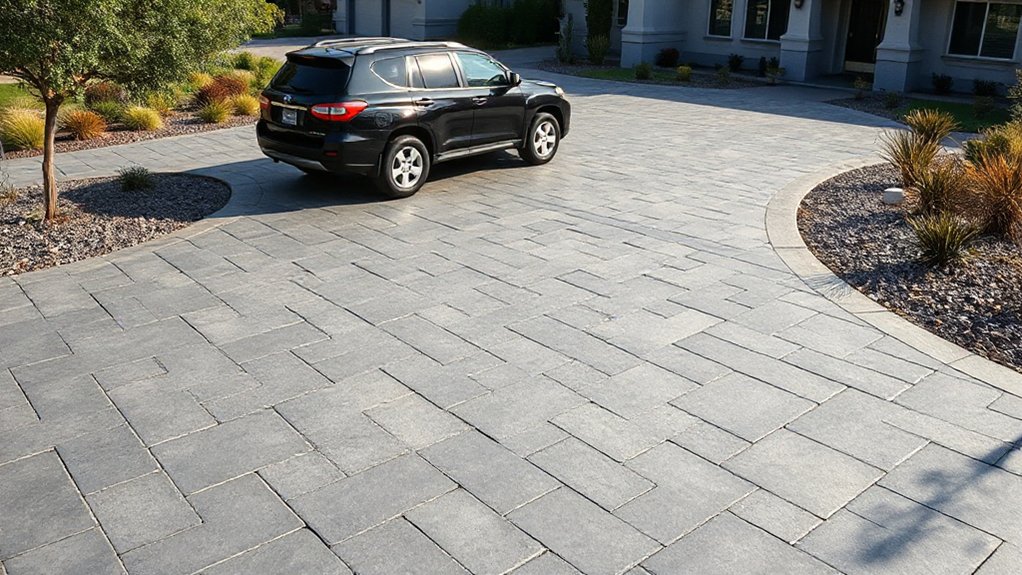
Weave pattern options range from simple running bonds to intricate herringbone twists, each designed to shed runoff and resist weed growth with minimal maintenance. Consider modular layouts that are easy to replace in small sections if a tile wears.
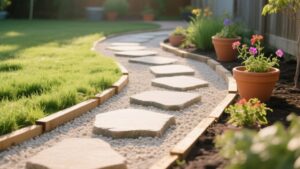
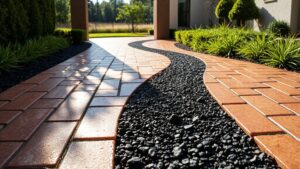
Add decorative border ideas to define edges without complicating drainage. A subtle contrasting border highlights the weave yet stays forgiving of shifting soils.
With these options, you get durability, simpler cleaning, and a smarter, long-lasting driveway you can enjoy with confidence.
Sealant-Free Surfaces That Resist Stains
Are there surfaces you can trust to stay clean with minimal effort? Sealant-free options can resist stains through material choice, texture, and inherent density. You’ll get trouble-free maintenance when you pick dense aggregates, non-porous finishes, and troweled textures that shed spills rather than soak them in.
Look for surfaces that harden quickly and resist oil, grease, and tannins without coatings. Artistic textures and natural color variations add camouflaging power, helping everyday marks blend in rather than stand out.
Routine care stays simple: a quick sweep, then a rinse or mop as needed. With the right mix, you avoid resealing cycles, chemical cleaners, and downtime, keeping driveways looking orderly after rain, mud, or daily foot traffic.
Smart Drainage Layouts for Weather Resilience
Smart drainage layouts start where sealant-free surfaces leave off: smartly directing water so it doesn’t pool or overwhelm the surface. You plan gentle slopes that guide runoff toward permeable channels or secondary basins, preventing erosion and puddling after storms. Incorporate simple, unobtrusive grading to keep your driveway durable and inviting.
Use rainwater harvesting features like discreet curb-side collection or planter beds that double as drainage zones, turning a potential problem into a resource. For stormwater management, pair swales with permeable pavers or gravel trenches to soak water quickly and reduce surface velocity.
Keep maintenance minimal by choosing robust, clog-resistant channels and avoiding sharp changes in direction. Regularly clear debris near inlets, and you’ll preserve effectiveness without extra upkeep.
Durable Materials and Costs: Tradeoffs at a Glance
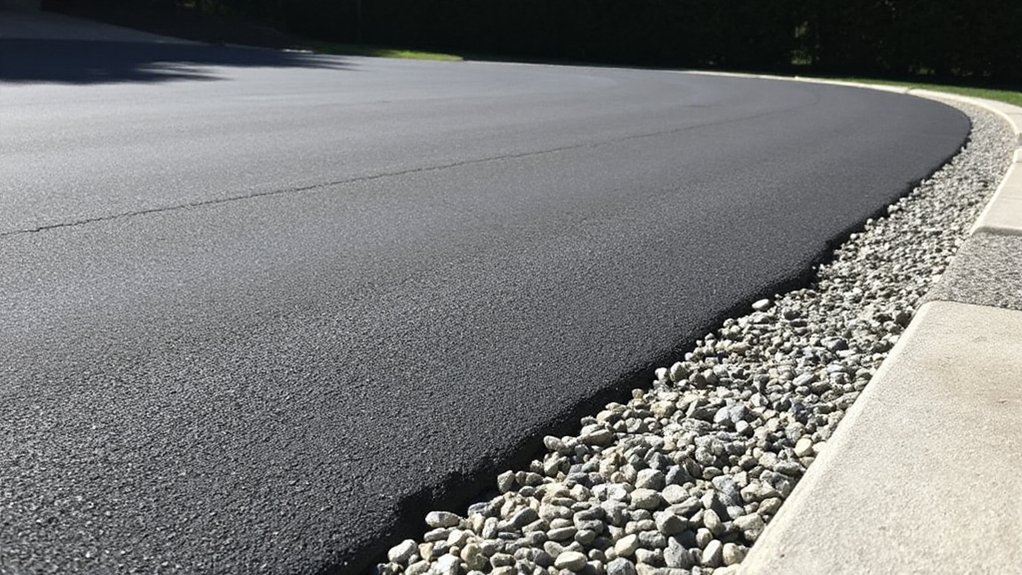
Durable materials and costs trade-offs boil down to choosing long-lasting options that fit your budget and maintenance goals. You’ll compare upfront price, lifespan, and needed upkeep, then pick a solution that minimizes future headaches.
Concrete pavers offer solid durability, predictable costs, and easy replacement, but installation can be pricier than asphalt.
Gravel drives cost less upfront and provide good drainage, yet require ongoing grading and topping.
Asphalt balances cost with simple maintenance, though surface wear and crack repair add up over time.
Consider landscaping aesthetics and neighborhood compatibility: choose textures and colors that blend with surroundings and curb appeal.
Finally, think about warranty, local climate, and contractor support to avoid hidden fees, ensuring your choice stays resilient without surprising expenses.
Maintenance-Minimizing Upgrades That Pay Off
Upgrading now can cut upkeep time and costs for years to come. Consider durable materials, low-upkeep options, and smart drainage that prevents standing water.
These choices pay off by simplifying maintenance while preserving curb appeal.
Durable Materials, Low Upkeep
Choosing materials that stand up to weather and traffic saves you time and money over the long run; durable options require less maintenance and deliver consistent performance. You’ll want surfaces that resist cracking, fading, and staining, so you spend less time on repairs and more time living.
Opt for options like permeable pavers or sealed concrete that handle temperature swings and heavy bikes, cars, and foot traffic. These choices minimize upkeep while maximizing longevity, helping you avoid frequent resealing or resurfacing.
Plan for easy cleaning and simple repairs, not constant upkeep. Consider how the driveway blends with garden aesthetics and landscaping integration, so the look stays cohesive as it ages.
In short, choose materials that stay solid, look good, and require minimal ongoing care.
Smart Drainage Solutions
Smart drainage solutions can save you time and money by keeping your driveway functional in all weather, with less maintenance and fewer headaches. You’ll want a practical setup that works with minimal fuss.
Use permeable pavers or gravel with a compacted subgrade to promote steady infiltration, reducing pooled water.
Integrated swales and curb inlets channel stormwater away from the surface, supporting consistent access after rain.
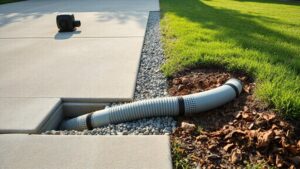
A simple French drain or trench with perforated pipe collects subsurface moisture, then safely redirects it to landscaping or a stormwater management area.
Choose materials that resist clogging and are easy to clean.
Prioritize runoff reduction and durability, ensuring the system operates year-round.
Regular, quick inspections prevent sediment buildup and clips, keeping maintenance low and reliability high.
Frequently Asked Questions
How Long Do Low-Maintenance Driveways Typically Last?
Typically, you’ll see low-maintenance driveways last 15 to 30 years, depending on materials and climate. Durability considerations vary; concrete and asphalt often endure decades with proper sealing, while pavers require mid-range maintenance. Material longevity improves with quality installations.
Can I Install a Low-Maintenance Driveway Myself?
You can DIY install a low-maintenance driveway, but you’ll need solid driveway preparation, proper spacing, and materials. Plan carefully, follow local codes, and expect some heavy lifting. If unsure, consider hiring pros for safety and lasting results.
Do Low-Maintenance Options Still Boost Property Resale Value?
Yes, low-maintenance options still boost resale value, especially if you pair them with smart landscaping enhancements and practical security features, which enhance curb appeal and deter theft while keeping upkeep minimal for you.
Which Maintenance Tasks Are Unavoidable on These Driveways?
Weighs in: you’ll need weed control, crack repair, sealing, and annual cleaning. You’ll weed, you’ll seal, you’ll fix cracks, you’ll sweep. You’ll stay proactive, you’ll prevent deterioration, you’ll keep maintenance simple and predictable.
Are There Eco-Friendly Material Choices for Maintenance-Free Paths?
Yes, you can choose eco-friendly options like Recycled materials and permeable surfaces for maintenance-free paths, which reduce runoff and maintenance effort. You’ll save time, costs, and stress while keeping your walkway durable, stylish, and environmentally responsible.
Conclusion
You’ll notice it every time you pull in: a low-maintenance driveway actually fits your busy life. Permeable pavers, sealant-free surfaces, and smart drainage work without extra fuss, just when you need it most. Coincidence nudges you—a clean, weed-free path appears right as you juggle errands. Durable materials keep pace with weather, costs stay predictable, and upgrades pay off in less upkeep. In short, you gain curb appeal and peace of mind, with minimal effort and maximum reliability.