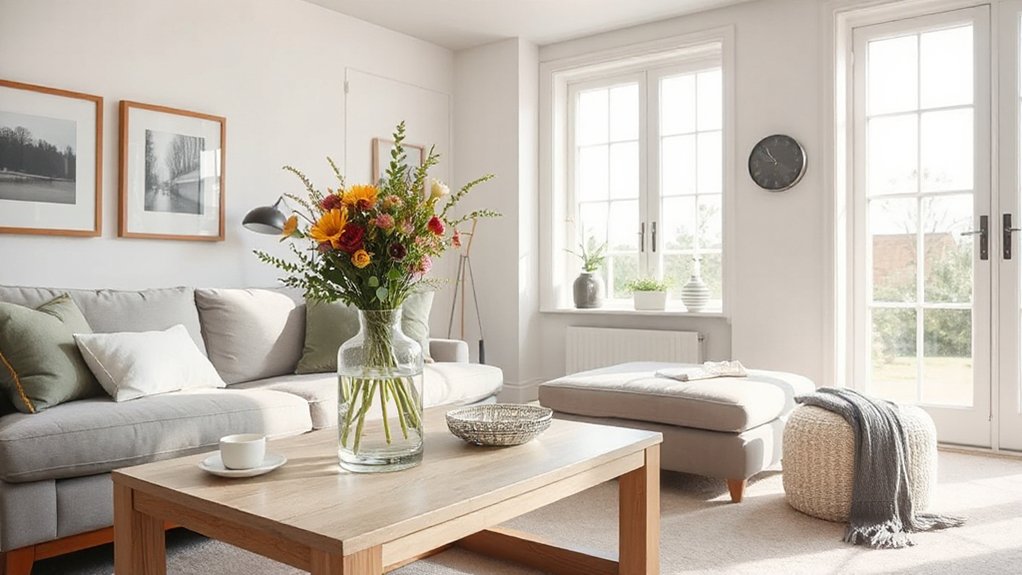
You might not realise how tiny details can swing a UK buyer’s decision in weeks, not months. With decluttering, neutral tones, and clever furniture placement, you’ll create space and flow that feel premium without the price tag. Ready to open quick wins—from fresh lighting to mirrors and tidy cables—that quietly elevate appeal and invite offers? If you want to know exactly which tweaks make the biggest impact, keep going.
What UK Home Staging Delivers for Buyers
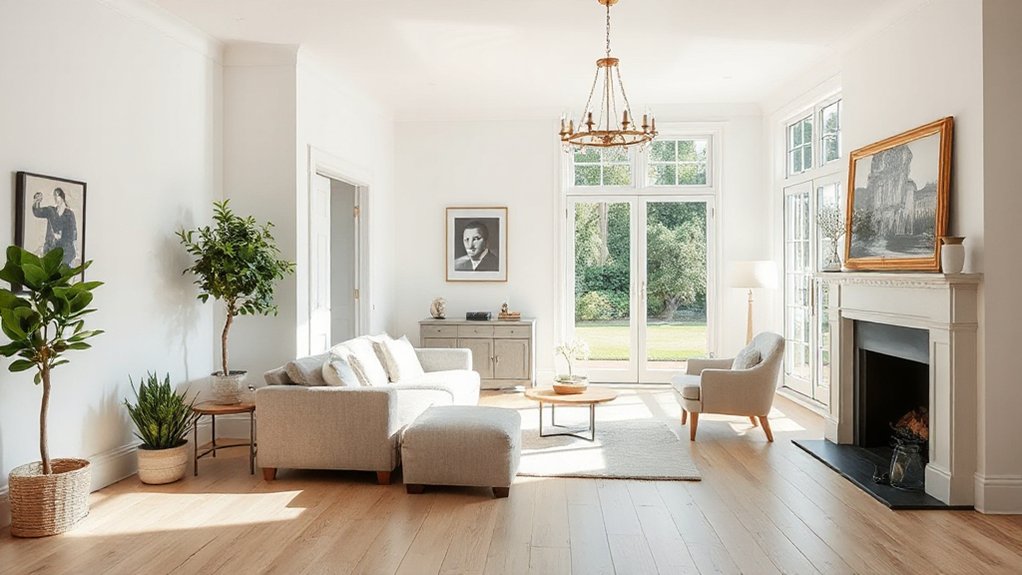
Staging your home in the UK delivers tangible benefits buyers feel from the moment they walk in: a clearer sense of space, better light, and a neutral canvas they can picture as their own. When you stage thoughtfully, you’re guiding perception—showcasing flow, potential, and lifestyle without distraction.
You’ll notice faster viewings and stronger offers as buyers imagine life there rather than at a generic property. Luxury upgrades subtly elevate appeal, signaling quality without overpricing, while maintaining broad market appeal.
Virtual staging complements in-person visits by illustrating room potential without invasive changes, enabling buyers to grasp configurations and finishes quickly. The result is a confident, decision-ready buyer pool, reduced negotiation friction, and a sharper market position for your home.
Declutter Fast: Create Perceived Space Now
Decluttering quickly creates the illusion of space you can actually walk through and imagine living in. You’ll show each room at its best by removing clutter, reducing visual noise, and creating clean sightlines.
Prioritize essential items and store the rest out of sight, using minimalist design as a guiding principle. Focus on high-traffic areas first—hallways, living rooms, and kitchens—to maximize perceived openness.
Implement smart storage solutions that blend with decor, such as under-bed bins, modular shelving, and hidden organizers, so you don’t sacrifice function. Keep surfaces bare or neatly arranged, and limit personal items to a few tasteful touches.
A streamlined, calm environment communicates value, signals practicality, and helps buyers envision comfortable living without distraction.
Paint Colors Buyers Expect in UK Homes
Neutral, widely appealing paint colors are essential in UK homes because they set the tone for buyers’ perceptions of space, light, and potential. You want coverings that feel fresh, modern, and easy to live in, not polarizing or risky.
Choose neutral bases—cool greys, warm beiges, and soft whites—that reflect natural light and read larger. You’ll reduce personalization while preserving architectural detail, allowing buyers to imagine their own furniture and decor.
For impact, employ restrained contrast and clean edges to avoid busy visuals. Incorporate wall color trends subtly: a single statement door or an accent wall idea in a muted tone can create focal points without overpowering rooms.
Keep consistency across spaces to reinforce flow and value.
Place Furniture to Maximize Flow and Space
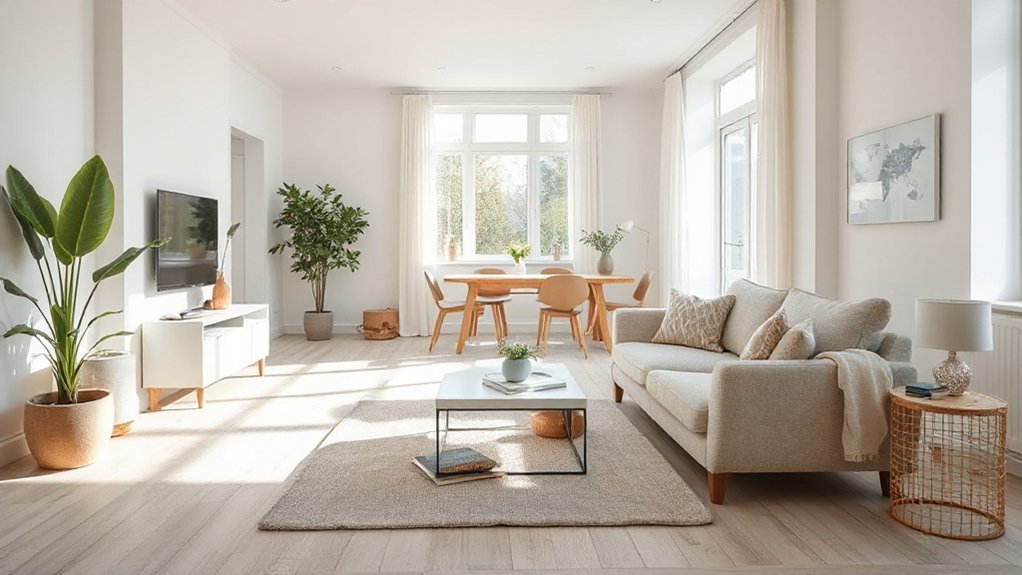
To maximize flow and space, place furniture to guide the eye and create clear paths through each room. You should start with a focal point, then orient seating to face it while preserving walkways.
Choose compact, scalable pieces that suit the room’s proportions and avoid oversized clutter. Position sofas and chairs to form natural conversation areas, leaving at least 60–90 cm (2–3 ft) for traffic.
Use rugs to define zones, not as barriers. Align key furniture with architectural cues—firesides, windows, and doorways—to reinforce space perception.
Keep surfaces clear and storage accessible; declutter to enhance lighting and openness. This approach delivers strong furniture arrangement and superior space optimization, helping buyers feel the home’s flow and potential from entry to exit.
Budget-Friendly Room Tweaks You Can Do This Weekend
You don’t need a big budget to make a room feel brighter, bigger, and more inviting this weekend. Focus on quick, measurable changes that yield real impact.
Begin with lighting: swap harsh bulbs for warm LEDs, add a floor lamp in a dark corner, and pull blinds up to maximize natural light.
Declutter surfaces, then layer texture with a throw, cushions, and a rug to create warmth without costly renovations.
Tidy cables, hide electronics, and designate a single, calm colour palette to unify the space.
For DIY decor, craft simple wall art or hang mirrors to reflect light and create depth.
In terms of Budget upgrades, refresh hardware or switch up a focal piece, ensuring every area feels intentional and gallery-ready.
Curb Appeal That Wins: Quick Exterior Fixes
First impressions count, so focus on quick exterior fixes that buyers notice within seconds. You can’t overstate the impact of a tidy approach to curb appeal, so start with crisp boundaries—reseed bald patches, edge the lawn, and trim overgrowth. A fresh front door color or updated hardware signals care and value.
Fix any peeling paint, replace cracked path stones, and guarantee the porch is inviting with a simple welcome mat. Integrate landscaping enhancements that frame the entry: strategic shrubs, seasonal pots, and clean mulch beds create immediate texture and structure.
Add outdoor lighting to highlight architectural features and improve safety as dusk falls. These steps are low-cost, high-return moves that set the tone for a successful viewing.
UK Market Timing: Local Considerations and Launch Timeline
Understanding local market windows, seasonal buyer trends, and clear launch timeline milestones helps you time viewings for maximum impact.
If you align your listing with peak buying periods and sector-specific rhythms, you’ll attract more qualified inquiries and faster offers.
Let’s map your launch plan around these local cues so your home stands out from day one.
Local Market Windows
Local market windows in the UK hinge on local demand and seasonal quirks, so timing your launch around neighborhood activity beats a one-size-fits-all approach.
You should map your listing to when buyers in your area typically act, not when you’re most anxious to move. Focus on your immediate context: neighborhood events that draw browsers, road traffic around schools, and the cadence of local amenities around your home.
Align photos, viewings, and open houses with these rhythms to maximize engagement and minimize time on market. This approach signals you respect buyers’ schedules and local realities, not just your own timeline.
Plan a launch that syncs with the community, and you’ll convert interest into qualified inquiries faster.
Seasonal Buyer Trends
Could seasonal buyer trends in the UK shape when you launch, or should you ride the same clock every time? Yes, trends influence timing. In peak seasons, you’ll see higher buyer activity, quicker offers, and stronger competition, so your launch can catch momentum with polished staging and strategic pricing.
Off-peak periods demand sharper presentation and value messaging to overcome hesitation. Monitor seasonal lighting changes and daylight hours; subtle illumination can boost perceived warmth and space, shaping buyer sentiment positively.
Align your viewing windows with typical school holidays, payday cycles, and local events to maximize attendance. Don’t rely on habit alone—an evidence-driven schedule reduces days on market and preserves momentum.
Tailor your launch to external rhythms while preserving a crisp, premium visual story. Continuous feedback ensures you stay aligned with evolving buyer sentiment.
Launch Timeline Milestones
Launch timeline milestones are your roadmap to momentum, so map them with precision and keep pace with local buying rhythms. You’ll anchor launch dates to school terms, pay days, and bank holiday clusters, aligning viewings with peak activity windows.
Set a hard date for listing, then back-calculate marketing tasks: virtual tours ready, photography polished, and copy crafted. Build a staggered schedule for open-house events that suits your area’s buyer cadence, avoiding clashes with competing properties.
Tie each milestone to a measurable outcome—inquiries, viewings, offers—and review weekly. Craft marketing strategies that leverage local channels, neighborhood groups, and targeted ads, then test messaging until it resonates.
Stay adaptable: market shifts demand quick pivots, not hesitation. With disciplined timing, you convert interest into momentum and faster, stronger offers.
Frequently Asked Questions
How Long Does Staging Typically Take From Start to Listing?
A typical staging timeline spans 2–6 weeks from start to listing, depending on scope. You’ll weigh preparation costs against impact, optimize rooms quickly, and push your property to market faster with a polished, persuasive presentation.
Will Staging Affect My Property’s Resale Value in the UK?
Yes, staging boosts resale value by enhancing interior decoration and curb appeal, making buyers imagine living there. You’ll attract offers faster, stand out competitively, and potentially secure a higher price with strategic, tasteful improvements.
Do I Need Professional Staging or Can I DIY on a Budget?
You don’t need pros; you can DIY on a budget. Use DIY tips and budget-friendly options to stage effectively, leveraging simple decor, decluttering, and smart lighting to guide buyers—confident, persuasive, and cost-conscious throughout the process.
Which Rooms Should Be Prioritized for Staging Attention?
Like a lighthouse, you should prioritize the living room, kitchen, and entryway. Focus on Outdoor curb appeal and Storage optimization to make first impressions strong and doors open, guiding buyers through your home with confident, persuasive clarity.
Are There Legal or Safety Considerations When Staging in the UK?
Yes—you must guarantee legal compliance and prioritize safety precautions; verify gas and electrical work certificates, avoid overcrowding exits, and secure stair rails, smoke alarms, and carbon monoxide detectors, so your staged home stays compliant, safe, and inviting for buyers.
Conclusion
You’ll love how easy it is to sell faster, right? Declutter, paint softly, and arrange for flow, and buyers pretend they’ve already moved in. It’s almost funny how neutral vibes trigger imaginations—while you’re still calculating mortgage math. Yes, curb appeal matters, yes, lighting sells, and no, you don’t need a fortune to stage well. So go ahead: stage smart, price right, and watch offers roll in like clockwork. Irony? They’ll thank you in their bid.