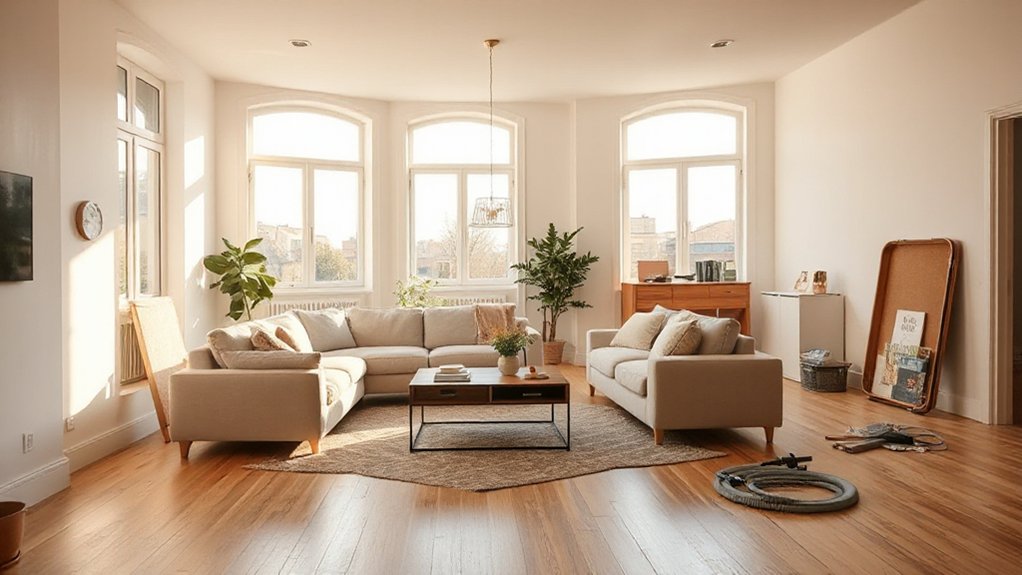
You can boost your rental yield by prioritizing durable, low-cost improvements that buyers and tenants notice—think modern kitchens, efficient baths, and smart, energy-friendly features. Base decisions on data about local demand, rent benchmarks, and long-term maintenance costs. Create a tight budget, clear timelines, and a plan for minimizing vacancy. Get the numbers right before you commit, because the right choices today set your profitability trajectory—yet the path isn’t always obvious until you map the market.
Prioritize Cash-Flow Drivers for a Buy-To-Let Refresh
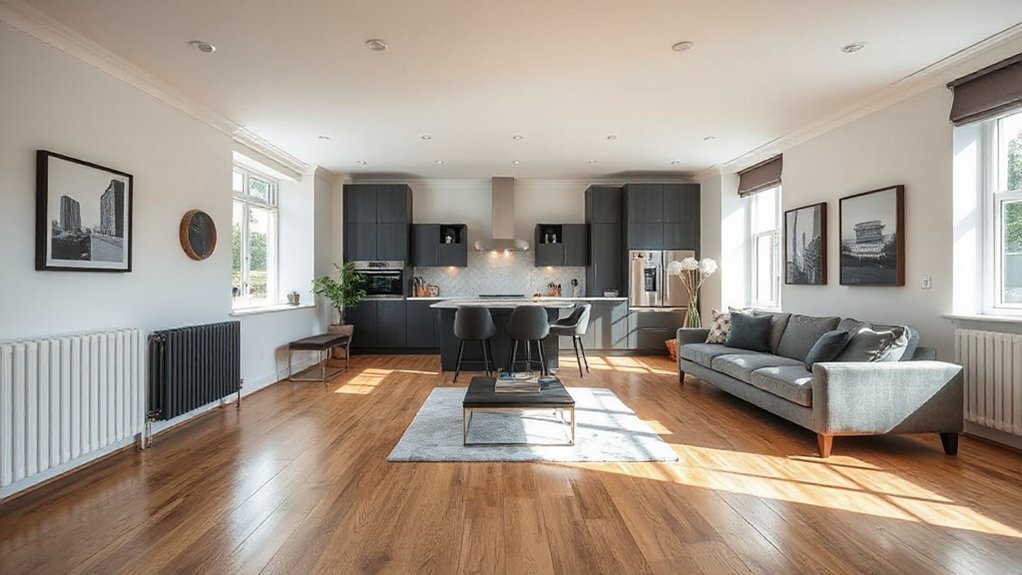
To boost rental yield, start by zeroing in on cash-flow drivers rather than cosmetic upgrades. You’ll focus on net income, occupancy, and operating costs first, then verify assumptions with hard data.
Run a market analysis to identify competing rents, vacancy timelines, and severity of seasonal demand shifts.
Use tenant engagement to surface preferences that directly affect occupancy and turnover costs, such as lease terms, responsiveness, and amenity expectations.
Quantify each variable: expected rent, maintenance cadence, insurance, taxes, and management fees.
Prioritize improvements that lower operating costs or raise achievable rent without sacrificing tenant satisfaction.
Document a clear ROI for each change, linking it to churn reduction and steadier occupancy.
This disciplined approach guides where your renovation dollars deliver measurable yield.
Create a Durable, Cost-Effective Spec Sheet for ROI
You’ll start by selecting durable materials that withstand wear and reduce maintenance over time, boosting long-term ROI.
Then set clear, cost-effective spec metrics that quantify performance, lifecycle costs, and replacement intervals.
This data-driven approach keeps decisions guardrailed by value, not impulse, so you can defend every penny with measurable impact.
Durable Materials Selection
Durable, cost-effective materials are the backbone of solid ROI in buy-to-let renovations; selecting them wisely reduces maintenance costs, extends service life, and preserves rental value. You should prioritize proven products with low life-cycle costs, tested wear resistance, and easy repairability.
Compare suppliers on material longevity, warranty terms, and replacement parts availability to minimize future disruption. Favor surfaces and finishes that resist scuffs, moisture, and staining, reducing repaint and refurbishment frequency.
Specify standardized panels, corrosion-resistant fasteners, and energy-efficient insulation to lower operating expenses and tenant turnover. Balance upfront price with long-term durability; run a simple ROI model showing payback timelines for each material choice.
Guarantee your spec emphasizes consistency across rooms to support cohesive aesthetic appeal and predictable maintenance schedules.
Cost-Effective Spec Metrics
Cost-effective spec metrics translate ROI into action by defining clear performance targets, test methods, and supplier criteria that you can audit on every project. You’ll build a durable, scalable spec sheet that links cost to value, using objective benchmarks and transparent pricing.
Focus on measurable outcomes: energy efficiency, component lifecycle, and maintenance intervals, each with pass/fail criteria and documented supplier guarantees. Use smart pricing to compare options, avoiding over-specification while preserving reliability.
Incorporate tenant screening requirements and occupant-friendly features that drive steady occupancy and lower churn. Tie each spec to a Return on Investment calculation and a risk-adjusted margin.
Establish a simple review cadence, track deviations, and revise specs after each project. This disciplined approach keeps ROI front and center while reducing waste and surprises.
Refresh Kitchens and Baths for Maximum ROI
Upgraded cabinetry and efficient fixtures can considerably lift appeal without inflating costs, making kitchens and baths top ROI rooms for renters.
You’ll see better long-term value when you choose durable finishes and streamlined layouts that reduce maintenance and energy use.
Start with modern, cost-effective cabinetry options and high-efficiency fixtures to maximize performance and rental yield.
Upgraded Cabinetry Choices
When you refresh kitchen and bath cabinetry, the payoff comes from choosing finishes and configurations that appeal to a broad rental audience while resisting wear. You should prioritize durable materials, like solid-wood or high-quality plywood with long-lasting veneers, and select hardware that lasts beyond a single tenancy.
Opt for classic palettes in modern finishes to minimize tenant complaints about trends. Custom cabinetry can tailor storage to typical family sizes, boosting perceived value without overinvesting; keep frameless or inset options versatile for various layouts.
Balance price and performance by comparing cabinet-box durability, soft-close drawers, and reliable hinges. Favor neutral tones and timeless details, then introduce subtle texture for warmth.
These choices support sustained demand and straightforward resale, while keeping maintenance predictable.
Efficient Fixture Updates
Efficient fixture updates pay off by delivering a fresh, modern look with minimal disruption, so you should prioritize durable, water-efficient options in kitchens and baths. You’ll reduce maintenance costs and appeal to tenants who value reliability.
Focus on smart fixture selection: choose high-quality faucets, showerheads, and toilets with verified water savings and robust warranties. Update countertops and finishes to resist staining, while keeping installation straightforward to minimize downtime.
Pair fixtures with modern lighting to brighten spaces without adding glare. Favor concealed hardware and single-handle controls for a sleek, low-cleanliness profile.
Document energy and water savings to justify higher rents or faster occupancy. Data shows durable fixtures improve retention; combine them with timely updates to maximize ROI and tenant satisfaction.
Slash Running Costs With Energy-Efficiency Upgrades
Smart, targeted energy-efficiency upgrades can cut your operating costs from day one. You’ll see immediate gains by tightening thermal envelopes and choosing efficient appliances with clear energy ratings.
Prioritize low-cost, high-impact fixes like LED lighting, smart scheduling, and superior insulation in walls and lofts, then quantify savings using local energy tariffs.
Smart thermostats optimize heating and cooling, reducing waste when you’re away or asleep, lowering bills and occupant complaints.
Solar panels offer a long-term hedge against rising utility costs, improving net yield and asset value without demanding invasive renovations.
Combine with high-efficiency heat pumps where feasible, and track monthly metrics to prove ROI.
Maintain quality, reliability, and predictable maintenance to protect long-term cash flow.
Stage and Renovate to Attract Above-Market Rents
Stage-and-renovate strategies should aim to push rents above market level by showcasing modern, durable finishes and tenant-friendly layouts that last. You focus on high-traffic durability, low-maintenance materials, and timeless aesthetics that appeal to a broad renter pool.
Prioritize clean lines, neutral palettes, and quality fixtures that endure wear. Pair these choices with efficient layouts—open kitchens, versatile living spaces, and ample storage—to boost perceived value and comfort.
Highlight reduced maintenance costs and longer tenancy terms to justify premium rents, supporting higher tenant retention. Use data on appliance lifespans, material warranties, and energy performance to back your decisions.
Emphasize aesthetic appeal as a differentiator, ensuring the property feels modern yet welcoming to attract stable, above-market inquiries.
Budget, Timelines, and Vacancy Planning for Steady Yield
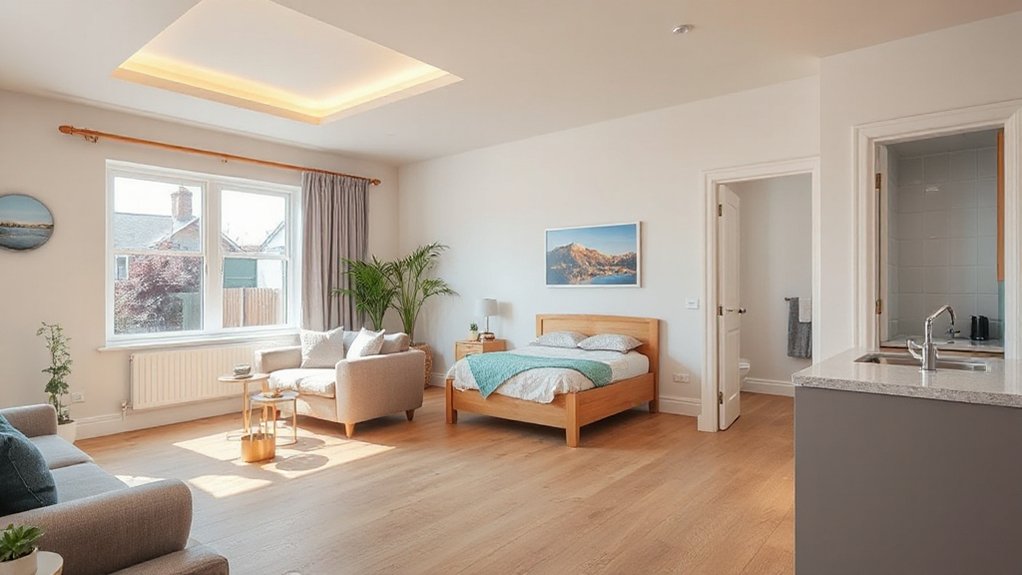
Budget, timelines, and vacancy planning are your levers for steady yield: set a tight, reality-checked renovation budget, establish a realistic project timeline, and model vacancy risk to protect cash flow.
Your planning should quantify costs by line item, add a 10–15% contingency, and align with rent‑gap benchmarks to avoid overruns.
Use a phased schedule that prioritizes high‑impact improvements first, with clear milestones and accountability.
Incorporate a vacancy rate assumption based on local data and seasonality to fine‑tune cash flow projections.
In execution, lean into property management practices that streamline procurement, inspections, and snag lists.
Pair thorough tenant screening with a predictable onboarding process to reduce turnover, stabilize income, and sustain long‑term yield.
Frequently Asked Questions
How to Estimate After-Renovation Cash Flow for Different Rental Markets?
To estimate after-renovation cash flow, compare rents, vacancies, and costs across markets, model scenarios, and adjust for cap rates; use property staging and cosmetic upgrades to justify higher rents, boosting occupancy and cash flow projections.
What Financing Mix Minimizes Holding Costs During Renovations?
Use a mix of short-term renovation loans and refinanced debt to minimize holding costs, prioritizing lower interest rates and flexible terms; target low-rate periods, lock in when favorable, and monitor pricing trends for ideal interest rates and renovation loans.
Which Tenant Demographics Maximize Yield in a Specific Area?
You’ll attract higher yields by prioritizing tenant preferences and longer lease durations, tailoring features to demand in that area, and marketing accordingly; you’ll boost stability, reduce vacancies, and optimize cash flow with data-driven, practical decisions.
How to Stagger Renovations to Minimize Vacancy Risk?
Like a careful conductor, you orchestrate Renovation scheduling to stagger work, minimizing Vacancy management risk. You pace trades, track progress, and adjust buffers, using data-driven checks so tenants never wait, and cash flow stays steady throughout upgrades.
What Legal/Compliance Checks Most Impact ROI Post-Renovation?
You should prioritize compliance checks that impact ROI: verify property taxes estimates and guarantee insurance coverage aligns with landlord risks, claims history, and vacancy periods; these factors directly affect cash flow, premium costs, and overall investment viability.
Conclusion
In a market that hums with constant change, you’ll see the power of steady, data-driven decisions versus flashy, costly gambles. Prioritize durable, cost-effective upgrades, then balance energy savings with tenant appeal. Juxtapose comfort and economy: modern kitchens and baths draw rents up, while smart insulation and LED lighting slash running costs. Plan meticulously, budget tightly, and stage thoughtfully. The result? Sustainable cash flow that outlasts vacancies and outperforms short-term fads.