
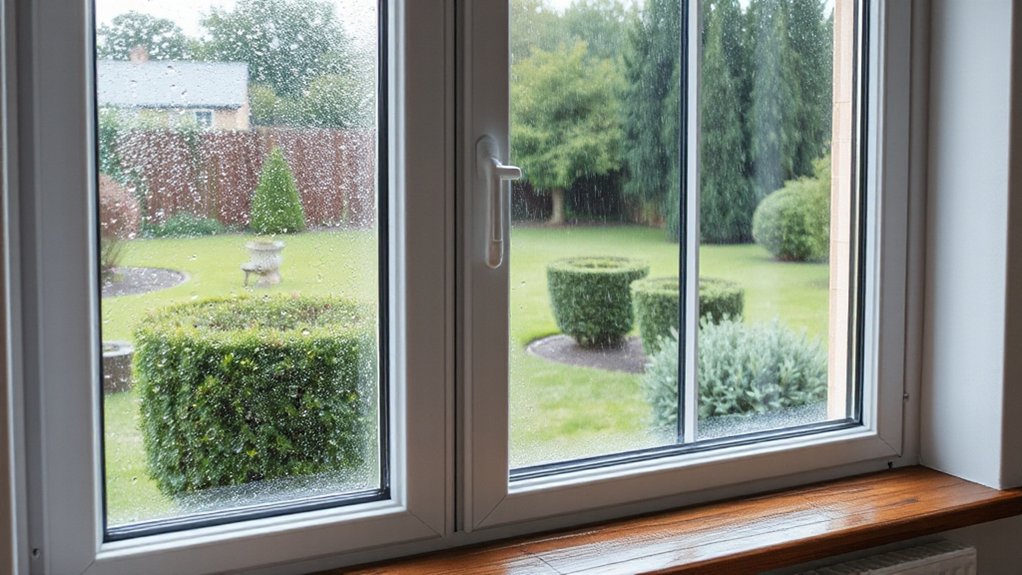
Your home is a ship weathering the UK’s fickle climate, so choose windows that block drafts without trapping heat. You’ll want durable frames, efficient glazing, and solid seals that resist rain, wind, and condensation, plus easy maintenance for damp summers. But the best option isn’t obvious at first glance—high-performance quotes, warranties, and installation quality can tilt the odds in your favor. Stay with me as we break down materials, glass types, and installer tips to make a sound choice.
Best Window Materials for UK Weather
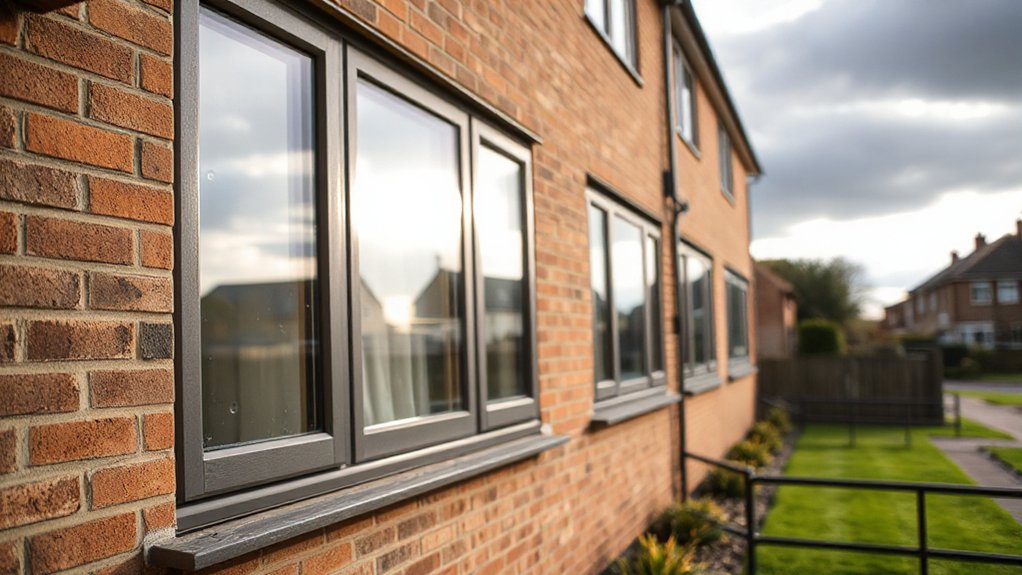
When selecting window materials for UK weather, durability against rain, wind, and humidity should be the top priority. You’ll want a material that resists warping, corrosion, and fading while remaining energy efficient.
Vinyl frames offer low maintenance, good weather resistance, and strong guarantees, making them a practical baseline.
Aluminum is sturdy and slim, but can conduct heat unless paired with thermal breaks or coatings.
Timber remains attractive, yet it needs regular sealing and maintenance in damp conditions.
Consider composite options that combine durability with aesthetics.
Evaluate Window frame styles for access to maintenance and performance, and Window color options that won’t fade in prolonged sun.
Choose materials with high weather resistance, strong warranties, and proven performance in UK climates.
Glazing Options to Improve Heat, Noise, and Security
Glazing options directly influence heat retention, noise reduction, and security, so start by balancing performance with cost and climate needs. You’ll want glazing that minimizes heat gain in summer and loss in winter without compromising daylight.
Double- or triple-glazing with low-emissivity coatings reduces heat transfer while keeping visibility clear. Laminated glass enhances security against impact, while insulated spacers limit thermal bridges.
For noise, consider larger air gaps and acoustic laminated panes. Window tinting can reduce glare and solar heat if you live in sunny regions, but choose films approved for exterior glazing to avoid long-term maintenance issues.
Decorative finishes offer aesthetic customization without affecting core performance, yet confirm they don’t interfere with seals.
Evaluate warranty, durability, and maintenance when selecting glazing to meet both comfort and resilience.
Understanding U-values and Thermal Performance
Understanding U-values and thermal performance starts with tying glazing choices to real-world energy impact. You’ll evaluate how window assemblies minimize heat loss and prevent unwanted heat gain, using U-values as a centerpiece. A lower U-value means better insulation, reducing heating demand in winter and cooling needs in summer.
Consider dual- or triple-glazing, frame materials, and spacer technologies, but quantify trade-offs alongside performance data from reputable labs. Look beyond label numbers to real conditions, like wall insulation quality and orientation, since overall performance hinges on system efficiency.
Be mindful of thermal bridges and insulation gaps, which can undermine laminated gains if overlooked during installation. Aim for assemblies certified to robust standards, and verify that warranty coverage aligns with expected performance over time.
Ventilation and Condensation: Practical Year-Round Strategies
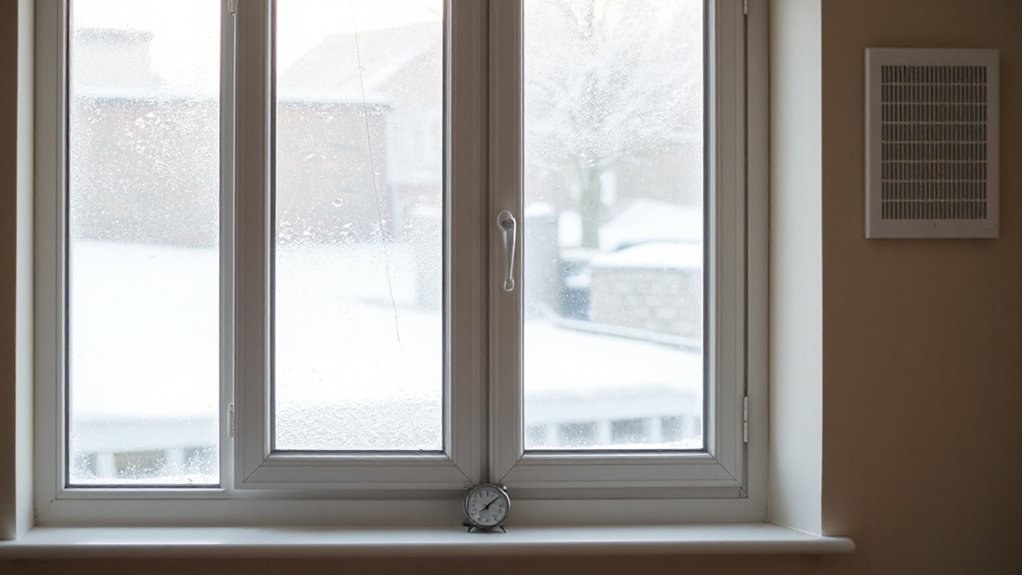
Ventilation and condensation aren’t just about comfort; they’re about preventing moisture damage and indoor air quality issues year round. You’ll rely on controlled air exchange to sustain healthy humidity levels in UK conditions, regardless of season.
Prioritize reliable air circulation with background ventilation, trickle vents, and intermittently operating extraction fans in bathrooms and kitchens.
Keep indoor moisture low by exhausting humid air and bringing in drier outdoor air, especially during cooking, showers, and laundry.
Use humidity-aware controls or smart metering to maintain target relative humidity around 40–60%.
Seal leaks, but avoid over-sealing that traps damp air; balance is essential.
Regularly inspect windows for condensation patterns and assure proper drainage away from sills.
Effective moisture control reduces mould risk and preserves comfort and energy performance.
Installation Practices to Prevent Drafts and Leaks
Drafts and leaks undermine the gains you’ve already made with ventilation and moisture control, so start with solid installation practices. To minimize heat loss and drafts, prioritize proper preparation and fit.
Inspect the rough opening for level and square, then align the window before securing. Use high-quality sealants and tapes compatible with UK timber, uPVC, or aluminium frames, and apply sealing methods around all junctions to prevent air ingress.
Install a continuous sill insulation layer and consider a backer rod in larger gaps to improve durability. Confirm weatherproof membranes extend beyond the frame to shed moisture.
For window frame insulation, choose products with low thermal conductivity and compatible expansion gaps. Validate performance with a blower door test or equivalent air-tightness measure to confirm effectiveness.
Maintenance for Longevity in a Damp Climate
In a damp UK climate, proactive maintenance is essential to extend window performance and prevent moisture-related damage. You should inspect seals and caulking quarterly, replacing degraded fills to deter creeping damp and drafts.
Clean tracks and drainage paths monthly to sustain smooth operation and reduce water pooling behind frames.
Check finishes for peeling paint or varnish, touching up or recoating to guard against rot and UV deterioration, especially on timber components.
Guarantee ventilation remains unobstructed to balance humidity and indoor air quality.
Address condensation by improving insulation and using desiccants where needed.
When planning replacements, consider window aesthetics and aesthetic integration within your facade, ensuring materials tolerate humidity and maintain appearance over time.
Document maintenance tasks to support long-term performance records.
Quick Next-Step Framework: How to Compare and Choose Your Windows
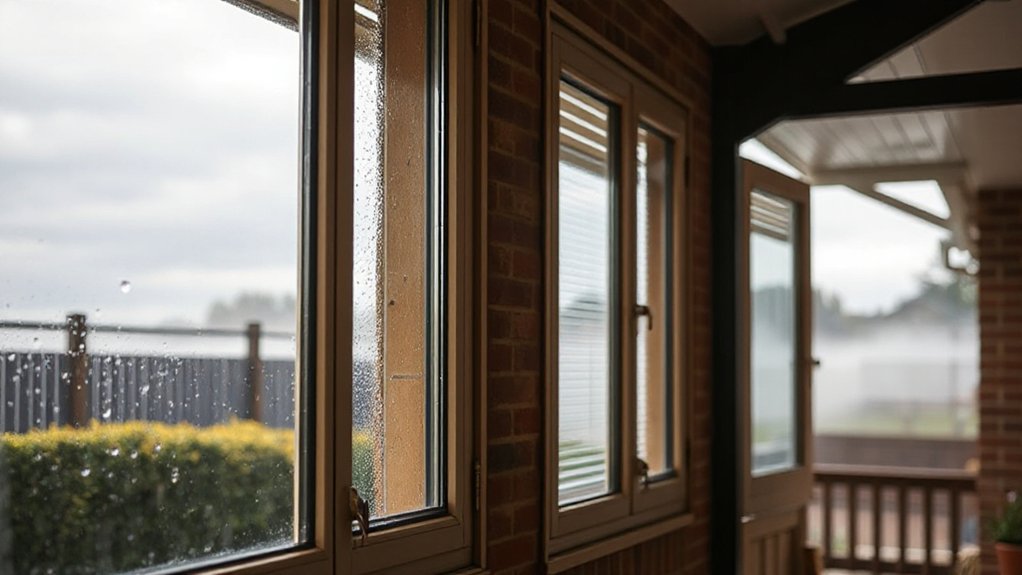
With maintenance in mind, you’ll want a concise framework to compare options and pick windows that perform in UK conditions. Start by listing Window style options you’re considering, then align each with climate needs—wind resistance, rain sealing, and thermal performance.
Use a simple scoring system: install quality, durability, and ease of maintenance. Next, compare energy efficiency ratings across frames, glazing, and seals; look for consistent labeling and real-world U-values.
Consider window types that mitigate condensation and drafts, prioritizing robust hardware and weather seals. Validate claims with product tests, installation manuals, and independent reviews.
Finally, weigh total cost of ownership, including potential energy savings and long-term upkeep. This approach anchors decisions in evidence, helping you choose reliable, efficient windows for UK weather.
Frequently Asked Questions
How Long Do uPVC Windows Typically Last in UK Climates?
UPVC windows typically last 20 to 40 years in UK climates, depending on exposure and maintenance. You should schedule regular window maintenance and inspections, and monitor seals. Material durability remains high when you care for frames and hardware.
Are Timber Windows More Prone to Damp Damage Than Aluminum?
Timber windows aren’t inherently more prone to damp damage than aluminum if you treat timber properly; timber durability hinges on treatment, sealing, and moisture control, while aluminum maintenance is routine—cleaning and inspecting seals keep both materials performing well.
Do Double Glazing Rebates Affect Long-Term Performance or Value?
Double glazing rebates can improve long-term value only if you wind up energy-efficiently. They boost energy efficiency and, with government incentives, can raise resale appeal. But verify installer quality and payback periods before committing.
How Often Should Window Seals Be Professionally Inspected?
You should have window seals inspected every 1–2 years by a professional. This seal maintenance approach catches wear early, prevents leaks, and preserves energy. Inspection frequency depends on climate, usage, and prior seal performance.
Can Windows Influence Indoor Air Quality Beyond Ventilation?
Like a lighthouse beacon, yes: windows influence indoor air quality beyond ventilation. You curb indoor pollution and boost air circulation by sealing gaps, choosing proper filters, and maintaining efficiency, since drafts trap pollutants and degrade comfort and health.
Conclusion
You can confidently pick windows that withstand UK weather by prioritizing durable frames, low-E glazing, and airtight installation. In fact, double or triple glazing with low-emissivity coatings can cut heat loss by up to 40% in typical homes. Combine that with proper seals and thermal breaks, and you’ll minimize drafts, condensation, and noise. Regular maintenance maintains performance steady, and choosing a reputable brand with a solid warranty guarantees long-term value in damp climates. Ready to compare options?