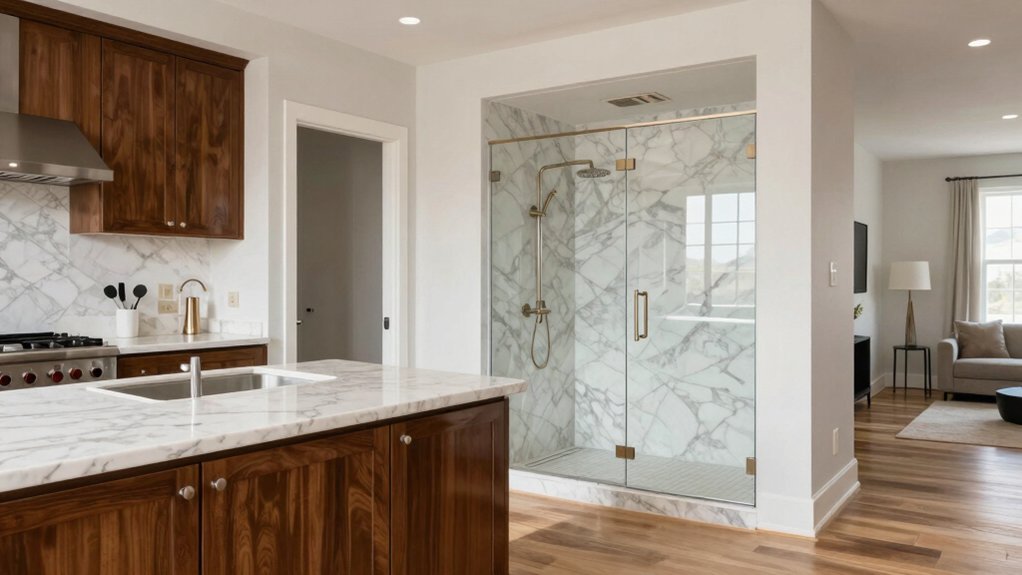
You’re preparing to sell, so focus on curb appeal, a modern-but-taded interior, and practical upgrades. Tidy landscaping, fresh exterior paint, and bright lighting first impressions matter, then a kitchen and baths that use durable, timeless finishes on a budget. Declutter, refresh with neutral color, improve storage, and fix maintenance issues now. Start strong at the front door and mudroom, then tighten the rest—because small, smart updates can release bigger buyer interest. Ready to prioritize the list?
Boost Curb Appeal With Fresh Exterior Details
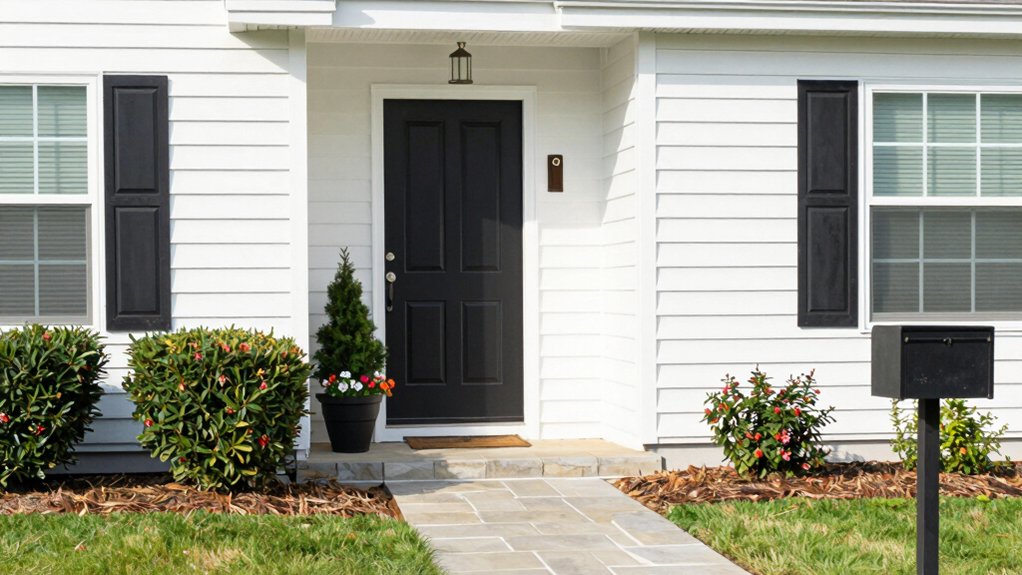
Boost curb appeal starts at the curb: replace worn house numbers, clean or repaint the mailbox, and give the front porch a fresh, inviting look. You’ll create immediate visual impact by updating details that buyers notice first.
Focus on durable finishes and cohesive color choices that reflect the home’s style. Garden landscaping frames your entry and guides the eye toward the door, enhancing perceived value without major renovation.
Add tidy mulch, seasonal plants, and a clear path to reduce hazards and improve safety. Integrate outdoor lighting to highlight architectural features and improve nighttime curb appeal; consider sconces, path lights, and a timer for convenience.
Keep maintenance minimal and predictable, so the exterior stays polished during showings and throughout the selling process.
Modernize the Kitchen on a Budget
A modern kitchen sells a home fast, and you don’t need a full remodel to make a big impact. You can update efficiently by focusing on the essentials: fresh paint, updated hardware, and better lighting. Choose neutral, durable finishes that appeal to broad buyers, then reserve bigger purchases for later.
Use smart appliances to boost efficiency and perceived value without inflating costs. Pair them with energy-efficient LED lighting and a simple, cohesive color palette. Replace lone dated features with stylish countertops that resist staining and scratching, immediately upgrading the room’s look.
Declutter surfaces to emphasize flow and storage. Refresh cabinet fronts with paint or affordable veneers, and fix lingering issues like leaky faucets. These targeted steps deliver a modern feel without overinvesting.
Refresh Bathrooms for Broad Appeal
To refresh bathrooms for broad appeal, start with a modernized shower design that feels spacious and clean. Update fixtures and tile to a cohesive, neutral look that’s easy to maintain and visually enlarges the space.
You’ll set a solid foundation for strong ROI by choosing durable finishes and a simple, timeless style.
Modernize Shower Design
If you’re selling soon, updating the shower can pay off in buyer perception and perceived value. You’ll want a clean, timeless look that doesn’t require ongoing maintenance. Focus on simplicity: replace brittle components, seal grout, and minimize logical clutter.
Choose a neutral palette, install glass doors if feasible, and ensure good lighting to showcase space. When selecting shower fixtures, prioritize durability and easy operation over novelty. Consider a one- or two-tone finish that resists fingerprints and water spots.
Modern showerheads should offer strong water flow with efficient use, plus adjustable spray options. Keep hardware cohesive with existing sink and cabinet finishes. Avoid niche trends that could date the room; aim for a universally appealing, low-contrast design that buyers associate with reliable, modern standard of care.
Refresh Fixtures and Tile
Ask yourself what buyers notice first: fixtures and tile set the tone of a bathroom. You should refresh fixtures and tile to boost appeal without overhauling the room. Swap dated components for clean, timeless options, focusing on function and durability. Choose compact, water-saving fixtures that feel modern yet affordable.
Update tile accents with a cohesive accent stripe or a simple mosaic to create visual interest without clutter. Vintage fixtures can add charm if they’re in good condition and refreshed with bright chrome or matte black finishes. Regrout where needed to erase mildew and brighten grout lines.
Keep color neutral and consistent with the rest of the home, so the bathroom reads as fresh, clean, and low-maintenance for buyers.
Update Paint and Color Schemes Throughout
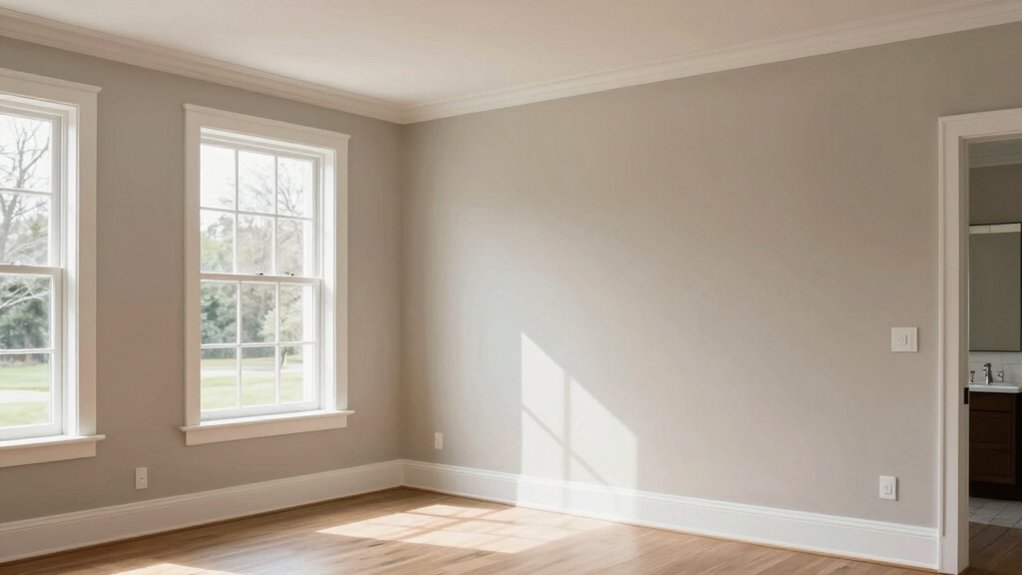
A fresh, neutral palette keeps spaces feeling open and appealing to more buyers. Guarantee cohesive room flow by carrying one or two core hues from room to room, with subtle contrasts for depth.
Use lighting and color temperature to reinforce the mood you want, from inviting to modern.
Fresh Neutral Palette
A fresh neutral palette lightens every room and helps buyers imagine their own furnishings, so update walls, ceilings, and trim with soft, unified tones like warm beiges, greiges, or light greys. You’ll want a cohesive backdrop that doesn’t compete with furniture or artwork.
Choose colors informed by color psychology: soothing neutrals can reduce visual clutter and speed decision making.
Plan your paint application techniques carefully—coat all surfaces evenly, use primer where needed, and cut in crisply at corners for a professional look. In high-traffic areas, opt for washable finishes to withstand cleaning.
Balance between rooms by repeating a couple of core hues, ensuring continuity without monotony. This approach creates a calm, inviting canvas that helps buyers envision living there.
Cohesive Room Flow
To create cohesive room flow, extend your neutral palette beyond walls to furniture, textiles, and accents so each space reads as a single, purposeful sequence. You’ll update paint and color schemes to reinforce that continuity, choosing complementary tones that echo across rooms.
Keep decorative accents consistent in style and finish, so they reinforce the theme without competing signals. Plan your furniture arrangement to prioritize sightlines and traffic flow, avoiding abrupt shifts in scale or color between adjacent areas.
Use repeated textures—linen, wool, jute—in cushions, throws, and drapery to bind spaces. Minimize high-contrast progressions; opt for subtle shade gradations rather than stark changes.
Test colors in natural and artificial light, then finalize with a cohesive palette that supports a calm, professional home presentation.
Improve Lighting and Electrical Upgrades
Improving lighting and upgrading the electrical system pays off in perceived and actual value when selling a home. You’ll attract buyers with a bright, inviting ambiance and reduce post-purchase bargaining over fixtures.
Prioritize layered lighting: ambient, task, and accent, using a mix of ceiling, wall, and floor lights. Consider smart lighting for automated schedules and remote control, but keep core fixtures simple and reliable.
Inspect outlets, switches, and the service panel for signs of wear or code issues, and replace frayed cords or damaged outlets immediately. Guarantee circuits match room usage and upgrade to adequate amperage if needed.
Emphasize electrical safety in disclosures and during showings, and choose energy-efficient options to balance cost and appeal without overcomplicating the system.
Enhance Energy Efficiency and Sustainability
Maximize energy savings and sustainability to boost value and appeal. You’ll improve efficiency by upgrading insulation, sealing leaks, and selecting high-performance windows.
Prioritize a smart thermostat and ENERGY STAR appliances to reduce ongoing costs without sacrificing comfort. Consider solar panels to cut utility bills and demonstrate commitment to green living; assess incentives and roof orientation before installation.
Rainwater harvesting can lower water use for landscaping, easing municipal demand and lowering bills. When evaluating options, weigh payback periods, local climate, and maintenance needs.
Implement efficient HVAC zoning to target comfort where you spend time. Choose durable, low-maintenance materials that perform well under local conditions.
Document upgrades with receipts and warranties to strengthen your selling proposition and buyer confidence.
Flooring Upgrades That Pay off
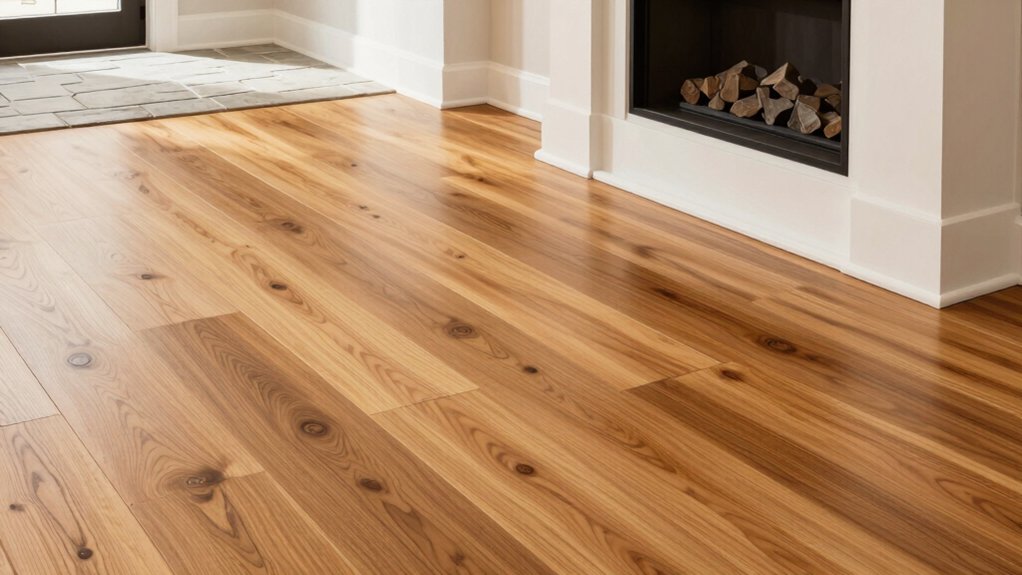
Flooring upgrades directly boost curb appeal, durability, and resale value, so pick options that balance cost with long-term savings. You want materials that wear well and ease maintenance. Luxury vinyl offers stylish looks, water resistance, and a lower price point, making it a smart first upgrade in kitchens, baths, or basements. It tolerates heavy traffic and is quicker to install, reducing downtime before listing.
If your hardwood has seen better days, hardwood refinishing can revive color and even out scratches without full replacement, delivering a premium feel at a fraction of the cost. Consider plank width and shade to match your home’s style, and pair with consistent trim and baseboards.
Focus on durable finishes, reputable installers, and minimal ongoing upkeep to maximize return.
Creative Storage Solutions for Small Spaces
Hidden wardrobe wonders, under-bed organizing tricks, and wall nook storage hacks give you practical levers to reclaim square footage without remodeling.
You’ll maximize every inch by choosing multifunctional pieces and clever placements that buyers notice.
Let’s explore how these ideas fit a small-space workflow and boost overall appeal.
Hidden Wardrobe Wonders
If you’re short on closet space, clever wardrobe solutions can free up room without sacrificing style. You’ll implement hidden wardrobe tactics that maximize capacity without bulk.
Start with vertical staging: tall, slim melamine units and hanging rods set higher to reclaim floor area. Choose modular shelves and pull-out baskets to keep items visible, accessible, and tidy.
Use door-mounted organizers to hold accessories, shoes, and seasonal wear, preserving core closet real estate. Integrate closet organization with split zones: a daily rotation area beside a seasonal rotation zone, so you never clutter your main closet.
For personalization, overlay lightweight, adjustable rods and pull-out drawers for garments by category. Finish with clear bins and labels to sustain order, boosting perceived space and resale appeal.
Under-Bed Organizing Tricks
Under-bed space is one of the best-kept secrets for small homes, and it’s ready to work hard for you. You can reclaim this area with purpose-built solutions that keep essentials accessible and dust-free. Choose low-profile bins or rolling drawers that slide out smoothly, so you won’t disturb what’s inside.
Use labeled containers for seasonal items, linens, and off-season wardrobe pieces, ensuring quick retrieval. Consider slim under-bed drawers that maximize height without cluttering the floor, and pair them with clear fronts for instant visibility.
For frequent items, mount shallow organizers along the bed frame edge, creating a micro-closet alternative. This approach supports under bed storage, simplifies daily routines, and contributes to clear bed organization tips that buyers notice.
Wall Nook Storage Hacks
Wall nook storage hacks maximize vertical and unused wall space, turning odd corners into functional organizers for small homes. You optimize by embedding concealed wall storage behind slim doors or panels, keeping clutter out of sight while preserving flow.
Choose modular shelving that fits narrow alcoves, and add floating cubbies to hold keys, mail, or small decor. Use decorative nook ideas like framed magnetic boards or peg rails to hold tools without consuming floor space.
Integrate pull-out bins for pantry corners and laser-cut organizers for jewelry or craft supplies. Color-match or contrast with wall tones to maintain a cohesive look, then hide cables with adhesive channels.
This approach boosts perceived space, supports quick home-showing cleanups, and delivers practical, marketable benefits.
Create a Welcoming Entryway and Mudroom
A welcoming entryway and mudroom set the tone for the whole house, so start with a clear, organized space that invites guests in. You’ll boost curb appeal and daily convenience by prioritizing flow: coat closet, seating, and a surface for keys.
Keep entryway decor simple and purposeful, using a neutral palette with a few durable textures that won’t clash with staging. Install a sturdy bench, shoe storage, and hooks at reachable heights to reduce clutter.
In the mudroom, designate zones for outerwear, footwear, and daily bags, then label storage to reinforce routine. Choose weatherproof materials, easy-to-clean finishes, and ample lighting to create a welcoming feel.
Practice consistent organization to support mudroom organization and maintain a tidy first impression.
Fixes and Maintenance That Eliminate Red Flags
Addressing maintenance and repairs now prevents red flags later and protects your home’s value. Below, you focus on fixes that buyers notice first, not fixes that distract.
Start with exterior integrity: fix leaks, restore siding, seal gaps, and repair fascia so dampness and drafts don’t raise questions.
Inside, run through utilities you use daily—test all outlets, replace frayed cords, service the HVAC, and ensure water pressure is steady.
Tidy the yard by improving garden landscaping; remove dead plants, trim overgrowth, and ensure drainage guiding away from the home.
Keep pests in check with proactive pest control: seal entry points, set traps, and address moisture that invites invaders.
Document maintenance history to show diligence and reassure buyers.
Create Flexible Living Spaces for Buyers
To appeal to a broad range of buyers, design your spaces to flex with their needs—think open layouts that can easily adapt to work from home, workouts, or entertaining. Create rooms that serve multiple purposes with clear separation when desired.
Use multifunctional furniture that swaps between storage, seating, or a work surface without clutter. Integrate flexible room dividers to adjust privacy and flow quickly, helping buyers imagine different lifestyles.
Choose neutral, durable finishes and guarantee sightlines remain open to maximize perceived space. Prioritize sockets, lighting, and data outlets so spaces stay usable for work, hobbies, or guests.
Declutter thoughtfully, highlight adjustable layouts, and show how small moves yield big versatility. This approach communicates long-term value and broad appeal.
Frequently Asked Questions
How Long Should I Expect to Recoup Renovation Costs at Sale?
Typically, you can expect cost recovery to occur within a renovation timeline of 0 to 5 years after sale, depending on market, project quality, and demand; plan budgets accordingly and track improvements for maximum value.
Which Home Improvements Most Boost Resale Value Quickly?
You’ll boost resale value fastest with kitchen upgrades and bathroom remodels, and they pay back well: about 60–80% of costs recouped. Imagine 80% of your investment reflected in offers, while upgrading fixtures heights appeal and accelerates showings.
Do Simple Cosmetic Fixes Outperform Major Overhauls Financially?
Yes, simple cosmetic fixes often outperform major overhauls financially. You’ll save more with DIY projects and selective luxury upgrades that impress buyers without breaking the bank, delivering quicker returns and fewer delays.
Should I Prioritize Curb Appeal Over Interior Upgrades?
Yes, prioritize curb appeal now. You’ll make instant impact; garden renovation and outdoor lighting elevate first impressions, drawing buyers in before interior upgrades. Focus on tidy landscaping, welcoming entry, and bright, energy-efficient lighting to maximize appeal.
Which Improvements Lose Value if Overdone?
Overdoing luxury upgrades can backfire; you’ll lose value if you overspend on niche features. Focus on practical improvements, and mix in smart DIY projects. Prioritize universal appeal, avoid gimmicks, and balance cost with return on investment.
Conclusion
Boost your home’s sale by dialing up curb appeal, modernizing key interiors, and sealing minor maintenance gaps. Hit fresh exterior details, a budget-friendly kitchen update, and refreshed bathrooms for broad appeal. Apply neutral paints, upgrade lighting, and optimize storage. Create a welcoming entryway, tidy mudroom, and flexible living spaces. Tackle fixes that scream reliability and eliminate red flags. Remember: a well-prepared home is a buying signal—preparation pays off, and slow and steady wins the race.