Ethanol fireplaces offer a clean, vent-free ambiance with simple installation, but you’ll find limited heat output and ongoing fuel costs that can disrupt comfort planning. You’ll need to balance aesthetic appeal against safety responsibilities and maintenance needs, while considering room size and ventilation. With performance tied to burner size and fuel type, your choice hinges on whether you want a stylish focal point or a practical heating solution—and that trade-off leaves you with important considerations to explore.
What Is an Ethanol Fireplace and How It Works
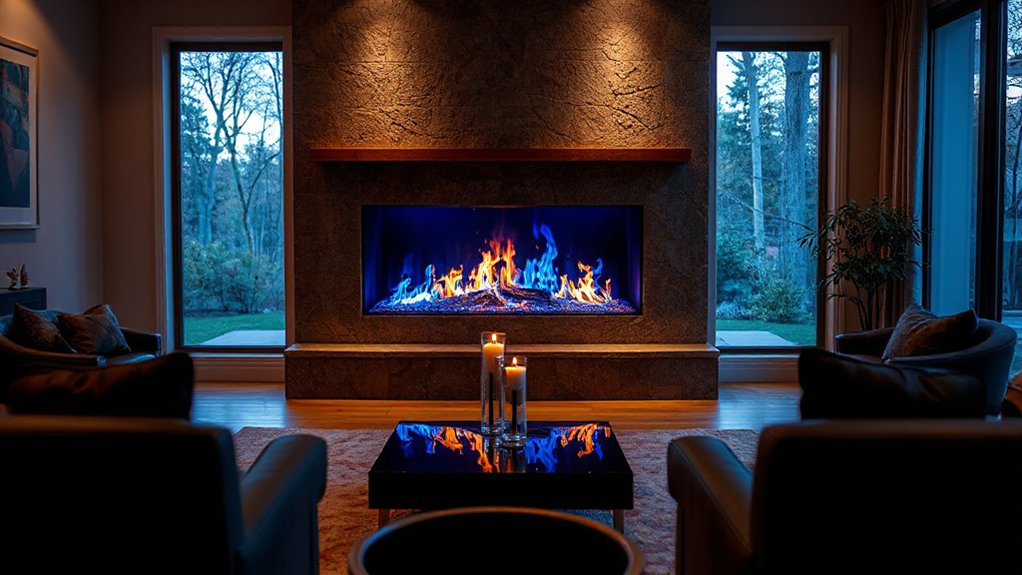
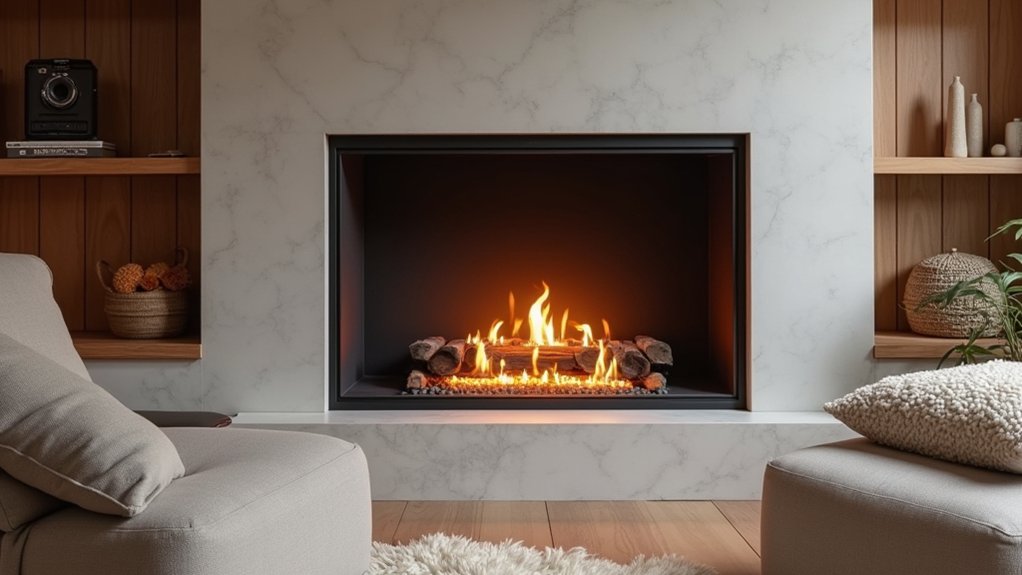
An ethanol fireplace is a ventless, real-flame heating appliance that uses ethanol-based fuel (typically denatured or bioethanol) to produce combustion. You install a burner chamber, fuel reservoir, and protective housing, then light the flame with a match or igniter.
Combustion occurs directly in the burner, emitting heat and a visible flame without a chimney or flue. The system relies on clean-burning fuel and proper ventilation to maintain safe operation; spill-control measures and fuel quality influence performance.
You’ll notice rapid heat onset and a low particulate output compared to wood or gas units, though the environmental impact depends on feedstock and lifecycle emissions.
Aesthetic appeal is immediate, with flickering flames enhancing ambiance while preserving a pared-down design aesthetic.
How Much Heat Does an Ethanol Fireplace Actually Produce?
You’ll see that ethanol flame heat output depends on the fuel burn rate, which governs how much heat is released per hour.
In practice, expect a narrow heat output range that varies with burner size, fill level, and ventilation.
We’ll assess typical burn rates and corresponding heat ranges to set clear expectations.
Fuel Burn Rate
In practice, the burn rate governs how long a fire sustains and how quickly heat is released, influencing room temperature rise and comfort. This metric ties directly to fuel efficiency, since higher consumption without proportional heat gain reduces overall performance.
The combustion process within an ethanol burner is designed for clean, oxygen-rich burning with minimal emissions, but deviations in fuel quality or venting can alter efficiency.
Monitor labeled burn rates and guarantee proper installation to achieve predictable, stable heat output and consistent operation.
Heat Output Range
Ethanol fireplaces deliver a measurable heat output that varies with burn rate, burner size, and room conditions, typically ranging from a few thousand BTUs per hour to moderate-room heating levels. You’ll see heat output scale with burner wattage and fuel load, but real-room performance also depends on enclosure design and ventilation.
In practical terms, most residential units deliver enough warmth to supplement a, not replace, primary heating source, aligning with targeted comfort zones.
Fuel efficiency improves with regulated burn control and sealed canister systems, reducing wasted heat through venting.
Aesthetic appeal often precedes exact BTU planning, yet understanding the range helps you match fireplace capacity to room size and insulation.
Consider efficiency ratings alongside decorative goals to optimize comfort and energy use.
Safety and Maintenance Essentials for Ethanol Fireplaces
Proper handling and regular maintenance are essential for safe ethanol fireplace operation. You should verify manufacturer guidelines before every use and inspect fuel containers for damage or leaks. Use only approved bioethanol fuels, stored away from ignition sources, and never refuel a warm or running unit.
Keep the surrounding area clear of combustibles and install the unit on a flat, noncombustible surface. Follow chimney requirements where applicable, noting that most ethanol appliances vent directly to the room rather than through a traditional chimney.
Adhere to safety regulations regarding placement, clearance, and child or pet access. Schedule routine maintenance to remove dust, inspect burn media, and test ignition controls.
Document compliance and replacement parts to sustain reliable performance and minimize risk.
Design Ideas and Placement Tips by Space
Consider ideal room placement to balance heat output with safety, airflow, and sightlines.
Explore space-specific design ideas that align with wall, corner, or island configurations, while ensuring clearances and ventilation are maintained.
For mounting, apply practical tips that accommodate wall, recessed, and freestanding formats without compromising stability or aesthetics.
Optimal Room Placement
When selecting a room for an ethanol fireplace, prioritize spaces with stable, level flooring and ample ventilation to guarantee safe operation. You should assess distance from combustible materials and ensure clear, unobstructed airflow paths.
Position should minimize heat exposure to curtains, furniture, and audiovisual equipment while preserving convenient access for fueling and maintenance. Consider room layout to maximize combustion air availability without compromising occupants’ comfort.
Establish fixed clearance guidelines per manufacturer specifications, and verify ceiling height and wall materials support safe heat dispersion.
For terminology, focus on Room aesthetics and Ventilation requirements as design metrics, not decorative elements.
Document local codes and installation standards, then test operation in a controlled environment.
Ensure carbon monoxide risk is mitigated through proper ventilation planning and adherence to safety guidelines.
Space-Specific Design Ideas
For each room type, tailor ethanol fireplace placement to optimize heat distribution, airflow, and user accessibility while maintaining manufacturer clearances.
In living spaces, locate units away from heavy drapery and shelving to minimize heat exchange interference. Use wall recesses or low-profile hearths to preserve sightlines.
In kitchens, prioritize heat containment from cabinetry while preserving aesthetic integration with decorative accents. Consider above-island or sidewall positions that support convection without obstructing work zones.
In bedrooms, position away from direct airflow paths and drafts. Guarantee guard clearance and ease of access for flame control.
In bathrooms, only consider placement if code-approved and vented. Assure moisture considerations and non-slip surroundings.
Choose configurations that balance visual impact with practical heat delivery for consistent, safe operation.
Practical Mounting Tips
For mounting techniques, prioritize secure anchoring, appropriate hardware, and level alignment to guarantee consistent flame performance. Consider wall placement that minimizes radiant heat exposure to occupants and furniture while keeping access for fuel replacement and maintenance.
Use a recessed or semi-recessed approach only where structural clearance permits, and avoid obstructing exits or sightlines. Verify manufacturer mounting diagrams and required clearances, and document any adjustments for future service.
Confirm tidy routing of any power or control lines, and test ignition, flame height, and shutoff functions before final installation.
Cost Breakdown: Fuel, Installation, and Operating Longevity
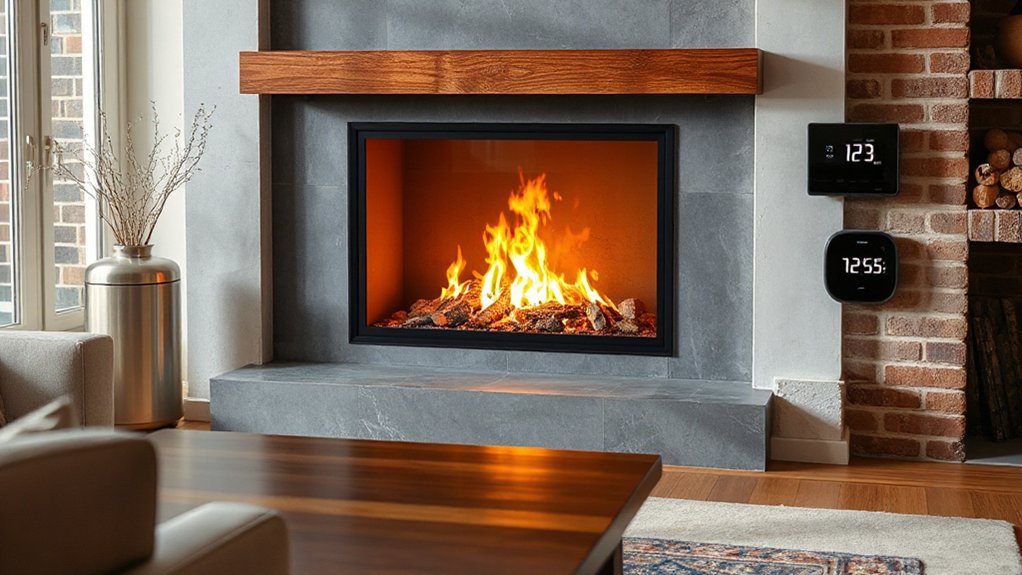
Cost factors for ethanol fireplaces hinge on three core elements: fuel costs, installation considerations, and expected operating longevity. You’ll assess ongoing fuel efficiency, burn rate, and refill intervals to predict annual energy use, while balancing aesthetic appeal with performance.
Installation costs vary by venting needs, clearance, and mounting complexity, affecting upfront capital and insurance considerations.
- Fuel costs and consumption patterns shape monthly expense and emissions
- Installation complexity dictates labor time and required permits
- Operating longevity hinges on burner design, material durability, and maintenance cadence
- Refill logistics influence consistency of ambiance and total cost
In practice, you’ll compare efficiency metrics, upfront investments, and long-term reliability to quantify total cost of ownership, ensuring the choice aligns with desired ambiance and budget.
Is an Ethanol Fireplace Right for You? A Decision Framework
Ethical and practical fit matters when you decide whether an ethanol fireplace suits your space and priorities. Use a decision framework that emphasizes risk, feasibility, and value.
Begin by defining your performance goals: decorative accents, ambiance, and straightforward operation.
Assess energy efficiency, noting that ethanol systems convert fuel to heat with modest efficiency and minimal heat recovery compared with sealed fireplaces.
Evaluate safety, ventilation needs, and spill risk; guarantee installation complies with local codes and manufacturer guidelines.
Consider space constraints and aesthetics: does the unit’s profile align with your decor and room layout?
Analyze maintenance, fuel availability, and operating cost versus perceived benefits.
If your priorities include clean lines and simple upkeep, and you accept limited heat output, an ethanol fireplace aligns with your objectives.
Next Steps: What to Consider Before You Buy
Before buying, map your priorities against the practical realities of an ethanol fireplace: intended ambiance, heat output, maintenance, and budget. You’ll assess Energy efficiency and Environmental impact alongside performance, safety, and installation constraints. Approach decisions with data on burn time, fuel type, and venting needs to avoid overestimating capability.
Consider unit dimensions, heat distribution, and room size to prevent under- or over-heating. Evaluate warranty terms, service availability, and replacement parts to reduce lifecycle risk. Balance upfront cost with long-term operating expenses, and verify code compliance for your locale.
By aligning expectations with measurable metrics, you’ll select a model that delivers a consistent experience and durable value.
- Energy efficiency metrics and real-world burn profiles
- Environmental impact and fuel sourcing
- Maintenance schedule and accessibility of service
- Compatibility with room size and code requirements
Frequently Asked Questions
Do Ethanol Fireplaces Smell Different With Different Brands?
Yes, you’ll notice differences in fuel scent across brands. Brand variation means some ethanol blends burn cleaner with milder odors, while others emit stronger, sharper aromas.
To minimize smell, choose brands that specify low-odor or denatured ethanol and use high-purity fuel.
Ventilation helps, too. Always check MSDS and burn guidelines.
If you’re sensitive to fumes, test a small fire first and compare the scent over several minutes before committing to a brand.
Can Ethanol Fireplaces Be Used Outdoors Year-Round?
You can use ethanol fireplaces outdoors year-round, but conditions matter. About 60% of installers report reduced performance in freezing temperatures, so consider wind protection and non-freezing, weatherproof models.
For outdoor heating, guarantee proper clearance and ventilation. If you want year-round use, plan for seasonal fuel management and corrosion-resistant components.
Outdoor heating demands routine maintenance; monitor for soot buildup and spills. Use only manufacturer-approved fuel and follow safety guidelines to maintain efficiency and minimize risks.
What Is the Environmental Impact of Ethanol Fuel?
The environmental impact of ethanol fuel depends on its source and lifecycle. You reduce environmental benefits when ethanol is derived from dedicated crops with intensive farming, increasing land use and water demand.
Consider the carbon footprint of cultivation, processing, and transport; if steps are efficient, you lower net emissions.
How Repairable Are Ethanol Burn Media and Components?
Repairability is moderate: you can replace most burn media and components, though some parts require manufacturer kits and careful sealing.
You’ll find maintenance tips emphasize cleaning, inspecting seals, and verifying fuel cups for wear.
Replacement options include media cartridges, burner blocks, and nozzles, but guarantee compatibility with your unit.
Remember: plan routine service, note corrosion risks, and refer to specs.
This reduces downtime and preserves performance, letting you manage repairs confidently, efficiently, and safely.
Are There Legal Restrictions or Permits Needed Locally?
Yes, you typically need to check local regulatory compliance and permit requirements before installing an ethanol fireplace.
You should verify zoning rules, fire codes, and any neighborhood covenants, as these determine permitting needs.
Contact your city or county building department for specifics, and confirm whether a permit or inspections are required.
Keep records of product certification and safe installation instructions to satisfy regulatory compliance and to avoid penalties or rework.
Conclusion
You’ll conclude that ethanol fireplaces suit stylish spaces more than primary heating sources. They deliver ambiance with minimal setup, yet produce modest heat—often only a few thousand BTUs—so plan for supplemental warmth. A key stat: burn times typically range 2–4 hours per fill, affecting operating costs. Consider room size, ventilation, and burner capacity before buying. If aesthetics and easy installation matter more than room-wide warmth, an ethanol fireplace is a strong, precise fit.