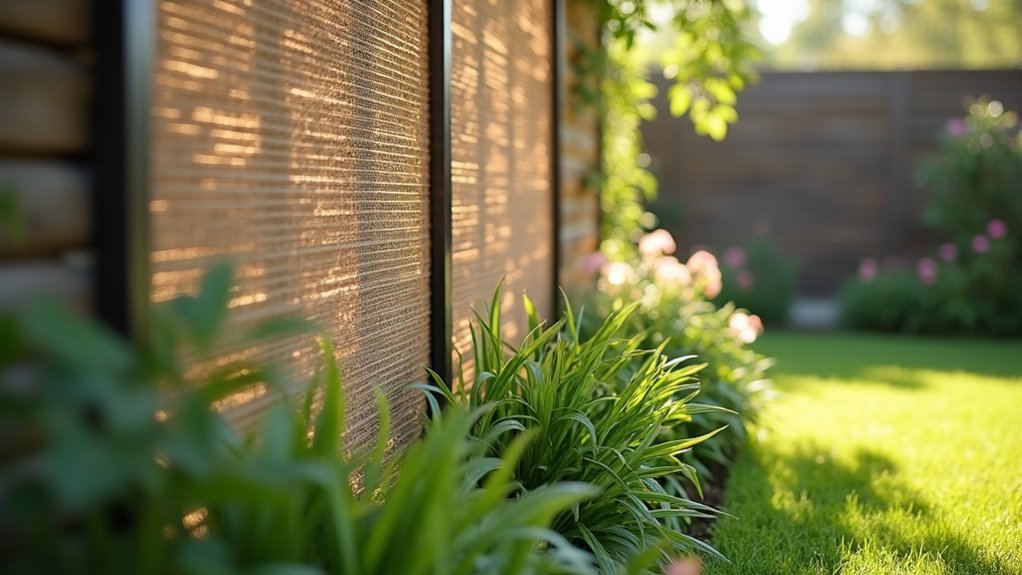
You’ll gain privacy, reduced noise, and better control over light with garden fence screening, making outdoor spaces more usable. It also deters intruders and improves wind performance while adding curb appeal and potential value. But choosing the right materials, style, and installation approach matters to guarantee durability and cost efficiency over time. Consider your site specifics and climate as you weigh options, then weigh quick fixes against long-term investments to decide your next step.
Assess Your Privacy and Noise Needs for Fence Screening
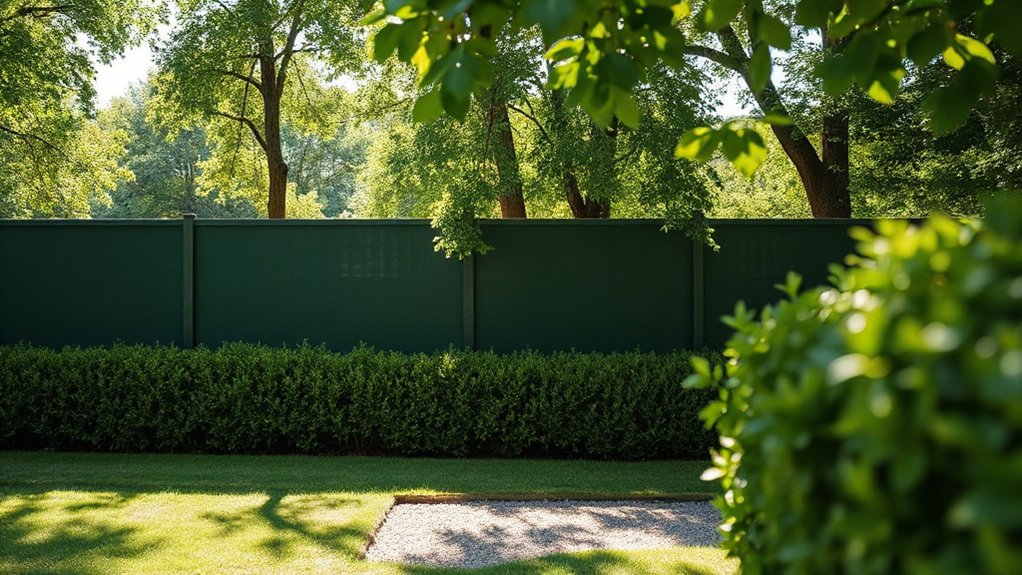
To determine the right fence screening, start by evaluating your privacy and noise needs. You’ll define how exposed you feel near neighbors, streets, or shared spaces, and map the zones where screening matters most.
Consider visual permeability—do you want a solid barrier or a partial screen—based on privacy considerations and style preferences. Assess noise sources, then estimate how much reduction you require to create tranquil moments in outdoor rooms, patios, or play areas.
Measure yard boundaries and sightlines to guarantee the screening you choose addresses key corridors, entrances, and seating areas.
Document your conclusions on privacy and noise goals, so you can compare products and installation approaches with a clear, outcome-focused standard.
Materials and Styles: Choose Fence Screening That Fits
Start with practical choices that balance durability, appearance, and budget. When selecting fence screening, you’ll weigh material versatility against style options to fit your garden’s character and climate.
Opt for durable, low-maintenance options like polymer meshes or dense synthetic fabrics that resist UV degradation and windswept wear. If you prefer a natural look, timber slats or bamboo screens offer warmth, but require regular treatment.
In terms of style options, consider openness versus opacity to control sightlines and air flow. Choose colors and textures that complement fencing and plants, ensuring easy replacement panels for future updates.
Prioritize compatibility with framing, fastening methods, and visibility needs, then align with your maintenance tolerance and long-term cost. This approach yields a cohesive, practical fencing solution.
Fence Screening and Light: Balancing Shade, Sun, and Airflow
Understanding how fence screening shapes shade distribution, sunlight control, and airflow helps you optimize comfort and plant health. You’ll balance dyeing sunspots with diffused light, apply strategies for morning versus afternoon sun, and guarantee adequate ventilation without wind tunnels.
This discussion sets the framework for practical, site-specific decisions on shade, sun, and air movement.
Shade Distribution Dynamics
Shade distribution from fence screening shapes how much sun your plants receive and how breezes move through the garden. You’ll observe how near-surface screening alters Light penetration, creating microclimates that vary by height and season.
Precise placement matters: denser sections reduce midday glare and temper heat load, while gaps allow targeted sun for heat-loving specimens.
Evaluate Wind flow by mapping air currents around the fence line; slight openings encourage ventilation without drawing heat from prized beds.
Measure daylight hours at plant level to align with species needs, adjusting screening height and density as plants grow.
Use monotonous, predictable patterns rather than random textures to maintain consistent shade bands.
This dynamic requires regular reassessment for ideal vigor and yield.
Sunlight Control Strategies
Bringing the shade and sun into balance requires deliberate fence screening choices that shape light, heat, and air flow around your beds. In this section, you’ll optimize sunlight delivery through deliberate material selection and placement, not merely padding the perimeter.
Use plant placement to create layered light patterns: taller screens at the north edge, lower panels toward sunlit sides, and occasional gaps for filtered rays. Aim for seasonal shading by adjusting screening height and density as seasons change, ensuring crops receive enough daylight without heat stress.
Track heat buildup on hot afternoons and tilt panels to redirect glare. Prioritize breathable materials to maintain airflow, preventing stagnant microclimates. This pragmatic approach supports even growth, robust vigor, and predictable yields.
Airflow and Ventilation Balance
Airflow and ventilation aren’t afterthoughts; they’re essential to fence screening that supports healthy crops. You balance shade with air movement by selecting screening materials and gaps that promote cross-ventilation without sacrificing privacy or pest protection.
Too-tight coverage can trap humidity, inviting fungal risk; too-open fabric reduces temperature moderation and windbreak benefits. Aim for a design that maintains consistent air exchange while filtering debris.
Consider fabric density, slat spacing, and panel orientation to sustain steady microclimates across garden zones. Align choices with plant compatibility, ensuring taller crops aren’t shaded by shorter neighbors and vice versa.
Evaluate garden aesthetics alongside functional needs, so screening blends with landscape palette. In practice, test airflow at different times of day and adjust spacing or materials to preserve healthy, vigorous growth.
Installation Tips: Quick DIY Steps and When to Hire Help
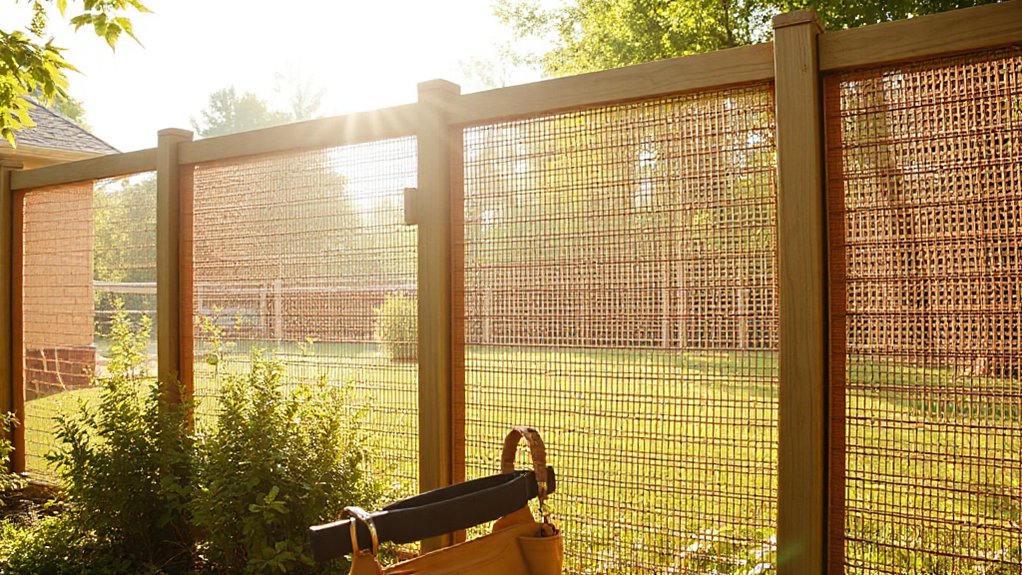
To install garden fence screening quickly and reliably, start with a clear plan: measure the area, choose the right screening material, and gather the essential hardware. You’ll finish faster if you verify post spacing, rails, ties, and fasteners before you buy.
Choose a screening that balances durability with aesthetics, and consider UV resistance for longevity. Enlist helper support for heavy lifting or precise alignment, but you can execute most steps solo with a level, tape measure, and shear scissors.
Install anchor points at consistent intervals, then tension the fabric evenly to avoid sag. For projects involving landscaping aesthetics, maintain clean lines and neat edges.
If you lack time or tools, hire a pro for complex runs or irregular layouts; pest deterrence can still guide material choice.
Maintenance and Longevity: Easy Care for Your Screen
Regular cleaning is the first line of defense, using simple methods from the Easy-Care Cleaning Tips to keep your screen looking new.
Choose Weather-Resistant Materials when selecting components, and follow a proven Long-Term Maintenance plan to prevent wear and corrosion.
I’ll walk you through practical steps and edge cases to help you sustain performance with minimal effort.
Easy-Care Cleaning Tips
Maintaining a garden fence screen is straightforward if you follow a simple routine: wipe away dirt with a soft brush or cloth, rinse with a garden hose, and let it dry completely before reattaching.
For easy-care cleaning, target surface contaminants first, then inspect for embedded grime in mesh or frame joints. Use mild soap, soft brushes, and gentle agitation; avoid abrasive cleaners that can damage coatings.
Rinse thoroughly to prevent residue that attracts dust. Dry completely to prevent mildew and corrosion, especially at hinge connections or fasteners.
Schedule periodic checks to confirm tension remains even and fabric remains taut. This approach preserves garden aesthetics and supports privacy enhancement by maintaining consistent appearance and structural integrity over time.
Quick, disciplined cleaning minimizes maintenance drift and prolongs service life.
Weather-Resistant Materials
Choose textiles or polymers with UV stabilizers and drainage features to minimize staining and mildew. For frame options, look for corrosion-resistant metals or treated wood with proper sealants, ensuring structural integrity over time.
Moisture control matters; select materials that shed water quickly and resist pooling. Material durability translates to lower replacement frequency and cleaner upkeep, reducing maintenance effort.
Prioritize warranties and documented performance data to verify real-world longevity. Remember, effective weather protection starts with the right material choices, yielding a resilient, low-maintenance screening solution.
Long-Term Maintenanceplan
Because you’ve chosen durable materials, a clear long-term maintenance plan keeps your screen performing—that means periodic checks, proactive cleaning, and timely repairs to extend life.
You should schedule seasonal inspections to identify loose fasteners, torn fabric, or sagging panels, addressing issues before they escalate.
Clean gently with mild soap and water, avoiding harsh abrasives that can degrade coatings.
Monitor soil erosion near posts and replace disturbed soil to maintain stability and surface protection.
Apply appropriate pest control measures to prevent corrosion, nesting, or damage from insects that compromise integrity.
Lubricate moving connections as needed and reseal seams after cleaning to prevent moisture ingress.
Document dates of service and parts used for continuity, ensuring predictable longevity and consistent protection.
Cost, Durability, and Value for Your Outdoor Space
If you’re weighing garden fence screening, cost, durability, and the value it adds to your outdoor space should guide your choice. You’ll compare upfront price, maintenance needs, and how long the screen lasts under sun, wind, and moisture.
Consider three main metrics: cost comparison, durability factors, and long-term savings. A higher initial investment can pay off with fewer replacements and improved value, while cheaper options may incur ongoing costs.
Use a practical assessment of materials, installation, and warranty to gauge total ownership. Value includes privacy, shade, and curb appeal, not just price.
- Cost comparison: upfront vs. lifecycle costs
- Durability factors: material and structure
- Weather resistance and UV stability
- Maintenance needs and ease
- Warranty and serviceability
Frequently Asked Questions
How Does Fence Screening Impact Wildlife Movement in My Yard?
A fence screen can restrict some wildlife movement, but you can mitigate impacts by using breathable, open-weave mesh and gaps low enough for small mammals. You’ll preserve wildlife habitat while still protecting your yard.
Make certain visually permeable options for bird safety, avoiding solid solids that trap birds or insects. Regularly inspect for snag hazards and maintain clearance near ground level.
In practice, monitor activity, adjust mesh density, and create wildlife-friendly corridors to support ongoing biodiversity.
Are There Eco-Friendly Screening Options and Materials?
Yes—there are eco-friendly screening options and materials you can choose from. You can use recycled materials like repurposed steel or plastic mesh, and opt for organic options such as natural fiber screens or untreated wood, treated with non-toxic finishes.
Prioritize durability and permeability to support wildlife movement.
Compare life cycles, sourcing, and end-of-life disposal.
You’ll curb environmental impact by selecting Recycled materials where possible and Organic options that avoid synthetic additives, dyes, or heavy metals.
Can Screening Reduce Wind Damage on Lightweight Fencing?
Yes, screening can reduce wind damage on lightweight fencing. It improves wind resistance by redirecting gusts and reducing vortex shedding, helping fencing durability in exposed spots.
Opt for tightly woven or perforated screens to balance airflow with protection, and mount with flexible fasteners to absorb gusts.
Consider higher screens paired with sturdy posts and proper bracing for maximum wind resistance.
Regular maintenance guarantees the screening remains effective, preserving fencing durability over time.
What Warranty Coverage Is Typical for Fence Screens?
Typical warranty coverage for fence screens usually includes 10–15 years for material defects and weather-related failures, with some manufacturers offering prorated terms.
You’ll want coverage that includes UV resistance and performance under wind uplift.
Look for a labor or installation warranty, too.
The privacy benefits and aesthetic enhancement persist when you choose reputable brands.
Make certain exclusions cover improper installation, extreme conditions, or improper maintenance.
Confirm transferability if you sell your property.
How Do Screening Choices Affect Pool and Patio Safety Codes?
Screening choices directly influence pool and patio safety codes by dictating barrier height, reach, and visibility; you must verify local requirements before installation.
Your selections affect privacy enhancement and aesthetic appeal while staying compliant with fence, gate, and cavity rules.
Guarantee sturdy, code-approved materials, proper latch mechanisms, and non-slip surfaces.
You’ll reduce risks, satisfy inspectors, and maintain practical access for emergencies.
This isn’t just style—it’s safety, precision, and responsible design.
Conclusion
You’ve seen how garden fence screening boosts privacy, reduces noise, and tames wind while still letting in essential light and airflow. One striking stat: well-installed screening can increase perceived privacy by up to 40% and curb noise intrusion by about 20–30% in busy yards. Choose materials and styles that suit your space, install correctly, and commit to simple maintenance. With the right screening, you’ll enjoy a safer, more attractive, and highly usable outdoor living area for years.