Concrete floor epoxy coatings deliver a durable, chemical-resistant surface that enhances protection and ease of maintenance. You’ll control adhesion and long-term performance through proper surface prep, moisture assessment, and choosing the right epoxy system. This approach reduces staining, wear, and downtime while improving safety and aesthetics. As you consider colors, textures, and additives, practical constraints and budget will guide your selection—and certain pitfalls can undermine durability if not avoided. Explore the specifics to determine your best path.
Understanding Epoxy Floors: What They Are and How They Work
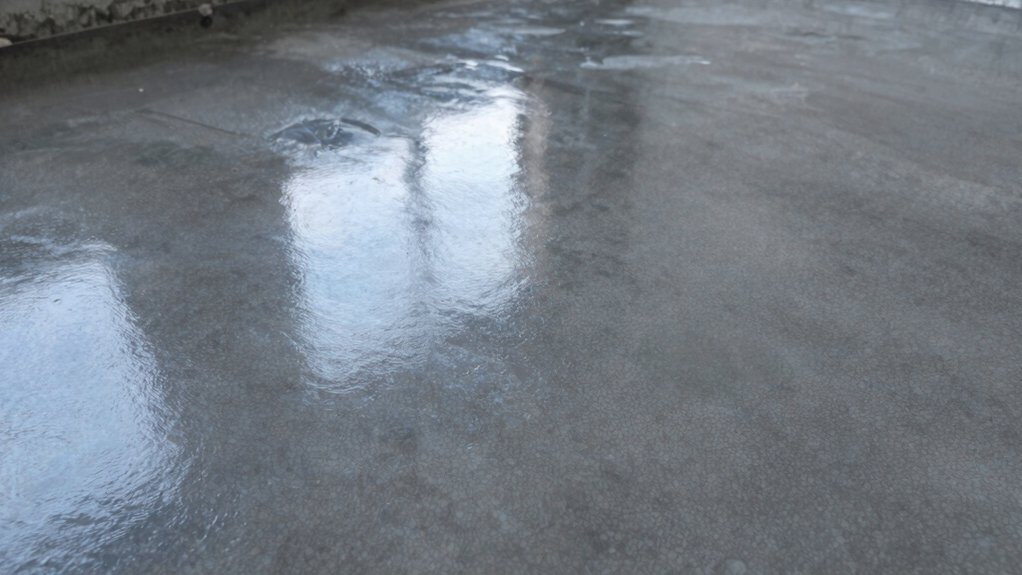
Epoxy floors are durable, seamless coatings created by reacting epoxy resin with a hardener to form a cross-linked polymer network. You apply the resin and hardener in precise ratios to initiate a controlled curing process, yielding a rigid, chemical-resistant surface.
In practice, the resin provides adhesion and toughness, while the hardener enables rapid network formation through cross-linking. You must verify surface preparation is thorough: remove contaminants, repair defects, and create a profile that promotes bonding.
Temperature, humidity, and mixing time influence cure kinetics and final properties, so you monitor these factors closely. Once cured, the coating exhibits high compressive strength, abrasion resistance, and negligible porosity.
You may tailor thickness and topcoat choices to meet performance requirements, but you maintain strict process controls to achieve consistent, durable results.
Benefits of Epoxy Coatings for Garages and Workspaces
Garages and workspaces benefit from epoxy coatings through durable performance, chemical resistance, and long service life that minimize maintenance interruptions. You gain a resilient surface that tolerates heavy foot traffic, tool drops, and automotive loads without microcracking or coating delamination.
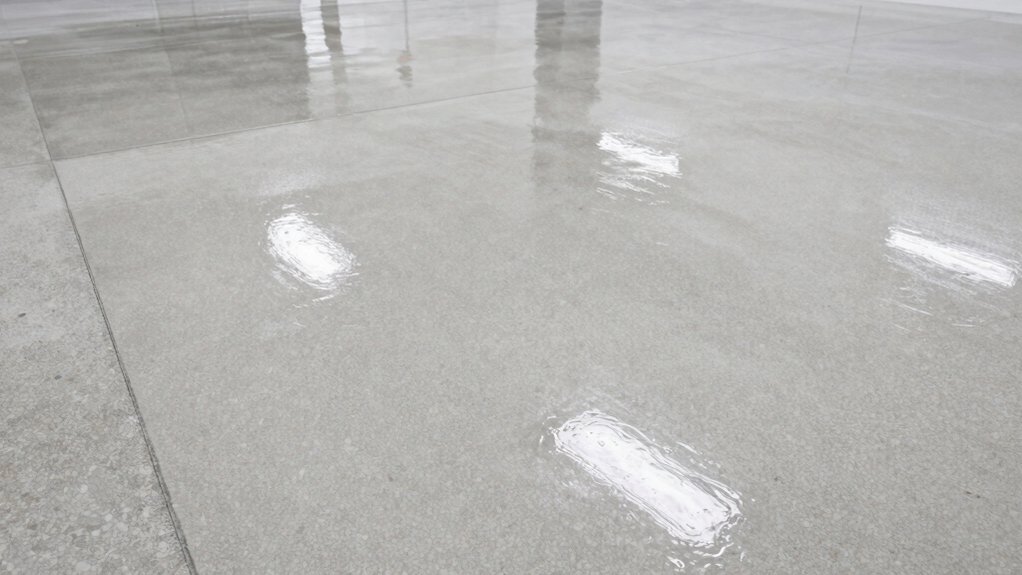
Epoxy’s chemical resistance protects against fuels, solvents, and industrial cleaners, preserving substrate integrity and reducing corrosion risk. You’ll observe improved surface smoothness and enhanced light reflectivity, aiding visibility and safety in work areas.
Application compatibility with concrete substrates minimizes preparation time while maintaining bonding strength. You benefit from low odor and faster curing relative to older systems, enabling quicker facility reoccupation.
Long-term lifecycle cost reductions arise from fewer repairs, reduced replacement frequency, and consistent performance across temperature and humidity variations.
Types of Epoxy Systems: Solid, Hybrid, and Polyaspartic Blends
Solid, hybrid, and polyaspartic blends represent the main epoxy flooring categories, each balancing cure time, hardness, chemical resistance, and substrate compatibility. You select a system based on performance priorities, installation window, and service environment.
Solid epoxy systems offer robust chemical resistance and defined working times, but longer cure periods and limited UV stability can constrain some applications.
Hybrid formulations blend epoxy with polyurea or related modifiers to accelerate cure, improve early strength, and extend serviceability without sacrificing durability.
Polyaspartic blends provide rapid cure, enhanced UV resistance, and superior abrasion resistance, suitable for high-traffic or sunlight-exposed floors.
Consider thickness requirements, substrate profile, and maintenance needs when choosing. Your final decision should align with anticipated loads, exposure conditions, and budget constraints to make certain of long-term performance.
Preparing Surfaces for Epoxy: Cleaning, Repair, and Moisture Testing
Effective surface preparation guarantees the epoxy bonds correctly and lasts, so after selecting a system (solid, hybrid, or polyaspartic blends), you must clean, repair, and verify moisture conditions before application.
Begin by removing laitance, dust, oils, and contaminants with a detergent wash or degreaser, then rinse thoroughly and allow complete drying.
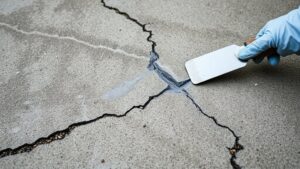
Inspect concrete for cracks, spalling, and unevenness; document defects and repair with appropriate patching compounds, ensuring proper curing.
Create a flat, sound substrate using mechanical profiling or grinder methods as required, and vacuum dusts to a clean surface.
Conduct moisture assessment using ASTM F2170 in-situ relative humidity or calcium chloride tests per manufacturer guidelines; resolve elevated readings with mitigation measures before coating.
Finally, confirm substrate temperature and dew point are compatible with the selected epoxy system to prevent blisters or adhesion failure.
Choosing Color, Texture, and Safety Additives for Your Floor
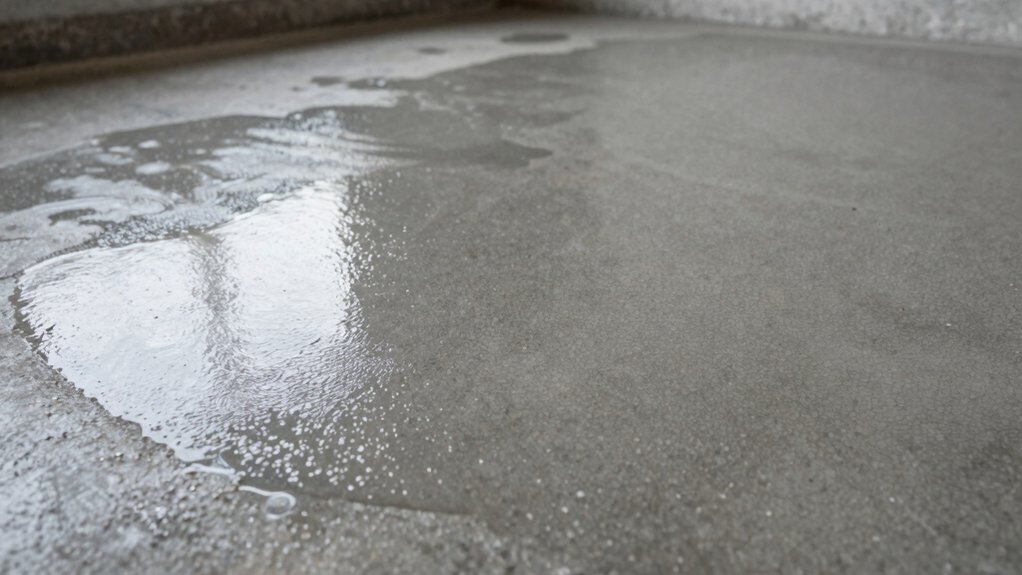
Choosing color, texture, and safety additives for your floor begins with aligning options to both functional requirements and aesthetics. You evaluate color schemes in the context of lighting, traffic patterns, and maintenance regimes, selecting pigments that resist fading and meet slip-resistance standards.
Texture choice should balance traction, cleanability, and damage potential under loading, with aggregate exposure or broadcast patterns defined by wear expectations.
Safety additives are prioritized for chemical resistance, fire rating, and impact tolerance, ensuring compatibility with the epoxy system and substrate. You verify compatibility data sheets, confirm UV stability, and assess long-term durability under service conditions.
Document color, texture, and additive selections with precise specifications, including gloss level, slip resistance class, and maintenance implications, to support performance verification and future replacements.
Application Process: Steps From Primer to Topcoat
Application of an epoxy floor system proceeds from substrate preparation through primer, intermediate coats, and final topcoat, each stage executed with strict adherence to the specified pot life, cure times, and application temperatures.
You guarantee substrate cleanliness, porosity balance, and moisture assessment before primer. Primer selection aligns with concrete condition, porosity, and anticipated traffic; you apply evenly to achieve uniform film thickness and strong adhesion.
After primer cures, you apply the intermediate coat in controlled weather and temperature conditions to prevent solvent entrapment and pin holing. You monitor film thickness with gauges, verify absence of defects, and maintain ambient humidity within specification.
Final topcoat is applied once intermediate cures meet specified times, delivering expected gloss, durability, and abrasion resistance.
You perform a post-application inspection, documenting cure progress and any deviations for warranty compliance.
Common Mistakes and How to Avoid Them
Common mistakes in epoxy floor systems often stem from inadequate preparation and rushed application; addressing these issues upfront reduces long-term failures. You should verify substrate condition before coating, performing moisture testing, surface profiling, and contaminant removal per manufacturer specs.
Don’t skip primer or sealer requirements when applicable, and confirm coating compatibility with existing materials. Inadequate mixing, incorrect pot life, or improper temperature control leads to inconsistent film thickness and premature delamination; follow supplier instructions precisely, and batch-match products as needed.
Avoid thin coats, over-application, or coverage variance by calibrating roller and squeegee paths, maintaining uniform dwell times, and inspecting cure progress under recommended conditions. Document ambient conditions, substrate moisture, and cure times for traceability, enabling timely corrective actions and reducing field failures.
Maintenance Tips to Extend Longevity and Shine
Proactive maintenance is essential to preserve epoxy floors’ appearance and performance, ensuring long-term wear resistance and surface shine. Establish a routine to inspect coatings for microcracks, dulling, or chalking, and address issues promptly to prevent propagation.
Use manufacturer-recommended cleaners; avoid acidic or abrasive products that can degrade gloss and layer integrity. Clean with a soft pad or mop, and rinse thoroughly to prevent residue buildup that can attract contaminants.
Implement ingress control at entrances, including mats and shoe-cleaning protocols, to minimize tracked debris.
Schedule periodic re-coating or top-coating when gloss loss or resistance decline is evident, following surface preparation guidelines (scuffing, degreasing, and dust removal) to ensure adhesion.
Document maintenance intervals, materials used, and observed condition to support predictive upkeep and warranty compliance.
Prioritize safety during maintenance by using appropriate PPE and signage.
Cost Factors and Budgeting for an Epoxy Floor
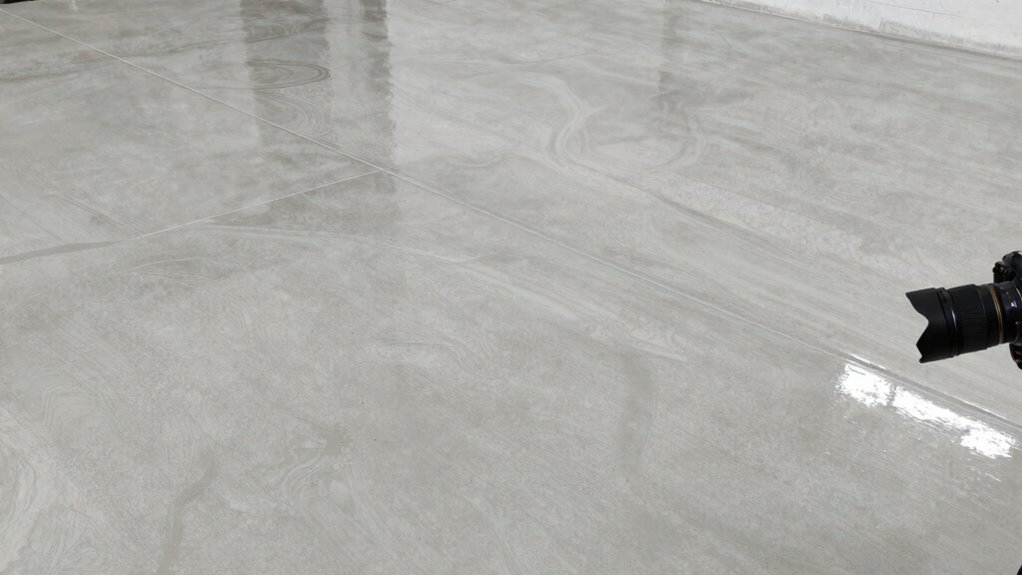
Cost factors for an epoxy floor hinge on material quality, surface preparation, labor, and ancillary services, with each element contributing to total lifecycle cost. You assess material quality by resin and hardener grades, aggregate choices, and cure systems, recognizing that higher stability and compatibility reduce rework.
Surface preparation drives adhesion and durability; you quantify required grinding, etching, moisture mitigation, and substrate profiling in square meters.
Labor costs reflect application thickness, layering, curing times, and environmental controls, with productivity factors impacting schedule and waste.
Ancillary services encompass coating primers, sealants, topcoats, and temporary containment, plus inspection, testing, and warranty options.
Budgeting should model initial installation, maintenance cycles, potential recoats, and downtime implications, enabling cost-per-year comparisons and informed procurement without compromising performance.
When to Hire a Professional for Optimal Results
Determining whether to hire a professional for epoxy flooring hinges on performance requirements, project risk, and available in-house expertise. When durability, flawless aesthetics, or strict job-site safety are priorities, professional installation is typically warranted.
You should consider material complexity, surface preparation accuracy, and coating system compatibility. If your facility demands rapid cure, high wear resistance, or chemical containment, professionals provide validated procedures, calibrated equipment, and documented quality control.
Assess substrate integrity, moisture mitigation, and crack management; improper prep causes delamination, hazing, or reduced adhesion, none of which align with ideal results.
For large-scale or multi-zone applications, coordinating access windows, ventilation, and curing schedules is essential.
In uncertain conditions, or when code compliance and warranty requirements apply, engaging a licensed contractor minimizes risk and sustains performance guarantees.
Conclusion
Epoxy floors deliver durable protection, chemical resistance, and a clean, reflective finish for garages, workspaces, and industrial areas. By choosing the right system, properly surface-prepping, and applying correct coatings, you’ll gain long-lasting performance with minimal maintenance. Treat the floor as a critical asset—regular cleaning, timely re-coating, and moisture checks prevent deterioration. Like a well-engineered bridge, a properly installed epoxy system transfers the load of daily use into lasting reliability, ensuring safety, aesthetics, and cost efficiency over time.