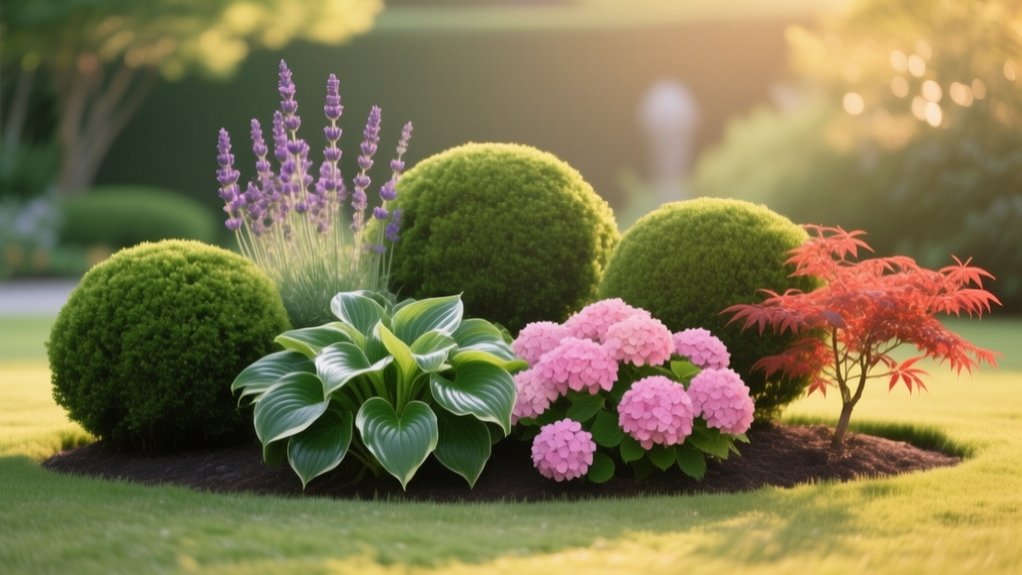
Build a beautiful landscape by combining five reliable performers. You’ll get bold, part-shade color from mophead or lacecap hydrangeas in compost-rich, moisture-retentive soil, plus evergreen structure from boxwoods clipped after the spring flush. Add sunny-bed lavender for fragrance and pollinators in sharp-drained soil. Use thick-leaved hostas to pack deep shade with lush texture. Finish with clump-forming ornamental grasses for movement and four-season presence—keep going to see the best varieties and care tips.
Hydrangeas for Bold Landscape Color in Part Shade
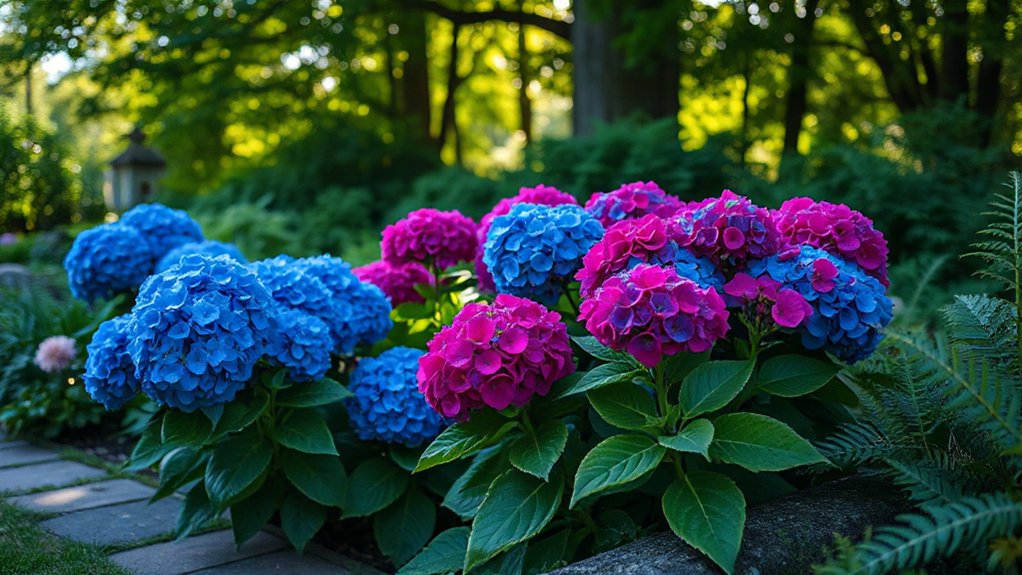
If you’ve got a bed that gets morning sun and afternoon shade, hydrangeas can deliver the kind of bold, high-impact color that most “shade plants” can’t match. You’ll get the best blooms by choosing mophead or lacecap types for lush, modern texture and strong color contrast against dark evergreens, brick, or stone.
Meet soil requirements first: plant in moisture-retentive, well-drained soil enriched with compost, and keep mulch 2–3 inches deep to stabilize moisture. Water deeply during heat, especially the first two seasons.
For bigleaf hydrangeas, adjust pH only if you want to shift flower color—acidic for bluer tones, slightly alkaline for pinker ones.
Prune lightly, and protect buds from late frosts.
Boxwoods for Evergreen Structure and Tidy Borders
Hydrangeas bring the big, seasonal color, but you still need year-round structure to keep the bed looking intentional once blooms fade—this is where boxwoods earn their keep. You’ll get dense, evergreen form that reads clean in every season and makes other plants look more curated.
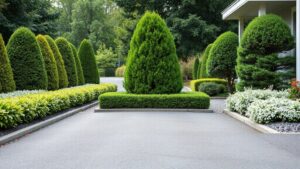
Use them to outline walks, frame entries, or anchor mixed borders with calm geometry that’s trending in modern cottage and formal-informal gardens. For strong border design, space plants to meet at maturity, not at planting, and keep a consistent line.
Choose compact cultivars for tight edges and larger types for low hedges. Stay ahead with Evergreen pruning: shear lightly after the spring flush, then touch up once, avoiding late cuts that invite winter burn.
Lavender for Sunny Beds, Fragrance, and Pollinators
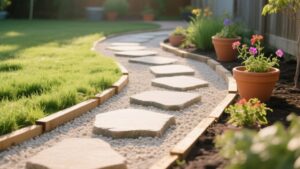
Because sunny, well-drained beds can look flat between peak bloom moments, lavender gives you a long season of silvery foliage, purple flower spikes, and a clean, herbal scent that reads instantly “intentional.” Plant it where it bakes—along path edges, in gravel gardens, or at the front of mixed borders—so its tight mounds stay crisp and its oils concentrate for stronger fragrance.
Choose English lavender for cold hardiness, or lavandin for bigger wands and cutting. You’ll get reliable pollinator traffic, plus Aromatherapy benefits when you brush past. Lean into its Pest repellent qualities by tucking it near seating and entryways.
For best results:
- Full sun, 6+ hours
- Lean soil; skip rich compost
- Water deeply, then let dry
- Shear after bloom, don’t cut into old wood
- Pair with grasses and salvias
Hostas for Lush Texture in Deep Shade
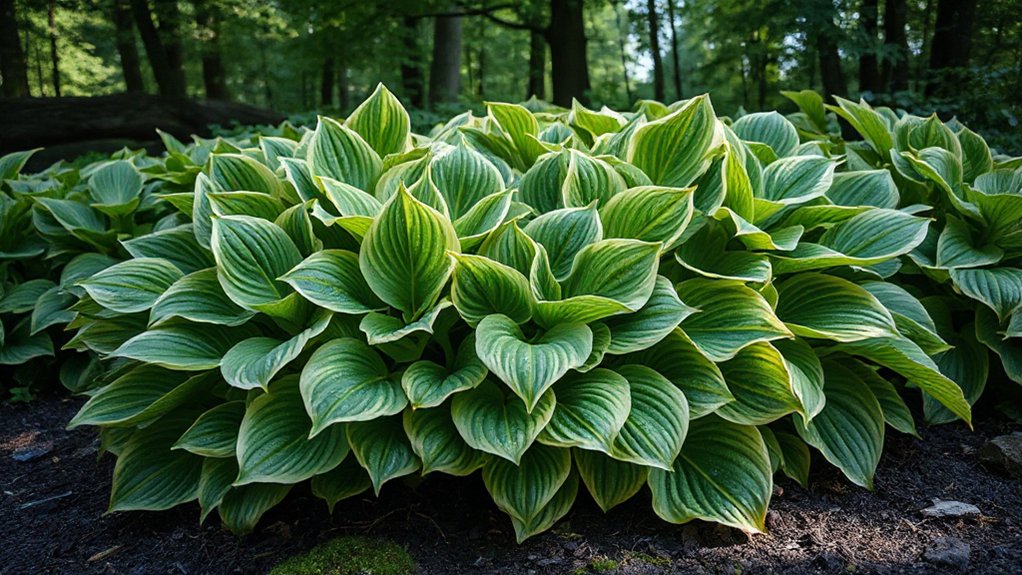
Although deep shade can swallow color and make borders feel static, hostas bring instant structure with bold leaves that read like living upholstery. You’ll get shade-loving foliage in blues, chartreuse, and variegated creams, and the mounded habit neatly defines paths and understory beds.
Choose thick-leaved cultivars like ‘Halcyon’ or ‘Sum and Substance’ for better slug resistance, and mix leaf sizes to amplify texture—enhancing foliage without adding flowers.
Plant in humus-rich, consistently moist soil, then top-dress with compost and shredded leaf mold to keep crowns cool. Water at the base early, avoid overhead splash, and divide crowded clumps in spring to refresh vigor and maintain crisp, modern lines.
Ornamental Grasses for Movement and Low-Maintenance Fill
When you want a border to feel alive without committing to constant deadheading, ornamental grasses deliver reliable motion, structure, and year-round presence. You’ll get soft sway in breezes, strong winter silhouettes, and a modern, meadow-inspired look that’s trending in today’s landscapes.
Choose clump-formers to avoid spread, and cut back in late winter before new blades push.
- Pair feather reed grass with perennials for crisp vertical lines
- Use drought-tolerant varieties like blue fescue in hot, lean soils
- Plant switchgrass for fall color and airy seedheads
- Add fountain grass where you want bold texture and quick fill
- Try container planting options with carex for patios and entryways
You’ll water less, weed less, and still keep beds looking intentionally designed.
Frequently Asked Questions
What’s the Best Way to Improve Poor Soil Before Planting Ornamentals?
You’ll improve poor soil fastest by testing it, then mixing 2–4 inches compost as a soil amendment, loosening compaction, and adding slow-release organic fertilizers. You’ll mulch, balance pH, and avoid over-tilling for structure.
How Do I Design a Garden Layout for Year-Round Interest?
Design for year-round interest by choreographing Seasonal color—spring bulbs, summer perennials, fall foliage, winter evergreens—and using Garden layering: canopy, shrubs, mid-border, groundcovers. You’ll repeat textures, stagger bloom times, and anchor views with structure.
Which Plants Are Safest for Gardens With Pets and Small Children?
You’ll keep pets and kids safest by choosing non toxic plants like marigolds, sunflowers, and snapdragons, plus pet friendly shrubs such as rosemary and camellia. You should still verify species with ASPCA lists before planting.
How Often Should I Water New Plants During Their First Growing Season?
Picture soil that crumbles like cocoa powder—you’ll water new plants 2–3 times weekly at first, then weekly. Follow a weather-driven watering schedule: soak deeply mornings, check 2 inches down, and prioritize consistent plant hydration.
What’s the Best Method to Prevent Weeds Without Using Chemicals?
Use Organic weed control: lay cardboard, then Mulch application with 2–4 inches of wood chips, keeping stems clear. You’ll block light, retain moisture, and suppress seeds; top up mulch seasonally, and hand-pull promptly.
Conclusion
Build your landscape around these five proven performers and you’ll get color, structure, scent, texture, and motion with less fuss. Tuck hydrangeas into part shade for bold blooms, line paths with boxwoods for clean geometry, and plant lavender in full sun to feed pollinators and perfume the air. Layer hostas where light fades, then weave in ornamental grasses for modern, wind-driven movement. Together, they’re your garden’s Swiss Army knife.