
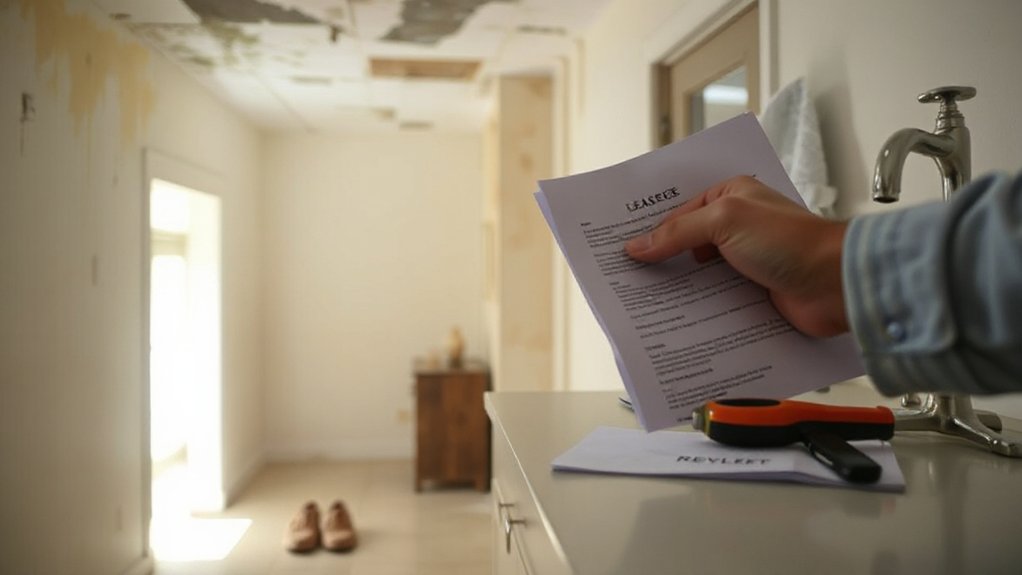
Common tenant issues include late rent, repair delays, noisy neighbors, and deposit disputes. To resolve them, start with clear lease terms—due dates, grace periods, and due-process for late payments—then document everything and use centralized requests. Triage repairs by urgency, share progress updates, and seek temp solutions or rent credits when habitability is affected. Communicate calmly, use templates, and escalate to mediation if needed. If you keep pushing forward, you’ll uncover more practical steps and strategies.
Common Tenant Issues Today and How to Prevent Them
Common tenant issues today range from late or missing rent to repair delays and communication gaps, and the key to preventing them is proactive, documented processes. You’ll start with clear tenant screening to set expectations before move-in, confirming income, references, and rental history.
Next, establish a transparent payment schedule, with due dates, late-fee terms, and methods that reduce friction.
For repairs, implement a triage system: urgency categories, response times, and progress updates you both can track. Maintain a centralized request log, and bind all actions to written confirmations.
When lease renewal time nears, present performance notes, renewal terms, and alternatives to avoid surprises.
Document every agreement, update contact details, and train staff to reinforce consistency.
With these steps, you gain leverage in negotiations while protecting your property and relationships.
Why Rent Delays Happen and Practical Prevention Tips
Late rent delays often stem from gaps in clarity and timing that you can fix before issues arise. You’ll reduce friction by tightening Rent collection processes: specify due dates, grace periods, and late fees in Lease agreements, then document every communication.
Build in reminders—text, email, and a final notice before the due date—to keep tenants aware of expectations. If delays happen, respond promptly with a calm, factual message outlining the impact and next steps, preserving negotiation leverage without hostility.
Offer clear alternatives, like partial payments or scheduled installments, to avoid lost cash flow. Track patterns to identify chronic late payers and adjust terms accordingly.
Regularly review leases for enforceability, and align incentives with timely payments to maintain steady revenue and tenant trust.
How to Address Noisy Neighbors Without Escalating Conflicts
Set clear Neighbor Noise Boundaries by noting which sounds are disruptive and when, so you can point to specific times and activities in a calm, factual way.
Start with Communication Before Escalation: approach your neighbor with a friendly, solution-focused tone and propose a short conversation to agree on quiet hours and respectful behavior.
Use Quiet Hours Guidelines as the framework for negotiations, outlining expectations, possible compromises, and a plan to document progress if issues recur.
Neighbor Noise Boundaries
When you’re dealing with noisy neighbors, establish clear boundaries early by calmly documenting the behavior and identifying acceptable quiet hours. Start with a neutral tone and precise notes on dates, times, and the impact on your routine.
Define enforceable limits, such as quiet hours from 10 p.m. to 7 a.m., and specify acceptable activities during the day. Use this record to guide boundary enforcement, keeping conversations factual rather than personal.
Propose simple, practical fixes like moving social activities, using headphones, or adjusting speaker volumes. Emphasize mutual respect and a collaborative tone to avoid defensiveness.
If issues persist, reference building policies and seek mediation as needed. Focus on Noise mitigation and a clear path to resolution, not punishment or blame.
Communication Before Escalation
Open with a calm, direct approach: start a constructive conversation soon after you notice the issue, using neutral language and a specific example to anchor the discussion. You’ll gain purchase by outlining your concerns without accusations, and you’ll invite the neighbor to share their perspective.
Focus on measurable impacts, like interruptions during certain hours, and propose joint solutions that respect Tenant privacy. Document dates and times of incidents, then reference the lease terms calmly to align expectations.
If the dialog stalls, propose a short, mediated check-in before escalation, keeping negotiations solution-oriented and non-punitive. Prioritize remedies that don’t jeopardize Lease renewals or rapport, and avoid public confrontation.
Maintain tone, agree on steps, follow up with a concise summary to prevent future misunderstandings.
Quiet Hours Guidelines
If you’re dealing with noisy neighbors, start with a practical, low-stakes approach that respects both sides and keeps lines of communication open.
Establish Quiet hours clearly in writing, referencing your lease and building rules, then invite mutual input to set reasonable noise boundaries.
Begin with a friendly, specific request, naming the issue and preferred quiet times without accusation.
Propose a short trial period to test the boundaries, and document any adjustments in a shared note or email thread.
If disturbances persist, escalate calmly by scheduling a mediation session or consulting the property manager.
Maintain a record of dates, times, and responses to show progress or patterns.
Always aim for fair compromise; the goal is sustainable coexistence, not victory.
Track and Document Maintenance Requests Effectively
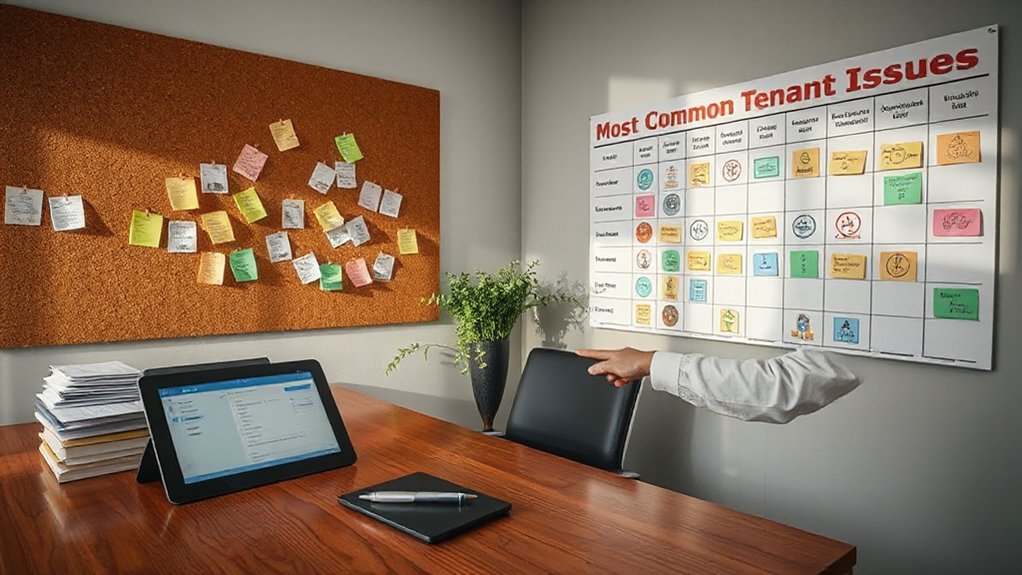
You’ll set up a simple, trackable system to log every maintenance request as it comes in, including dates, details, and assigned parties.
By documenting consistently, you create a clear timeline that supports negotiations, track progress, and hold both sides accountable.
Let’s discuss the best templates, channels, and follow-up cadence to keep requests organized and actionable.
Track Maintenance Requests Efficiently
Tracking and documenting maintenance requests efficiently starts with a clear, keep-it-simple intake process: you collect complete details from residents, assign a priority level, and record timestamps as soon as a request comes in.
Then you set expectations with a concise SLA, so both sides know when a technician will arrive.
Use standardized categories (plumbing, electrical, appliance) and attach photos to avoid back-and-forth.
Communicate progress regularly, especially for time-sensitive issues like leak setbacks or heater failures, to reduce resident frustration.
Integrate pet policies and parking management notes where relevant, so crews respect building rules during visits.
Finally, document resolutions with clear next steps and preventive tips, strengthening negotiations for future requests and minimizing repeat tickets.
Maintain a clean audit trail to support accountability and service quality.
Documenting Requests Systematically
To document requests systematically, you’ll standardize how you capture, categorize, and timestamp every detail from the moment a resident reports an issue. You’ll create a consistent intake form, assign a unique ticket number, and log date, time, location, and impact.
Use clear categories (maintenance, safety, accessibility) and note any photos or documents provided. Keep updates concise: who’s responsible, current status, next steps, and expected resolution.
Prioritize tenant privacy by limiting data to essential facts and securing filenames. Regularly review open items during weekly check-ins, closing tickets with a resolution checklist.
Documented histories support lease renewals by proving responsiveness and accountability. If disputes arise, refer to the audit trail, not impressions, and negotiate timelines that respect both resident needs and operational capacity.
Urgent Repairs: Timelines, Rights, and Remedies

Urgent repairs can’t wait, but tenants still need clear timelines and real remedies when landlords stall. You’ll demand a written response window, with a firm deadline for inspection and remediation, plus a transparent schedule for any partial repairs.
If retaliation or delays occur, document dates, contacts, and results, and escalate to a housing authority or mediator as needed.
Prioritize safety: arrange temporary solutions and keep receipts, then seek rent credits or reimbursement for delayed fixes that affect habitability.
Use precise language in requests, citing applicable laws and your lease terms, including emergency preparedness provisions and any lease renewal options tied to timely repairs.
Negotiate contingencies: penalties for late completion, confirmed start dates, and a clear end-date to avoid ongoing disruption.
Resolving Deposit Disputes: Inspections, Deductions, Timelines
When resolving deposit disputes, start with a clear, documented inspection plan that both you and the landlord agree to within a binding timeline; this sets the baseline for any deductions.
You’ll inspect jointly, note wear vs damage, and photograph areas with timestamps. Use a neutral third party if disputes escalate.
Keep Security deposits records organized, including move-in and move-out checklists, receipts, and repair estimates.
After inspections, itemize each deduction with precise figures and justify them against the lease terms.
Communicate promptly, aiming for agreement on a written settlement and a realistic timeline for refunds or deductions.
If disagreement persists, pursue dispute resolution through mediation or small-claims avenues per local laws.
Maintain calm documentation to protect your position and avoid unnecessary friction.
Ready-to-Use Communication Templates for Tenancy Issues
Here are ready-to-use templates you can adapt for tenancy issues, designed for clear, constructive dialogue and practical outcomes. Use these ready-made messages to save time, stay consistent, and document agreed terms.
Each template prompts specific details, keeps tone professional, and targets fast resolution. Include concrete deadlines, expected actions, and a recap to ensure accountability.
Templates cover common topics like Lease renewal discussions, fault remedies, and policy clarifications, with space to customize dates and contact points. They help you assert needs without hostility, while preserving rapport and leverage.
Use them to align expectations, minimize back-and-forth, and create a paper trail you can reference in later negotiations. End with a brief summary of next steps.
- Lease renewal inquiry template
- Damages and remedies acknowledgment
- Pet policies clarification
- Maintenance request with timing
- Move-out and return of keys notice
Navigating Landlord-Tenant Negotiations for Fair Outcomes

Managing landlord-tenant negotiations for fair outcomes means you approach discussions with clear goals, documented facts, and a plan for concessions that protect your interests. You enter negotiations prepared, outlining nonnegotiables and acceptable tradeoffs.
Gather objective data: current rent benchmarks, maintenance histories, and lease clauses that impact rights. During talks, present specific, verifiable points, not general grievances.
Propose alternatives, such as minor rent adjustments, service credits, or staged improvements, with deadlines to measure progress. Maintain professional tone, listen actively, and ask clarifying questions to avoid misinterpretation.
Focus on legality and equity, noting Legal considerations that affect enforceability and risk. In lease negotiations, document final terms clearly, confirm amendments in writing, and set a timeline for implementation to prevent disputes later.
Build a Proactive Tenancy Plan to Prevent Future Issues
To prevent future issues, you should build a proactive tenancy plan that blends clear expectations, measurable milestones, and shared accountability. You’ll align on Tenant screening criteria upfront, outline responsibilities, and set transparent timelines for decisions, notices, and repairs.
Your plan should address Lease renewal terms early, with a simple process for renegotiation, incentives for timely upkeep, and documented exceptions to avoid disputes later. Build in periodic reviews to adjust standards, share data, and track progress, so you stay ahead of problems before they escalate.
Maintain open channels for feedback, and document compromises to support negotiations if conflicts arise. This approach creates predictable outcomes and healthier landlord–tenant relationships.
- Define screening standards and decision timelines
- Schedule regular maintenance checkpoints
- Set renewal expectations and renegotiation triggers
- Document communication and agreed changes
- Assign accountability and review milestones
Frequently Asked Questions
How Can Tenants Document Minor Habitability Concerns Effectively?
You document minor habitability concerns by taking dated photos, noting times, temperatures, and odors, and sharing them promptly with your landlord. Include Rent payment and Lease terms in written logs, request written acknowledgments, and negotiate remedies with specific deadlines.
What Records Prove Retaliation by a Landlord After Complaints?
Retaliation evidence isn’t always dramatic; keep careful records. Document dates, communications, and responses showing intent. Save lease violations notices and security deposits correspondence, plus photos and witness statements; you’ll use them to negotiate or pursue remedies effectively.
Are Pets Allowed During Maintenance Visits Without Consent?
No, you aren’t allowed pets during maintenance visits without consent. Check your Pet policy and require written notice; coordinate timing, handlers, and safeguards. Document agreements, and negotiate safe access terms to avoid liability during Maintenance visits.
How Do You Handle Undisclosed Subletting by Roommates?
Subletting agreements must be reviewed, and you confront undisclosed roommates calmly: document, verify, and renegotiate terms. You hold the line on roommate responsibilities, demand disclosures, and negotiate remedies, timelines, and penalties to restore control and trust.
What Qualifies as a Reasonable Request for Accessibility Accommodations?
Yes—reasonable requests for accessibility accommodations include reasonable modifications like widening doorways, installing ramps, or adjusting lighting, as long as they don’t impose undue financial or logistical burdens on you. Accessibility rights protect these adjustments; negotiate collaboratively.
Conclusion
Managing tenancy proactively pays off. By tracking requests, setting clear timelines, and communicating with templates, you’ll cut disputes and speed resolutions. One eye‑opening stat: 60% of landlord-tenant conflicts arise from vague expectations and undocumented agreements. So document everything, insist on written confirmations, and address issues promptly. When negotiations heat up, stay factual, propose concrete compromises, and keep your goals in sight. Build a proactive tenancy plan now, and you’ll dodge common pitfalls tomorrow.