
If you’re targeting the cheapest UK postcodes, look for clusters around affordable markets with steady price trends and strong transport links. Focus on areas where price per square foot, recent sale speeds, and inventory depth signal stable demand. Compare deposits, mortgage thresholds (LTV limits), and potential renovation costs. Consider proximity to work, schools, and amenities to curb transport and living costs. Shortlist 3–5 options with clear affordability milestones, and you’ll uncover practical, long-term value—keep going to uncover more.
Key Affordability Drivers for First-Time Buyers
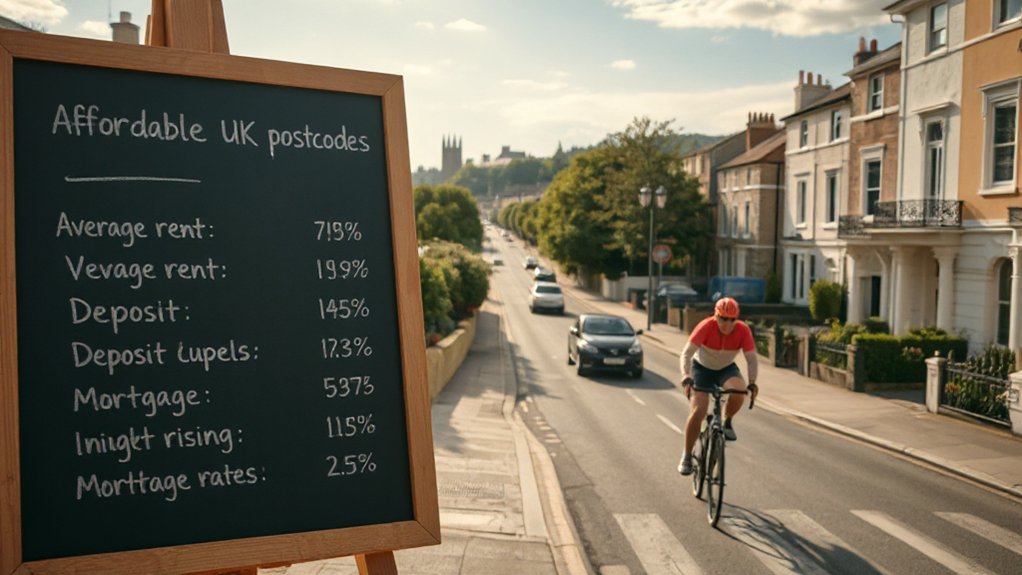
Housing affordability hinges on several core drivers. You’ll see Market trends shape prices, mortgage rates, and competition, so tracking quarterly shifts matters.
Location efficiency matters too: proximity to employment hubs and schools lowers transport costs and keeps monthly outlays predictable.
House size, build quality, and energy efficiency directly impact maintenance and utility bills, influencing long-term affordability.
Your upfront costs depend on down payments, stamp duty, and solicitor fees, all of which vary with policy cycles and regional schemes.
Legal considerations matter: leasehold vs freehold nuances, rights of tenure, and lender requirements can alter eligibility and total cost.
Access to shared ownership or government schemes can improve entry points, but eligibility criteria evolve with regulations.
Stay data-driven: monitor price-to-income ratios, loan-to-value limits, and regulatory changes that affect affordability dynamics.
Regional Patterns: Cheap UK Postcodes Cluster
Regional patterns show where cheap UK postcodes cluster, revealing practical entry points for first-time buyers. You’ll see clusters form around affordable housing markets with steadier historical price trends, not just isolated bargains. These patterns reflect local economies, transport links, and community investment that shape value over time.
You should weigh neighborhood safety alongside cost, as safer areas often sustain momentum and retention. By mapping clusters, you can target regions where price growth pauses, improving long‑term equity. Use this lens to compare adjacent postcodes and avoid sporadic dips.
Regional data indicate fewer surprises when planning purchases far from major cities, yet with accessible amenities. Focus on stability, accessibility, and long-term demand to inform decisions.
- Clustered affordability vs. volatility
- Transport links and commuter access
- Historical price trends indicators
- Neighborhood safety metrics
- Local amenities and future development
Read Price Data: Interpret Averages, Deposits, and Mortgage Thresholds
To assess affordability across the clusters you’ve identified, start with price data and how it stacks up against what you can borrow. You’ll interpret averages, deposits, and mortgage thresholds to gauge real capacity.
Look at typical down payments relative to price, then compare loan-to-value limits to your target budgets. Note that averages can mask dispersion, so check median and range for each cluster.
Consider how historical housing trends influence the mean and the tails, especially if a suburb shows rising or plateauing prices.
Property renovation costs and contingency buffers should be factored when renovating within affordable postcodes.
Understand how renovation timelines and obligations affect borrowing headroom.
Recognize that historical housing demand can shift thresholds; use these insights to prioritize clusters with stable or improving affordability.
Transport Options That Save You Money and Time
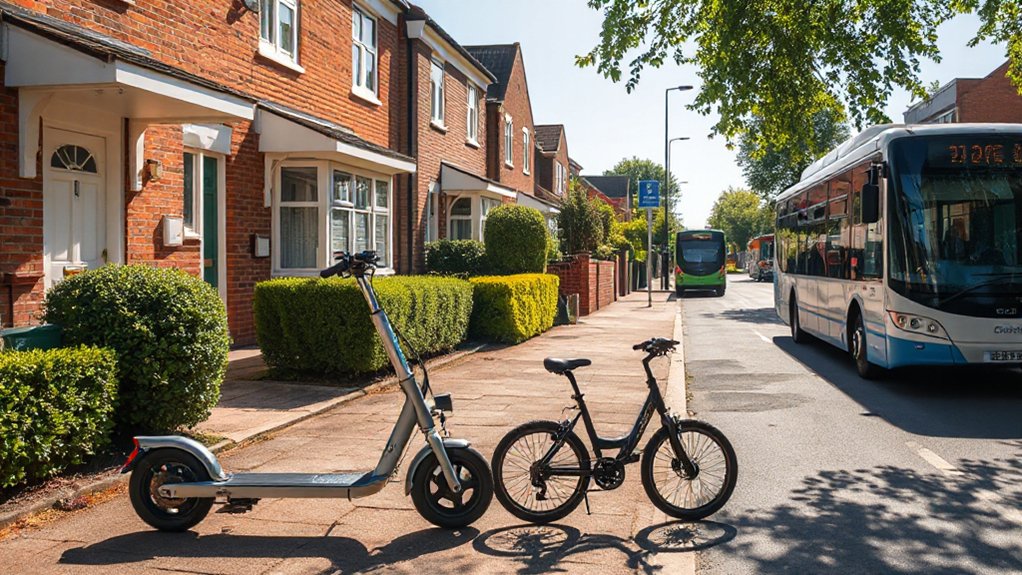
Public transport and travel-time savings directly impact overall affordability, so prioritize options that cut both costs and commute length. You’ll maximize value by pairing affordable routes with predictable schedules, leaning on transit-lean postcodes and data-driven commute analyses.
Consider:
- Weekly fare caps and off-peak savings
- Proximity to multi-mode hubs (bus, rail, tram)
- Integrated monthly passes for work and social nights
- Cycling-friendly corridors that shorten door-to-door time
- Access to luxury amenities and nightlife hotspots within walking distance of stations
For decision-making, compare total monthly spend, including transit and incidental costs, across options, not just base fares. Documented patterns show shorter commutes boost productivity and disposable income, especially where nightlife and service clusters exist.
Prioritize routes with reliable reliability metrics and consistent service.
Amenities That Add Value in Affordable Postcodes
You’ll want to weigh local amenities and their impact on value in affordable postcodes, using real-world data on shops, healthcare, and schools.
Evidence shows these features correlate with price stability and faster resale, especially when paired with solid transport links.
We’ll explore how these conveniences, plus access to transit and services, shift affordability without sacrificing quality of life.
Local Amenities Added Value
What local amenities add value in affordable postcodes, and how much difference do they make? You’ll see value where everyday needs are met nearby, quality services exist, and community life thrives. Data shows small-day-to-day conveniences reduce commute times and boost perceived livability, lifting resale appeal and rental stability.
Focus on rhythm of access, price consistency, and nearby social assets that signal long-term affordability. Local culture and community engagement drive retention, especially when paired with safe, walkable streets and predictable service access.
Measurable indicators include store density, greenspace, and library programs that attract families and freelancers alike. Prioritize areas with balanced retail, healthcare, and education options to maximize added value.
- Proximity to shops and markets
- Quality green and outdoor spaces
- Public services and libraries
- Local culture events and venues
- Community engagement initiatives
Transport Links And Access
Data show that affordable postcodes with on-site or nearby transport hubs typically house lower rent pressure while maintaining job accessibility, especially for entry roles and apprenticeships. Proximity to major lines frequently boosts resale value, supporting long-term budgeting.
In practical terms, check average journey times to central hubs and peak-hour frequency to gauge true convenience. Look for luxury amenities within walking distance, which signals prepared infrastructure. Cultural hotspots nearby can enhance quality of life without inflating costs.
These factors collectively strengthen an affordable postcode’s appeal.
Top Cheap Postcodes by Council Area (Illustrative Picks)
Here are illustrative picks of cheap postcodes by council area, highlighting clusters where average house prices and entry-level costs are particularly lower. You’ll see patterns emerge in market trends and demographic shifts, guiding where affordability persists without sacrificing accessibility. These illustrative picks underscore how council-area dynamics shape entry costs and future value, not just current prices.
- Example postcodes in northern councils show lower entry costs amid stable demand
- Coastal council areas reveal affordability with improving infrastructure
- Inner-suburb clusters in some regions offer lower prices than rivals nearby
- Rural-adjacent councils demonstrate value linked to commuting options
- Historic towns within counties reflect steady pricing, mixed growth
Use this snapshot to compare council-area affordability, while watching market trends and demographic shifts for long-term planning.
Case Study: Buying Strategy in Fringe-City Postcodes
Fringe-city postcodes offer a practical balance between affordability and access, where price cushions meet commute times and service upgrades. In this case study, you’ll map a buying path that prioritises tangible value over hype.
Begin with a clear affordability target aligned to your income, then assess proximity to rail and bus routes, school zoning, and local amenities. Use property valuation data to compare options within a 15–30 minute transit window, focusing on price per square foot and recent sale speed.
Track trends: monthly price shifts, inventory depth, and time-on-market. Build a short list of three to five candidates that meet your criteria, verify deeds and planning constraints, and schedule viewings promptly to lock favorable terms.
Your strategy hinges on disciplined selection within an affordable neighborhood that maintains strong upside.
Deposit Dynamics: How Cheap Postcodes Alter Upfront Costs

Lower upfront land costs push your initial deposit lower, letting you lock in leverage without tying up as much cash.
Stamp duty savings on cheaper postcodes further reduce first-house outflows, improving affordability at purchase.
This data-driven lens highlights how smaller deposits and tax relief combine to reshape your upfront costs.
Lower Upfront Land Costs
Could cheaper postcodes meaningfully shrink upfront land costs? Yes, by lowering the price you pay for the land itself, which reduces deposits and initial equity requirements.
Your upfront land costs hinge on market value, lender criteria, and local conveyancing fees, but price declines compress the total cash needed at exchange.
Data suggest lower-average land prices in targeted postcodes also dampen the need for high LTV loans, easing affordability stress.
You should still consider land ownership complexity and zoning regulations that affect build viability and value appreciation over time. This matters for long-term equity, not just immediate purchase.
- Local land price baselines
- Deposit-to-value ratios
- Planning and zoning constraints
- Transfer and registration fees
- Long-term equity trajectory
Stamp Duty Savings Impacts
Stamp Duty savings can meaningfully reduce upfront costs in cheaper postcodes, because some regions push the tax on lower home prices into smaller sums or eliminate it for first-time buyers. You’ll see how thresholds shift effective costs, particularly for entry-level properties under typical regional caps.
This creates a lower initial outlay relative to average markets, improving affordability from day one. Data shows stamp duty relief can extend to first-time buyers in several cheaper postcodes, narrowing the price gap with more expensive areas.
Historical market trends reveal cycles where lower stamp duties correlate with faster early uptake and steadier transaction volumes. Demographic shifts also matter: younger buyers cluster in these zones, reinforcing demand and stabilizing pricing trends despite broader market volatility.
Long-Term Value: What Makes Affordable Areas Grow
Long-term value in affordable areas hinges on fundamentals rather than hype: steady job growth, planned infrastructure, and affordable housing supply that keeps prices reachable for first-time buyers.
- Track local employment trends and wage growth
- Align housing supply with demand to avoid price spikes
- Invest in transport and amenities that boost accessibility
- Monitor demographic shifts shaping demand
- Assess risk factors like market volatility and economic diversification
You’ll see value when multiple indicators converge: stable employment, continued development, and controlled price appreciation.
Demographic shifts can raise demand steadily, not dramatically, if amenities and transit keep pace.
Market volatility may test resilience, so areas with diversified economies perform better.
Prioritize places with proactive planning, transparent approvals, and affordable new homes.
If these signals align, long-term value compounds, supporting sustainable entry for first-time buyers.
Quick Comparison: A Practical Checklist for Options
You’ll start with a quick cost snapshot across options, then map those figures to what you can actually borrow and afford.
Use the Mortgage Options Checklist to verify rates, fees, and term lengths so you’re comparing apples to apples.
This data-driven approach keeps you focused on financial fit, not just headline prices.
Quick Cost Comparison
To compare costs quickly, start with a simple checklist: upfront fees, ongoing housing costs (mortgage payments, interest rates, insurance), and hidden charges (survey, valuation, conveyancing).
- Upfront fees: solicitor costs, stamp duty planning, and valuation charges
- Ongoing housing costs: monthly mortgage payment, interest rate scenario, and insurance
- Hidden charges: survey fees, conveyancing, and local authority searches
- Property renovation: plan budgets for essential upgrades vs. cosmetic work
- Legal considerations: title checks, contracts, and regulatory compliance to avoid delays
This approach is data-driven and pragmatic, focusing on predictable cash flow. Compare scenarios using different interest rates, loan-to-value ratios, and renovation needs.
Mortgage Options Checklist
A practical Mortgage Options Checklist helps you compare available financing quickly and without guesswork. You’ll assess loan types, rates, fees, and term lengths side by side, focusing on total cost of ownership over the first five to ten years.
Prioritize fixed vs. adjustable rates, early repayment penalties, and portability, then quantify monthly payments using current rate bands. Include mortgage refinancing potential to reduce interest or consolidate debt, noting break-even points and closing costs.
Consider how home staging impacts resale value and lender perception, since cosmetic improvements can influence loan-to-value and terms. Track hold periods, required deposits, and insurance requirements to avoid surprises at closing.
Maintain a shortlist and document assumptions to support objective decision‑making, not optimism.
Financing Tips Tailored to Cheap Postcodes
For buyers in cheap postcodes, financing hinges on maximizing leverage from government schemes, lenders’ incentives, and down-payment strategies that match available income. You’ll optimize eligibility by aligning income with affordable monthly costs, leveraging regional grants, and using starter mortgages designed for first-timers.
Focus on minimum deposits, favorable loan-to-value ratios, and timing to beat rate hikes. Track how regional job growth supports affordability, and document proof of stable earnings to secure better terms.
Integrate affordable renovations into plan to boost property value without overspending. Consider credit action items that improve scores before application.
Use data to compare offers, and target lenders with local knowledge of postcodes you’re evaluating.
- Government schemes and incentives
- Down-payment optimization
- Local job markets impact
- Affordable renovations value
- Lender comparison tactics
Next Steps: Build Your Realistic, Action-Oriented Plan
Chart your path with a concrete, time-bound plan that translates your budget, income, and local-market data into actionable steps. You’ll map milestones for saving, mortgage pre-approval, and postcode-specific price targets, then set quarterly checks to stay on track.
Use firm deadlines: 3, 6, and 12 months to secure offers, complete financings, and finalize a purchase.
Prioritize properties that allow affordable renovation, planning specific cost ranges and contingency buffers.
Compare listings by price per square foot, transport links, and school zones, updating data weekly to avoid drift.
Build community engagement by reaching out to local residents, attending open houses, and confirming future development plans.
This proactive approach reduces risk, boosts negotiation leverage, and aligns your plan with market reality.
Frequently Asked Questions
How Do Cheap Postcodes Affect Mortgage Eligibility?
Cheap postcodes can improve mortgage eligibility because lenders weigh affordability and risk differently, but it’s not a guarantee. You’ll influence mortgage approval criteria by showing stable income, deposits, and your budget in an affordable neighborhood.
Are Council Tax Bands Lower in Affordable Areas?
Yes, council tax bands tend to be lower in affordable areas, though adjustments occur. You’ll notice impact via council tax adjustments, and local amenities often correlate with rates, guiding budgeting and decision-making in a data-driven, pragmatic way.
What Hidden Costs Exist in Fringe-City Postcodes?
Hidden fees in fringe-city postcodes include upfront admin charges and potential utility deposits; beware landlord restrictions that could constrain tenancy terms. You’ll need to compare costs carefully, as data shows these hidden fees can add up quickly.
Do Cheap Postcodes Have Higher Resale Risk?
Yes, cheap postcodes can carry higher resale risk, but you can mitigate it by evaluating property appreciation trends and neighborhood safety, plus local demand, future infrastructure, and rental viability to inform your timing and pricing strategy.
How Quickly Do Affordable Areas Recover Post-Pandemic?
You’ll see affordable areas recover quickly after a downturn, driven by economic resilience and steady demand. You benefit from faster rebound indicators, and community stability supports sustained value, even as broader markets normalize.
Conclusion
In short, you can spot the cheapest UK postcodes where affordability, transport options, and practical amenities align. Look for clusters with solid earnings-to-house price ratios, reasonable deposits, and mortgage thresholds that fit your budget. Compare regional patterns and daily commute savings to quantify total cost of ownership. Use a concise checklist to filter options, then run realistic scenarios. With disciplined research, your plan becomes a concrete ladder—one that can vault you toward ownership faster than you’d expect. It’s a tidal wave of possibility.