
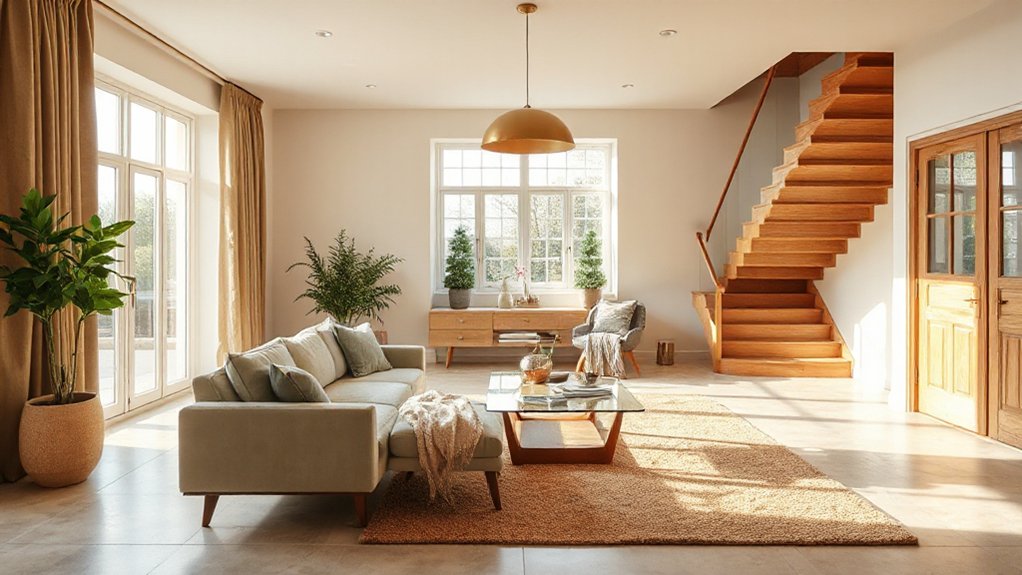
In 2026, UK homes embrace calm, restrained design with warm neutrals, nature-inspired accents, and modular layouts that adapt seasonally. You’ll see layered lighting, texture-rich materials, and sustainable finishes that age gracefully. Furniture stays low-profile and modular, while hidden storage keeps surfaces clean. Biophilic touches—plants, greenery grids, and daylight optimizations—boost well‑being in small spaces. Start with a practical refresh plan and simple, durable materials; more tips await as you explore further.
What Makes UK Homes Feel Calm in 2026: Core Design Principles
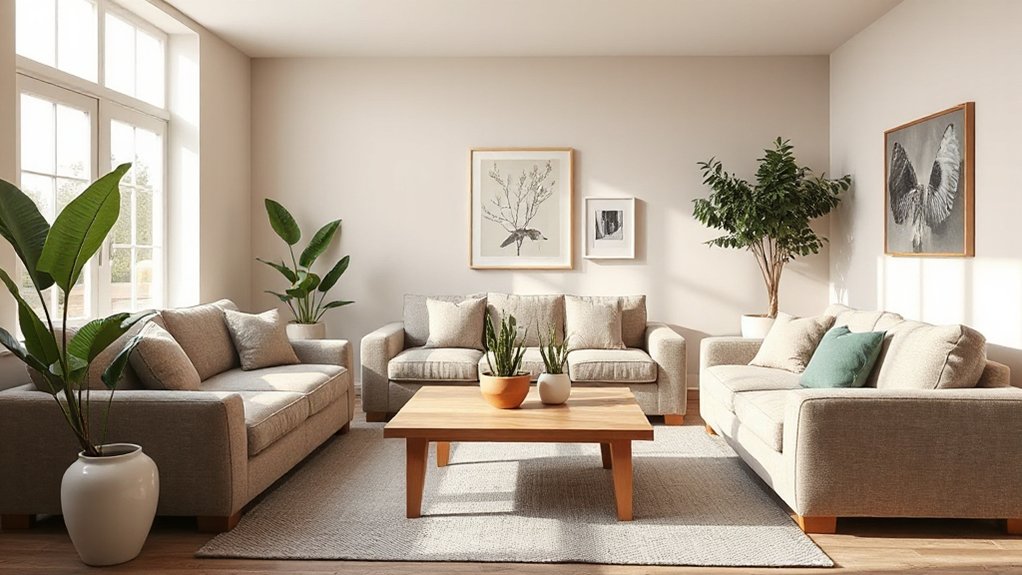
Calm UK homes in 2026 hinge on restraint: fewer, better-built elements, neutral palettes, and tactful texture. You shape serenity by prioritising quality over quantity, choosing materials that age gracefully and textures that invite touch.
A calm atmosphere emerges from deliberate layout, quiet lighting, and clutter-free surfaces; you’ll notice how sightlines flow and negative space breathes. Opt for low-key finishes—matte stone, brushed metals, and natural woods—that harmonise with soft textiles.
Colour stays restrained: warm greys, ivory, and sand tones create cohesion, while subtle contrasts add depth without noise. You feel centred when every piece earns its place, and room to rest your eyes exists.
In this approach, peaceful ambiance becomes the baseline of daily living.
Warm Neutrals With Bold Nature-Inspired Accents
Warm neutrals form a versatile foundation you can build on, creating calm, cohesive spaces.
Pair them with bold, nature-inspired accents—think leaf textures, stone tones, and earthy greens—to add depth without shouting. This balance keeps rooms timeless while echoing the UK’s evolving appreciation for organic warmth.
Warm Neutral Foundations
Think of warm neutrals as the stage lights for bold, nature-inspired accents: soft beiges and taupes ground rooms, while moss greens, terracotta, and deep blues pop without shouting.
You’ll find warm neutrals create calm, cohesive backdrops that invite you to layer texture and character. Prioritize consistent color pairing across walls, textiles, and cabinetry to maintain harmony while still allowing personality to emerge.
In furniture placement, anchor seating with low-profile sofas in warm taupe and pair with natural wood accents to emphasize tactility. Add a few accent pieces in moss or terracotta to spark life without overwhelming.
This foundation supports evolving cycles of decor, so you can refresh accents as seasons change while keeping a sense of belonging and refined restraint.
Nature-Inspired Accents
Nature-inspired accents inject liveliness into warm neutrals by leaning into moss greens, terracotta, and deep blues, while the base remains quietly neutral. You’ll feel grounded as bold touches celebrate the outdoors without overpowering interiors.
Use nature-inspired art to anchor walls with organic textures and earthy palettes that echo woodland walks and seaside breezes. Indoor waterfalls introduce kinetic calm, pairing softly with neutral backdrops to create focal points that invite conversation and belonging.
Balance is essential: mix moss and terracotta in furnishings, then temper with charcoal or sage accents for depth. Choose sustainable materials and natural fibers to reinforce authenticity.
This approach elevates spaces, delivering intimate, timeless charm that resonates with everyone who values calm, connected living.
Create Flexible Layouts That Adapt Through the Seasons
As seasons shift, flexible layouts keep UK homes functional and stylish by reconfiguring spaces without sacrificing flow. You lean into adaptable room layouts that morph with weather and routines, making every square metre feel intentional.
Embrace multi-use zones: a living area that doubles as a work nook, a dining corner that transforms into a game space, and a reading alcove that shifts with afternoon light. Seasonal furniture becomes your toolkit, easy to move, store, or stack as needs change.
Prioritize modular seating, slidable partitions, and hidden storage to preserve openness while offering privacy on demand. Lighting and color palettes adapt with minimal effort, preserving cohesion.
With this approach, you belong to a home that anticipates change rather than fights it.
Sustainable Materials That Look Everyday-Ready
Sustainable materials that look everyday-ready blend environmental responsibility with practical, lived-in style. You’ll find materials that pairing longevity with warmth, making every room feel both ethical and inviting.
Recycled composites offer strong, low-maintenance surfaces that mimic natural textures without demanding high upkeep, helping you achieve a refined look with a lighter footprint. Choose biodegradable finishes to seal and protect without lingering chemicals, keeping air quality and care simple.
The trend prioritizes modularity and accessibility, so you can mix and match tones, grains, and profiles that suit daily life. In UK homes this means durable, low-wuss maintenance without sacrificing character.
Embrace materials that age gracefully, reveal subtle imperfections, and invite you to settle in—knowing your choices support a sustainable, connected home.
Texture Wins: Soft Fabrics and Rich Surfaces for Comfort
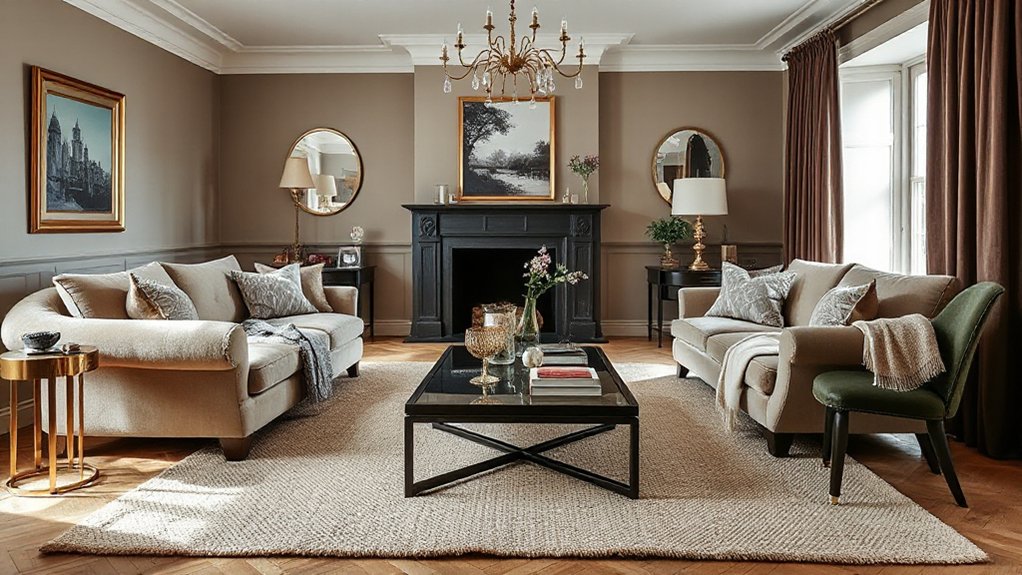
Texture wins in UK interiors mix tactile softness with tactile richness to elevate everyday living. You’ll gravitate toward spaces that pair plush textiles with sculptural surfaces, creating a curated, lived-in vibe.
Focus on textural contrast: velvet against nubby bouclé, smooth leather against woven sisal, matte stone against glossy ceramic. Fabrics layer intelligently to add warmth without clutter—think a linen throw over a wool sofa, a tactile rug anchoring a low-slung lounge.
Colour remains muted, letting texture take the lead, with natural fibers reinforcing a calm, belonging-driven mood.
Prioritise comfort zones that invite lingering: seating with depth, blankets within reach, cushions of varied scales.
The result is cohesive, tactile-rich interiors that feel intentional, accessible, and reassuringly contemporary.
Smart Storage That Keeps Visual Clutter Down
Smart storage isn’t an afterthought—it’s the backbone of a calm, modern UK home. You deserve spaces that feel deliberate, not cluttered, so you can relax and host with confidence.
Prioritize clever solutions that hide away everyday items without sacrificing style. Hidden compartments seamlessly blend into cabinetry, benches, and beds, delivering clean lines while boosting function.
Choose modular furniture that adapts to changing needs—reconfigurable shelves, push-to-open units, and stackable modules that grow with your family.
Consider nested storage in entryways and living areas to corral accessories, toys, and tech cords.
Quality builds with soft-close mechanisms and durable finishes reward daily use.
With purposeful, expandable systems, you create belonging through order, reducing stress and elevating your UK home’s everyday moments.
Layered Lighting to Shape Mood and Function
Layered lighting isn’t just about brightness—it’s a design tool that shapes mood and function. You’ll blend ambient glow, task, and accent layers to define zones, elevate moments, and support daily rhythms.
Start with a warm ambient layer to ground spaces, then add task lighting where you read or cook, and finish with subtle accent lighting to sculpt architecture and art.
Dimmer controls empower you to shift atmosphere instantly, from energised mornings to relaxing evenings.
Consider decorative fixtures that double as sculptural elements, reinforcing your home’s personality.
Use shadow play to add depth without clutter, keeping lines clean and spaces honest.
Through intentional layering, you create rooms that feel curated, cohesive, and welcoming to every guest you invite in.
Biophilic Design Tactics for Small UK Spaces
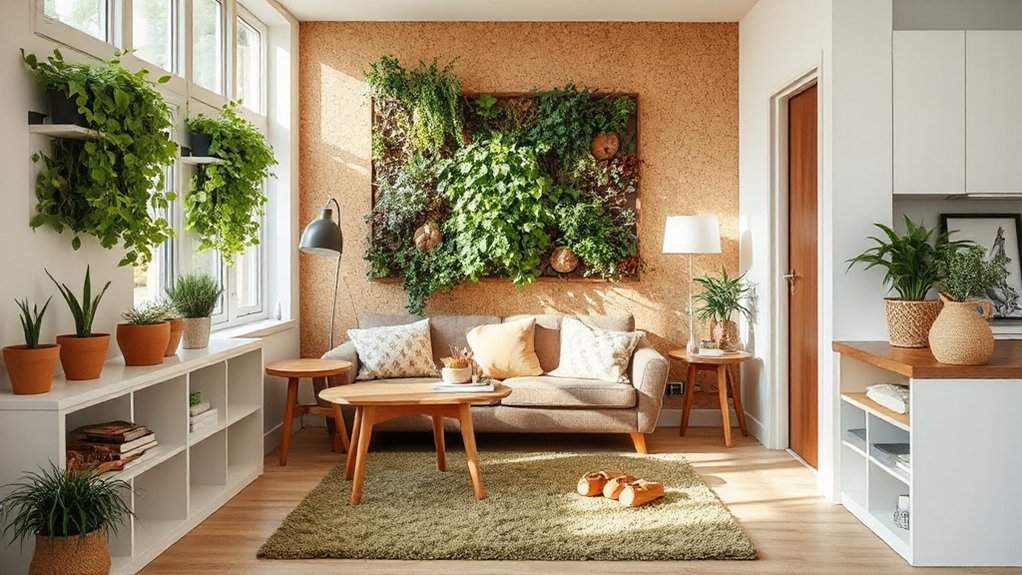
You’ll integrate greenery through micro-areas that feel intentional and easy to maintain.
Use natural light strategies to brighten tight rooms, while flexible planting systems let you adapt as spaces change.
This approach keeps UK homes feeling vibrant, organized, and ready for evolving lifestyles.
Greenery Micro-areas
Greenery micro-areas are shaping how compact UK homes feel more expansive by bringing nature directly indoors. You’ll craft compact zones that feel deliberate, yet effortless, using layered greenery that reads like an urban jungle without overwhelming the space.
Prioritize plant integration: shelves, hanging planters, and slim wall grids blend greenery with furniture, so every square inch earns its privacy and personality. Choose low-maintenance varieties for reliability and a consistent, breathable palette that calms the room.
Ask yourself how each plant pair enhances function—kitchen herbs near prep spaces, bathroom greens that tolerate humidity, a living wall that acts as an ambient focal point.
This approach builds belonging through intentional placement, hopeful texture, and a shared, restorative rhythm that resonates with modern UK living.
Natural Light Strategies
Natural light isn’t a luxury in small UK spaces—it’s a design enhancer that shapes mood, scale, and usability. In compact rooms, you maximize impact by aligning layout with sun paths and choosing reflective surfaces that bounce daylight deeper.
Prioritize window treatments that control glare without dulling brightness, such as sheer panels and light-blocking liners for evenings. Use daylight maximization strategies like strategically placed mirrors, pale textiles, and glass or translucent partitions to expand perceived space.
Keep openings unobstructed; trim furniture silhouettes to avoid shadowy corners. Color choices should support light, leaning toward warm whites and soft neutrals that read as airy.
Flexible Planting Systems
Flexible Planting Systems are essential for biophilic design in tight UK spaces, letting you introduce greenery without sacrificing square footage. You’ll harness modular planters, rail-mounted greens, and vertical grids to create an Indoor jungle that expands visually and emotionally.
These systems align with small-space living by stacking color, texture, and scent rather than consuming floorspace. Seasonal container gardening becomes your seasonal design language, enabling quick swaps that refresh rooms with minimal effort.
By prioritizing accessible, maintenance-friendly layouts, you invite family and guests to linger, feel calm, and share the space confidently. This approach stays trend-forward: sustainable, scalable, and adaptable to changing light and routines.
Flexible planting turns ordinary corners into biospheres, strengthening belonging through daily nature contact.
Room-by-Room Colour Stories and Light
Room-by-room colour stories hinge on how light interacts with surfaces, so start with the palette you’ll actually see every day. You’ll notice colour harmony emerge as daylight shifts, so plan ranges that feel continuous from room to room.
In living spaces, pair warm neutrals with understated accent hues to keep the atmosphere inviting and cohesive. Bedrooms benefit from soothing undertones that calm the mind, while kitchens demand reflectivity—think glossy cabinets or quartz that bounce light from lighting fixtures.
Bathrooms should feel fresh yet serene, with cool hues balanced by tactile textures. Use lighting to sculpt mood: dimmable fixtures, layered lamps, and smart controls convert colour perception as you move through the home, reinforcing belonging through thoughtful, practical design.
Your 2026 Refresh: A Practical 7-Step Start-to-Finish Checklist
Redesigning your space for 2026 starts with a practical, seven-step playbook you can implement this month. This 7-step checklist keeps momentum tight and results tangible.
Step 1: audit your current setup, noting what works and what doesn’t, so you’re not guessing.
Step 2: define a unifying brief that reflects your taste and how you live, not trends alone.
Step 3: map color psychology to rooms, choosing hues that energize or calm as needed.
Step 4: prioritize design innovation—seek flexible furniture and adaptable layouts.
Step 5: curate materials for longevity, texture, and sustainability.
Step 6: implement a phased refresh to spread cost and effort.
Step 7: review quarterly, adjusting, learning, and refining together.
Your refreshed UK home will feel cohesive, current, and inviting.
Frequently Asked Questions
How Can I Measure a Room’s Natural Light Levels Accurately?
You measure natural light with a light meter or smartphone app, noting lux levels at different times. Use consistent measurement tools, track daylight hours, and compare rooms to optimize layout and color choices for a brighter, more connected space.
Which Budget-Friendly Uk-Approved Paints Have Low VOCS?
Juxtapose practicality with care: eco friendly finishes prove you can decorate beautifully on a budget. You’ll trust budget paint brands that are low VOCs, keeping air fresh while you craft a stylish, inclusive, trend-forward UK home.
What Are the Best Small-Space Dining Solutions for UK Homes?
Compact dining solutions excel in small UK spaces by embracing multi functional furniture, letting you host effortlessly while saving room. You’ll love adaptable layouts, built-in storage, and cohesive styling that create belonging and stylish, practical, trend-forward living.
How Can I Source Ethically Produced Furniture in the UK?
You can source furniture ethically in the UK by prioritizing Sustainable sourcing and checking Ethical certifications, like FSC or B Corp labels, ensuring transparency and fair-trade practices, so you feel part of a responsible, trend-aware community.
What Maintenance Routines Extend the Life of Natural Materials?
A surprising 72% of homeowners report longer-lasting家具 when following specific care, so you’ll boost Natural care and Material longevity by dusting weekly, spot-cleaning spills, and using breathable protectants to preserve beauty and belonging in your spaces.
Conclusion
You’ll feel calmer at home in 2026 by pairing warm neutrals with bold nature accents, and by designing spaces that flex with the seasons. Think layered lighting and tactile textures that invite lingering. A single anecdote: a UK living room swapped heavy drapes for light linen and gained 20% more daytime warmth reflection, like sunlight finding every corner. Start with a practical 7-step checklist, embrace sustainable everyday materials, and let biophilic touches weave calm into every room.