
To cut renovation costs in 2026, start with a detailed budget that separates must-haves from nice-to-haves and includes a 10–20% contingency. Prioritize safety and durability—structural fixes, electrical upgrades, and moisture control—before luxury upgrades. Phase work to match cash flow, and lock in timelines with a clear construction schedule. Source durable materials from reputable local suppliers, vet contractors, and leverage rebates and incentives. Track costs daily, communicate variances openly, and expect a disciplined, data-driven approach as you move forward. More tips await.
Set Your Realistic Home Renovation Budget for 2026
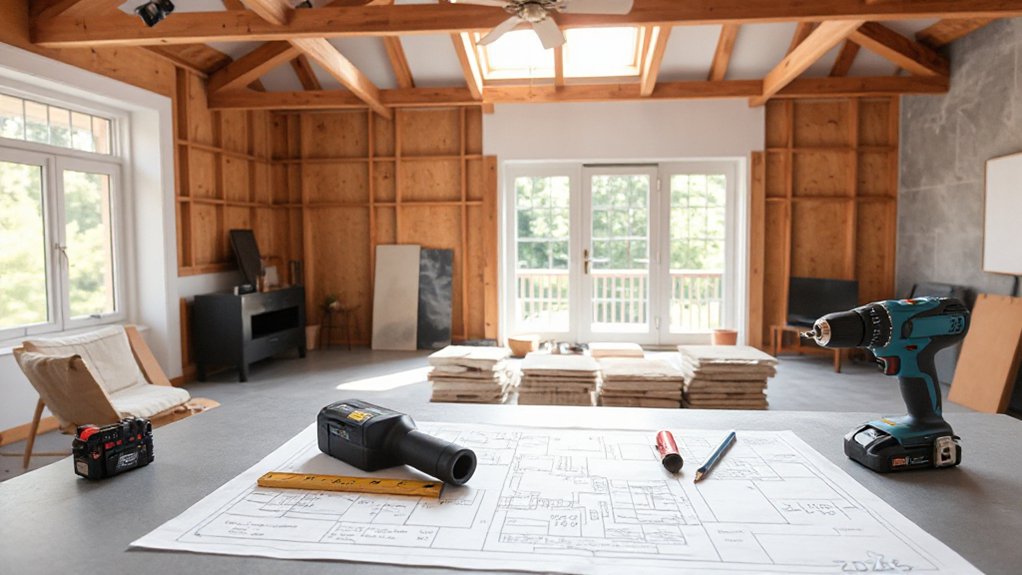
Before you start any project, pin down a realistic budget for 2026 by listing must-haves, nice-to-haves, and a contingency. This approach anchors your renovation planning around concrete figures, helping you protect Home value while you allocate resources efficiently.
Start with must-haves that affect safety, function, and durability, then layer in nice-to-haves that boost comfort or aesthetics. Add a contingency of 10–20% for price shifts, permitting delays, and unforeseen challenges.
Use real data: current market costs, contractor quotes, and material trends. Track changes in scope with decision logs and revised estimates to stay aligned with your goals.
A clear budget reduces stress, speeds decisions, and keeps you connected with a shared vision for your home’s future. You’ll feel supported, capable, and more confident in renovation planning.
Prioritize Must-Haves Before Nice-to-Haves
To keep renovations focused and costs predictable, start by locking in must-haves that impact safety, function, and durability before considering nice-to-haves. You’ll allocate budget to structural fixes, electrical updates, and moisture control first, because these affect long-term reliability and resale value.
Prioritize essential improvements that prevent costly repairs later, then plan for midrange substitutions if budget allows. Use data to guide choices: compare return-on-investment by room, and select durable materials with lower life-cycle costs.
When you evaluate luxury upgrades, treat them as optional aesthetics that won’t compromise core performance. Make aesthetic choices—colors, finishes, fixtures—that align with your daily living needs and sense of belonging, but pause on nonessential upgrades until must-haves are solid.
This disciplined approach keeps projects on track and financially sustainable.
Phase Your Renovation for Cash Flow and Quality
Phase your renovation with clear, phase-by-phase budgets to keep costs predictable and cash flow steady.
Align each phase to quality checkpoints so you spot issues early and avoid costly rework.
Use a timeline-based plan to track milestones, budget updates, and supplier lead times for reliable delivery.
Phase-By-Phase Budgeting
Phase-by-phase budgeting helps you manage cash flow and preserve quality by breaking renovations into clear, cost-tracked milestones. You’ll map spending to each phase, aligning tasks with funding cycles and avoiding scope creep.
Begin with a tight baseline: essential essentials first, then upgrades you truly value. Use data to forecast unit costs, labor rates, and contingency—typically 10–15%. Track variances weekly, not monthly, so small overruns don’t snowball.
Prioritize design decisions that support durability and resale, focusing on design trends that fit your home and budget. For materials, compare durability, warranty length, and maintenance needs to maximize life-cycle value.
Communicate milestones to stakeholders, so you aren’t surprised by payment requests or delays. This approach fosters belonging through transparent progress and measurable results.
Timeline-Based Quality Control
Timeline-based quality control keeps your project on track by tying every task to measurable checkpoints and cash-flow milestones. You’ll align milestones with a detailed construction scheduling plan, ensuring each phase triggers the next only when quality criteria pass. This prevents rework and overruns, preserving both budget and schedule.
Implement a simple dashboard that flags variances in time, cost, and scope, so you can act before small issues compound. Quality assurance becomes a shared responsibility: contractors and you verify outcomes at each stage, not just at the end.
Documented checklists, photos, and sign-offs create transparency and accountability, fostering trust among team members. With disciplined cadence, you reduce surprise costs and maintain momentum toward your remodeling goals.
Source Quality Materials at the Best Price
To get the best quality materials at the lowest cost, start with clear specs, compare multiple suppliers, and verify hidden fees, delivery times, and return policies up front.
You’ll boost value by prioritizing material durability and aligning choices with long‑term performance expectations.
When evaluating supplier selection, quantify prices, warranty terms, and lead times, then build a short list of preferred vendors.
Request samples, compare lot sizes, and check compatibility with your project’s tolerances.
Use objective criteria—durability ratings, third‑party certifications, and historical on‑time delivery—to narrow options.
Negotiate bundled pricing for bulk orders and inquire about sustainable materials where appropriate.
Track total cost of ownership, including maintenance and replacement cycles, to avoid hidden expenses.
This disciplined approach fosters belonging through reliable, transparent procurement.
Vet Contractors and Tap Local Labor for Reliability
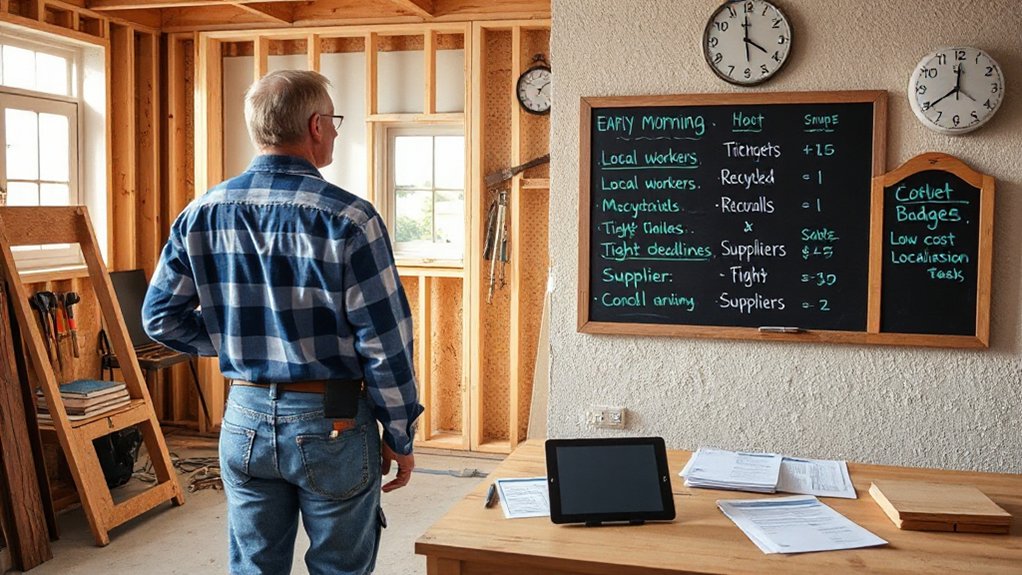
Start by vetting contractors with a quick references check and confirm licenses, insurance, and past project outcomes.
Tap local labor by asking neighbors and tradesmen for trusted names and verifying availability during your project timeline.
Prioritize reliability early by setting clear milestones, contact points, and documented expectations to reduce rework and keep costs predictable.
Vet Contractors Carefully
Vet contractors carefully to avoid costly overruns and delays. You can reduce risk by verifying contractor licensing and checking license status with your state board. Ask for a current certificate, make certain specialties match your project, and confirm any required permits are reflected in the scope.
Next, review project management practices: request a detailed timeline, milestones, and daily reporting expectations. Compare multiple bids not just on price, but on schedule realism and communication plans.
Look for clear change-order procedures and contingency allowances that align with your budget. Check references and recent project outcomes, focusing on on-time completion and quality.
Establish a contract that assigns responsibility for subcontractor performance, safety, and warranty terms, fostering reliable execution and belonging within your renovation team.
Tap Local Labor
By prioritizing local labor, you’ll reduce turnaround times and strengthen accountability, since nearby workers are easier to supervise and hold to your agreed milestones. Tap local labor to leverage a responsive local workforce, which typically offers faster scheduling and fewer delays.
You’ll gain reliability through community craftsmanship, where reputations are reinforced by ongoing, visible results. Vetting local professionals often reveals consistent performance history within your area, helping you estimate costs more accurately and compare bids with confidence.
Collaborate with nearby tradespeople who understand local codes, suppliers, and permit processes, lowering risk and waste. Engaging the local workforce fosters belonging, supporting cohesive project momentum and smoother communication throughout renovations.
This approach aligns affordability with quality, delivering dependable, transparent outcomes.
Verify Reliability Early
To guarantee reliability from the outset, vet contractors early and pair that process with tapping local labor. You’ll reduce risk and keep timelines tight by confirming credentials, licenses, and insurance, then cross-checking with trustworthy sources.
Use a standard checklist for each bid: project scope, material quality, warranty terms, and payment milestones. Prioritize contractors with a track record of on-time completions and transparent communication.
Conduct early verification by interviewing references and visiting past jobs, noting consistency in workmanship and problem-solving. Favor firms that provide detailed timelines and clear change-order protocols.
Local partners often know permit nuances and supply chains, lowering delays. Document findings in one place, share them with your team, and proceed only when alignment is clear.
This approach builds trust, community rapport, and predictable costs.
Find Local Rebates and Incentives to Save More
Start by checking local government and utility programs; these often offer rebates for energy-efficient upgrades, insulation, or high-efficiency heating and cooling systems. You’ll want to map options before you commit, so you feel confident about the project scope and costs.
Look for energy audits in your area—they reveal where rebates land and how for upgrades you actually need. Track eligibility windows, required pre-approvals, and documentation upfront to smooth rebate applications.
Prioritize appliances and materials with clearly posted incentives, and compare total program savings against upfront costs. Keep a simple ledger of potential savings and timelines to share with your crew, family, and neighbors who’re on the same path.
When you apply, attach receipts, certifications, and photos to strengthen your rebate applications.
Smart Buying and Negotiation Tactics That Save Big
Smart buying and negotiation can slash project costs without sacrificing quality. You can start by prioritizing items with clear specs and durable warranties, then compare quotes from at least three vendors to identify true value, not just the lowest price.
Embrace Smart negotiation: walk-away power, bundled protections, and volume discounts when feasible. Ask for price matching, timing incentives, and installation inclusions to maximize value.
Consider bulk purchasing for frequently used materials, fixtures, and fasteners; you’ll often access substantial savings without compromising quality.
Build relationships with reputable suppliers who offer predictable lead times and after-sale support, which reduces surprises.
Document decisions, deadlines, and agreed terms to maintain trust and prevent scope creep, ensuring smooth collaboration and a sense of shared purpose among your team.
Track Costs and Prevent Overruns With Clear Budgeting

Keeping costs on track starts with a realistic budget you can actually manage. Track costs daily, not weekly, so small overruns don’t compound. Use a simple spreadsheet or budgeting app to log line-item expenses and compare them to your baseline estimates. Schedule automatic alerts for deviations beyond 5–10%, and review them weekly with your team.
When you spot drift, apply budget adjustments—trim discretionary items first, then reallocate savings to critical areas. Document every change and justify it with data, so stakeholders stay aligned.
Build contingencies for surprises—typically 10–15% of total costs. Communicate transparently about variances and revised timelines.
A clear, data-driven approach reduces uncertainty, reinforces ownership, and keeps your renovation on schedule and within the intended cost.
Frequently Asked Questions
How Can 2026 Tax Incentives Affect Renovation Costs?
Yes, 2026 tax incentives can cut costs: you’ll access tax credits and incentive programs that reduce upfront spend and long-term investments, improving affordability and community benefits while you plan, compare options, and complete energy-efficient or accessible renovations.
What Hidden Fees Do Contractors Commonly Charge?
Contractor scams often hide hidden charges like markups, change orders, and duplicate fees. You’ll spot them by requesting itemized estimates, reading contracts carefully, and verifying licenses; insist on transparent pricing to belong to a trustworthy project team.
Which Energy Upgrades Yield the Fastest ROI?
Energy-efficient windows yield fast ROI, and solar panel installation adds strong long-term savings. You’ll see quicker payback from upgrading windows and adding solar, because lower bills and incentives boost your home’s value and you’ll feel socially connected.
Can Financing Options Alter Overall Project Cost?
Yes, financing can alter total costs: lower interest rates reduce interest paid, while faster loan approval prevents delays. You’ll save when you compare terms, with stable payments and clear budgeting, ensuring you feel supported and financially confident.
How Do Material Shortages Impact Final Pricing?
Material supply drives final pricing; you’ll notice price fluctuations as shortages tighten, then ease. Track supplier alerts, buy in advance, lock-in rates when possible, and batch purchases to stabilize costs and avoid disruption.
Conclusion
You’ve mapped the path: a realistic budget, must-haves first, phased goals, and smart sourcing. Now the numbers start talking. If you lock in rebates, compare bids, and track every dollar, you’ll see the project tighten—cost overruns become rarities. But the final piece isn’t just money; it’s timing. A delay or a surprise expense could steal momentum when you’re closest to a breakthrough. Stay vigilant, stare at the forecast, and watch the renovation reveal its true value. The finish line waits.