
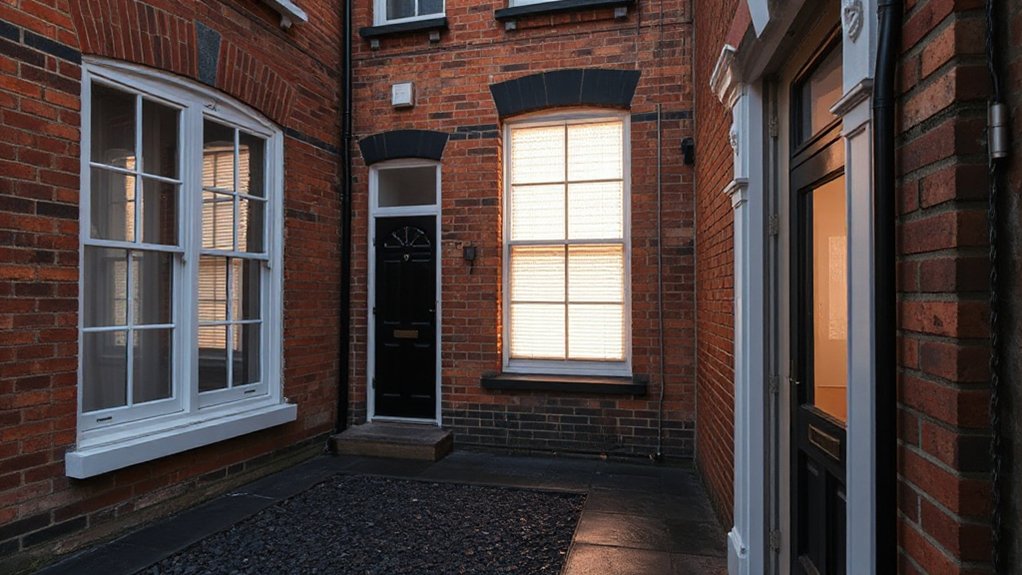
Modernise a Victorian terrace without major disruption by planning phase‑by‑phase upgrades that protect historic fabric and boost comfort. Start with non‑negotiables and constraints—original cornices, sash windows, masonry—then map permits, party walls, and sequencing to minimize risk. Improve insulation, seal drafts, and use discreet ventilation. Update wiring and plumbing along existing chases, choosing period‑matched finishes. Reconfigure flow with pocket doors and careful openings that respect character. If you keep going, you’ll uncover practical steps that connect sustainability with heritage.
Define Non-Negotiables and Constraints for Your Terrace
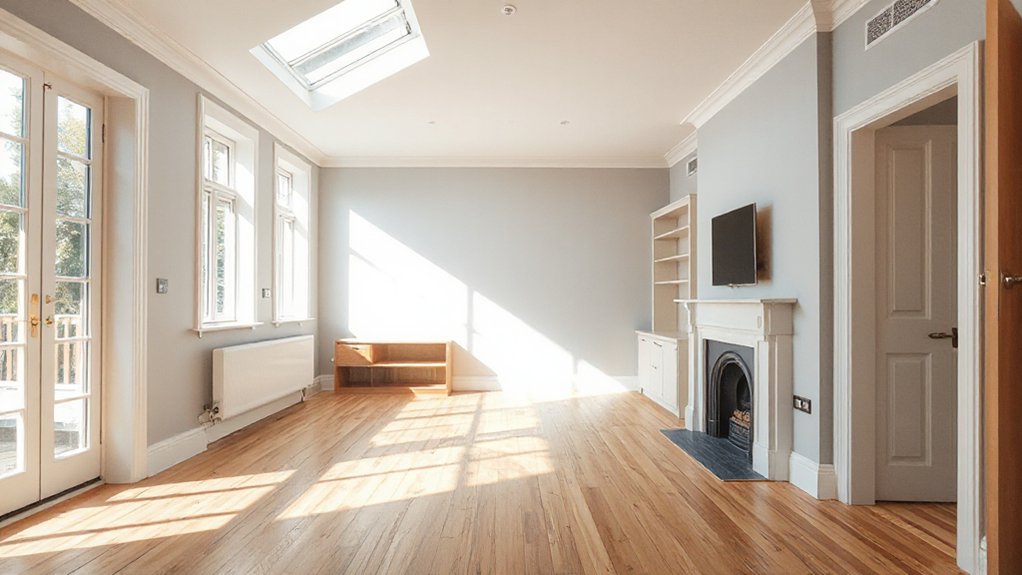
To modernise a Victorian terrace, start by defining your non-negotiables and constraints: what must stay and what can change, from structural limits to budget and timeline. You’ll map thresholds for daily use, climate impact, and maintenance cycles, then align them with historical accuracy and material preservation.
You prioritise elements that define character—original cornices, sash windows, and masonry—while identifying upgrade opportunities that don’t erase context. Your plan clarifies where you can retrofit insulation, wiring, and plumbing without compromising historic features.
You’ll set realistic milestones, costs, and slack for permits or delays, ensuring inclusivity in decision-making. This approach honours place, fosters belonging, and supports responsible stewardship, so future occupants inherit a terrace that feels authentic, resilient, and thoughtfully adapted to contemporary needs.
Plan in Phases: Permits, Party Walls, and Sequencing
Planning the project in clear phases keeps permits, party-wall work, and sequencing manageable and transparent. Start by mapping required approvals, responsible contractors, and a realistic timeline that accommodates overlaps without surprises.
You’ll align historical accuracy with cultural significance, ensuring each step respects heritage while supporting modern comfort. Begin with a phased permits plan, identifying essential timelines, review bodies, and potential deferments to avoid bottlenecks.
When planning party walls, establish clear responsibilities, notification duties, and dispute-resolution paths to minimise friction.
Sequencing should prioritize structural integrity, sustainability measures, and sensitive fabric—avoiding retrofits that compromise architectural language.
Build in stakeholder touchpoints: neighbors, inspectors, and trades, to foster belonging and trust.
Document decisions, rationale, and site conditions for future generations, ensuring the project remains legible to future renovators.
Assess and Improve Comfort: Insulation and Drafts
Evaluating and enhancing comfort starts with targeted insulation and draft control. You’ll identify gaps—ceiling, walls, and floors—and choose discreet upgrades that keep historic character.
Prioritize airtight seals around doors and leaky windows, then add insulation where feasible without bulky changes. You’ll notice immediate warmth and reduced energy use, aligning with a sustainable mindset.
Pair insulation with smart ventilation to maintain breathable indoor air. When selecting window treatments, opt for options that balance light, privacy, and thermal performance, such as heavy drapery or cellular shades that fit the period feel.
For color schemes, select muted, cohesive tones that reflect natural light and create a calm, inclusive atmosphere. These steps support comfort, efficiency, and a sense of belonging without major disruption.
Update Wiring and Plumbing With Minimal Disruption
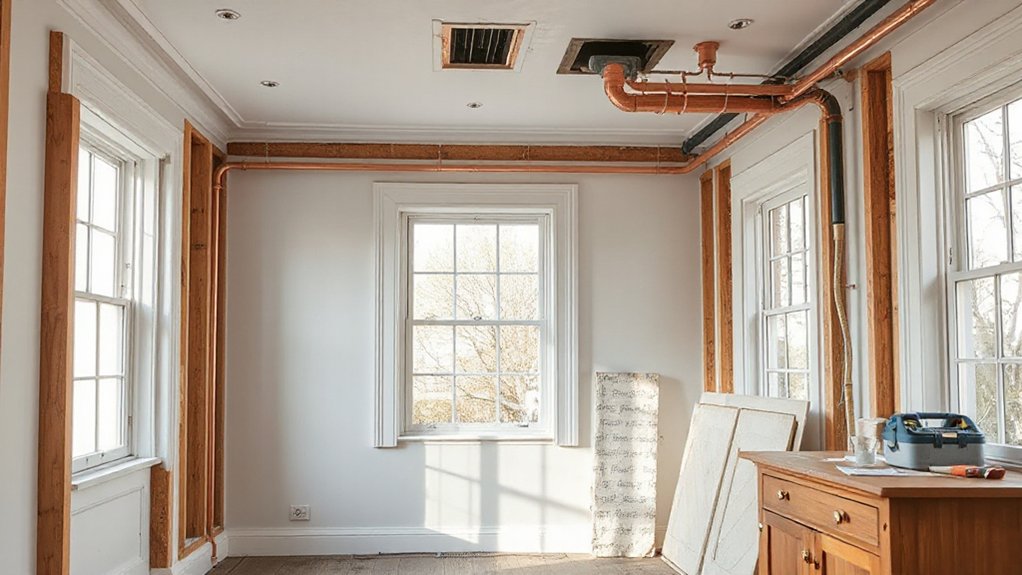
With comfort readiness in place, updating the wiring and plumbing becomes a targeted, low-disruption upgrade that respects the Victorian fabric. You plan discreet routes, using existing chases and spaces to minimize damage while preserving structural integrity.
Choose modern, heat‑and‑water‑efficient fittings that mirror historical accuracy in finish and scale, so the device silhouettes stay true to the era. Opt for concealed cabling where possible, and label circuits for simple future maintenance, reducing disruption during any essential servicing.
Plumbing should prioritize corrosion‑resistant materials and quiet operation, with smart leak‑detection to prevent waste. Maintain aesthetic consistency by coordinating taps, brackets, and pipework with period features.
This approach delivers safety and efficiency without compromising belonging or the building’s story.
Reconfigure the Layout for Flow While Preserving Period Charm
To reconfigure the layout for better flow, start by mapping how people move through the space and where you want daylight, air, and circulation to feel natural. Then adjust walls, doors, and openings without touching historic fabric.
You’ll prioritize sightlines that reinforce historical accuracy and guarantee transitions feel deliberate rather than drastic. Reposition stairs, openings, and partitions to create a logical sequence between living zones while maintaining intimate, village-scale rooms.
Use pocket doors or partial enclosures to preserve openness when desired, preserving aesthetic consistency through calibrated materials, finishes, and trim. Choose non-invasive strategies: low-profile doorways, integrated storage, and furniture layouts that guide movement.
Document changes, celebrate period cues, and balance modern comfort with timeless character for a home that belongs.
Source Materials That Honor Original Charm on a Budget
Source materials that honor original charm on a budget means choosing finishes and components that read as period-authentic without breaking the bank. You’ll prioritize sustainable, locally sourced options that minimize waste while maximizing character.
Start with antique finishes that echo era warmth—limed woods, patinated metals, and low-VOC stains that age gracefully. For lighting, opt for vintage lighting silhouettes or reproduce fixtures with proper scale, using LED cores to cut energy use without sacrificing glow.
Frame choices with genuine MDF or plywood reinforced by solid-core alternatives to reduce material heft, then finish with linseed or plant-based oils for longevity.
Prioritize secondhand finds—refurbished cabinets, doors, and hardware—that reduce embodied carbon. This approach honors history, fosters belonging, and stays budget-smart.
Finish With Cohesion: Fixtures and Surfaces That Minimize Disruption
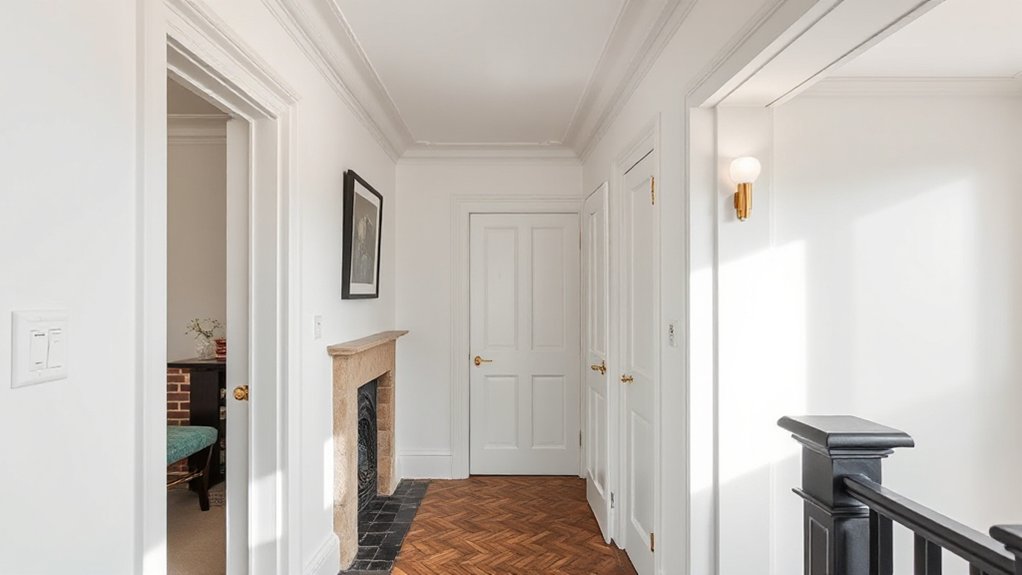
Cohesion happens when fixtures and surfaces read as a single, timeless story rather than a patchwork of eras. You craft this by choosing Eco friendly finishes and surfaces that age gracefully, resisting visual noise from competing styles.
Favor natural textures—stone, wood, matte ceramic—that mirror traditional tones while embracing modern sustainability. Align lighting and fixtures with simple profiles; opt for Smart fixtures that adapt to daily rhythms without shouting modernization.
Keep color palettes cohesive: warm neutrals with gentle contrast, ensuring doors, skirting, and countertops feel related rather than relics. Prioritize durable, low-maintenance options to reduce future disruption during upkeep or renovations.
This approach invites belonging, promising comfort, efficiency, and a quiet, shared narrative across your home.
Frequently Asked Questions
How Can I Finance a Modernisation Without Debt?
You can finance without debt by prioritizing cash-saving strategies, Eco friendly options, and DIY renovation tips, then reinvesting savings into upgrades. Seek grants, low-interest programs, and energy rebates, cultivating a sustainable, belonging-filled home you proudly maintain together.
What Legal Protections Exist for Heritage Interiors?
You’ll find heritage protections shield your interior preservation, with heritage conservation guidance and listed-building safeguards guiding you every step. You’ll feel seen, supported, and empowered, knowing sustainability-minded choices respect history while securing legal protections for your space.
Can I Upgrade Without Removing Original Fireplaces?
Yes, you can upgrade without removing original fireplaces. Prioritize fireplace restoration, interior preservation, and non-invasive upgrades. You’ll maintain heritage values, minimize disruption, and embrace sustainable choices that foster belonging and respectful, precise, context-driven improvements.
Which Trades Should I Pre-Book to Avoid Delays?
Irony aside, you should pre-book trades early to prevent delays. You’ll coordinate furniture placement and lighting design with a single team, ensuring sustainable choices. You belong in efficient spaces, so plan trades, delivery windows, and ongoing communication now.
How Do I Preserve Acoustics in a Small Terrace?
You can preserve acoustics by applying soundproofing techniques and thoughtful interior acoustic design, using dense materials, resilient channels, and decoupling where possible. Prioritize sustainable choices, and create a sense of belonging through mindful, quiet, comfortable, well-insulated spaces.
Conclusion
You can modernise a Victorian terrace without chaos by sticking to non-negotiables, planning in phases, and prioritising airtight, draft-free comfort. Keep period charm through careful material choices and cohesive fixtures, while updating wiring, plumbing, and insulation with minimal disruption. About 70% of energy is saved when you upgrade insulation and sealing, a statistic that highlights sustainability’s payoff. With precise sequencing and respect for party walls, you’ll gain modern flow, lower bills, and a durable, adaptable home.