You might not realize that most upgrades lose value if you’re not careful about durability and maintenance costs. To avoid overspending, set a clear budget focused on essentials and long-term performance, not glittery finishes. Prioritize high-impact, low-maintenance choices, and use builder allowances wisely to cover core improvements. Weigh finishes with practical criteria, then shop for deals, warranties, and total ownership costs. Phase improvements with construction to curb scope creep and maximize every dollar.
Define Your Upgrade Budget for New Builds
Defining your upgrade budget for a new build starts with a realistic picture of what you can actually spend. You’ll map out core costs first—structure, essentials, and timing—so you don’t chase speculative upgrades.
Next, set a hard ceiling for discretionary improvements, reserving a contingency for surprises. Prioritize decisions that affect long-term value, not just appearance.
When evaluating options, weigh design aesthetics against price, and choose scalable features you can upgrade later. Track each choice with a dollar amount and a decision deadline to prevent scope creep.
Consider energy efficiency as a cost-benefit factor: higher upfront investments often pay back through lower operating costs.
Finally, document your budget in a simple plan you can adjust as plans evolve.
Prioritize Upgrades by Value and Durability
After you’ve set a clear budget, the next step is to zero in on upgrades that deliver real value and long-lasting practicality. You’ll want to prioritize options that boost interior design appeal while withstanding daily use.
Start with durable foundations: flooring with solid wear ratings, moisture resistance, and easy maintenance. In kitchens and baths, choose quality fittings, but focus on fixtures with proven longevity and low maintenance.
Energy efficiency should guide decisions, like improved insulation, tight-sealing windows, and efficient appliances, reducing ongoing costs.
Compare upgrades by payback period and impact on daily life, not just upfront price. Avoid trendy fads that date quickly; instead, select timeless finishes and reliable systems.
Document expected life spans, maintenance needs, and warranty terms to inform your final sequencing.
Time Upgrades and Use Builder Allowances Effectively
Here’s how to time upgrades and use builder allowances effectively: start by mapping your priorities against allowances, noting which items you’ll want to upgrade now versus later. You’ll compare interior lighting and landscaping design options against budgets, then group choices into must-have, nice-to-have, and deferred.
If a builder offers allowances for fixtures, floors, or plumbing, prioritize items that add long-term value or energy efficiency. Consider pre-alterations that don’t require expensive revisions later, like wall colors or ceiling heights, if included.
Use up-to-date cost data to forecast overruns and reserve a portion for change orders. Schedule upgrades in phases to align with construction milestones, and document decisions in writing.
Revisit interior lighting plans as layouts emerge, ensuring fixtures fit the final spaces without overcapitalizing.
Compare Finishes and Materials With Confidence
When you compare finishes and materials, start with a clear criteria list and price-quality tradeoffs. You’ll compare durability, maintenance, aesthetics, and warranty terms, then map each option to your budget.
Prioritize tangible specs: load-bearing capacity, stain resistance, energy efficiency, and supplier reliability. Request samples, test in real conditions, and note installation complexity.
For every finish, estimate lifetime cost, not just upfront price, and factor into your decision matrix. Look for eco-friendly options that align with performance needs, then confirm what’s included in the finish package and any required substitutions.
Consider luxury fixtures where they add value without inflating costs, and verify compatibility with existing systems.
Use side-by-side comparisons to avoid impulse choices and document your rationale for confident, informed selections.
Shop Smart: Deals, Warranties, and Total Ownership
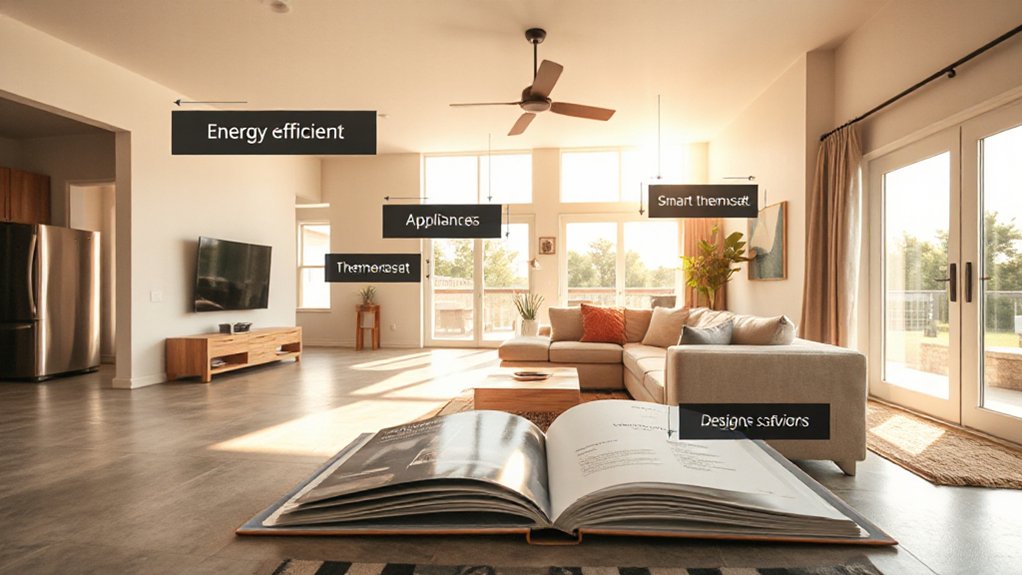
To keep from overspending after you’ve weighed finishes and materials, focus on shopping smart: chase the best deals, scrutinize warranties, and consider total ownership costs. You’ll save by timing purchases, comparing brands, and leveraging bulk or contractor discounts.
Prioritize durable, repairable options for interior lighting and other fixtures, so replacement costs stay low over time. Read warranty terms carefully, noting coverage windows, exclusions, and what warrants service versus replacement.
When evaluating Landscaping options, factor in maintenance and energy use; choose native plants and low‑effort irrigation to reduce ongoing costs.
Track total cost of ownership instead of upfront price alone, including installation, permits, and future upgrades. Keep receipts, document model numbers, and align purchases with project milestones to avoid delays and waste.
Frequently Asked Questions
How Can I Negotiate Post-Build Upgrade Credits After Closing?
You can negotiate post‑build upgrade credits by requesting a formal proposal tied to financing options and upgrade timing, presenting market comparisons, and timing contingencies; stay focused on value, document everything, and escalate politely if needed.
What Unexpected Costs Pop up During Mid-Construction Upgrades?
Upfront, you’ll freak when unexpected costs hit mid-construction like wild storms. Landscaping costs and utility upgrades pop up, so budget stoutly, track everything, and snag fixed quotes to keep surprises tiny and decisions razor-sharp. You’ll stay on track.
Are There Hidden Fees in Builder Allowances I Should Scrutinize?
Yes, there can be hidden fees in builder allowances; scrutinize inclusions and contingencies. You should note builder warranties and potential construction delays, ensuring you’re protected if delays occur or warranties cover post‑move issues.
Can I Upgrade After Move-In Without Voiding Warranties?
Yes, you can upgrade after move-in, but choose discreetly to protect appliance warranties and floor upgrades. Verify manufacturer terms, guarantee installations are done by pros, and document warranties and receipts to avoid jeopardizing coverage.
Which Upgrades Have the Highest Resale Impact per Dollar?
To maximize resale per dollar, focus on interior lighting upgrades and landscaping enhancements. You’ll boost curb appeal and perceived value; you’ll enjoy better ambiance for less. Think strategic, cost-conscious choices—like efficient LEDs and quality planting, not豪 expensive vanity projects.
Conclusion
You don’t have to chase every shiny upgrade to win. Instead, build momentum with steady, value-driven choices that outlast trends. Treat your budget like a lighthouse, guiding each decision, and let durable materials and smart warranties anchor your days. Phase improvements thoughtfully, and use allowances as stepping stones rather than splurges. When you compare finishes with real criteria, you’ll see the path clearly. In steady, purposeful moves, your new-build becomes a durable, affordable home you genuinely own.