You might think you need a flashy facelift to boost kerb appeal, but the truth is steadier, heritage-safe updates often pay off more in older UK streets. You’ll start by evaluating character without erasing it, then tackle breathability in brickwork and doors with period-appropriate finishes. Keep maintenance simple, plant smart, and choose durable, timeless details that don’t shout. If you want to know how to balance charm with practicality, there’s a method you’ll want to use.
What Kerb Appeal Means for Historic UK Streets
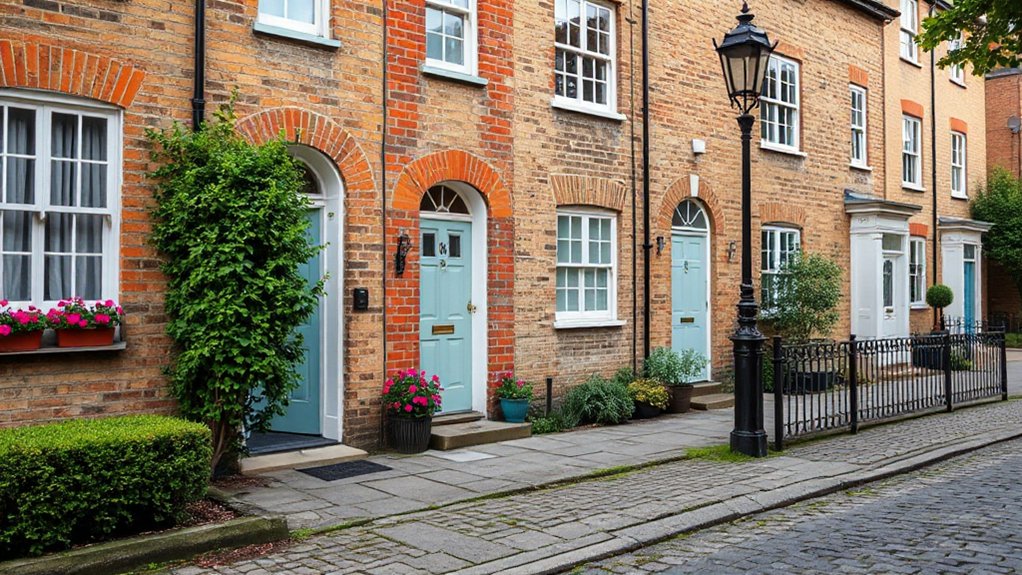
Historic UK streets aren’t just rows of old brick and stone; they’re living narratives shaped by kerb appeal. You feel it in the rhythm of well-kept sidewalks, friendly shopfronts, and the way doorways invite entry.
Kerb appeal isn’t cosmetic vanity; it signals care, safety, and community value. When you observe street furniture placed for accessibility and flow, you notice how public spaces support daily use without clutter.
Historic signage, preserved or thoughtfully updated, guides without shouting. You assess route comfort, sightlines, and maintenance needs, then prioritize practical fixes—cleaned surfaces, consistent lighting, and breathable paint schemes that respect history.
Your aim is a cohesive streetscape where residents and visitors sense continuity, function, and pride, not nostalgia alone, but a usable, beloved environment.
Assess Character Without Changing the Essence
You can assess character by noting what already defines a street—its rhythm, materials, and proportions—without altering those core cues.
Look for subtle updates that respect the original style, like preserving brickwork, maintaining door and window sizes, or choosing finishes that echo historic palettes.
Prioritize harmonious, low-key changes that reinforce the essence while gently refining curb appeal.
Preserve Core Character
Preserve the core character of a neighbourhood by evaluating its essence without changing what makes it unique. You’ll focus on maintaining scale, materials, rooflines, and street rhythm while guiding improvements.
Begin with a clear plan that respects existing forms and avoids flashy, out-of-place elements. Use a practical, detail-oriented lens: measure setbacks, window proportions, and eave depths; catalog local materials; map historic facades; and flag features worth protecting.
Involve neighbours early to surface values and avoid erosion of identity. Employ urban planning principles that reinforce continuity rather than disruption.
Prioritise modest repairs, sympathetic color palettes, and durable, authentic textures. Foster community engagement to ensure changes align with shared expectations, creating lasting kerb appeal without compromising the neighbourhood’s intrinsic character.
Subtle Modern Updates
If you want to nudge kerb appeal without erasing identity, small, thoughtful updates can do the job. Subtle modern updates respect existing lines while adding polish. Focus on practical choices that blend with local character, not shouty trends.
Start with smart technology that’s unobtrusive: motion-activated lighting, smart doorbells, and hidden wiring kept tidy, so the façade remains the hero.
Choose eco-friendly materials for planters, paths, and cladding that weather well and age gracefully.
Update hardware—handles, knockers, and letterplates—to complement period details rather than dominate them.
Repointing with compatible mortar, roofline maintenance, and refreshed glazing bars can lift presence without altering silhouette.
Finally, ensure garden edges are neat, so curb view feels ordered, inviting, and true to its heritage.
Restore Brickwork and Period Doors With Heritage-Safe Finishes
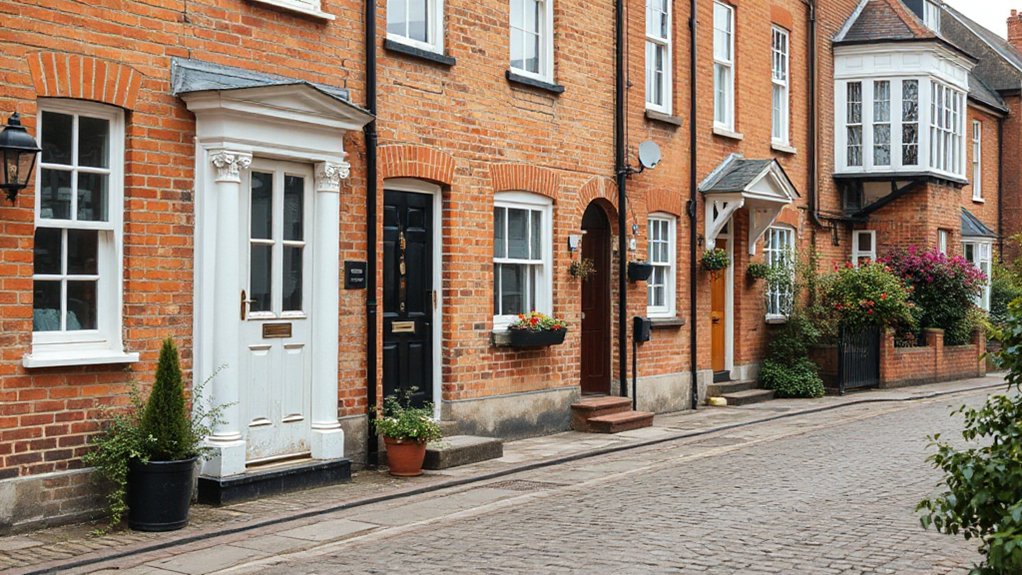
Restoring brickwork and period doors with heritage-safe finishes is about protecting original character while improving curb appeal. You start by evaluating mortar joints, choosing breathable lime mortars that match historic textures.
Clean brickwork carefully, avoiding aggressive pressure or harsh chemicals that could damage soft brick. For doors, inspect timber condition, repair cracks with compatible fillers, and sand smoothly to maintain profiles.
Apply heritage finishes—slight limewash or breathable seals—so moisture can escape without trapping damp. Match color to era and neighborhood character, testing patches first.
Document any repairs for historic preservation, and align your choices with local guidelines. You’ll benefit from durable, authentic looks that some passersby appreciate as tangible history, while conserving the home’s value.
Heritage finishes reinforce authenticity and curb appeal without compromising legacy.
Low-Maintenance, Timeless Landscaping Ideas
A straightforward, timeless landscape plan fits neatly with restored brickwork and heritage doors, delivering curb appeal that’s easy to maintain. You’ll want simple plantings and clean lines that endure over decades, not fads.
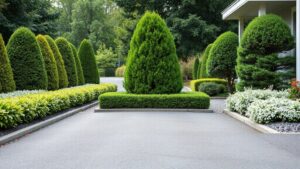
Choose low-fuss, drought-tolerant plants that perform well with UK rainfall patterns, reducing irrigation needs. Incorporate gravel borders, mulched beds, and compact evergreen shrubs to maintain structure year-round.
Implement xeriscaping ideas by grouping water-smart species in sun and shade pockets, then use mulch to conserve moisture. Opt for native grasses or low-growing perennials that require minimal pruning, and install a smart drip system for efficiency.
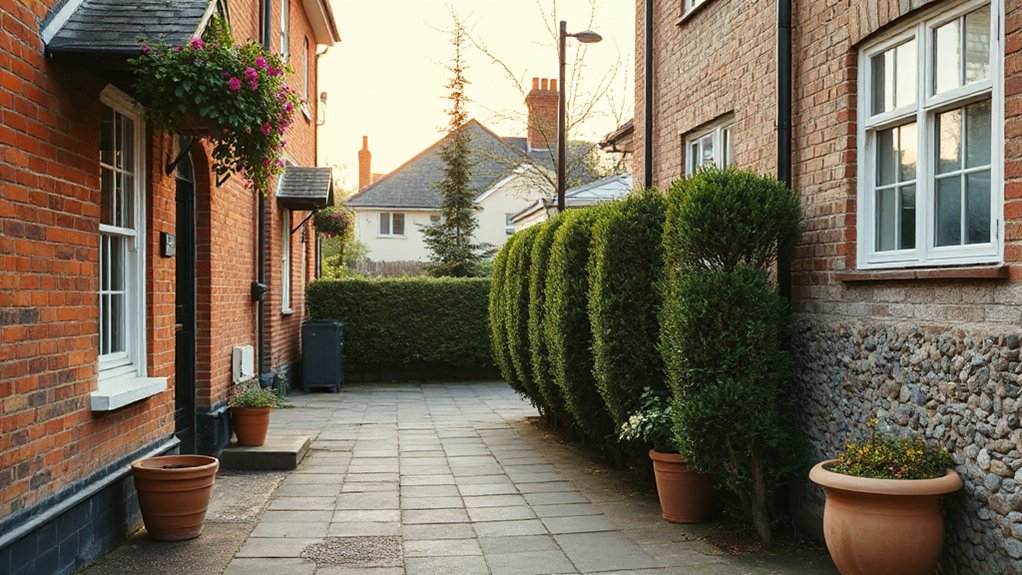
Perimeter fencing or hedges provide privacy without crowding pathways. Prioritise clear sightlines to entry points, curb appeal, and maintenance ease, ensuring lasting charm for your home.
Lighting and Porch Styling That Respect Age
Lighting that’s respectfully restored and porches with timeless charm can set the tone for curb appeal without feeling dated. You’ll want fixtures that complement original architecture, provide warm, even illumination, and highlight details like brickwork or doorways.
Let’s discuss practical options that balance heritage with modern usability, so your entry feels inviting and true to age.
Lighting Respectfully Restored
When you’re updating porch lighting in an older UK neighborhood, balance is key: you want visibility and charm without harsh modern contrasts. You’ll restore fixtures that echo era materials—brass, copper, or painted steel with subtle patina—avoiding glare and fighty colors.
Prioritize warm, dimmable bulbs to flatter brickwork and timber without washing details away. Place lights to illuminate key features: doorway accents, steps, and house numbers, not the whole street.
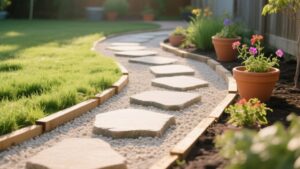
Consider down-lighting along garden pathways to guide visitors and add depth to shadows, rather than blasting the facade. Maintain scale with lanterns that match existing hardware.
Coordinate with decorative fencing and garden borders so lighting feels integrated, not separate. Thoughtful placement preserves character while improving safety and curb appeal.
Porches With Timeless Charm
Porches with timeless charm come from thoughtful details that echo the street’s history while staying practical for today’s use. You’ll fuse lighting and styling that honor age without feeling fussy.
Choose porch materials that weather gracefully and still read as cohesive with surrounding façades. A single, well-placed lantern or wall light can illuminate steps safely while highlighting architectural lines, avoiding glare that jars with historical aesthetics.
Keep glazing simple and frames in muted tones to preserve historical accuracy. If you install a bench or hanging basket, select classic shapes and durable finishes that resist weather yet feel welcoming.
Avoid trendy novelties; instead, focus on proportion, rhythm, and material harmony. Your porch then communicates character, warmth, and a respectful nod to the street’s past.
Practical Maintenance Plans to Protect Value
Protecting value in an older UK neighbourhood starts with a simple, steady maintenance routine you can actually stick to. You’ll create a calendar that covers exterior inspections, seasonal cleaning, and minor repairs before they escalate.
Set a monthly 20-minute check for gutters, downpipes, and sealant joints; address cracks in masonry or pointing promptly to prevent water intrusion.
Prioritize garden aesthetics with tidy borders, deferred pruning, and mulch to deter weeds.
Keep driveways in good repair by sealing cracks and cleaning oil spots, reducing trip hazards and boosting curb appeal through driveway enhancements.
Establish a basic tool kit and record logs of fixes, replacements, and paint touch-ups with dates.
Practice consistent, inexpensive upkeep; it protects value without demanding a full renovation.
Heritage-Friendly Colour Palettes for Frontages
Choosing the right heritage-friendly colour palette for frontages starts with observing local character and enduring materials. You’ll prioritise subtle contrasts that respect building rhythm, texture, and period features.
Begin with a restrained base—soft neutrals or muted earth tones common to the street—then select two or three accent colours that reinforce architectural details without overpowering bricks, stone, or timber.
Aim for colour harmony across facades and doors, windows, and railings to create a coherent rhythm. When you choose, consider historical palettes common to the area and test swatches in natural light at different times of day.
Document your palette selection and note how each shade interacts with weathering and growth. This approach maintains authenticity while enhancing curb appeal and long-term consistency.
Budget-Friendly Upgrades That Last
If you’re aiming for real impact without blowing the budget, start with a few durable, high-value upgrades that pay dividends over time. Prioritise low-maintenance materials for doors, fences, and paving, choosing weathered finishes that blend with older brickwork.
Introduce seasonal planting to maintain year-round appeal, selecting perennials and bulbs that reduce replanting costs while providing colour across seasons.
Create decorative borders with simple edging—think brick, timber, or recycled stone—to define kerb appeal without overhauling the frontage.
Repaint or refresh key fascia in a muted, period-appropriate palette to lift street presence without frequent repaint cycles.
Improve lighting with warm, energy-efficient options to extend evening curb visibility.
Finish with tidy, uncluttered planting beds; keep tools and detritus out of sight for a cleaner, inviting approach.
Frequently Asked Questions
How Can I Assess Local Planning Guidelines for Kerb Appeal?
To assess local planning guidelines, start by checking your council’s planning portal and local plan, then consult conservation or design guidance. Consider landscape lighting and garden design impacts, and seek pre-application advice from planners for tailored requirements.
Which Materials Best Weather Heritage Brick and Timber?
Alluring, aging brick and timber: you’ll want durable, weather-ready options. Prioritize heritage preservation and material compatibility, choosing lime mortars with brick and treated timber to withstand UK weather, minimizing movement, and maintaining authenticity while you plan repairs.
What Grants or Subsidies Exist for Historic Home Improvements?
Historic preservation grants exist, with grant eligibility varying by region and project type; you’ll likely need evidence of conservation merit, listed status, and match funding. You can apply through local authorities, heritage bodies, or renovation charities, pursuing practical, documented improvements.
How Do I Balance Modern Energy Upgrades With Period Aesthetics?
To balance modern energy upgrades with period aesthetics, you prioritize discreet insulation, efficient glazing, and smart controls, while maintaining authentic materials. Integrate garden landscaping and outdoor lighting that echoes historic forms, enhancing curb appeal without compromising energy gains.
What Maintenance Schedule Prevents Long-Term Deterioration?
Protect against decay with a clear routine: inspect roof and gutters monthly, repaint every 5–7 years, treat wood annually; but you’ll save money by scheduling landscaping ideas and fencing options maintenance quarterly, reducing long-term deterioration.
Conclusion
You stand at the gateway of a living story. Your house isn’t a page to rewrite, but a page to preserve, like a patient old bridge kept safe by gentle hands. By cleaning, mending, and choosing timeless accents, you’re stitching character into the concrete—the city’s shared memory. Let heritage guide every choice, and your porch becomes a welcoming gate that invites neighbors to linger. In steady, low-maintenance steps, you safeguard value and charm for generations.