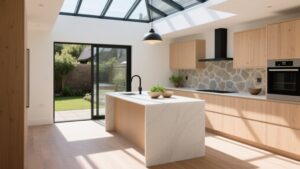
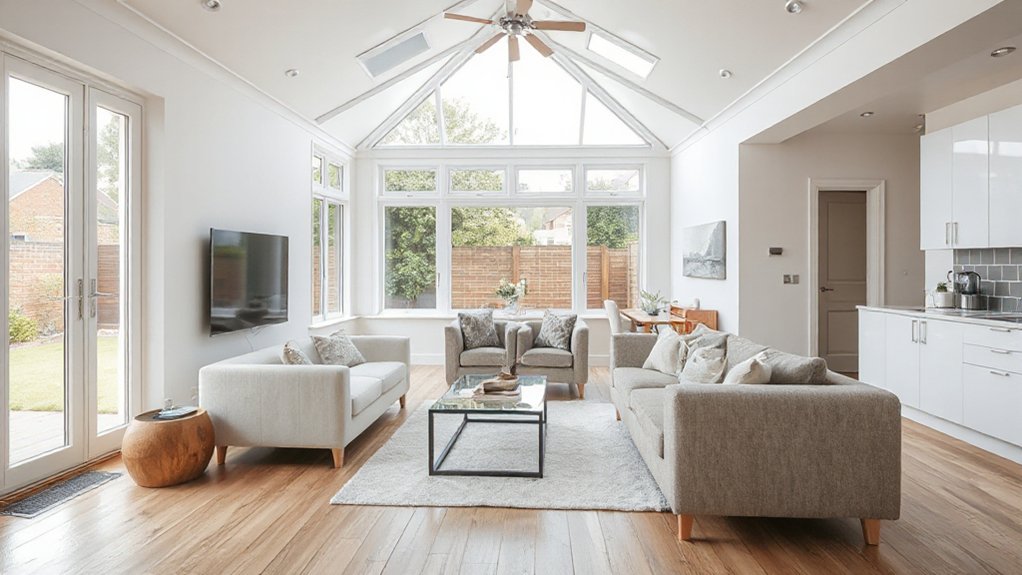
“To put it bluntly, the market rewards clarity more than decor.” You know you want a faster sale and a higher price, so you’ll weigh cost against impact for UK buyers who value first impressions, layout flow, and energy efficiency. Start with quick cosmetic updates, fix defects, and boost curb appeal, then consider smart upgrades with proven ROI. Curious which tweaks deliver the best lift in your area and how to budget for a smoother sale? Let’s map it out.
What UK Buyers Value in Homes Today
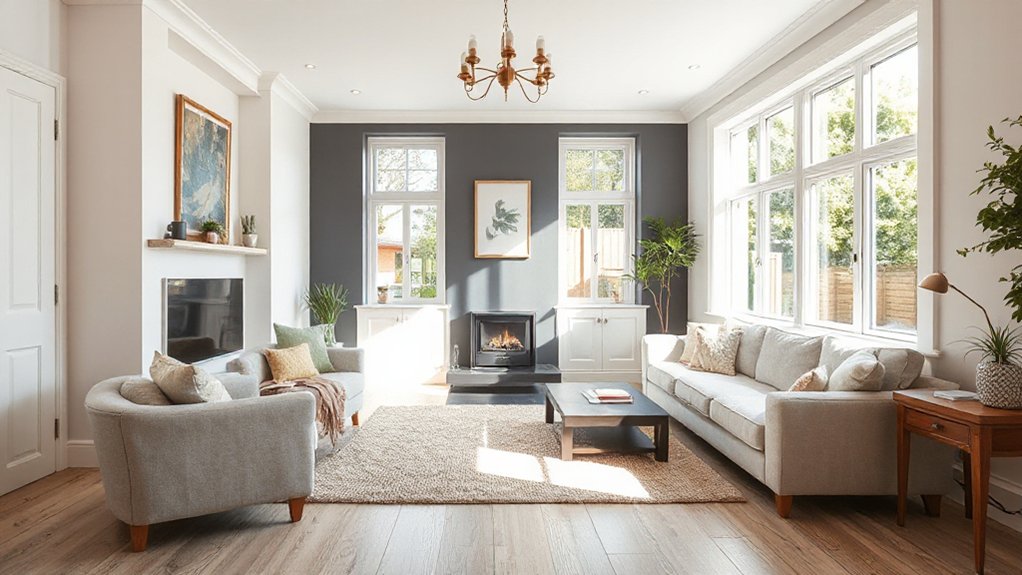
UK buyers currently prioritise practicality and costs when evaluating homes. You’ll notice that decision criteria centre on efficiency, durability, and predictable running expenses, not merely aesthetics.
Data show appetite for energy performance, heat retention, and lower maintenance burdens, with surveys indicating rising demand for modern insulation, efficient boilers, and double glazing.
You assess value by real-world implications: monthly bills, comfort, and long-term reliability.
You also weigh neighborhood amenities, such as schools, transport links, parks, and local services, which correlate strongly with resale speed and price stability.
Local market trends reveal price resilience in well-connected areas, yet volatility in oversaturated micro-markets.
Informed buyers triangulate property condition, ongoing costs, and proximity to amenities to determine true value.
Quick Cosmetic Fixes That Wow Buyers
To capture buyer attention quickly after considering practical value, start with a few high-impact cosmetic tweaks that yield real impressions of quality without breaking the bank. You’ll see faster perceived value when you upgrade lighting, refresh cabinets, and fix obvious imperfections, as these changes deliver immediate, verifiable contrasts in photos and in person.
Focus on clean, modern finishes, neutral tones, and precise fit-and-finish to raise perceived quality without major investment. Concrete wins include refreshed paint, repointed or repaired pointing, and upgraded door hardware, all of which correlate with higher buyer confidence and shorter listing times.
Garden landscaping should be tidy and low-maintenance to reduce ongoing perceptions of upkeep.
Prioritize energy efficiency touches—insulated blinds, draftproofing, efficient LEDs—to support long-term cost narratives without delaying sale.
Smart Layout Tweaks to Improve Flow
Optimising traffic flow and creating an open-space illusion can markedly boost perceived living area in UK homes.
By reorganising key routes and sightlines, you reduce wasted steps and improve movement between spaces, which data shows correlates with increased usable area.
We’ll examine practical layout tweaks that balance function with a sense of openness, ensuring every square metre feels more accessible.
Optimise Traffic Flow
Smart layout tweaks can considerably improve how people move through a home, reducing friction and supporting efficient daily routines. You should quantify flow improvements by measuring doorway widths, corridor clearances, and switchable zones that shorten average travel distances between key rooms.
Prioritize a direct route from entry to primary living areas, minimizing detours that cause delays and crowding. Assess traffic patterns during typical peak times, then reallocate furniture to maintain at least 80 cm of clearance in high-traffic zones.
Emphasize entryway design to create a clear, welcoming path, with unobtrusive storage that doesn’t block circulation. Use data from occupancy simulations or real-world traffic counts to justify changes, and document measurable gains in perceived ease of movement for potential buyers.
Focus on observable, repeatable improvements.
Open Space Illusion
Open Space Illusion builds on earlier traffic-focused tweaks by using spatial perception techniques to make rooms read as larger and more open. You’ll apply a data-driven approach to layout changes that alter perceived scale without structural work.
First, measure furniture footprint versus room area, then test different furniture arrangements for unobstructed sightlines and flow. Use lighter, neutral tones and monochromatic accents to reduce visual clutter, while maintaining contrast for depth cues.
Consider open space strategies that create room expansion cues, such as aligning seating along a single plane and extending rug boundaries to suggest continuity. Integrate built-in storage to minimize bulk and keep surfaces clear, since clutter reduces perceived space.
Compile before-and-after metrics for traffic, usage, and time-on-space to validate improvements in open space.
Budget-Friendly Upgrades With Big ROI
You’ll see how small, budget-friendly changes can yield measurable ROI, especially when prioritizing cosmetic refreshes that refresh perception without breaking the bank.
Frontline upgrades, such as efficient lighting and hardware updates, typically offer solid returns backed by data on energy savings and buyer appeal.
Pair these with budget-smart staging choices to test market response and maximize perceived value before committing to complete renovations.
Cosmetic Refresh That Pays
To maximize value without a costly overhaul, focus on budget-friendly cosmetic updates that buyers consistently reward with higher offers. In this phase, you should quantify impact using data from recent market analyses and home-improvement studies.
Prioritize surface-level changes with proven ROI: fresh paint in neutral tones, refreshed hardware, and clean, modern fixtures.
Garden landscaping matters; curb appeal drives initial impressions and can lift perceived value by a measurable margin.
Energy efficiency features, even modest ones like smart thermostats or improved insulation in accessible areas, often translate into appealing running costs and buyer confidence.
Track costs versus incremental sale price lift to avoid over-spending.
Keep documentation ready for buyers to validate improvements, reinforcing a data-driven narrative that the cosmetic refresh delivers tangible, not speculative, value.
Frontline Upgrades ROI
Are frontline upgrades worth the spend? Yes, when you prioritize ROI-driven choices that buyers notice.
In UK markets, small, high-impact updates often outperform broad overhauls. Focus on durable, inexpensive changes with broad appeal: fresh paint in neutral tones, upgraded lighting, smart thermostats, and refreshed kitchen hardware.
These frontline upgrades tend to improve perceived condition and reduce negotiation friction, translating into quicker offers and stronger valuations.
Data shows returns hinge on cost-to-value ratio: aim for upgrades that deliver a 60–75% return on investment in typical resale timelines, with variance by region and property type.
Avoid over-improving beyond the neighborhood standard.
Track costs, time-to-sell, and incremental lift in interest; measure by offer quality, not just listing photos.
Budget-Smart Staging Choices
Budget-smart staging hinges on leveraging affordable updates that move the needle in buyer perception without inflating costs. You should target high-ROI updates confirmed by data, prioritizing rooms that buyers scrutinize most, like kitchens and bathrooms. Then, pair these updates with neutral décor that broadens appeal.
DIY projects can cut labor costs while delivering visible results, provided you maintain quality finishes and finish-to-budget discipline. Focus on simple, durable upgrades: fresh paint in contemporary neutrals, efficient lighting, and decluttering to improve perceived space.
Use eco-friendly materials where feasible to attract eco-conscious buyers without adding risk. Track cost-versus-value data for each upgrade to avoid overinvesting; document before-and-after metrics to quantify impact.
Conclude with a concise, appliance-agnostic refresh plan that emphasizes cleanliness, cohesion, and perceived modernity.
Boost Curb Appeal on a Tight Budget
Boosting curb appeal on a tight budget hinges on targeted, high-impact changes rather than broad, costly renovations. You should prioritize improvements with measurable ROI and quick turnaround, guided by data on buyer first impressions and property age in the UK market.
Begin with exterior durability: repaint or refresh the front door, address peeling paint, and seal weathered thresholds. Then fix any visible cracks.
Garden landscaping should favor low-maintenance, high-contrast elements that frame the entrance and walkway without overspending.
Invest in exterior lighting to extend usability and highlight key features at dusk, using energy-efficient fixtures with dimmable options.
Combine these steps with clean fascias, refreshed house numbers, and tidy boundaries to maximize perceived value without overinvesting.
Warmer Lighting: Floor and Ceiling Upgrades
So, how does warmer lighting through floor and ceiling upgrades affect perceived value and buyer appeal? Upgrading fixtures and finishes to emit a soft, warm spectrum can improve perceived room size by reducing harsh shadows and creating a cohesive lighting scheme.
Data from property listings shows homes with controlled ambient glow often command higher view-to-offer ratios, as lighting ambiance signals modern upkeep and attention to detail.
Floor upgrades—matte oak, engineered timber, or warm laminate—reduce wear visibility and enhance continuity. Meanwhile, ceiling treatments like coving or recessed warm LEDs minimize glare and create depth.
Together, these changes support quicker viewings and stronger first impressions, translating into quantified boosts in perceived quality without substantial structural costs.
Kitchen and Bathroom Tweaks That Save You Money
You can start with budget-friendly kitchen upgrades that deliver noticeable returns by focusing on cost per watt, water, and workflow improvements.
Modernize a bathroom on a budget by prioritizing high-impact changes like fixtures and efficient layouts, guided by cost-to-value data.
This discussion will weigh upfront costs against long-term savings to identify the most cost-effective tweaks for UK homes.
Budget-Friendly Kitchen Upgrades
Are there cost-efficient ways to refresh a kitchen without a full remodel? Yes, and data suggests small changes can yield measurable value. Focus on high-ROI updates: hardware swaps, cabinet liners, and energy-efficient lighting.
Replacing outdated pulls and knobs with modern, neutral finishes can transform surfaces without major costs, typically returning a solid resale premium. You’ll see stronger impact from upgrades that are visible at a glance, rather than minor under-cabinet tweaks.
Consider vintage appliances as a design accent rather than practical replacements; they set a character cue without sacrificing efficiency if paired with modern cores. Statement lighting should highlight zones and draw attention to key features, boosting perceived quality.
Track costs and expected uplift, then prioritize updates with the clearest value-to-cost ratio.
Modernize Bath on a Budget
Considerable savings can come from targeted, budget-friendly bathroom updates that deliver visible value without a full remodel. You’ll maximize impact by prioritizing high-ROI changes supported by data: replace dated fixtures with efficient models, refresh with neutral tiles, and update lighting to improve perceived space.
Avoid overhauls; instead, choose cost-effective upgrades that enhance durability and energy efficiency. Track costs and expected resale lift from sources like UK property reports to validate choices.
Subtle design tweaks can yield measurable appeal; for instance, frameless glass or a simple vanity upgrade often outperforms cosmetic overhauls. Integrate timeless details—such as vintage charm elements—while maintaining practicality.
Consider garden landscaping context for curb-to-bathroom cohesion, ensuring the bath area complements exterior presentation without excessive spend.
Smart Staging and Decluttering for Buyer Impressions
Smart staging and decluttering are proven to shape buyer impressions quickly, as data show that well-organized spaces with neutral appeal can boost perceived value and reduce time on the market.
You should quantify rooms, remove personal clutter, and use cohesive finishes to create a balanced flow.
Systematic decluttering reduces cognitive load for buyers, shortening decision time and increasing confidence in value.
Pair staging with light, neutral color palettes and strategic furniture placement to enhance space perception and traffic patterns.
Include features that signal energy efficiency, such as visible insulation or efficient lighting, while avoiding overstatement.
When planning outdoor appeal, guarantee garden landscaping appears low-maintenance yet polished, complementing interior clarity.
A data-driven, consistent presentation aligns buyer expectations with asking price and shortens time on market.
Planning and Budgeting for a Faster Sale
Planning and budgeting for a faster sale hinges on translating data into actionable steps. You should baseline performance using recent market comps, time-on-market metrics, and kitchen, bathroom, and exterior appeal scores.
Allocate budgets by ROI-focused categories: quick fixes with proven impact, like sealant and painterly refreshes, plus targeted improvements in energy efficiency and home security.
Estimate costs, expected value uplift, and break-even timelines, then align with a strict holds-barred timetable to curb over-spending.
Prioritise updates that shorten days-on-market without triggering overpricing.
Track stakeholder inputs, supplier quotes, and completion milestones in a single dashboard.
Incorporate energy efficiency upgrades conservatively when the payback window remains compelling.
Maintain transparent records to justify pricing strategy and avoid last-minute, ad hoc changes.
Timing Strategies to Maximise Sale Price
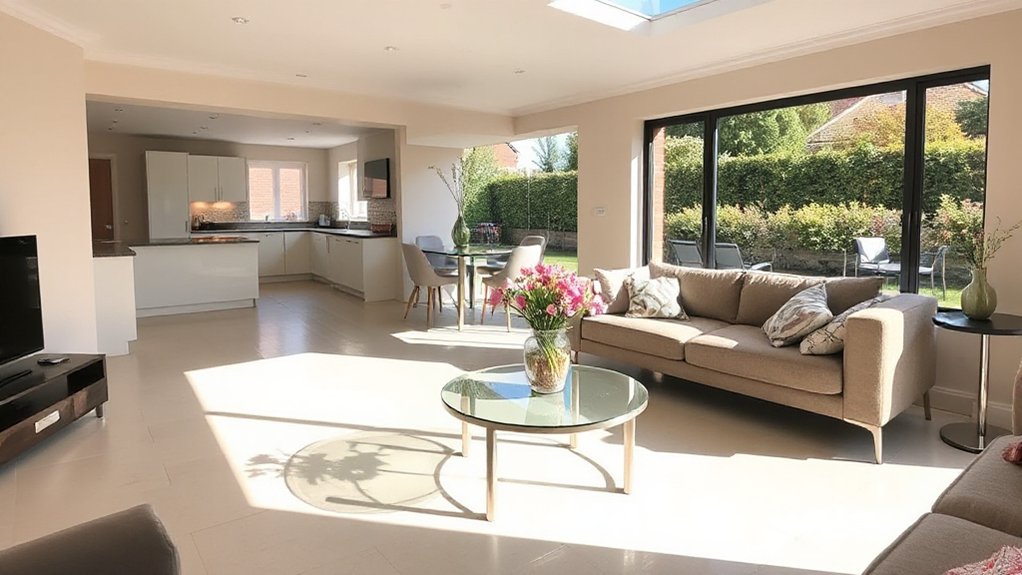
Timing can be optimized by aligning listing dates and pricing with market signals and buyer behavior, then testing and adjusting based on real-time data. You should base decisions on observable indicators like listing velocity, contact-to-view ratios, and price concessions, not intuition alone.
Use market timing to sequence improvements and price bands that reflect current demand, not past hype. Compare data across weeks and months to identify patterns in buyer interest and days-on-market.
Consider seasonal trends: fewer buyers in deep winter may slow activity, while spring typically boosts engagement.
Align pricing with up-to-date comps and adjust promptly if traffic dips or offers lag. A disciplined, evidence-driven approach reduces time on market and maximizes sale price.
Monitor dashboards regularly and recalibrate strategies as conditions shift.
Frequently Asked Questions
How Long Do Common Upgrades Actually Take From Start to Finish?
A typical kitchen remodel takes 3–8 weeks, while bathroom upgrades span 1–3 weeks, depending on scope. You’ll finish faster with prefabricated elements, concise timelines, and staged renovations, but expect delays from permits, supply shortages, and trades coordination.
What Are Hidden Costs Buyers Might Notice Post-Upgrade?
Staging techniques reveal hidden costs buyers notice post-upgrade, like lingering furniture mismatch or staging wear. You’ll see landscaping improvements and related maintenance creep, so you must audit expenses, quantify depreciation, and track ROI to avoid surprises.
Do Energy-Efficient Fixes Add Resale Value in the UK?
Energy-efficient fixes often boost resale value in the UK, you’ll gain faster sales and higher perceived quality. Sustainable materials appeal to buyers, while Renewable incentives can offset costs, improving ROI; quantify via energy ratings, local grants, and market trends.
Should I Prioritize Property Surveys Before Renovations?
Should you prioritize property surveys before renovations? Yes, you should. Surveys guide cost-effective choices, reducing risk and wasted work. Property staging informs appeal, while market timing shapes ROI. Do you value data-driven decisions over guesswork in renovations?
Which Small Upgrades Deter Buyers From Negotiating Price?
Yes—invest in curb appeal and interior staging, since minor upgrades like fresh paint, improved lighting, and decluttering reduce negotiation room. You’ll boost perceived value with data-driven improvements rather than costly renovations.
Conclusion
You’ve got a clear playbook: fix what’s visible, boost efficiency, and present a calm, move-in feel. Data shows quick wins—fresh paint, decluttering, and curb appeal—deliver faster buyer interest with solid ROI. Smart layouts and minor upgrades stack value without breaking the bank, while staging reduces perceived clutter and length on market. To close, plan and track costs against expected lift; timing matters, and disciplined execution nearly always correlates with stronger offers. In short, a focused, data-driven approach pays off.