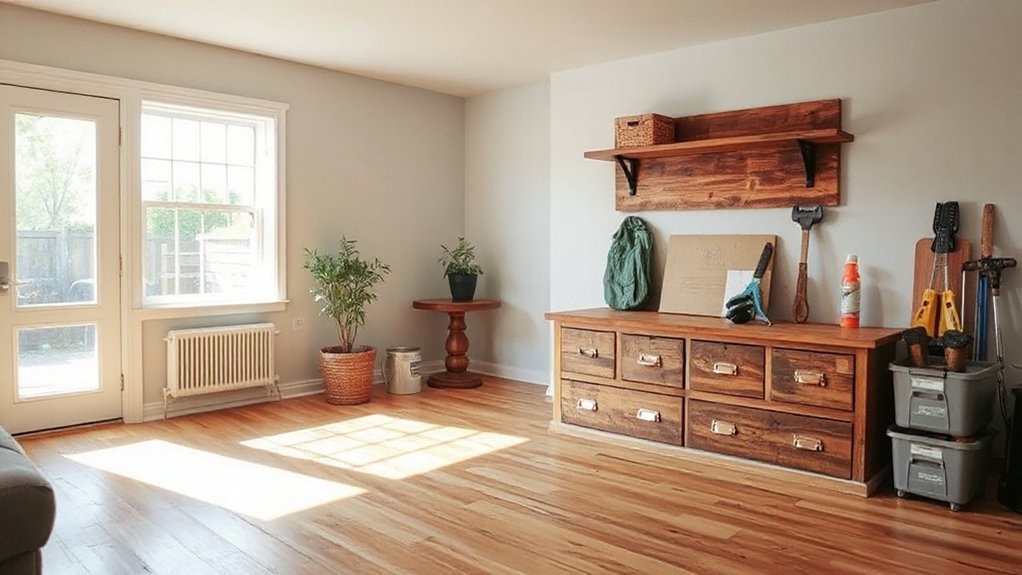
Like a sturdy brick forged in quiet heat, your plan for a semi‑detached reno must withstand swings in cost and time. You’ll set clear goals, pin a realistic budget with a 10–15% contingency, and prioritize high-impact upgrades that you can DIY. Track every expense, compare quotes, and build local supplier relationships. When to hire a pro, what to ask for, and where to save—these choices will shape the outcome, and the next move hinges on your next prudent step.
Define Your Renovation Goals and Realistic Budget
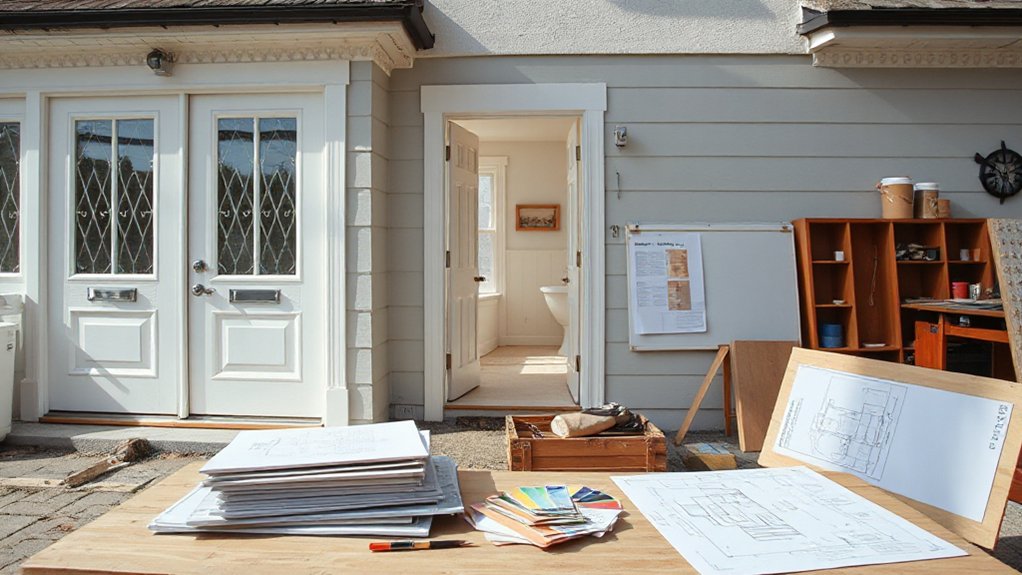
To start, set clear renovation goals that align with your lifestyle and the home’s layout, then translate those goals into a realistic budget you can actually stick to. You’ll map priorities to avoid scope creep, focusing on durable, high-impact choices.
Define what you must achieve in each space—flow, storage, light, and function—so decisions stay concrete. Establish a cap for each category: demolition, structural updates, finishes, and contingency.
When evaluating color schemes, pick palettes that maximize perception of space and resale value, not just trend.
Plan furniture placement early, sketching layouts that optimize traffic and seating without overbuying.
Build in a 10–15% contingency for surprises, and document every cost to track vs. plan. Revisit goals quarterly to keep progress aligned with budget and lifestyle needs.
Identify High-Impact Areas That Improve Daily Living
Start with Smart Storage Wins to reduce clutter and free up usable space without a full remodel. Tackle Everyday Comfort Fixes first—think quick fixes like better lighting, door thresholds, and accessible outlets that cost little but feel big in daily use.
Prioritize changes that streamline routines and high-traffic zones, so you’ll see daily value without blowing your budget.
Smart Storage Wins
Smart storage wins when you focus on high-traffic areas and everyday tasks, because the right systems free up mental energy and keep the house livable on a budget. You’ll gain momentum by mapping each room’s daily routines and carving out dedicated, reachable spots for essentials.
In the kitchen, install wall hooks, under-cabinet bins, and a labeled pantry bin system to streamline prep and reduce waste.
In living zones, choose modular furniture that doubles as storage, like ottomans with hidden compartments and coffee tables with drawers.
For bedrooms, use multifunctional storage under beds or raised platforms.
In closets, add adjustable shelves and labeled bins.
Prioritize items you use weekly, and migrate surplus into clear, stackable containers to maintain order.
Everyday Comfort Fixes
If you want daily comfort without blowing your budget, focus on high-impact zones where small tweaks make big differences: thresholds, doorways, and surfaces that you touch most.
Prioritize easy wins: a doorstop or weatherstripping to quiet drafts, a plush rug to tame cold floors, and well-placed lighting near entry points.
Reorganize furniture arrangement so high-traffic paths stay clear and seating invites conversation without crowding.
Choose durable, easy-clean finishes for frequently used surfaces, then add color schemes that boost mood without costing a fortune—soft neutrals with a bold accent wall or chic cabinet fronts can transform rooms instantly.
Use rugs, curtains, and cushions to add warmth without full remodels.
Tweak height and reach: accessible switches, lever handles, and reachable storage reduce daily friction.
Create a Realistic Timeline With Milestones
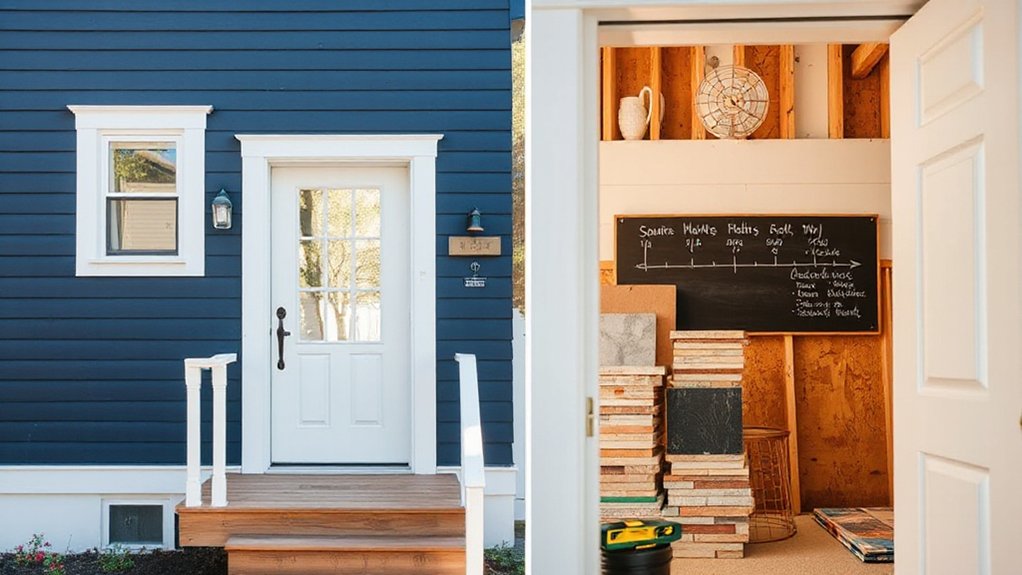
Creating a realistic timeline with milestones starts with a clear, cost-conscious plan that mirrors your renovation goals. You map tasks by priority, scope, and season, then assign fixed windows and guardrails to prevent scope creep.
Break the project into phases: prep, structural tweaks, finishes, and final touches, each with a budget cap and a deadline. Build in buffers for weather, supplier delays, and approvals, but keep them tight to avoid stagnation.
Track progress weekly, adjusting milestones if costs shift by more than 10%. Include practical pre-purchase checklists: paints, materials, and labor availability.
Don’t overlook garden landscaping and exterior paint as early indicators of pacing—these decisions influence weather and access for subsequent trades.
End with a review step to confirm budget alignment and timeline feasibility.
Audit Your Home for Energy and Space Efficiency
Start by auditing your gaps in insulation, sealing doors and windows to cut drafts and save on heating.
Look at how you can boost natural light without increasing cooling load, using smarter placement and window treatments.
Then map your space into zones so you only heat or cool areas you use, focusing on tightest controls first for the biggest payoff.
Tighten Insulation Gaps
To reduce energy waste in a semi-detached home, start by auditing for gaps where cold air sneaks in and warm air slips out. Inspect around doors, electrical outlets, and attic access hatches, then seal obvious cracks with caulk or foam. Check wall cavities behind switches and outlets, adding foam inserts where needed.
Address stairwell and basement transitions with weatherstripping on doors and proper thresholds. Prioritize exterior sealing: seal along siding seams, around vents, and at fascia edges to reduce drafts.
For living spaces, install draft guards under doors and use window treatments that curb heat loss at night. Use budget-minded fixes first, then monitor bills to verify savings.
Tightening gaps minimizes condensation risk and improves comfort without major renovations.
Streamline Natural Light
If you want to brighten spaces without boosting energy bills, streamline natural light by auditing how sunlight enters and how it’s managed inside. First, map each room’s light timing and glare hotspots, noting where blinds or curtains cast shadows instead of enhancing depth.
Next, test window treatments for efficiency: choose insulating drapes or cellular shades that soften sun in hot months and open to flood rooms in winter. Consider interior lighting as a supplement, but rely on daylight wherever possible—position mirrors opposite windows to bounce light deeper, and keep furniture off windows to prevent obstructing sun.
Finally, install simple controls—manual or smart dimmers and timers—to align interior lighting with daylight. This keeps interior lighting effective while guarding on energy costs.
Optimize Thermal Zoning
Smart budgeting means zoning your home for heat where it’s needed and cooling where it’s not. Start with a practical audit: identify rooms that waste energy due to shared walls, doors, or poor insulation.
Map a simple zoning plan using existing thermostats or smart sensors, prioritizing high-traffic areas and occupiable spaces. Implement thermal insulation improvements first in gaps around outlets, pipes, and attic hatches, then target windows with weatherstripping or low-cost film.
Use zoning strategies that couple HVAC zones with door management—keep doors closed in unused rooms to prevent heat loss in winter and heat gain in summer. Leverage ceiling fans and portable heaters to balance load without overspending.
Regularly review energy bills to confirm savings and adjust as needed.
Smart Shopping: Durable Materials at Fair Prices
Looking for durable materials that don’t bust your budget? Smart shopping means knowing where to look and what to compare. Start by defining the project scope and acceptable performance, then pin down a few core choices (flooring, insulation, siding) that meet both durability and price targets.
Prioritize products with proven warranties and low lifecycle costs rather than the flashiest options. Compare like-for-like specs, and don’t be swayed by hype; request samples, test finishes, and read independent reviews.
Tap into Eco friendly materials when feasible, checking for recycled content or renewables, but weigh the long-term savings. Local suppliers can cut transport costs and support reliability; build relationships, negotiate bulk pricing, and verify lead times before ordering.
DIY Tactics That Save Time and Money
Getting practical about DIY can cut both time and money after choosing durable, cost-effective materials. You’ll plan in phases, not marathons, so you don’t burn fuel duplicating work. Use common, reversible fixes first, like paintable panels and peel-and-stick backsplashes, to speed upgrades without specialty trades.
Buy bulk where possible and match hardware finishes to minimize trips to the store. Create a simple, repeatable workflow: prep, install, finish, inspect. Keep a running checklist to avoid backtracking, and label small parts to prevent misplacement.
Creative decor can come from inexpensive, re-purposed items—trim, frames, or fabric scraps—saving cash while adding character.
Gardening tips: plant natives in corners to curb maintenance and mulch borders to reduce growth costs. Stay disciplined, measure twice, and weatherproof enclosures before sealing.
When to Hire a Pro and What to Look For
You’ll know when to hire a pro by balancing time, cost, and risk: if a task requires specialized tools, structural changes, or code-compliance that you’re not equipped to handle, bring in an expert sooner rather than later.
Before you hire, define scope, timeline, and a realistic budget. Look for clear bids, detailed work plans, and a proven track record with similar projects. Check references and verify licenses where required.
Ask about permits, inspection milestones, and warranty coverage. When you discuss safety, address safety regulations, site access, and liability.
Favor contractors who communicate milestones, potential cost drivers, and phased payments aligned with progress. Don’t assume the lowest bid is best; prioritize reliability, transparency, and compatibility with your renovation goals to avoid costly rework.
Lightweight Makeovers That Feel Brand-New
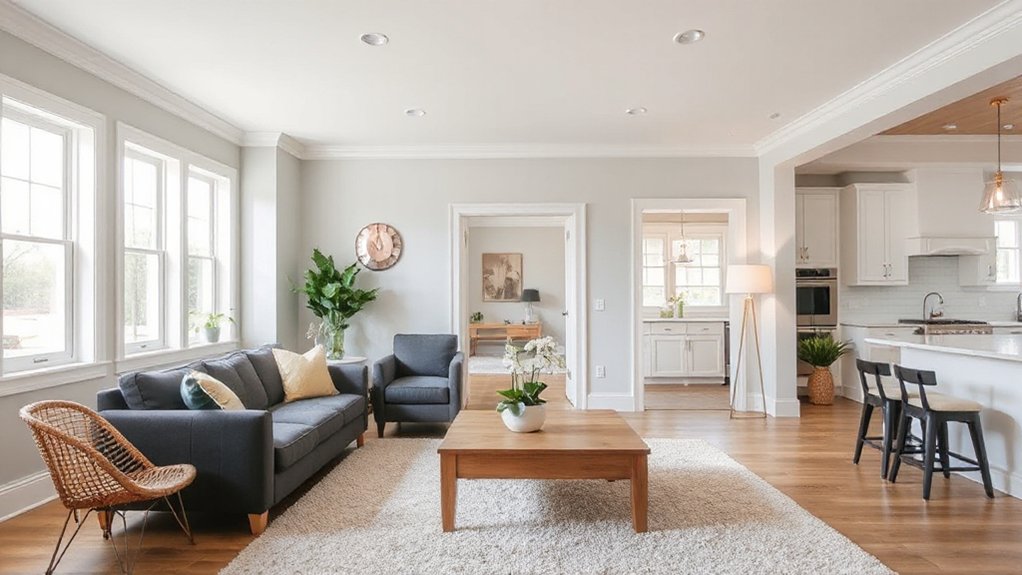
Small, smart updates can refresh a semi-detached home without a big price tag, and the goal is to maximize impact with minimal disruption. You’ll pursue lightweight, high-visibility changes that elevate feel without major construction.
Begin with cosmetic fixes: fresh paint in neutral tones, streamlined trim, and updated hardware on doors and cabinets. Swap dated lighting for energy-efficient LEDs and install dimmers to adjust mood without a remodel.
For exterior updates, pressure-wash siding, replace weathered shutters, and add a modest awning or outdoor rug to signal care.
Introduce vintage charm with period-appropriate fixtures or hardware, avoiding full replacements where possible.
Use removable decor accents, like mirror panels or wallpapered panels, to test style.
These strategies deliver brand-new vibes while preserving budget and practicality.
Track Costs and Proactively Keep the Project on Budget
To keep the project on budget, track costs from day one and set a practical spending cap for each phase. You’ll set baseline estimates for materials, labor, and permits, then monitor against actuals daily. Use a simple ledger or app to log purchases, invoices, and change orders, updating forecasts as work progresses.
Identify cost drivers early—windows, electrical, plumbing—and compare quoted vs. actual prices to spot overruns. Schedule weekly budget reviews with your team, and approve changes only with documented justification.
Build a contingency, but treat it as smoke-tested; reallocate it before compromising essential scopes. Watch for Budget pitfalls like scope creep, delayed approvals, or rushed purchases.
Practice disciplined Cost tracking, adjust plans promptly, and keep stakeholders informed to sustain momentum and financial control.
Frequently Asked Questions
How Do I Prioritize Renovations for Resale Value?
Prioritize high-impact,low-cost projects that buyers notice first. Start with cosmetic fixes, then improved kitchens and baths for resale value. Focus on Interior upgrades and Landscaping enhancements, updating curb appeal, lighting, and durable finishes to maximize perceived value. Budget carefully.
What Financing Options Minimize Long-Term Debt?
You should choose financing with lower interest and flexible terms to minimize long-term debt. Picture interior lighting upgrades guiding your budget, while exterior landscaping boosts curb appeal. Prioritize cash-friendly options, streamlined plans, and transparent costs to stay practical.
Which Permits and Approvals Are Essential Upfront?
You must obtain Building permits and verify Zoning regulations upfront, ensuring plans align with local codes, setbacks, and noise rules; budget for permit fees, inspections, and potential variances, and keep documentation ready for quick approvals throughout the project.
How Can I Plan for Unexpected Cost Overruns?
If you ignore overruns, you’ll regret it; imagine a small kitchen rehab where budget tracking saved you $2,000. You plan for overruns by contingency funds, track every line item, and guarantee clear Contractor selection and approvals.
What Small Changes Yield the Biggest Daily Comfort Gains?
You’ll boost daily comfort with simple changes: swap harsh bulbs for warm LEDs, add dimmable interior lighting, and create cozy zones. Prioritize Garden landscaping with low-maintenance plants; plan smartly, track costs, and reuse existing furniture for flexibility.
Conclusion
You’ve got a game plan: goals, budget, and a phased timeline. Stick to high-impact updates, DIY where safe, and vet pros for the rest. Track every dollar, compare quotes, and keep a 10–15% contingency for surprises. Source durable, fair-priced materials and lean into energy and space wins. Stay disciplined—stop scope creep before it starts. As the old saying goes: a penny saved is a penny earned, and your comfort will pay you back in daily living.