
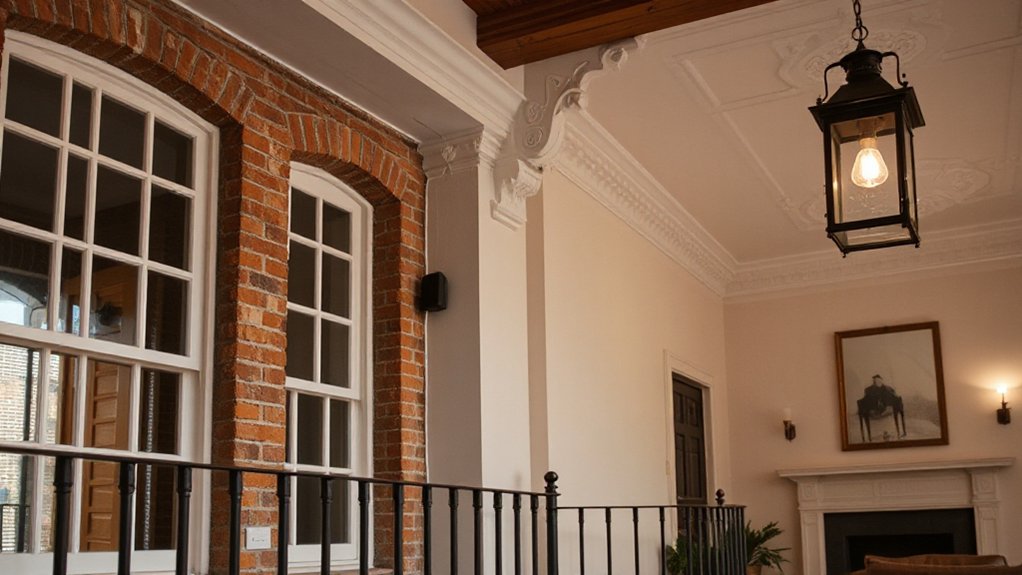
Like a carefully kept diary, your Victorian terrace holds clues to both past and present. You’ll preserve sash windows, cornices, and brickwork while updating wiring, insulation, and lighting with restraint. Use warm neutrals and clean lines that respect scale, and plan layouts that honor traditional flows. The aim isn’t bold trouble, but quiet confidence; the next steps reveal how to blend new comfort with authentic character—if you’re prepared to balance history with modern life.
Identify Victorian Charm: Core Features to Preserve in Modernisation
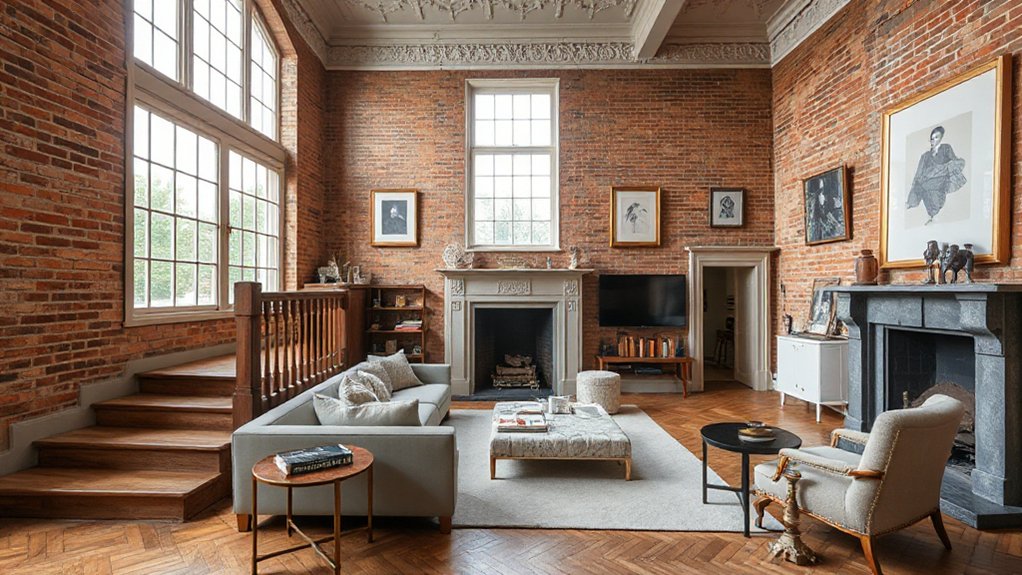
To preserve Victorian charm while modernising, identify the core features that define the era’s character and plan around them. You assess structural rhythm, proportions, and detailing that signal Victorian architecture, focusing on typical bay windows, cornices, brickwork, and sash windows.
Your aim is period authenticity in sensory cues: light, texture, scale, and ornament that endure under contemporary use. Document floor-to-ceiling heights, room adjacencies, and ceiling rose placement to guide layout choices without erasing character.
You prioritize craftsmanship cues like mouldings, decorative brackets, and symmetric façades, ensuring new interventions respect materiality and joinery. Gauge color palettes, masonry treatments, and ironwork to align finishes with historical palettes.
How to Restore Original Features With Barely-There Updates
Restoration should anchor itself in fidelity to the originals while letting the home perform for today. You restore original features with barely-there updates by prioritising historical accuracy and reversible interventions.
Start with documentation: photograph details, dimensions, and any patina that conveys age. Use preservation techniques that respect craft traditions—timber joinery, lime mortars, and compatible paints—so later reversals remain feasible.
Air gaps and modern fixes should be concealed within existing profiles, not visible as repairs. When glaze, plaster, or mouldings require attention, match profiles precisely and maintain hand-finish textures.
Avoid over-restoration; keep wear patterns intact to preserve resonance. Test any intervention on inconspicuous areas first, ensuring that the feature remains legible and stylistically coherent with the original period.
Choose Materials and Lighting to Add Warmth Without Clutter
Carefully select materials and lighting that warm a Victorian terrace without creating visual clutter. You should prioritize materials with gentle textures and muted sheens, avoiding high-gloss finishes that reflect space.
Opt for warm neutrals in fabrics and wallpapers, calibrated to contemporary color palettes, so historical rooms read as cohesive yet current.
Use lighting that layers: a dimmable central fixture, task lamps, and wall sconces to sculpt depth without busy patterns. Choose concealed wiring and slim shades to reduce visual noise while maintaining ambience.
Pair these choices with Minimalist furniture that respects proportion and line, avoiding ornate clutter. Keep echoes of period character—paneling, cornice details, and period hardware—while the overall palette and form remain restrained, crisp, and thoughtfully integrated.
Plan Modern Layouts That Respect Victorian Proportions
Even so, plan modern layouts that respect Victorian proportions by anchoring spaces to the room’s inherent geometry and circulation. You’ll prioritise clear axes, preserving the corridor rhythm and sightlines that define Victorian architecture.
Orient primary living areas to face natural light while maintaining measured column spans and ceiling heights that read as proportionate rather than cramped. Use partial partitions or level changes to delineate functions without disrupting flow, ensuring doorways align with mouldings and fireplace foci.
Employ built-in storage and seating along existing cornices to maintain vertical emphasis and airiness. Let scale be guided by historical room ratios, not merely current trends, so you retain Period authenticity while enabling contemporary use.
Precision in detailing and material progression reinforces authenticity, supporting a coherent, legible Victorian architecture-inspired plan.
Budgeting and Planning to Protect Character: Expert Tips
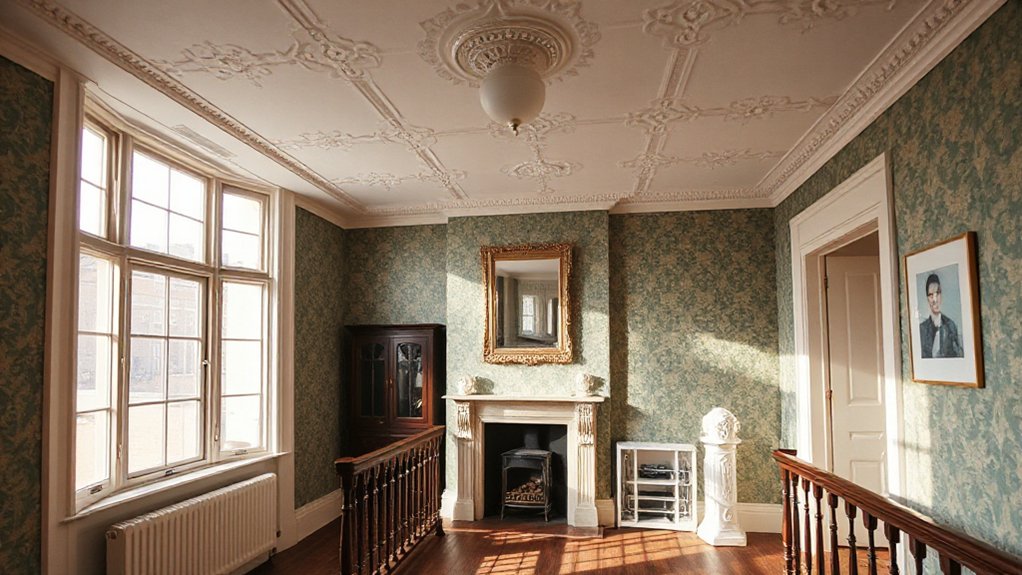
Balancing budget pressures with character preservation starts with a clear, evidence-based plan: identify which period details matter most—such as cornice lines, sash windows, and room proportions—and set spending priorities that support those anchors before other upgrades.
You’ll document historical authenticity risks and quantify costs for each feature, prioritizing repairs or replacements that retain original geometry and finish. Use a preservation techniques approach: conserve existing materials where feasible, source period-appropriate substitutes, and avoid over-modernization.
Build a phased budget with contingencies and milestones aligned to statutory or conservation guidance. Track outcomes against design briefs, adjusting scope to protect essential character while delivering functional upgrades.
This disciplined method minimizes waste, preserves integrity, and guarantees transparent, evidence-based decision-making throughout the project.
Frequently Asked Questions
How to Balance Modern Tech With Period Authenticity Discreetly?
You should integrate smart technology carefully, prioritizing discreet wiring solutions and unobtrusive devices that mimic period detailing, while preserving drafty charm; calibrate systems to minimize visible conduits, and document installation to support authentic late‑Victorian aesthetics.
What Are Common Hidden Costs When Preserving Victorian Charm?
Hidden expenses often arise from preservation challenges, you’ll encounter unseen surveys, specialist trades, and remediation costs. You’ll need meticulous budgeting, built-in contingencies, and documented records to avoid overruns while maintaining historical integrity and structural safety.
How to Handle Repainting While Maintaining Original Color Palettes?
Color preservation guides you: you recoat with breathable primers, then carefully match historic hues. Juxtapose new finishes against original plaster for contrast, and document palette selection rigorously to maintain authenticity while accommodating modern wear and care.
Can Contemporary Furniture Fit Without Overwhelming Small Rooms?
Contemporary furniture can fit if you optimize furniture placement and maintain clear sightlines, choosing compact pieces and multi-functional units. Prioritize color coordination, light hues, and subtle contrasts to preserve Victorian charm while avoiding visual clutter in small rooms.
What Permits or Regulations Affect Victorian Terrace Renovations?
Statistically, 60% of homeowners win approvals when they consult early. You must follow historic preservation guidelines and building codes, securing approvals from planning authorities and conservation officers before renovations. You’ll document changes to satisfy historic preservation, comply with building codes.
Conclusion
You can modernise a Victorian terrace without erasing its soul by preserving sash windows, brickwork, and cornices, then layering discreet tech and warm neutrals. Prioritise repair over replacement, map traditional flows, and choose furniture with clean lines that respect scale. Use concealed wiring and thoughtful lighting to add depth without clutter. Think of tradition as a foundation you build upon—like a well-turnished time capsule that feels current, inviting, and subtly transformative. It’s a quiet, confident renovation, preserving character with purpose.