
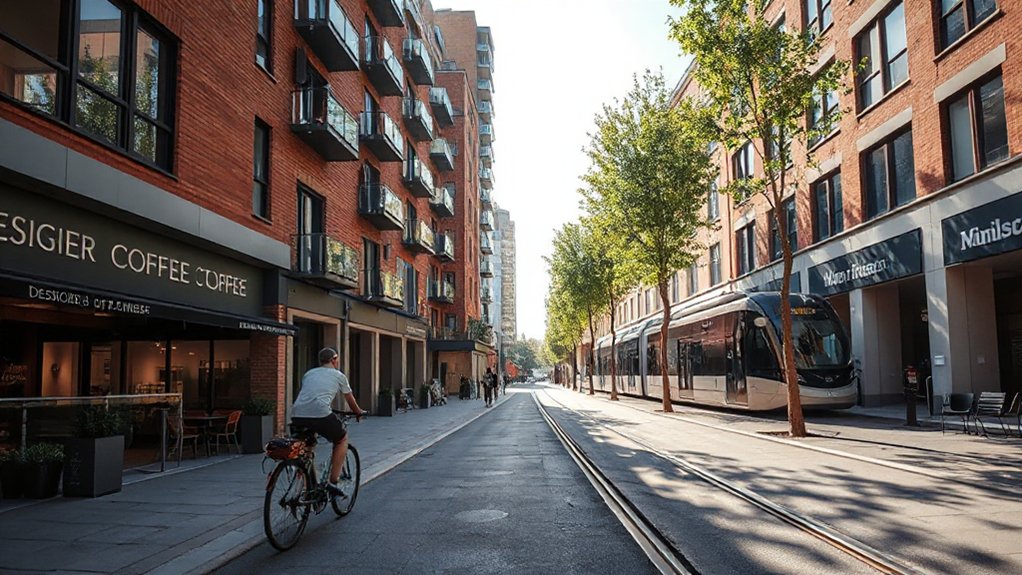
Take Ancoats, where a new grad might land a compact studio for about £1,000 a month and still grab coffee within a five-minute walk. You’ll judge neighborhoods by commute times, rent bands, and the density of coworking spaces that match your pace. Manchester’s mix—Ancoats, Northern Quarter, Spinningfields—offers affordability, culture, and corporate proximity, but the best fit hinges on your own balance of cost, convenience, and social energy. Curious how your priorities align with these tradeoffs?
Define What Matters for Early-Career Movers in Manchester
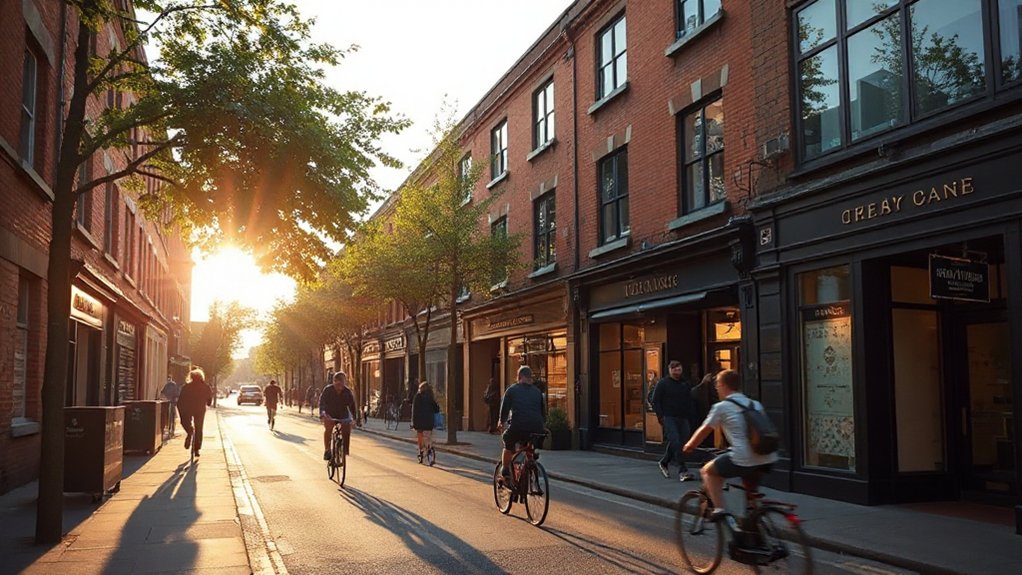
For early-career movers in Manchester, the factors that matter most are affordability, commute time, and access to opportunities. You’ll prioritize neighborhoods with lower rents relative to similar cities, plus housing density that balances space and convenience.
Shorter commutes boost productivity, so map transit options, bike lanes, and typical trip times to core business districts.
Access to opportunities means proximity to networking hubs, coworking spaces, and employer clusters in tech, finance, and creative sectors. Consider local data on job growth, startup activity, and sector mix to forecast career trajectories.
Community engagement and cultural diversity signal inclusive ecosystems where collaboration thrives, mentorship connects, and ideas cross-pollinate.
Use metrics—cost per square foot, transit reliability, and demographic variety—to compare options with precision.
Manchester Neighborhoods by Commute and Budget (Top Picks)
Manchester’s top picks balance budget-friendly rents with quick access to core business districts, transit, and coworking hubs. You’ll prioritize neighborhoods with short commutes to Manchester’s media and finance hubs, plus reliable tram and rail links.
In this data-driven view, look for submarkets offering rent relief without sacrificing proximity to coworking spaces and networking events. Compare average monthly costs, walkable corridor access, and peak-time travel times to key districts like Spinningfields, Deansgate, and Piccadilly.
Expect mixes of affordable flats near vibrant social scenes, plus compact studios near amenity clusters. Local dining hotspots and cultural event venues cluster around transport hubs, enhancing after-work appeal.
Your top picks balance value, speed, and social opportunities for sustained professional momentum.
How to Evaluate a Neighborhood: Transit, Safety, and Amenities in Practice
Evaluating a neighborhood in practice means testing claims with real-world signals: transit reliability, safety indicators, and the availability of convenient amenities. You’ll want objective metrics: on-time performance, average wait times, and frequency of service during peak hours.
Safety shows up in crime rates, lighting quality, and visible policing outcomes, so compare these across blocks you’d actually use. Amenities translate to proximity to essential services, grocery density, and walkable access to local dining options.
When you map an area, plot transit nodes against nightlife, parks, and quiet workspaces to gauge balance. Track concrete data from municipal dashboards and resident surveys, then corroborate with recent changes like new routes or safety programs.
Don’t overlook community events, which signal neighborhood cohesion and potential networking opportunities for young professionals.
Daily Life in Manchester: Work Spots, Travel Times, and Social Scenes
Manchester life for young pros blends quick commutes, flexible work spots, and a vibrant social scene. You’ll optimize daily routines with 15–25 minute averages between key districts, data showing peak travel dips after 9:30am.
Work spots mix high-speed wifi hubs, nontraditional spaces, and short-term memberships in coworking clusters across Salford Quays, Ancoats, and the Northern Quarter.
Your commute options include tram, cycle, or bus routes, with predictable delays under 10 minutes during off-peak hours.
Social life centers on rotating events, after-work meetups, and rotating pop-ups, plus a steady stream of local cafes and casual venues.
For outdoor activities, you’ll find parks and canals within a 15–20 minute radius, supporting balanced work–life rhythms and cadence.
Renting Smart: Price Ranges, Leases, and Planning Your Budget

Renting smart means targeting price bands, locking in favorable lease terms, and budgeting for predictable costs. You’ll want to map typical monthly rents by Manchester districts, noting that central zones skew higher but offer shorter commutes.
Factor in utilities, council tax, and insurance to form an all-in monthly figure. Compare leases for length, renewal options, and mid-term flexibility; shorter terms may cost more but protect you during rapid moves.
Prioritize buildings with transparent fees and clear maintenance responsibilities. Look for luxury amenities that actually save time or money, like in-building gyms or coworking spaces, and consider pet friendly policies if you have a furry roommate.
Data shows affordability hinges on upfront deposits and negotiation, so push for reduced fees and a fair rent review schedule.
Frequently Asked Questions
Which Manchester Neighborhoods Offer the Best Job Networking Scenes?
You’ll find the strongest job networking scenes in Northern Quarter and Spinningfields, with frequent meetups at cultural hotspots and near nightlife districts, where startups, firms, and mentors cluster, boosting connections and interview chances through data-driven, targeted events.
How Does Postgrad Housing Eligibility Impact Options for Movers?
Postgrad housing eligibility shapes options: if you don’t meet criteria, you’ll miss subsidized rates and preferred locations. Imagine a ladder: each rung marks eligibility thresholds—postgrad housing, income caps, visa rules; you climb by meeting criteria to access better options.
What Is the True Cost of Living Beyond Rent in Central Manchester?
The true cost of living in central Manchester, beyond rent, centers on groceries and public transportation expenses, totaling roughly £300–£450 monthly for a single person, depending on shopping choices and commute patterns.
Which Areas Balance Quick Commutes With Affordable Leases?
Areas offering quick commutes with leasing affordability include Ancoats, Ardwick, and Salford districts. You’ll balance public transport access, steady schedules, and sensible rents, structuring savings, commuting time, and lifestyle with data-driven decisions.
How Do Seasonal Events Affect Social Life Near Work Hubs?
Seasonal events boost your social life near work hubs by offering quick, dense opportunities: community festivals and seasonal nightlife create dependable peaks in meetup frequency, networking, and after-work activities you can slot into without long planning.
Conclusion
Manchester’s best bets for young pros aren’t secret: Ancoats, Northern Quarter, and Spinningfields blend killer commutes with culture. You’ll save on rent without skimping on buzz, hops, and coworking. Transit times? predictable. Safety? solid. Amenities? abundant. But sure, you’ll miss your fantasy Hyde Park flat—until you realize you saved for a sassy, data-backed upgrade. In short: move smart, live well, survive the coffee-fueled week, and pretend the hustle isn’t a stats chart you’re happily plotting.