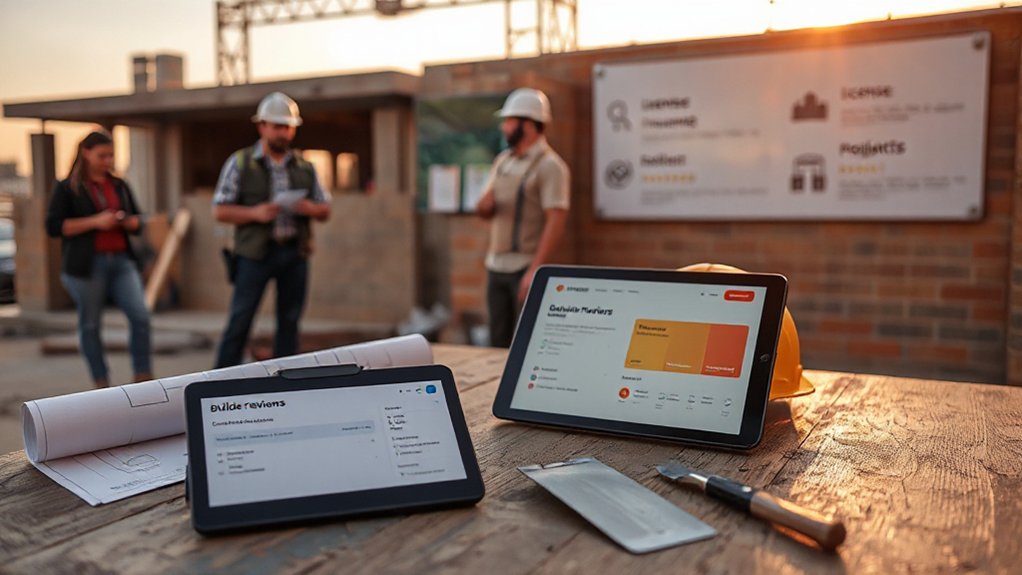
Like a seasoned investigator evaluates a claim, you should scrutinize a builder’s reputation before hiring. You’ll verify licenses, certifications, and insurance with official databases, then cross-check recent, consistent feedback and inspect past projects through photos and references. Expect tough interview questions and a careful read of contracts covering scope, milestones, and warranties. Stay skeptical, document everything, and address issues proactively to guarantee transparency. If anything looks doubtful, you’ll want to probe deeper before committing.
Why A Builder’s Reputation Matters For Your Project
A builder’s reputation matters because it directly affects project outcomes, costs, and timelines. You’ll rely on prior performance to gauge risk, so every past result becomes a data point you can inspect.
Building trust isn’t a vague vibe; it’s a track record of meeting specs, staying on budget, and finishing on schedule. If a builder consistently overruns or cuts corners, your risk rises, and so does your potential disruption.
Reputation management isn’t just polish; it signals process discipline, transparent communication, and accountability mechanisms you can verify. You should demand verifiable metrics: defect rates, change-order frequency, and completion variance.
A strong reputation lowers uncertainty, supporting smoother approvals and financing. In contrast, weak signals invite skepticism and extra contingency.
Use reputation data to tailor bids, contract terms, and expectations.
How To Verify Licenses, Certifications, And Past Work
To verify licenses, certifications, and past work, start with a disciplined checklist: confirm current licenses with the issuing state or province, verify trade certifications through the credentialing bodies, and cross-check any professional designations for validity and scope.
You should request license numbers, expiration dates, and any disciplinary actions. Check past projects for consistency in scope and outcomes, and contact referees who can verify timelines, materials, and workmanship.
Demand proof of insurance coverage and current liability limits, and verify builder’s insurance with the insurer. Look for building permits tied to completed work and confirm permit status before authorizing milestones.
Be skeptical of vague claims, and insist on written warranties and material specifications to reduce risk. This disciplined approach reduces exposure and clarifies accountability.
Decoding Reviews: Signals Of Reliability And Quality
When you weigh reviews, you’re testing reliability, not chasing echoes. You’ll look for patterns across sources, not single anecdotes, and you’ll separate praise from pressure.
Focus on consistency: repeated mentions of timeliness, workmanship, and communication signal core strengths, while frequent caveats hint at recurring issues.
Scrutinize dates to distinguish recent performance from outdated impressions, and note response behavior—a constructive reply rate often mirrors owner responsiveness.
Corroborate with independent signals, such as project photos and referenced suppliers, to validate claims.
Be skeptical of inflated ratings or vague, generic testimonials; look for specific, verifiable details.
Customer testimonials matter, but online ratings provide context about scale and sentiment.
Weigh both to gauge reliability and quality, then decide if the builder’s reputation matches your project’s risk profile.
Credentials To Confirm Or Red Flags To Watch For
Start with the basics: verify licenses, insurance, and bonding in your state, and confirm the builder’s registration status to rule out unqualified operators. If credentials look hollow, treat it as a red flag.
Require proof of insurance coverage, including the carrier, policy dates, and limits, and verify workers’ comp and general liability coverage.
Check licenses against state databases and confirm active status, not just expired or latent.
Scrutinize contract payment terms for clarity: avoid vague milestones, insist on itemized costs, change-order processes, and a defined payment schedule.
Watch for persistent pressure to pay upfront or outside standard channels.
Red flags include inconsistent contact information, missing tax or business IDs, or frequent name changes.
Favor transparent suppliers, verifiable references, and written guarantees; data-driven skepticism protects you from overpromised outcomes.
Interview Questions That Reveal Reliability And Workmanship

You’ll want to pair strong reference checks with a proven track record to gauge reliability and workmanship beyond self-promotion.
Ask targeted, practical questions that surface concrete outcomes, timelines, and cost adherence rather than vague assurances.
The data you gather should point to patterns in performance across projects, not lone anecdotes.
Reference Checks And Details
Reference checks are your early warning system for reliability and workmanship; they reveal patterns you won’t see from a brochure or a site visit.
You should ask for a list of past clients with dates, project scopes, and outcomes, then verify through direct contact rather than secondhand summaries.
Probe for delays, change orders, and budget overruns, then cross-check with project photos and material specs.
Request a write-up on challenges faced and how they were resolved, plus adherence to safety standards.
Focus questions on communication cadence, problem-solving, and confirmable milestones.
Scrutinize customer testimonials for consistency, and note any recurring red flags.
Combine findings with the builder’s online reputation, including reviews and responses.
Use documented details to estimate risk, not optimism.
Proven Track Record
A proven track record is your best predictor of reliability and workmanship, so ask for interview questions that reveal how a builder has performed under real conditions. You should push for concrete, recent examples: project scope, budget adherence, and timeline outcomes, with dates and measurable results.
Ask about defect rates, warranty claims, and how they handled unexpected problems, not vague assurances. Seek customers’ direct experiences to assess consistency, not just standout projects.
Examine whether the company tracks performance publicly, supports continuous improvement, and engages in reputation management to address negative feedback. Look for documented customer feedback and third-party references, plus evidence of repeat clients.
A transparent, data-driven narrative signals steady quality; evasive answers typically indicate risk. Your goal: verify sustained reliability, not just polished marketing.
Practical Interview Questions
How can you quickly separate reliable builders from the rest? In practical interviews, you probe beyond promises. Ask for a concrete timeline and a breakdown of milestones, then verify with past projects and delivery receipts. Demand description of challenges, costs, and how they mitigated defects, not vague assurances.
Use a trustworthiness assessment by requesting references and cross-checking with former clients about adherence to schedules and budget, plus how they handled change orders. Evaluate communication skills: do they listen, summarize, and confirm understanding? Look for specificity, not bravado, when describing work methods, subcontractor vetting, and safety practices.
Request a written plan for quality checks and a site-visit protocol. This data-driven approach helps reveal reliability, workmanship, and the consistency you need.
Inspecting Past Projects And Setting Expectations Upfront
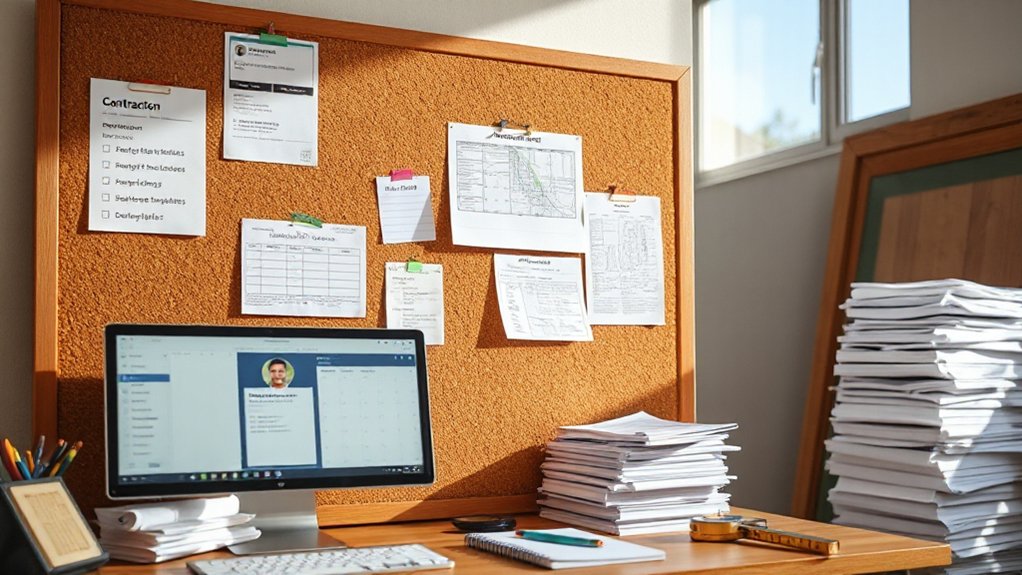
Inspecting past projects gives you concrete benchmarks, not vibes. You’ll audit completed work for consistency, durability, and adherence to specs, not just flash. Look for objective indicators: photos with dates, defect logs, and third-party inspections.
Require a project timeline that maps milestones to actual results, and verify they met deadlines under similar scopes. Compare builder claims to recorded outcomes, noting any deviations and why they occurred.
Assess budget estimates against executed costs to gauge forecasting accuracy and change-order frequency. Check client references for satisfaction with communication and problem resolution, not just final outcome.
Set expectations upfront by clarifying deliverables, tolerance for delays, and warranty coverage. Document agreed scope, payment schedule, and acceptance criteria to reduce disputes and align incentives.
Frequently Asked Questions
How Long Should a Builder’s Warranty Last and What Does It Cover?
Warranty duration varies, typically 1–10 years, with structures often 10 years for major defects. Coverage details include workmanship, materials, and structural elements; confirm exclusions, deadlines, and transferability. You should verify duration length and specific coverage before signing.
Can Builders Provide References From Non-Recent Projects?
Absolutely—builders can provide references from non-recent projects, though you should verify specifics. Your approach: scrutinize builder reputation, demand verifiable, contactable references, and compare non recent projects against current standards before hiring. Don’t rely on anecdotes alone.
What Payment Milestones Should Trigger Inspections or Approvals?
You should set payment milestones that trigger inspections or approvals at key phases. Use a payment schedule tied to tangible work completed, with formal inspection triggers, documented sign-offs, and contingency holdbacks to verify quality before progress.
How Are Subcontractor Qualifications Verified Beyond the Main Contractor?
Subcontractor qualifications are verified through licensing requirements checks and insurance verification, then cross-checked with project records, references, and safety audits; you should demand certificates, confirm license status, insurance coverage, and ongoing compliance with data-driven, skeptical standards.
What Dispute Resolution Options Should Be Included in the Contract?
One compelling stat: 40% of construction disputes resolve outside courts. You should include robust dispute resolution options in your contract clauses, clearly detailing processes, timelines, and escalation steps to reduce costs and preserve relationships.
Conclusion
Ever wondered if you’re really protecting your project by trusting a builder with vague claims? You shouldn’t. By verifying licenses, insurance, and past work, and by scrutinizing reviews with a skeptical eye, you build a data-driven safety net. Set clear milestones, demand detailed contracts, and document every agreement. If a prospect dodges questions or shallowly answers, you’ve got your red flags. Are you prepared to demand evidence before you commit, and protect your investment from start to finish?