Choosing the best driveway material starts with your climate, budget, and how you’ll use the space. You want durability, easy maintenance, and curb appeal that lasts. Consider concrete, asphalt, or pavers for different temperatures and loads, then weigh upfront costs against long‑term upkeep. Match the style to your home and plan for practical needs like RV storage or heavy traffic. Start by evaluating site conditions and your priorities—the right choice will become clearer as you weigh options and tradeoffs.
How to Choose Driveway Materials: A Practical Framework
Choosing driveway materials starts with a clear check of your priorities: cost, durability, maintenance, and curb appeal. You’ll frame your decision by rating how each factor matters to you, then compare options against that scale.
Start with budget boundaries and expected life, then weigh maintenance needs and seasonal upkeep. Consider site specifics like slope, drainage, and existing structures, but keep your focus on practical outcomes.
Eco friendly options often balance cost and long-term savings, while decorative finishes can boost curb appeal without compromising function.
Document your top three contenders, noting installation ease, warranty terms, and potential for future updates.
Finally, choose a material that aligns with your priorities and adds visual harmony to your home’s style.
Durability by Climate: Which Driveway Materials Last
Your climate can dramatically influence how a driveway ages, so you’ll want materials that hold up under local temperatures, precipitation, and freeze-thaw cycles.
In practice, durability tracks how well a surface resists cracking, shifting, and surface wear when exposed to your typical weather patterns.
Concrete fares well in heat and cold if properly mixed and cured, but it’s prone to surface spalling in severe freeze-thaw cycles without proper sealers.
Asphalt adapts to temperature swings but may require more frequent resurfacing in heavy freezes.
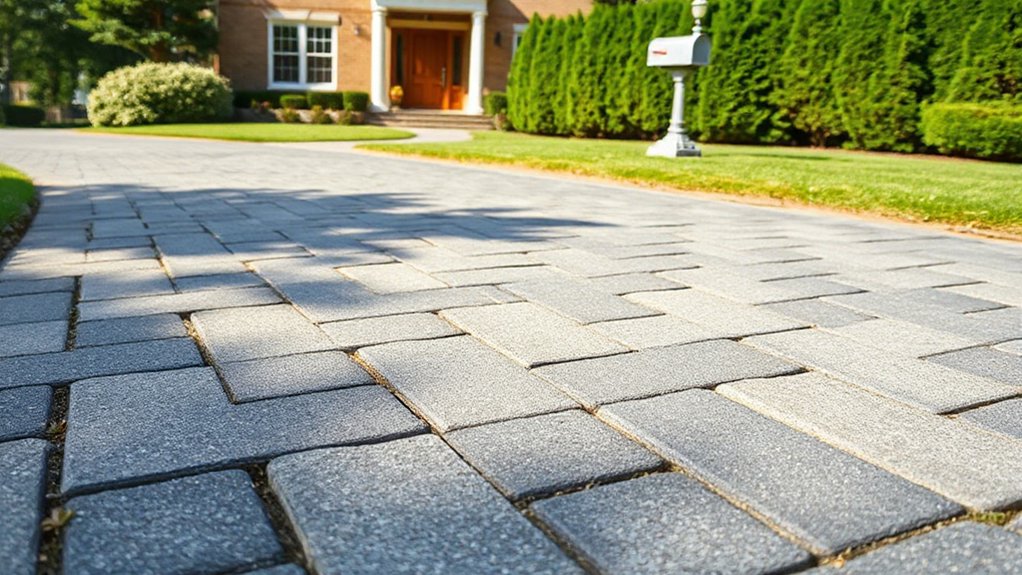
Pavers and crushed stone offer flexibility, yet edge walls and base preparation matter heavily for climates with freeze-thaw stress.
Consider Climate adaptability and Material innovation when selecting, ensuring your choice remains dependable across seasonal extremes and weather surprises.
Maintenance for Driveway Materials: What to Expect
You’ll want to know what routine maintenance and long-term care look like for your chosen material, so you’re prepared for the season-to-season demands.
I’ll outline what to expect regarding regular upkeep, inspections, and potential longer-term considerations to protect your investment.
This starts with clear expectations and a practical plan you can implement right away.
Routine Maintenance Essentials
Routine maintenance for driveway materials is essential to extend life and protect your investment; by staying ahead of issues, you’ll prevent costly repairs down the line.
You’ll perform regular inspections after severe weather, checking for cracks, drainage issues, and settled edges.
Clean surfaces with approved cleaners to remove oil, grease, and debris, avoiding harsh chemicals that can harm the material or surrounding landscaping.
Sealants or coatings should be reapplied per manufacturer guidance, typically every few years, to preserve color and prevent moisture intrusion.
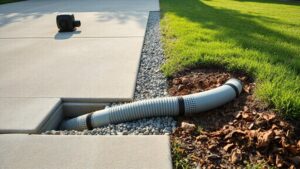
Address drainage problems promptly to minimize freeze-thaw damage and erosion.
For landscape integration, manage nearby plant growth to prevent root intrusion and staining.
Consider environmental impact by choosing recycled or low-emission products and using permeable options where feasible.
Consistent upkeep sustains curb appeal and overall performance.
Long-Term Care Considerations
Long-Term Care Considerations for driveway materials hinge on realistic expectations about wear, performance, and upkeep. You’ll experience gradual surface changes as traffic and weather take their toll, so plan proactive steps rather than reactive fixes.
Start with sealing procedures appropriate to your material; timely sealant applications protect against moisture, UV damage, and stains, extending life and preserving appearance.
Monitor for cracks, rutting, and edge spalling, then address them promptly to prevent escalation.
Seasonal repairs should address freeze-thaw stress, drainage issues, and vegetation intrusion, which can undermine structural integrity.
Create a simple maintenance calendar that aligns with climate and usage, and budget for occasional professional assessments to catch problems you might overlook.
With steady vigilance, your driveway remains safe, functional, and visually appealing for years to come.
Cost and Value: Upfront Price vs Long-Term Savings
When you weigh upfront costs against long-term savings, consider how long a material lasts and how maintenance affects annual expense.
You’ll compare initial price, ongoing upkeep, and potential resale impact to separate true value from sticker shock.
In short, the best choice balances affordable upfront cost with durable performance and solid long-term value.
Upfront Cost Tradeoffs
Choosing a driveway material often comes down to upfront cost versus long-term savings. You weigh initial install prices against durability, maintenance needs, and replacement cycles.
In a pricing comparison, differences in surface material, base preparation, and installation time can create noticeable gaps at the curb. You’ll want to factor permitting fees, contractor markup, and potential site prep like drainage or grading.
Shorter-lived options may tempt with low first costs, but higher resealing or repaving bills can erase savings quickly.
Budgeting strategies emphasize a clear total cost of ownership: estimate initial outlay, annual upkeep, and expected lift in property value.
Prioritize materials with proven performance in your climate, and request itemized bids to validate what’s included and what’s optional.
Long-Term Maintenance Value
A smart driveway decision isn’t just about upfront price—it’s about what you’ll spend over time. Long-term maintenance value hinges on balancing initial cost with recurring care. You’ll save more if you choose materials that tolerate weather, use durable surfaces, and require fewer repairs.
Plan for periodic upkeep that minimizes cost spikes: predictable sealing cycles, timely repairs, and simple drainage fixes. Sealant application matters: regular, targeted work prevents cracks from widening and reduces taxable maintenance surprises over the years.
Seasonal sealing should be scheduled before winter freezes and early spring thaws to maximize protection, extending life and stabilizing resale value.
In short, evaluate material endurance, maintenance intervals, and the cost of professional vs DIY upkeep to estimate true lifetime value.
Life Span vs Resale Impact
Life Span vs Resale Impact: upfront price isn’t the whole story—longer-lasting materials often save more over time through fewer repairs and steadier resale value. When you weigh options, consider lifespan comparison alongside initial cost.
A durable option may cost more upfront, but it tends to endure weather, traffic, and seasonal shifts with fewer cracks, potholes, or reseeding needs. That reliability translates to lower maintenance bills and a smoother buyer impression, boosting resale value.
Compare materials by expected life span, warranty terms, and a realistic maintenance routine. Shorter-lived choices may require frequent patchwork, creating visible wear that affects curb appeal.
If you plan to sell within a decade, prioritize longevity and proven performance; your wallet and home’s perceived value will thank you.
Aesthetics and Curb Appeal: Matching Driveway Style
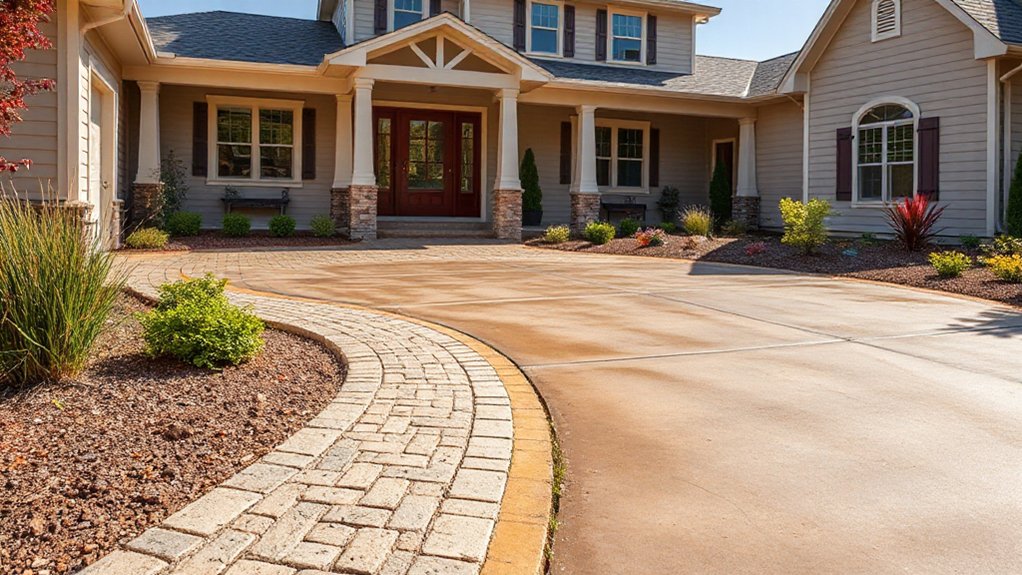
Your driveway should complement your home’s architecture and landscape, so start by identifying a style that fits your curb appeal goals—whether that’s timeless traditional, modern minimalism, or rustic charm. A cohesive look improves first impressions and can boost property value.
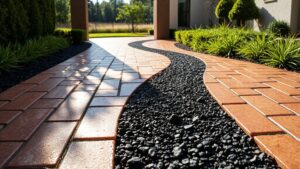
Consider color options that echo roof tones, trim, or stone accents for harmony rather than contrast. Texture variety matters too; combine smooth surfaces with subtle aggregates or edge treatments to add depth without overwhelming the facade.
Proportions matter: match driveway width to entry width, and align curves with walkway lines. Finish and edging should recur in other hardscape elements for unity.
When in doubt, choose a durable material that already suits your chosen style, then layer accents thoughtfully for lasting appeal.
Installation Realities: Site Prep, Timing, and Contractor Tips
Site prep sets the foundation for a durable driveway, so start with a clear plan for grading, drainage, and compacted base. Then schedule critical steps in sequence to avoid backtracking.
You’ll confirm site excavation needs early, including utilities and boundary checks, to prevent surprises later.
Timing matters: choose a dry, cool stretch for pavement or aggregate work to cure properly and minimize disruptions.
Coordinate with your contractor on formwork, compaction tests, and access routes, so materials arrive without blocking driveways or sidewalks.
Understand permit requirements up front; secure approvals before breaking ground to avoid rework.
Clear communication reduces mistakes, saves costs, and keeps the project on track.
Pick the Right Driveway Material by Use Case
Choosing the right driveway material starts with how you’ll use the space. If you back a boat or RV, prioritize reinforced surfaces and wider turning radii, because heavy loads demand durability over aesthetics.
For high-traffic, family-casual paths, select materials with slip resistance and easy snow removal, like permeable pavers or stamped concrete that hides wear.
If you value curb appeal alongside low maintenance, opt for asphalt with a sealcoat schedule or modular pavers that you can replace in sections.
For eco-friendly options, consider permeable pavers that reduce runoff and enable groundwater recharge.
Design trends lean toward natural textures and integrated lighting, while practical use cases favor simple maintenance cycles and predictable longevity.
Balance budget, climate, and lifestyle to choose a material that ages well with your home.
Frequently Asked Questions
How Do Local Codes Affect Driveway Material Choices?
Local codes influence your material choices; check zoning restrictions and permits required before you decide. You’ll need to account for setback rules, drainage requirements, and inspection steps, so confirm compliance early and avoid costly revisions or fines.
Can I Install a New Driveway Over Existing Concrete?
Yes, you can, but assess condition first. For preparation, consider driveway resurfacing with a concrete overlay, ensuring thickness and bonding are suitable. You’ll need proper primers, even substrate, and professional workmanship to avoid cracking or delamination.
Which Materials Are Most Eco-Friendly for Driveways?
“Green as grass,” you lean toward eco friendly paving, choosing sustainable materials like permeable pavers and recycled aggregates. You’ll protect soils, cut runoff, and lower heat. You get durable, cost-effective options that keep your project truly eco friendly.
How Long Does a Professional Installation Typically Take?
A professional installation usually takes a few days, depending on size and materials. You’ll see steady progress, minimal disruption, and predictable driveway durability. You’ll budget wisely as installation costs are outlined upfront, with clear timelines and practical, reliable results.
Do Pets Affect Driveway Material Selection?
Yes, pets affect driveway material selection. Consider pet paws and traffic: you’ll want durable, slip-resistant surfaces. Prioritize driveway durability, smooth wear on paws, crack resistance, and easy maintenance, so you stay practical, authoritative, and confident despite shifting weather.
Conclusion
Choosing the right driveway isn’t just about looks—it’s about lasting value and practical daily use. Balance climate, maintenance, and budget, then weigh upfront costs against long-term savings. Match material to your home’s style and traffic, from vehicles to RVs, and plan for easy upkeep with permeable options where possible. Do your homework, ask for references, and pick a contractor who values durability as much as curb appeal. In the end, you’ll have a tough shell that stands the test of time. It’s a win-win.