
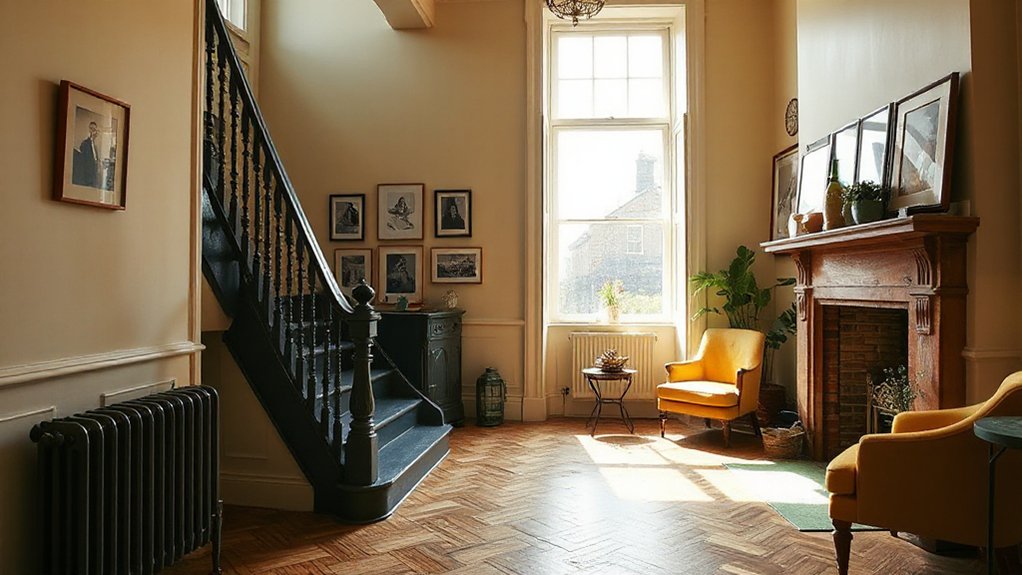
A Victorian terrace is a living poem, its charm waiting behind every sash and cornice. You’ll want to decide what to preserve and what to restore, then plan a layout that respects tall ceilings and light. Keep to authentic materials and discreet upgrades so the house speaks with a quiet authority. The path isn’t dramatic, but the next choice could redefine its character entirely. So you’ll need a clear plan to balance comfort with heritage.
Clarify Your Victorian Terrace Renovation Goals
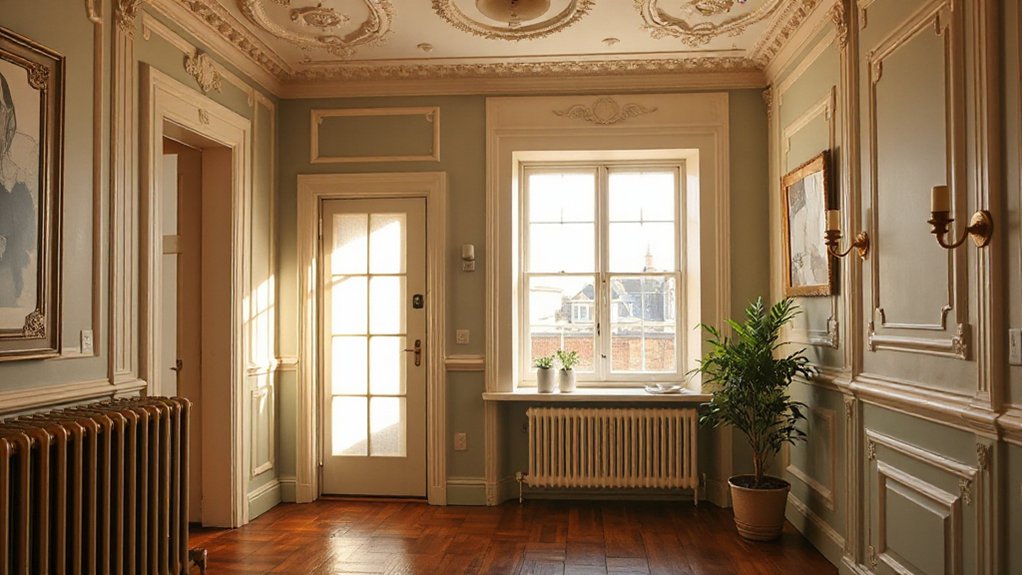
Clarifying your Victorian terrace renovation goals starts with a clear picture of why you’re renovating and what you want to achieve.
You’ll define scope by identifying essential spaces, daylight needs, and functional priorities, then align them with your budget.
Consider how Victorian architecture informs layout choices, such as room proportions, ceiling heights, and original features worth preserving.
Establish a timeline that accommodates permits and trades without derailing your vision.
Articulate success metrics—quiet efficiency, improved insulation, or preserved façades—so decisions stay focused.
Reflect on historic preservation requirements and potential restrictions early, avoiding costly revisions later.
Document your goals in a concise brief that guides material selections, finishes, and color palettes.
This clarity keeps your project steady and respectful of the terrace’s character.
Decide Which Features to Preserve vs Restore
You’ll weigh which core details define the home today and which can be restored for authenticity. Start by preserving features that carry historic value and practical utility.
Then assess restoration potential for items that still serve you. This balance keeps the Victorian spirit intact while guiding a focused, efficient renovation.
Preserve Core Details
Preserve core details by identifying the features that define the building’s character and the ones worth restoring for authenticity. You’ll map architectural cues—ornate cornices, sash windows, stair balustrades, plaster medallions—and judge which endure with minimal intervention.
Prioritize elements that tell the house’s story: original joinery, fireplace surrounds, and ceiling roses, if sound and structurally viable. Decide what must be retained as-is, versus what can be carefully restored without erasing texture.
When restoration is viable, use period-appropriate methods and materials to maintain authenticity, resisting decorative overhauls that seem incompatible with the core fabric. Balance is essential: preserve restraint, not nostalgia.
Consider how Victorian fashion and period artwork once informed interiors; these clues guide you toward thoughtful preservation that respects history while allowing modern living.
Evaluate Restoration Potential
Evaluating restoration potential starts with a clear screen of what truly defines the stone’s character and what can be renewed without erasing it. You assess architectural features for their historical resonance and structural viability, then separate those that shine with authenticity from those that overreach.
Prioritize elements that communicate age and craft, while noting which surfaces deserve careful repair rather than full replacement. Consider joinery, brickwork, plaster, and decorative detailing; evaluate moisture, salts, and decay that limit restoration options.
Plan a cohesive sequence: preserve cherished details, restore where feasible, and modernize only where necessary. Balance is key to timeless appeal.
Integrate modern interior design sensibly, allowing contemporary functions to sit alongside preserved fabric. For exterior scenes, align with contemporary landscaping to frame the house without overwhelming its character.
Plan a Proportional Layout for Tall Ceilings
You’ll align ceiling proportions with the room’s footprint to create a balanced feel. Consider tall space zoning to define function without crowding.
And scale furniture strategically so silhouettes read clearly. This sets up a proportional framework that respects the Victorian character while enhancing comfort.
Proportional Ceiling Proportions
When planning a proportional layout for tall ceilings, start by defining a clear relationship between ceiling height and room width. You’ll create a sense of cohesion by anchoring features to measurable spans, not just aesthetics.
Prioritize proportion balance between vertical space and horizontal reach, so that the ceiling height informs fixture scale, molding, and furniture footprints. Keep lines clean and deliberate; avoid crowding, which disrupts rhythm.
In narrow rooms, amplify height with tall, slim profiles and vertical detailing that draws the eye upward without overpowering the space. For wider rooms, ground the ceiling with lower visual weight through substantial furniture and restrained ornament.
Throughout, maintain consistency: repeat a few selected proportions, materials, and finishes to preserve the Victorian character while preserving legibility and calm.
Tall Space Zoning
Tall spaces demand deliberate zoning that unifies height with function. In tall rooms, plan zones that respect vertical scale while supporting daily use. You’ll group activities by ceiling feel—quiet corners beneath higher ceilings, social hubs where openness matters, and storage that fits the wall plane without crowding sightlines.
Maintain clear sight paths between zones to enhance legibility and airflow. Use furniture placement to visually break the column of height into human proportions, avoiding crowding at focal points like fireplaces or tall windows.
Prioritize historical accuracy in materials and detailing so passages read as purposeful, not incidental. Guarantee material compatibility across surfaces and built-ins to minimize glare and weight shifts.
The result feels cohesive, balanced, and true to the terrace’s character.
Scale Furniture Strategically
To scale furniture for tall ceilings, map a proportional layout that honors vertical space while supporting daily use. Begin by anchoring the room with a low sofa or bench, then place two to three vertically oriented pieces to emphasize height without crowding floor area.
Choose scale that matches ceiling height: bulky vintage furniture against lighter, streamlined surroundings to avoid visual clutter. Use generous gaps between seating and walls to create breathing room, and align lighting to midline to draw attention upward.
Integrate Modern accents through restrained accessories: a minimal metal lamp, a glass side table, and a monochrome rug that grounds the scheme. Maintain cohesion with a restrained palette, allowing architectural details to speak.
This approach respects proportion, enhances function, and preserves Victorian charm. Vintage furniture, Modern accents.
Choose Materials That Echo the Victorian Era
Choosing materials that echo the Victorian era means prioritizing authentic textures and forms that convey craftsmanship without resorting to pastiche. You select surfaces and fixtures that reveal period-specific character while remaining practical for daily living.
Favor timber with visible grain, dark or patinated metals, and slow-fading paints that deepen with time. Avoid imitation plastics or overly glossed modern composites; these clash with restraint and proportion. Seek period-specific finishes that age gracefully, rather than flawless perfection, so patina tells the story of use.
In tiling, brickwork, and plaster, insist on skilled workmanship, not shortcuts. You document provenance where possible, and match scale to the terrace’s rhythm.
Upgrade Windows and Insulation Respectfully
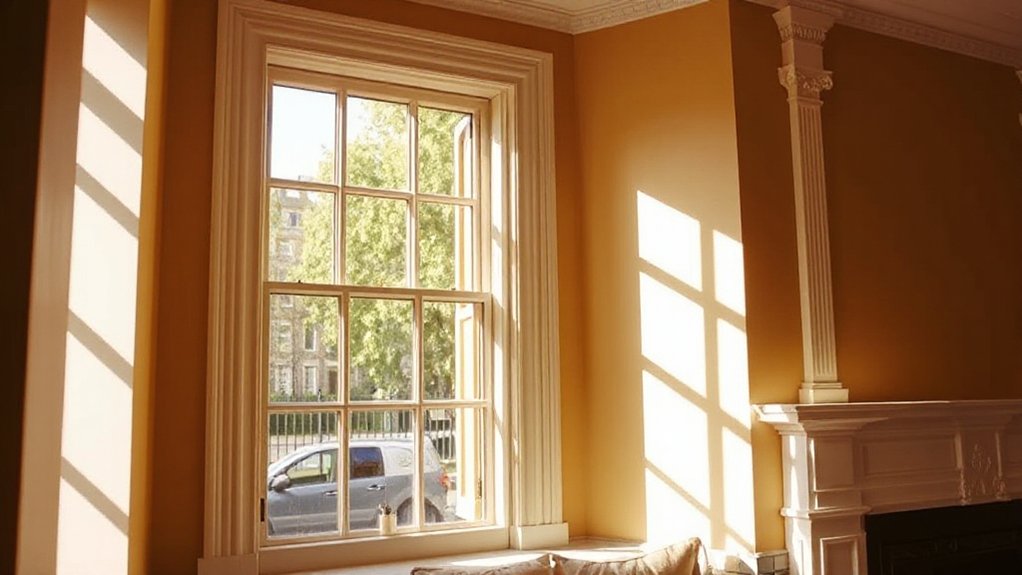
Upgrading windows and insulation in a Victorian terrace isn’t about chasing modern trends; it’s about preserving tone, proportion, and comfort. You balance slim profiles with a sympathetic inset, keeping moldings intact while improving airtightness.
Choose sash replacements or secondary glazing that respect the rhythm of façade openings, avoiding oversized panes that distort proportion. Insulation should focus on mid-wall cavities, roofline reach, and weatherproofing without creating bulky interior reveals.
Use glazing with low emissivity and appropriate U-values to reduce heat loss while preserving daylight and glare control. For materials, align external finishes with brick or lime plaster and retain astragal or glazing bars where visible.
You’ll gain Modern amenities without eroding Victorian architecture, ensuring comfort while maintaining authenticity and visual harmony.
Update Plumbing and Wiring Without Damaging Character
You can update plumbing and wiring without eroding a Victorian terrace’s character by planning discreet routes, preserving cornices, and matching finishes to existing fixtures. Begin with a careful audit: map current runs, identify hidden spaces, and flag load demands.
Choose modern plumbing components that are compact, corrosion resistant, and suitable for retrofit installations. Favor concealed trunking and surface runs only where plaster walls demand it, maintaining clean sight-lines along mouldings.
For electrical rewiring, ground the system with minimal disruption, reuse protected routes, and label circuits clearly. Opt for low-profile outlets, smart breakers, and dimmable lighting that respects proportions.
Schedule work to avoid ornamental plaster damage, document changes for future maintenance, and color-match fittings to existing hardware. Ultimately, prioritize functionality without compromising the building’s refined silhouette.
Smart, Low-Clutter Storage for Small Rooms
In small rooms, smart, low-clutter storage begins with vertical thinking: build up, not out. You’ll maximize every square inch by choosing built‑in shelves, wall niches, and tall wardrobes that tuck into alcoves, under stairs, or above doorways.
Opt for furniture with concealed compartments and dual‑purpose designs that blend into period detailing rather than shouting for attention. Use shallow, modular units to keep sightlines clear while satisfying practical needs.
Label and organize by zone—entry, living, and sleeping—to avoid visual chaos. Prioritize hidden storage behind cabinets, ottomans, and mirrors, so surfaces stay clean and minimalist.
This approach delivers hidden storage and minimal clutter, preserving the room’s character while enhancing daily usability.
Energy-Efficient Upgrades That Suit Period Homes
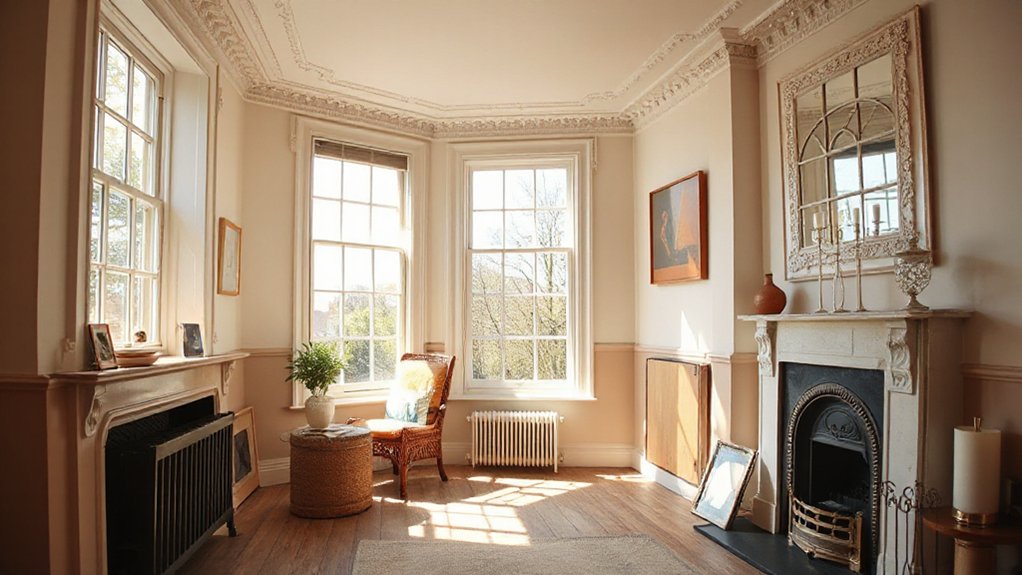
To modernize a Victorian terrace without erasing its character, focus on targeted, period-appropriate energy upgrades that preserve architectural details. You can start with draft-proofing doors and windows, choosing authentic-looking, insulated mediations that don’t alter profiles or trim.
Add efficient, compact heating solutions that hide within existing spaces or cupboards, avoiding bulky radiators where possible. Upgrade insulation in lofts and solid walls discreetly, matching historical plaster or plasterboard finishes to maintain rhythm of rooms.
Replace lighting with LED fixtures that mimic vintage warmth, reducing energy use without changing ambiance. Opt for smart controls wired to preserve local circuitry and aesthetics.
Prioritize Historic preservation while integrating Modern amenities, ensuring performance aligns with heritage values and daily comfort.
Budget, Timeline, and Project Management for a Respectful Renovation
Balancing budget, timeline, and project discipline is the practical backbone of a respectful renovation. You map costs against scope, tracking contingencies before they become shocks.
Establish a clear brief that prioritizes historic preservation, then identify where you can pursue modern integration without erasing character.
Create a phased plan with milestones, so decisions stay deliberate and avoid scope creep.
Source reputable trades who understand period details, and insist on documentation for every change.
Use a shared schedule to align permits, orders, and site access, reducing delays.
Build in quality checks at each stage, and keep a transparent log for stakeholders.
Finally, reserve a small, flexible reserve to adapt to late discoveries, ensuring continuity with the tradition you’re preserving.
Frequently Asked Questions
How Do I Balance Modern Needs With Period Authenticity in Tiny Rooms?
Prioritize Victorian aesthetics while embracing Modern functionality in tight spaces by choosing compact, dual-purpose furniture, keeping lines clean, and preserving original features. Use restrained color palettes, smart storage, and consistent detailing to balance authenticity with everyday practicality.
What Invisible Changes Lift Energy Efficiency Without Altering Features?
You’ll see energy upgrades quietly lift comfort with insulation solutions tucked behind walls and under floors. Don’t overcomplicate; focus on sealing gaps, drafts, and efficient vents, and you’ll gain warmth without altering character—a win, rain or shine.
Can I Restore but Not Over-Redecorate Original Plaster and Cornices?
Yes, you can restore without over-decorating. Use preservation techniques to retain Original features, then clean and repair plaster and cornices carefully, avoiding new mouldings. Focus on minimal intervention, patching where needed, and matching existing textures and finishes.
Which Modern Systems Can Be Hidden Behind Victorian Detailing?
Hidden wiring and modern plumbing can be discreetly concealed behind Victorian detailing, you’ll preserve charm while upgrading systems. You avoid upgrades that shout, opting for careful routing, hidden channels, and unobtrusive access, keeping spaces elegant and functionally current.
How Do I Prioritize Trades for a Sympathetic Renovation Timeline?
Prioritize trades by sequencing essential systems first, then finishes, to support a sympathetic renovation timeline. Focus on Historic preservation and Sustainable materials, coordinating approvals early, and scheduling skilled craftsmen for preservation-compatible interventions while minimizing disruption throughout the project.
Conclusion
You can modernize without muting history. By balancing preservation with smart upgrades, you keep sash windows gleaming, cornices intact, and plasterwork legible, while boosting comfort and efficiency. Plan, document, and phase carefully, so every decision respects the era’s craft. Think of your home as a living timeline: each improvement should add function without erasing character. Remember: restraint is your strongest decoration, a quiet thread weaving past and present into a cohesive, enduring charm.