
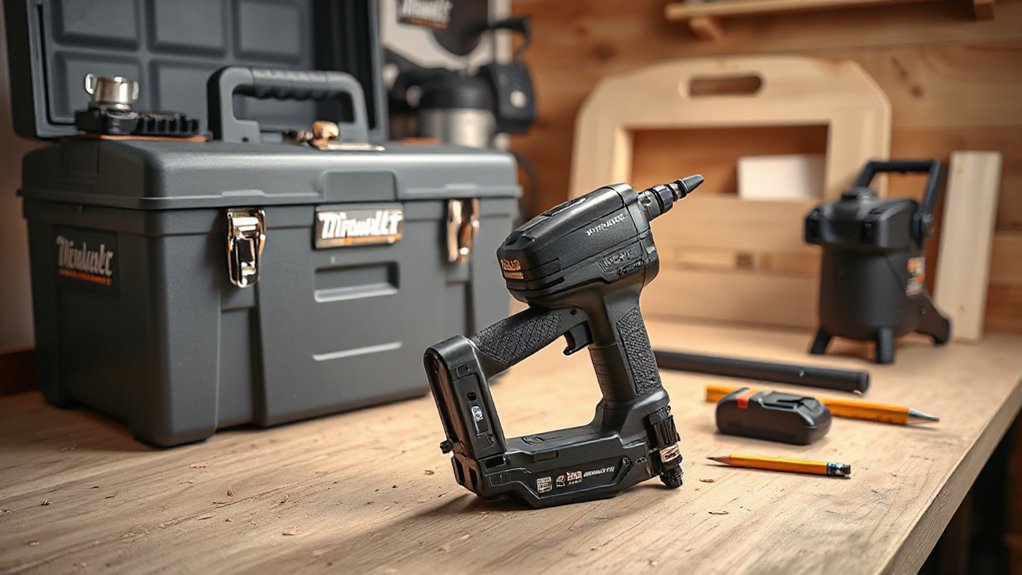
For home improvement, you want a cordless nail gun that balances power, accuracy, and run time across framing, finishing, and specialty tasks. Match the tool to your project type, check weight for fatigue, and prioritize reliable depth adjustment and safety features. Consider battery chemistry and capacity to sustain your workflow, plus compatibility with your chosen fasteners. Ergonomics matter for all-day use, and budget picks can still deliver real performance. If you stick with these criteria, you’ll uncover practical choices and nuances beyond this overview.
What to Know Before Buying a Cordless Nail Gun
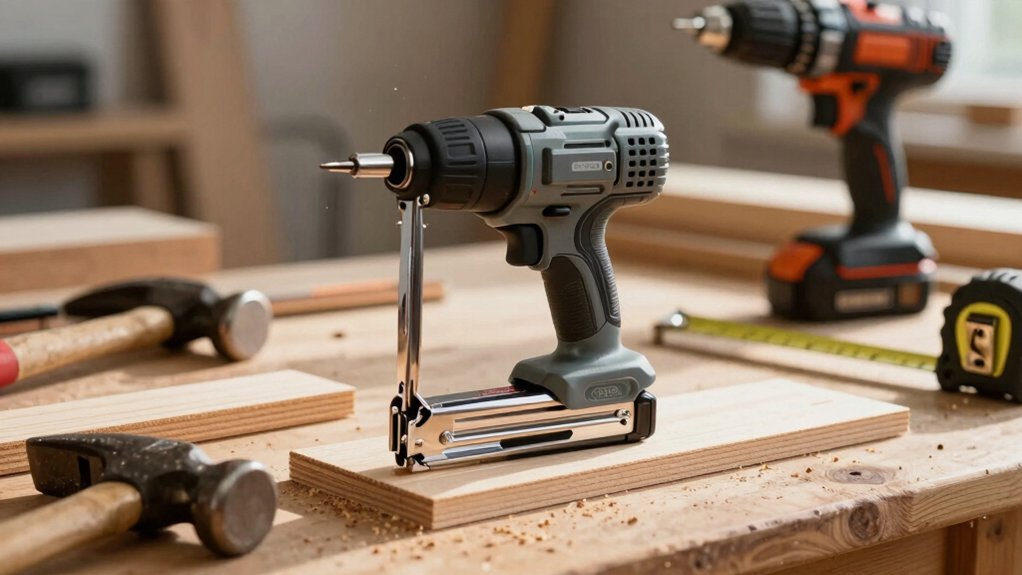
When choosing a cordless nail gun, start by matching the tool to your project, accessory choices, and battery setup. You’ll evaluate fastener capacity, depth adjustment, and trigger style to guarantee precision under power.
Consider tool weight and balance for extended sessions, since fatigue erodes control. Examine battery chemistry and voltage to align with runtime, recharge speed, and compatibility with existing batteries and chargers.
Assess reloading practicality, jam clearance, and insurance against misfires. Prioritize battery safety: understand charging guidelines, thermal protection, and storage practices to prevent degradation or hazards.
Review tool accessories such as belt clips, nose tips, and anti-kick devices to minimize downtime and maximize accuracy. Decide on a model that integrates with your workflow, ensuring predictable performance, reliability, and long-term efficiency.
Framing vs Finish: Which Cordless Nail Gun Do You Need?
Framing and finish cordless nail guns serve distinct roles, so choosing hinges on project scope, fastener size, and frequency of use.
If your work prioritizes sheer framing strength, you’ll want higher driving power, longer reach, and fewer jams, even at demanding framing schedules.
For finish tasks, precision, control, and cleaner driving are paramount to minimize surface damage. You’ll benefit from a lighter model with softer action when installing trim, but you still need sufficient nail size options to secure molding without splitting.
Assess work cadence and portability: frequent, extended sessions demand ergonomic design and reliable battery life.
Nail gun ergonomics and Cordless tool versatility determine fatigue tolerance and adaptability across tasks, influencing long-term productivity and accuracy.
Choose based on dominant application, not just featherweight specs.
Battery Chemistry, Capacity, and Runtime You Can Trust
Battery chemistry, capacity, and runtime determine how reliably a cordless nail gun performs under load. You evaluate capacity as a direct indicator of continuous operation between charges, while chemistry governs charge recovery, thermal stability, and long-term health.
You should favor systems with proven high-discharge performance, especially when demanding tasks require sustained drive cycles. Capacity matters not just in totals but in usable energy under load, where voltage sag and current draw affect drive consistency.
Battery chemistry influences cycle life, recharge speed, and heat management, all of which determine predictable performance on real jobs. For best reliability, compare cells by chemistry class, confirm C-rate data, and review manufacturer heating protections.
In practice, select packs that balance high capacity with robust thermal design for persistent power delivery.
Nail Drive Power: Size, Material, and Compatibility
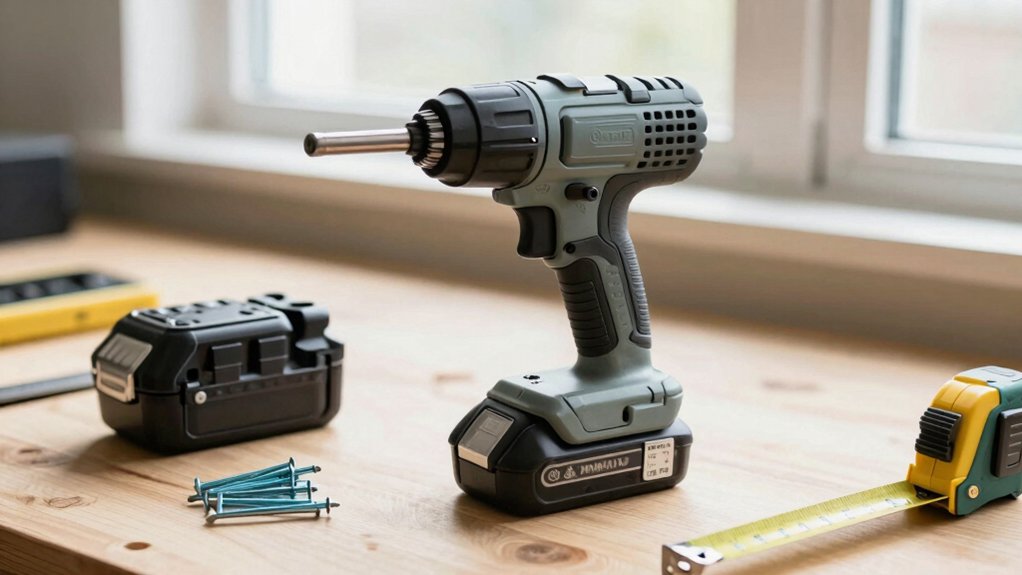
Nail drive power hinges on mechanics that control how fast and deeply fasteners are driven, so you’ll assess how Nail Drive Mechanics affect seating depth and material contact.
Consider size and weight to guarantee balanced handling and compatibility with your tool’s magazine and fire rate, avoiding over- or under-penetration.
Material compatibility matters for bore size, nail shank, and coatings, guiding your choice across common wood, composites, and finishes.
Nail Drive Mechanics
The nail drive power of cordless guns hinges on three core factors: size, material, and compatibility with fasteners. You’ll evaluate drive mechanics by how the piston travels, whether the drive blade is direct or sequential, and how fastener length and head style affect seating depth.
Material choices—steel, carbide, or coatings—affect wear resistance and accuracy over time, influencing repeatable drive force. Compatibility considerations include nail gauge ranges, collated strip types, and magazine depth, which determine reliability under load.
You’ll notice that power isn’t just peak impulse; it’s consistency across cycles and how cushion systems manage recoil. Nail drive mechanics impact precision, reduction of jams, and overall project speed.
Prioritize cordless nail gun safety, securing proper settings and using the right fasteners for each task.
Size And Weight
Size and weight directly influence handling and fatigue during use, since larger engines typically deliver more drive power but add bulk and weight that can slow you down over long sessions.
In cordless nail guns, you should evaluate size in relation to your typical working distance and project scale. A compact form factor often improves maneuverability, while a longer magazine or barrel may affect balance.
Pay attention to weight distribution; evenly balanced tools reduce wrist strain and maintain steady driving depth. An ergonomic grip enhances control, especially during extended periods.
Consider weight without fasteners; higher dry weight can translate to fatigue, even with a strong battery. Choose a model that aligns drive power with your material thickness and application demands.
Material Compatibility
Material compatibility hinges on matching drive power to the fastener and substrate, ensuring each nail is driven cleanly without over- or under-penetration. You must assess nail size, material, and substrate to prevent failure modes like mushrooming, splitting, or cam-out.
Drive power should align with fastener gauge and length for ideal seating and holding strength. Consider wood species, moisture content, and veneer thickness, since these affect resistance and embedment depth.
Cordless compatibility matters when selecting battery voltage and tool weight, preserving consistent performance across tasks.
Verify material safety data when working with treated lumber, composites, or metal, and use appropriate fasteners for corrosion resistance.
Prioritize tools that support a range of sizes and compatible fasteners to maximize versatility and maintain structural integrity.
Weight, Balance, and Ergonomics for Real-World Comfort
Weight and balance play a pivotal role in real-world comfort, influencing how long you can work without fatigue. You’ll assess how ergonomic grip and weight distribution affect control, muzzle visibility, and trigger confidence during extended sessions.
A well-balanced tool reduces wrist strain and increases precision, letting you drive nails consistently without compensating postures.
- Ergonomic grip that fits your hand contours and promotes natural alignment
- Balanced weight distribution that minimizes torque and improves steering
- Subtle handle texture and contouring that support steady, fatigue-free operation
In practice, prioritize models with a front-to-back weight balance near the grip and a grip design that enables a secure, low-effort hold. This combination supports sustained power, accuracy, and comfort for demanding tasks.
Quiet, Airtight Performance for Home Use
Quiet, airtight performance matters for home use because it directly affects comfort, conversations, and indoor air quality. You evaluate cordless nail guns by how they manage noise levels and dust containment without sacrificing drive power or precision.
In practice, low noise helps maintain focus during prolonged sessions, while predictable impulse consistency reduces fatigue and improves accuracy. Dust containment isn’t cosmetic; it limits ambient dust that can irritate occupants or obscure visibility, enabling cleaner, more precise nailing.
Look for sealed deployment paths, integrated shrouds, and collect-and-contain design elements that minimize particulate escape. Efficiency comes from balancing sound dampening with vibration control, so you retain control at high-torque settings.
Choose models that document measured noise levels and provide verifiable dust containment specifications for reliable home performance.
Fast Reload and Jam-Prevention Features That Help You Work Faster
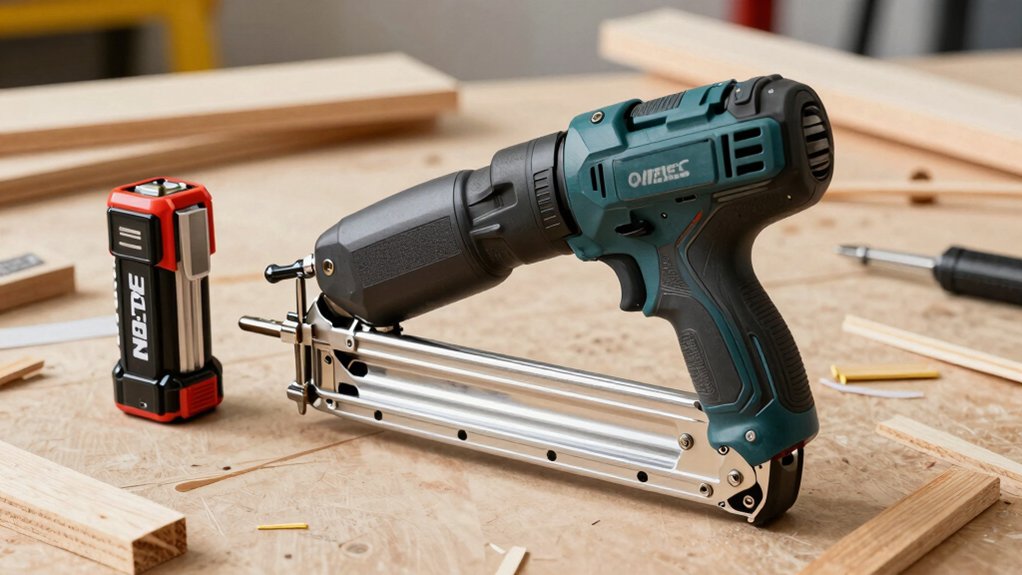
Fast reload and jam-prevention features directly impact workflow speed and reliability. You evaluate how quick reload cycles reduce downtime, while jam-prevention mechanisms limit feed interruptions, sustaining consistent performance. Cordless technology advances enable smoother cartridge feeds, fewer misfeeds, and more predictable pull-through.
You’ll notice that robust driver systems, anti-recoil designs, and reinforced magazines minimize stoppages, letting you maintain momentum on larger projects. Precision alignment and tool sequencing matter, guiding each nail to seating without overhead adjustments. The result is higher throughput, controlled with confidence, and fewer interruptions during critical install windows.
- Efficient magazine design that reduces reload time and keeps nails aligned
- Intelligent jam-prevention paths that divert or clear misfeeds
- Durable, low-friction surfaces that sustain rapid cycles
Safety First: Best Practices for Cordless Nail Guns
Safety should be your top priority with cordless nail guns, and a systematic, pre-use check minimizes risk before you start any job. You evaluate safety features, verify battery charge, and confirm the staple/load is appropriate for the task.
Maintain trigger discipline, keep fingers off the contact element, and set the correct depth to prevent over-penetration.
Regularly inspect the dust cap, magazine, and latch for secure operation, and clean debris that could affect accuracy.
Monitor battery efficiency through rapid tests and avoid pushing the tool beyond its rated duty cycle.
Choose models with ergonomic design to reduce fatigue on extended runs, enabling precise control.
Train teammates on lockout procedures and safe storage after use to sustain high-performance results and minimize incidents.
Cordless Nail Gun Models by Category: Framing, Finish, Roofing, and Trim
Framing, finish, roofing, and trim cordless nail guns each serve distinct construction roles, so selecting models by category helps match capability to task. You’ll evaluate power, drive speed, and precision within each class, ensuring nail gun safety remains central during operation.
Look for battery compatibility across brands or within your system to simplify charging and field use. Each category emphasizes different limits on nail length, driving force, and magazine capacity, guiding your choice toward efficiency on day one.
- Framing: raw speed, high pull-out resistance, rugged build
- Finish/Trim: precise countersinking, minimal recoil, compact profile
- Roofing: long magazines, weather-resistant housing, steady toe-nail capability
Value Picks: Budget-Friendly Models That Deliver Real-World Performance
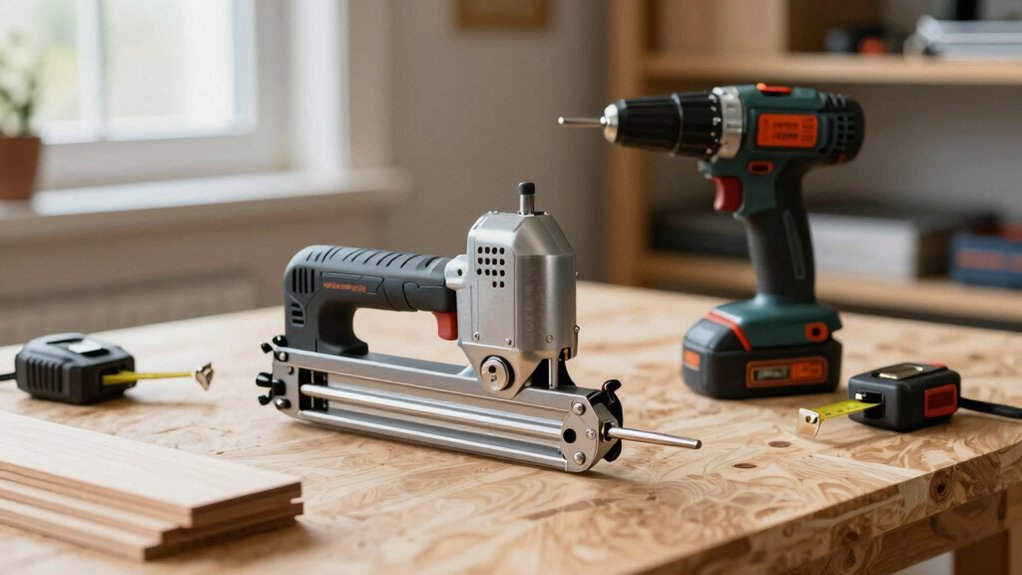
Value picks under this budget lens focus on models that deliver solid performance without a premium price tag, emphasizing reliability, adequate driving power, and practical features. You’ll evaluate cost-to-performance by prioritizing high power to weight ratio and durable construction within affordable tiers.
Look for consistent triggering, minimal misfires, and predictable depth control, ensuring real-world nailing tempo stays steady without frequent jams. An ergonomic design matters: comfortable grip, balanced weight, and accessible maintenance reduce fatigue during long sessions.
Expect competitive battery life and responsive recharge cycles paired with secure, tool-free accessory changes. These budget-friendly options should exhibit clear, repeatable results across common substrates, from soft woods to light framing.
Maintenance Habits to Extend Battery Life and Tool Life
To optimize performance, you’ll want to start with battery care basics—proper charging, storage, and temperature control—to maximize capacity and cycle life.
Then apply tool longevity practices like regular cleaning, quick-reaction maintenance, and correct fastener selection to prevent wear and reduce jams.
Together, these habits create a measurable impact on both battery life and overall tool durability.
Battery Care Basics
Battery care basics: proper maintenance extends both battery life and tool performance, so small, consistent habits matter. You’ll protect power and reliability by disciplined charging, storage, and handling routines. Battery safety guides your daily use, minimizing risk while maximizing available force.
Focus on appropriate charging tips: use the charger specified by the manufacturer, avoid heat exposure, and don’t discharge to zero unless required by design. Consistency in timing and conditions preserves capacity and readiness for demanding tasks. Follow these habits to sustain peak performance and reduce downtime.
- Always connect to the correct charger in a cool, ventilated area
- Avoid extreme temperatures and complete discharges when possible
- Store at medium charge in a dry, stable environment
Tool Longevity Practices
Tool longevity hinges on disciplined maintenance habits that protect both battery health and tool integrity. You’ll maximize performance by pre-inspecting fasteners, seals, and contacts before each session, then recording findings for trend tracking.
Regular battery maintenance includes proper charging cycles, avoiding deep discharges, and using the charger specified by the manufacturer to prevent voltage drift. Minimize heat exposure during operation and storage, since excessive temps degrade cells and circuitry.
When not in use, store guns and batteries in a cool, dry environment, practicing storage best practices to limit corrosion. Clean exterior housings with a dry cloth; avoid solvents that can degrade seals.
Periodic lubrication of moving parts reduces friction and wear, extending tool life while preserving consistent drive force.
When a Pneumatic Gun Might Be Worth It (and Why)
Pneumatic nail guns can be worth considering when you’re working with high-volume projects or dense materials that demand consistent drive power, speed, and reliability. Pneumatic systems rely on a steady air flow, delivering uniform force across many fastenings and reducing misfires in demanding tasks.
They excel where you need rapid cycling and minimal recoil, provided you have an air compressor benefits that match your workload. When comparing pneumatic vs electric, air-powered tools typically offer lighter immediate mass and longer life in heavy use, though require hoses and compressors that add setup steps.
- Consistent power during marathon sessions
- Quick cycling with minimal motor heat
- Lower long-term maintenance for rugged use
Note: ideal in pro, high-output environments where durability matters more than portability.
How to Choose Your Cordless Nail Gun in 5 Easy Steps
When you’re choosing a cordless nail gun, start by weighing safety precautions against everyday use and handling.
Consider how battery life impacts your workflow, including recharge time, runtime, and replacement costs.
This framing sets the stage for clear comparisons of safety features and battery performance.
Safety Precautions
Choosing a cordless nail gun safely starts with understanding the basics: what the tool can and can’t do, and how to minimize common risks. You’ll balance performance with protection by following disciplined handling and setup.
Prioritize ergonomics benefits to reduce fatigue during long sessions, and select safety accessories that reinforce proper use.
- Visualize control: stance, grip, trigger discipline, and recoil management.
- Secure work: clamps, guards, and stable surfaces to prevent slips.
- Gear readiness: eye, ear, and hand protection, plus boot and glove choices.
This approach keeps accuracy, prevents misfires, and preserves tool integrity. You’ll stay objective and precise, evaluating each feature for real-world impact, not hype, while maintaining strong, decisive focus on safety and professional results.
Battery Life Considerations
A cordless nail gun’s battery life is a practical test of its efficiency and project viability, so start by evaluating runtime under typical use and the charger’s real-world charging speed.
You should compare battery capacity across models and note how standby draw affects overall performance. Assess how many nails you can drive per full charge for your most common tasks, then translate that into daily workflow implications.
Consider charging speed in your setup: faster chargers reduce idle time between sessions but may impact long-term cell health if misused. Look for optimized battery chemistry and thermal management that sustain peak power without rapid degradation.
Ultimately, stronger Battery capacity and efficient Charging speed deliver consistent power, fewer interruptions, and reliable results on demanding projects.
Conclusion
Cordless nail guns simplify home projects, but your choice should hinge on tasks, battery life, and weight. For framing, go with higher drive power and longer recharge cycles; for finish work, favor smaller, precision models with smooth countersinking. A notable stat: 40–60 minutes of continuous use is common on mid-range packs, yet many users still swap batteries mid-project. Prioritize balanced ergonomics, reliable jam clearance, and compatible battery ecosystems to maximize long-term value and performance.