
You’ve probably heard that regeneration boosts property values, but does the timeline and funding truly line up with your plans? Before you buy, you’ll want clear data on planned transport upgrades, school improvements, and grant schemes, plus a sense of the risk of delays or incomplete work. There’s more to it than shiny forecasts—so consider how this changes your daily life and long-term costs, and what questions you should press local planners and sellers to answer. Stay curious and skeptical as you explore.
Why Regeneration Areas Matter for Property Value

Regeneration areas typically release higher property values because investment targets amenities, infrastructure, and jobs that raise desirability. You’ll see price upticks tied to anchored projects like transit, parks, and business hubs, which expand appeal beyond speculative trends.
Data show value curves often outpace national averages after core improvements take hold, especially where mixed-use development and walkable neighborhoods cluster around transit nodes.
Cultural influences matter, shaping demand for housing types, services, and local amenities that reflect community character. Historical significance can amplify value when preservation efforts align with modernization, attracting residents seeking authenticity alongside convenience.
You’ll also notice timing matters: early adopters, phased projects, and visible momentum correlate with steadier appreciation. Yet risk remains, so analyze zoning, long-term financing, and maintenance costs to gauge true value.
How to Read and Evaluate Local Development Plans
When you read local development plans, start with the core documents and map how they align with surrounding property values and infrastructure commitments.
Track key development timelines, funding sources, and policy changes to gauge the pace and certainty of outcomes.
This context helps you evaluate potential impacts on land use, transport, and amenities before you commit.
Read Local Plans Carefully
To read local plans effectively, start by identifying the plan’s purpose, scope, and timeline. Then map how proposed developments align with zoning, infrastructure, and housing targets.
You’ll evaluate housing density, transport access, and service capacity against projected demand, noting gaps and risks.
Check implementation steps, funding sources, and accountability mechanisms to see who delivers what and when.
Prioritize sections on community engagement and environmental impact to understand stakeholder input and ecological considerations.
Look for performance metrics, monitoring schedules, and review triggers that signal plan updates or policy shifts.
Compare adjacent plans to spot cross-boundary effects and land-use conflicts.
Conclude with a concise risk assessment: does the plan protect you from adverse impacts while preserving long‑term value?
Key Development Timelines
Local development plans lay out timelines for approvals, funding, and delivery, so you can gauge when key projects will start, advance, or complete. You’ll track milestones, sequencing, and dependencies across housing, infrastructure, and public sector environments.
Look for explicit targets for affordable housing portions, phasing notes, and risk allowances that affect pace. Compare master timelines with annual reviews to spot slippage early.
Pay attention to community engagement stages—timelines often shift after consultations, so note dates for feedback windows and decision points.
Use baseline data to assess whether planned amenities align with projected population growth and service capacity.
In short, a clear timeline helps you evaluate realism, identify pressure points, and anticipate how changes to plans could impact nearby property values and livability.
Funding and Policy Impacts
Funding and policy decisions can reshape the viability of regeneration projects, so read plans with a wary, data-driven eye. When you review Local Development Plans, identify funding sources early—grants, tax incentives, and public-private partnerships shape timelines and risk.
Compare stated budgets to projected costs, and note contingencies for overruns or delays. Look for policy reforms that could alter land use, zoning, or permitting, and assess how those changes affect density, affordability, and deliverability.
Assess performance metrics: milestones, measurable outcomes, and required reporting. Check alignment with regeneration goals, housing supply, and infrastructure funding.
Consider how shifts in national or regional priorities might reallocate funds. Document gaps, ask for clarifications, and test sensitivity by modeling best- and worst-case funding scenarios.
Transport Changes: What to Expect and How to Budget
As regeneration ushers in new transport plans, expect changes that may affect your daily routes and budgeting. You’ll want to compare proposed routes, timelines, and reliability data to your current commutes.
Look for posted pilot schemes, temporary detours, and weekend service gaps that could shift peak times or increase driving. Budget shifts will emerge from fare changes, potential tolls, and parking costs near upgraded hubs.
Track projected completion dates and contingency allowances for delays. Consider how transport infrastructure upgrades could reshape property values and resale windows, especially if access becomes faster or more predictable.
Evaluate commuter options by mode, frequency, and total door-to-door time, then build a realistic monthly budget that accounts for discretionary flexibility.
Schools and Amenities: Impact on Daily Life and Value
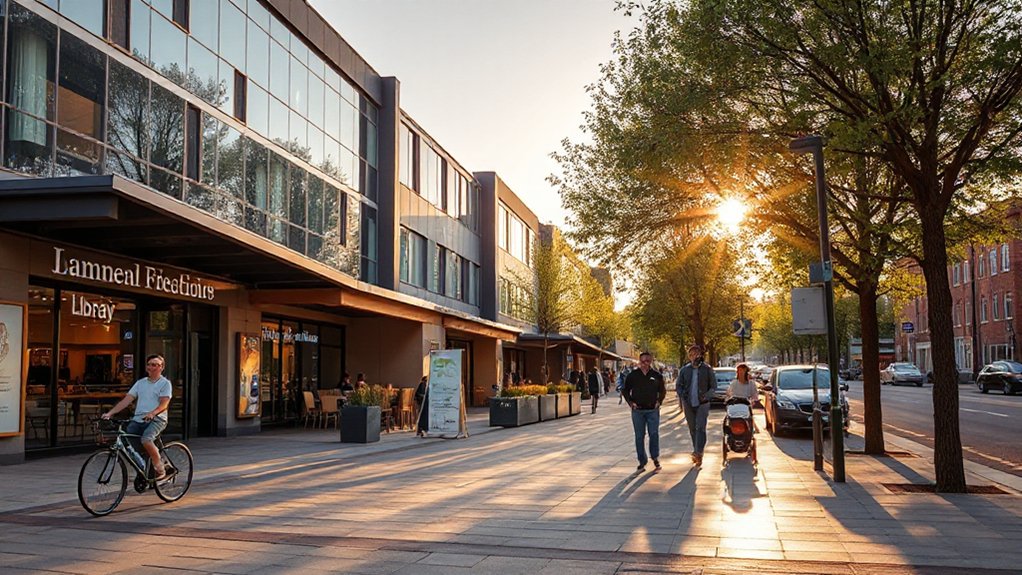
You’ll feel the impact of School Proximity And Access whenever you plan daily routines, commute times, and catchment outcomes.
Amenity Variety And Access shapes not just convenience but neighborhood cohesion, with diverse services supporting varied needs and budgets.
Daily Life Value Impact ties these factors together, showing how access to schools and amenities correlates with time, reliability, and resale appeal.
School Proximity And Access
Close-by schools and easy access to amenities can considerably shape daily life and property value in regeneration areas. You’ll notice how proximity reduces commute time for families, supports after-school routines, and influences school catchment stability.
In data terms, shorter travel times correlate with higher parental satisfaction and steadier enrollment, which can buoy local property markets.
Access to parks, libraries, and transit improves daily livability without relying on car use, while predictable service patterns support budgeting and routine.
Yet proximity isn’t universally positive: distance can affect school choice dynamics and crowding, so you’ll want transparent performance data and catchment maps.
Consider how community safety and local culture align with schools’ reputations, facilities, and parent networks when evaluating overall value.
Amenity Variety And Access
Amenity variety and access shape daily life and property value in regeneration areas, because diverse services and easy reach help families balance routines and budgets. You’ll notice how schools, clinics, shops, and leisure options cluster near new developments, reducing travel time and transport costs.
Data show districts with mixed-use amenities tend to attract longer-term buyers and renters, as convenience supports work-life balance and predictable budgets. Access to frequent public transport and safe pedestrian routes further boosts appeal, especially for households with children.
Community events and green spaces become anchors, enriching social life without puffing up expenses. The result is a tangible uplift in perceived quality of life, bolstering resale value while supporting daily routines in a regenerating neighborhood.
Daily Life Value Impact
Schools and amenities shape daily routines and long-term value more than any single feature. When you evaluate daily life, look beyond bricks and mortar to how nearby facilities fit your rhythm: school start times, transit links, and peak crowding at parks.
Data shows that nearby quality schools correlate with stronger resale demand, while reliable amenities reduce commute stress and discretionary travel costs.
Community events and local culture matter too: they boost social ties, increase walkability, and create predictable weekend routines, all of which support sustained value.
In regeneration areas, you’ll notice mixed-use growth that stabilizes nearby pricing, especially where cultural assets are paired with convenient services.
Consider how these patterns align with your lifestyle before deciding.
Funding the Regeneration: Who Pays and How It Works
Funding the regeneration can be complex, but the core idea is straightforward: who pays and how the money flows directly shape what gets built and how quickly.
You’ll see funding come from a mix of public budgets, grants, private investment, and developer contributions, each with different aims and timelines. Funding sources matter because they define eligibility, repayment expectations, and risk sharing.
You’ll also encounter leveraging tools like tax increment financing or regeneration bonds that mobilize private capital against future gains.
Solid financial planning matters: map costs, timelines, and contingencies; align grants with milestones; and forecast cash flow to avoid gaps.
Timing Your Buy: Market Signs and Development Milestones
Timing your buy matters: track market signals and development milestones to buy smart, not just soon. In regeneration areas, you’ll want to watch price trends, deal timing, and financing windows.
Look for steady declines or plateauing prices, then confirm with local data: property sales velocity, days-on-market, and appraised values.
Development milestones—notable groundbreakings, approved masterplans, and shovel-ready sites—signal future demand and infrastructure payoffs.
Correlate these with macro indicators like interest rates and employment data to gauge affordability and risk.
Budget for property taxes that may rise as the district grows, and factor in construction costs that can shift timelines and value.
If signals align, you gain upside; if not, you protect yourself with patience and a clear exit plan.
Risks in Regeneration Projects: Delays, Cancellations, and Partial Builds
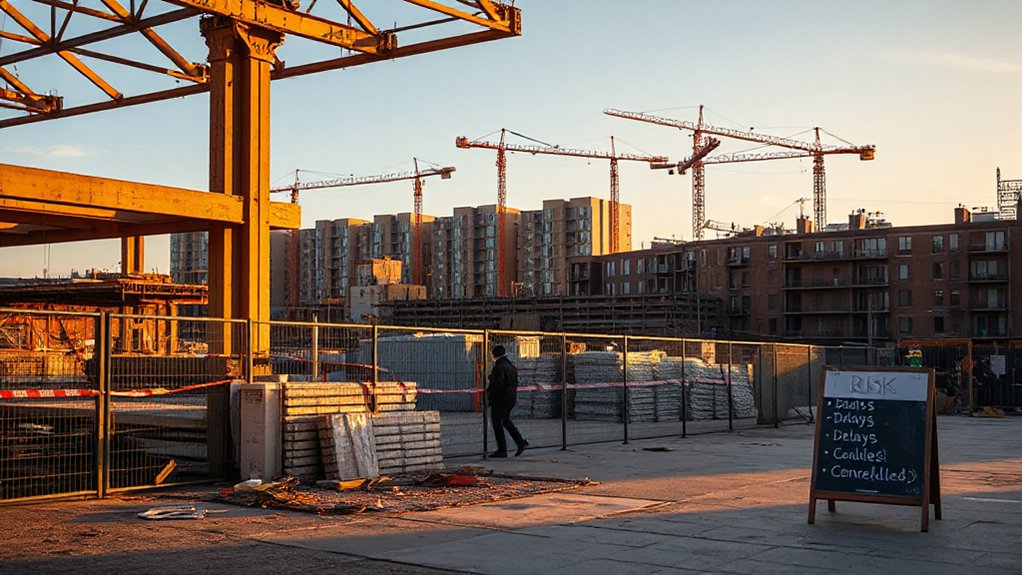
Regeneration projects promise long-term upside, but they come with real risks that can stall or derail plans. Delays often ripple through budgets and timelines, shifting vacancies and increasing carrying costs for you as a buyer.
Cancellations can leave promised amenities and transport links unfinished, lowering asset appeal and resale confidence. Partial builds create a confusing market signal, with incomplete streetscapes or facilities that deter tenants and buyers alike.
You’ll want to track urban renewal schedules, funding rounds, and contractor performance to gauge the probability of completion. Strong community engagement buffers some risk, but it isn’t a guarantee; local priorities, protests, and shifts in leadership can reshape outcomes.
Use transparent milestones and independent reviews to assess exposure before committing.
Due Diligence Checklist: Planning Permissions and Property Scrutiny
You’ll want to verify the Planning Permission Scope, confirm the zoning and any restrictions, and run proactive risk and compliance checks before you invest.
This means checking what’s allowed now, what could be required for future changes, and how local rules align with your plans.
A clear, data-informed view helps you spot blockers and estimate timelines and costs upfront.
Planning Permission Scope
Planning permission scope matters more than you might think: it defines what changes you can legally make, and it frames the due diligence checklist you’ll use before committing to a purchase.
You’ll need to map permission pathways, including whether the work is permitted development or requires full planning consent. Check historic approvals, conditions, and potential appeals that could affect timing and costs.
Understand construction timelines, permitted alterations, and any required pre-application advice from the planning authority. Consider how zoning restrictions could influence feasibility and revise your budget accordingly.
Community engagement matters too: early consultations can reveal objections or support that affect approvals. Use this to calibrate risk, timeline, and the overall attractiveness of the regeneration opportunity.
Zoning and Restrictions
Zoning and restrictions shape what you can do long before you sign on the dotted line, so start by verifying current designations, overlay protections, and any specialized regimes that apply to the site.
You’ll assess zoning regulations across the parcel, noting any mixed-use, conservation, or historic overlays that could constrain alterations or repurposing. Check mapping sources, local plans, and official records for recent amendments or waivers.
Evaluate setback, height, and plot-ratio limits, plus parking and access rules that affect viability. Confirm Restriction compliance with covenants, easements, and local land-use conditions tied to incentives or regeneration programs.
Document uncertainties, timing, and appeal options for nonconforming uses. This diligence reduces surprises and aligns your strategy with permitted development pathways and funding requirements.
Risk and Compliance Checks
Risk and compliance checks are the backbone of a solid due diligence process, revealing planning permissions, potential nonconformities, and any constraints that could derail a deal. You’ll verify current approvals, land-use classifications, and any conditions attached to permits, then cross-check against known regulations and regeneration plans.
Audit public records, planning portals, and recent amendments to identify variances, safeguarded areas, and environmental constraints that may affect timelines or value.
Assess risks like encroachments, unlawful alterations, or pending appeals, and quantify their likely impact on buy-side scenarios.
Evaluate community engagement and stakeholder feedback to gauge social licenses and residual opposition.
Consider environmental impact assessments, contamination notes, or mitigation requirements that could shift costs.
Document findings with actionable next steps to avoid last‑minute surprises.
Practical Budgeting for Regeneration Purchases
When budgeting for a regeneration purchase, start with a realistic price range that reflects both market trends and anticipated infrastructure upgrades in the area.
You should build a spreadsheet that tracks purchase price, closing costs, stamp duties, and any necessary renovations.
Factor in phased developments, potential rent income if you plan to let, and timelines for value growth.
Use conservative assumptions for future property taxes and insurance, plus maintenance reserves.
Assess financing options, comparing fixed versus variable rates, and stress-test for interest spikes.
Include non-financial considerations: community engagement and environmental impact, since these can affect resale value and eligibility for grants.
Document risk spillovers from nearby projects and monitor council plans to refine your budget as the regeneration context evolves.
Living Long-Term: How Regeneration Affects Daily Quality of Life

Even as regeneration reshapes neighborhoods, your daily life is shaped by tangible changes in services, safety, and access to amenities. Over time, you’ll notice faster transit links, more reliable utilities, and expanded healthcare and schooling options, but these gains vary by district.
Data show mixed safety outcomes during construction peaks, with short-term disruptions giving way to longer-term improvements in street lighting and policing. You’ll also see shifts in local commerce: new shops, markets, and affordable food options that reduce their prices and travel times.
Community engagement matters here; neighborhoods with active resident groups report smoother project timelines and better service fixes.
Consider environmental impact, since greener streets and reduced congestion boost air quality and overall well-being.
Frequently Asked Questions
How to Gauge True Regeneration Impact on Resale Value Beyond Hype?
You should track long-term resale data, compare post-upgrade vs. baseline values, and seek independent analyses; look for sustained community engagement and environmental sustainability efforts, plus funding timelines, to gauge genuine regeneration impact beyond hype.
What Insurance Gaps Exist During Redevelopment Phases for Buyers?
Like stepping into a new chapter, you’ll face insurance gaps during redevelopment phases. You should check environmental assessments and builder reputation, because gaps can emerge from uncertain timelines, site contamination, or contractor delays impacting coverage and risk mitigation.
Can I Claim Compensation if Construction Delays Affect My Move-In Date?
Yes, you can pursue compensation eligibility if construction delays affect your move-in date. Monitor construction timelines, document changes, and consult contracts for remedies; data shows delays frequently trigger liquidated damages or rent adjustments, depending on terms and jurisdiction.
Which Leasehold Terms Commonly Change During Regeneration Projects?
Cautious, concrete changes: you’ll likely see leasehold extensions and ground rent adjustments during regeneration. You scrutinize terms, compare clauses, and confirm notices, indices, and caps, because savvy strategies safeguard value, predict costs, and prevent future disputes.
Are There Tax Incentives Available for Purchasers in Regeneration Areas?
Yes, you can access tax credits via local Incentive programs, though availability depends on project type and location; you’ll typically qualify for a Tax credit if you meet income or development criteria and timely documentation.
Conclusion
Regeneration can boost value and life quality, but it hinges on solid plans, steady funding, and timelines you can trust. Stay close to local updates, read plans critically, and factor risks into your budget. For example, a mixed-use redevelopment nearby boosted rents but faced a year-long delay; savvy buyers who built contingencies still benefited from improved transit access and amenities. You’ll want a clear due diligence path and a realistic long-term view to ride the upsides.