
To prepare for a Homebuyer Survey in England and Wales, first choose the appropriate level based on the property type, age, and risk factors, then gather and organize records of repairs, maintenance, dates, and costs. Fix obvious safety concerns before the survey and make certain access to all areas. Disclose known issues and provide supporting documents. Prepare questions on structural integrity, damp, drainage, and remediation timelines, and align findings with lender requirements and budgeting for repairs—more details await.
What a Homebuyer Survey Covers and Why It Matters

A homebuyer survey is a structured inspection that assesses the condition of a property and identifies risks, defects, and potential future issues. You’ll learn what the report covers and why it matters.
The survey examines structural integrity, exterior and roof conditions, services, and drainage, plus timber, damp, and ventilation indicators. It records observable defects, their severity, and likely costs to remedy, helping you prioritise repairs and budget accordingly.
It also considers property history and environmental concerns, providing context about past alterations, warranties, and any known issues that could impact value or risk.
The document translates technical observations into actionable decisions, supporting negotiation, insurance planning, and long-term ownership.
How to Choose the Right Survey Level for England and Wales (Criteria and Cost)
Choosing the right survey level depends on property type, age, and risk factors, as well as your budget and timeline. You’ll assess the structural complexity, building materials, and potential defects to determine necessary detail.
In England and Wales, Level selection guides inspection depth, report format, and recommended follow-up actions, balancing risk with cost.
Survey pricing varies by property size, location, and surveyor expertise, but transparency is typical: you’ll receive a clear breakdown of fees, including any specialist inspections.
Consider a mid-range level if you’re uncertain about structural integrity or renovation plans, reserving a higher level for older traditional homes or high-risk constructions.
Prioritize value over price to guarantee actionable, legally sound guidance and peace of mind throughout the buying process.
Pre-Survey Prep: What to Fix, Document, and Disclose
Before your survey, fix any safety or obvious structural concerns, then document what you’ve addressed to prove you’ve taken reasonable steps.
Gather and organize records of repairs, maintenance, and updates, including dates, costs, and tradespeople where applicable.
Finally, disclose known issues or limitations that could affect the survey’s findings, so you and the surveyor share a complete, transparent baseline.
Fix Before Survey
If you’re preparing for a homebuyer survey, start by identifying and addressing issues that could affect the surveyor’s assessment. You’ll prioritise safety-critical faults, moisture indicators, and structural concerns, documenting action you’ve taken.
Begin with cosmetic uplift only where it doesn’t mask deeper problems. Make certain clear access to roof spaces, utilities, and boundaries so the survey can observe true conditions.
Correct drainage issues, verify damp-proofing status, and reseal gutters where necessary. For interior surfaces, note ongoing maintenance and recent repairs rather than concealing defects.
Regarding home improvement and property maintenance, provide receipts and dates for major works and verify building approvals exist where required.
This prep minimizes questions, supports a precise report, and preserves buyer confidence throughout the process.
Gather Documentation
Gathering Documentation guarantees the survey has complete context to assess the property accurately. You gather and organize records to support a precise home inspection.
Begin with recent plans, guarantees, and invoices for any alterations, and assemble service histories for plumbing, electrical, and heating. Include warranties and building-control approvals where applicable to establish compliance trails.
Prepare a current floor plan and photographs of access points, exterior treatments, and known enclosures.
Compile location-specific details, such as boundary notices or shared-ownership documents, to assist the surveyor’s Documentation review.
Confirm legal titles and recent property tax assessments are readily available to verify ownership and financial context.
Disclose Known Issues
Disclose known issues clearly and promptly to prevent surprises during the survey. You should compile a concise list of known defect risks, and present them upfront with factual detail, dates of discovery, and any remediation efforts.
Prioritize issues by materiality—safety-critical, structural, damp, or drainage concerns—so the surveyor can allocate appropriate scrutiny.
For each item, include location, approximate extent, and supporting documentation, such as recent invoices or repair notices.
Consider disclosure timing to avoid later disputes; provide transparency even if you plan to repair.
Avoid speculation; describe observed conditions and known limitations, not guesses.
This approach supports trust, helps the surveyor interpret findings, and reduces negotiation friction by clarifying the integrity baseline of the property.
Critical Questions for Your Surveyor (and Lender Requirements)

You’ll need to surface the key questions you’ll ask your surveyor, along with the lender’s requirements to guarantee clear expectations.
This section outlines critical survey questions and the lender checklist, enabling precise scope, documentation, and risk assessment.
A concise, structured approach helps you verify findings, confirm compliance, and align timelines with underwriting.
Critical Survey Questions
What critical questions should you ask your surveyor—and what lender requirements shape the process? In this phase, you’ll identify core issues that impact risk, value, and repair costs.
Ask about structural integrity, damp proofing, and drainage—priorities that influence insurance and resale confidence. Clarify the scope of the survey: Homebuyers Report versus Building Survey, and confirm surveyor qualifications.
Request explanations of anomalies with proposed remediation timelines and cost ranges. Tie queries to Property valuation and potential impact on loan-to-value ratios, ensuring lender expectations align with findings.
In addition, probe how Market trends may affect ongoing maintenance planning and future value. Document responses for comparison, and ensure you can distinguish between mandatory disclosures and optional recommendations.
This approach builds informed belonging within your negotiating position.
Lender Requirements Checklist
A lender requirements checklist translates survey findings into actionable loan conditions, so you should frame questions that verify how each item affects approval, appraisal value, and loan-to-value ratios.
You’ll map survey outcomes to mortgage approval criteria, identifying any condition precedents the lender imposes.
Focus on structural integrity, damp, timber decay, and disconnected services, but translate findings into financial implications.
For each item, ask how remediation timelines, costs, and verification influence appraisal credibility and value retention.
Consider legal considerations, such as disclosure duties and building compliance, and document how non-conformities could impair loan terms.
Make certain you understand if items trigger additional inspections or revaluations.
A precise, transparent lender requirements checklist helps you engage confidently with professionals and supports informed, belonging-oriented decisions about financing.
What Happens After the Survey and Budgeting for Repairs
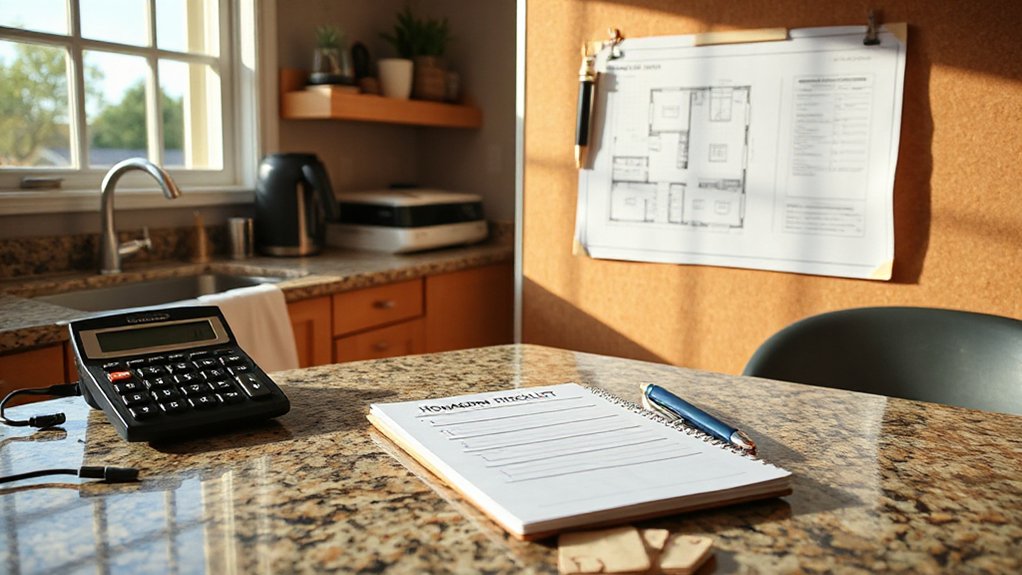
Once the survey is complete, you’ll receive a detailed report outlining identified defects, safety concerns, and the overall condition of the property. You review findings with precision, prioritizing safety risks and structural integrity before budgeting.
Home repair budgeting becomes a systematic process: you separate urgent repairs from those that can be staged, estimate unit costs, and factor in contingencies for unknowns.
The report informs your negotiation strategy, guiding you through post-survey negotiations with the seller, lender, and conveyancer. You’ll document required remedial work, obtain contractor quotes, and set realistic timeframes.
Maintain records for confidence in decision-making, and guarantee compliance with regulatory standards. Clear communication, timely validation of figures, and disciplined decision-making support a fair, transparent resolution.
Practical Checklists to Minimize Surprises Before Exchange
After you’ve completed the survey and started budgeting for repairs, you’ll want concrete steps to prevent last-minute complications. This section provides practical checklists to minimize surprises before exchange.
Begin with Property valuation: confirm the surveyor’s findings align with market expectations, flag discrepancies, and request clarifications in writing. Compile a repair timeline, cost ranges, and delegated responsibilities for each item.
Next, address Legal considerations: review the draft contract for onerous terms, inspection contingencies, and deadlines; secure lender constraints and withdrawal rights; obtain necessary consents for any alterations.
Establish a documentation bundle: recent quotes, contractor references, and warranties. Schedule follow-up inspections for high-risk issues.
Maintain clear communication with the seller and your solicitor, recording decisions to reduce ambiguity and support a smooth exchange.
Frequently Asked Questions
Do Survey Findings Require Immediate Lender Approval or Can They Wait?
Immediate lender approval isn’t required; you can wait for survey results. However, note survey accuracy matters for lender requirements, especially if issues arise. Align your plan with lender requirements while ensuring you feel confident, informed, and included.
Are Environmental Risks Like Flood or Radon Covered by Surveys?
Some objections claim surveys miss hazards, yet environmental hazards are typically covered; risk assessments identify flood or radon issues, guiding you through remediation costs and insurance implications. You’ll understand implications, ensuring informed, confident decisions about your property’s environmental risks.
Can Surveys Assess Future Resale Value or Only Current Condition?
A survey assesses current condition, not guaranteed future resale value. It informs you about risks that could affect future valuation, but “Future valuation” and “Resale potential” depend on market trends, improvements, and timing beyond the survey’s scope.
How Often Are Survey Standards Updated in England and Wales?
Survey methodology updates occur as needed; regulatory updates are typically issued on a rolling basis, with formal revisions every few years. You’ll stay aligned by checking professional bodies’ notices, ensuring your practice reflects current standards and shared industry expectations.
Do Surveys Cover Minor Cosmetic Issues or Only Structural Defects?
Yes, surveys cover cosmetic concerns and minor repairs, not only structural defects. You’ll see notes on cosmetic issues, potential minor repairs, and recommended actions, providing a clear sense of scope and inclusion within the inspection framework.
Conclusion
Your homebuying process often arrives with hidden details that align, by coincidence, with your expectations. A thorough survey illuminates structural health, damp, and safety risks before you commit, so you can budget confidently. By selecting the right survey level, preparing documents, and asking precise questions, you’ll uncover actionable insights that mirror lender criteria and your risk tolerance. When issues surface, you’ll respond with measured repairs, timelines, and contingency planning—reducing surprises and safeguarding your investment.