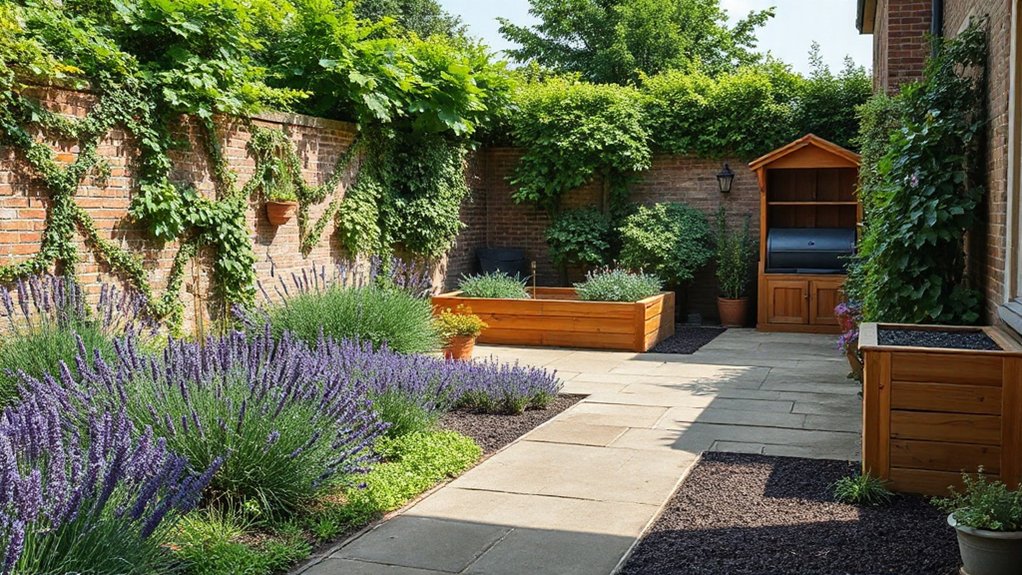
Did you know the UK average garden can lose a third of its color to wind and rain each year? You’ll plan with that in mind, mapping sun paths, wind exposure, and drainage before you move a shovel. Use resilient, low-maintenanceest plants and durable hardscape, then stage the makeover in seasonal windows. If you align budget and phased milestones now, you’ll see how small changes mature into a weather-smart garden that still feels inviting when the skies turn gray.
Identify UK Microclimates for Smarter Plant Choices
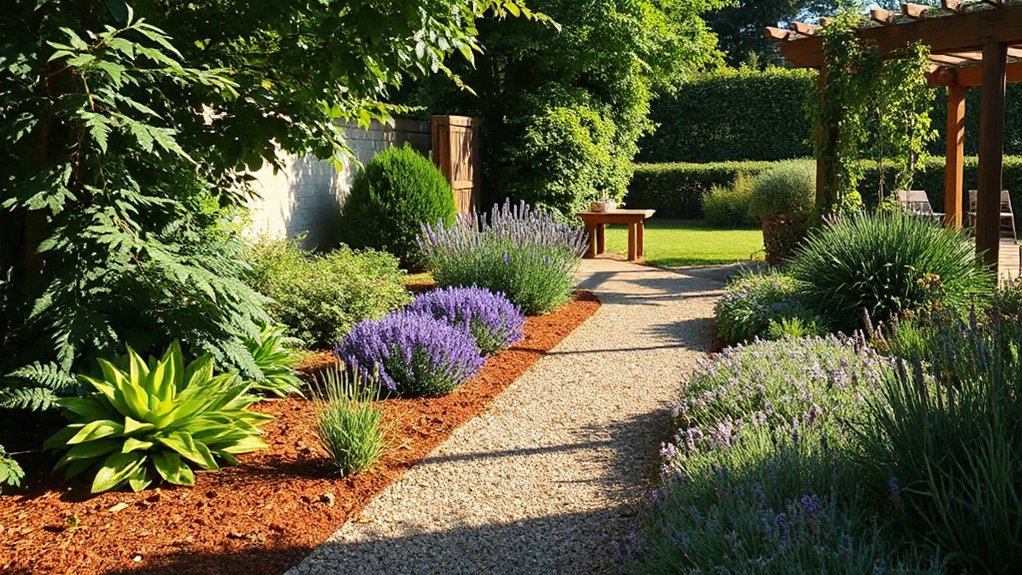
Understanding UK microclimates is your first smart move. You map your site by noting sun paths, wind exposure, and shade patterns across the day and seasons. Then, you categorize zones: sheltered spots, open corridors, and damp corners.
With that layout, you tailor plant choices to microclimate ranges, prioritizing species that tolerate your local extremes. You test soil moisture and structure in each zone because consistent drainage supports roots and reduces disease pressure.
Practical steps include applying soil amendments where texture or pH limits growth, aligning amendments with crop needs to boost nutrient uptake. Implement light, targeted Pest management strategies that protect plants without overuse.
Finally, document outcomes so future plantings leverage proven microclimate knowledge, sustaining resilient beds year after year.
Assess Sun, Shade, Drainage, and Wind on Your Site
You’ll map your site to see how sunlight shifts from season to season and where shade sits longest, so you can place sun-loving and shade-tolerant plants with confidence.
Use a shade areas map to mark persistent shadows and note any wind corridors or sheltered spots that affect microclimates.
Check drainage and wind patterns on a dry-to-wet scale and plan paths, beds, and mulching accordingly to protect roots and reduce erosion.
Sunlight Availability
To plan a garden makeover, start by mapping how sunlight moves across the site as seasons change. Then note which areas stay bright all day, which turn shade later, and where mornings or afternoons offer partial sun. You’ll track daily patterns: which beds receive full Sunlight exposure, where shadows lengthen, and how nearby structures or trees alter light in crecer months.
Use this map to align plant choices with light needs and microclimates, avoiding overcaution or waste. For zones with inconsistent light, plan flexible features like reflective surfaces or light-tolerant natives.
Consider wind and drainage alongside sunlight, since wind can dry plantings and pockets of shade can trap moisture. Incorporate shading solutions only where necessary to protect delicate foliage and extend the growing window.
Shade Areas Map
Shade Areas Map: Start by plotting how sun and shade shift across the site through the day and season. Then layer in drainage and wind patterns. You’ll map where light exposure varies, noting persistent shade pockets and sunlit corridors.
Use a simple grid and mark hours of strongest light, partial shade, and deep shade on different days to capture seasonal changes. Shade mapping helps you decide plant groups: sun lovers, partial shade natives, and shade-tolerant varieties.
Record any microclimates created by buildings, fences, or hedges, then verify with a light meter or mobile app for accuracy. Keep your notes precise: log times, dates, and direction of sun paths.
This foundation informs layout, bed shapes, and companion planting, ensuring resilient growth across UK weather.
Drainage and Wind
Pass water and air flow across your site with a practical, on-the-ground check: start by noting how drainage patterns shift after rain and at different seasons. Then map prevailing winds and how they interact with built features.
On-site drainage informs bed placement and mulch depth; use contour-aware edging and swales to slow runoff, protecting foundations and guiding moisture to roots. Pair rainwater harvesting with gentle slopes to optimize collection without creating puddles.
Consider wind exposure: position taller plants and structures as windbreak strategies to reduce desiccation and heat stress, especially in open spots. Shield sensitive beds by grouping them toward leeward edges, and integrate permeable hardscapes to promote air exchange.
Rehearse seasonal shifts and adjust plantings accordingly for resilience.
Choose Plants Resilient to UK Wind, Rain, and Sun
Want plants that stand up to the UK’s wind, rain, and sun? You’ll choose resilient varieties that cope with rough weather without constant support. Begin by selecting sturdy, compact shrubs and perennials with strong root systems and wind tolerance.
Pair evergreen structure with seasonal color, ensuring year-round appeal. Favor plants that tolerate clay or shallow soils and improve drainage where needed. Use windbreaks strategically—evergreens, hedging, or garden art to soften gusts while preserving sunlight for lower layers.
Group species with similar water needs to simplify irrigation, and mulch to lock moisture and reduce temperature swings. Integrate wildlife habitats by providing nectar, berries, and shelter.
This approach blends durability with beauty, delivering a weather-smart garden that remains productive and inviting.
Set a Realistic Budget With Seasonal Milestones
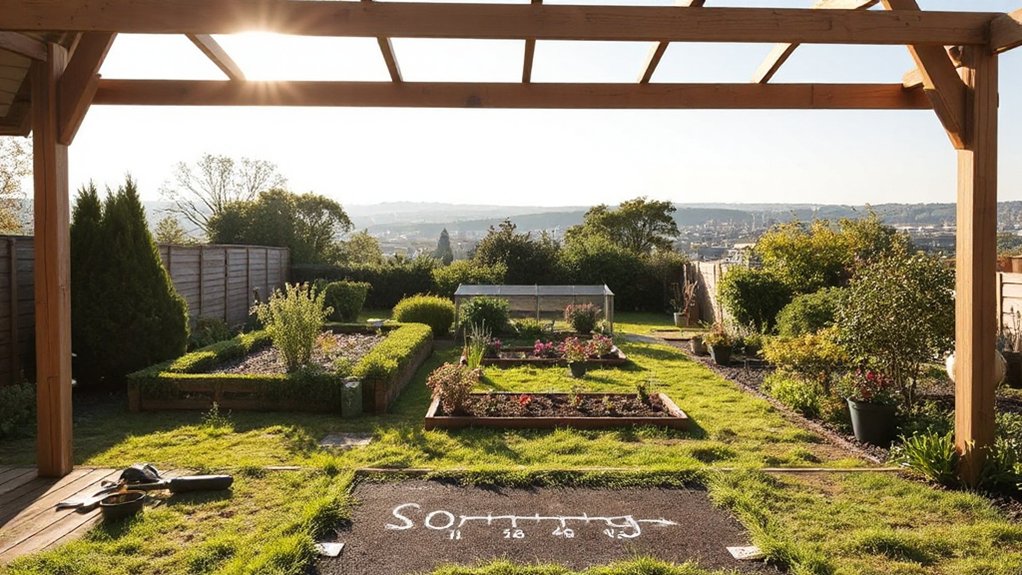
Set a realistic budget by mapping seasonal milestones to your cash flow, so you’re prepared for hardscape timing, plant purchases, and soil work as weather permits.
Align your expenditure with planting windows, windowed by roughly the ideal times for UK climate and mulching, so you avoid waste and delays.
Track costs month to month, adjusting for seasonal delays and opportunities to swap materials without compromising your overall plan.
Seasonal Budget Milestones
Seasonal budget milestones keep a garden makeover on track without breaking the bank. You’ll map costs to seasons, so you don’t pay for spring bulbs in autumn or late summer sales you can’t use yet.
Begin with a rough annual total, then split it into quarterly targets aligned with UK weather windows: planting, hardening off, and maintenance windows drive cheaper purchases and better timing.
Prioritize essential items first—soil amendments, compost, and pest control tools—before decor upgrades.
Track price dips: buy bulk seeds in autumn, timing plant acquisitions after frost periods, and use end-of-season plant swaps.
Leave wiggle room for climate surprises, such as wet springs or drought summers.
Document deviations, reallocate funds, and avoid impulse buys that won’t endure next season.
garden decor, pest control.
Hardscape Timing Considerations
Hardscape timing hinges on when you can work safely and affordably, so map projects to clear seasonal windows and build in buffers for weather hiccups. You’ll set a tight, realistic budget with seasonal milestones, aligning procurement and installation to UK weather patterns.
Prioritize daylight and drying times, choosing windows that minimize disruption and overtime costs. For hardscape materials, plan ordering to avoid storage delays and weather exposure, and confirm delivery buffers with suppliers.
Consider concrete, paving, and garden walls in phased steps, using provisional routines to avoid cost overruns. For construction techniques, select proven methods that tolerate damp springs and cool summers, ensuring proper sub-base and drainage.
Document each milestone, track changes, and adjust timing to maintain steady progress without compromising safety or long-term performance.
Planting Window Allocations
You’ll allocate planting windows with a clear budget backbone, built from realistic seasonal milestones that align with your climate and local soil rhythms. You plan around planting schedules that reflect frost dates, rainfall patterns, and expected heat waves, so costs stay predictable.
Begin with soil preparation steps—till or mulch as needed, test pH, amend where required—preparing beds for the earliest seedings and transplants.
Set milestones for incremental purchases: compost, mulch, protective covers, irrigation upgrades, and tools. Track delays caused by wet springs or dry spells, reallocating funds to essential items first.
Prioritize long-term gains, like drought-tolerant selections, that fit your window without overextending your budget.
Review monthly, adjust timelines, and document outcomes to refine future planting windows and guarantee steady progress.
Design Low-Maintenance Zones to Save Time and Water
If you want to save time and water, start by zoning your garden into low-maintenance areas that still meet your needs. Designate a drought-tolerant zone with sun-loving perennials, moisture-smart mulch, and drip irrigation to minimize waste.
Group similar tasks in adjacent plots to reduce trips and gear changes, then assign paths that are wide enough for a cart. Choose hardy, UK-friendly species that require minimal pruning and pest control, cutting maintenance by half.
Use compact, low-fuss groundcovers under trees to suppress weeds and conserve moisture; this also supports garden decor without demanding extra care. Place a dedicated pollinator strip to boost resilience.
Finally, document seasonal tasks and rainwater use to stay climate-aware and precise.
Build Durable Hardscape and Structures for UK Weather
Durable hardscape and structures form the backbone of a UK-ready garden, so start with weather-smart materials and proven construction methods that withstand damp winters, wind shear, and seasonal temperature swings.
You’ll select foundations, joints, and sealants rated for high humidity and freeze-thaw cycles, preferring sturdy concrete, treated timber, and rot-resistant composites.
Plan drainage at every level to prevent puddling and erosion, and use windbreaks or solid walls to reduce gust exposure for seating and pathways.
Choose garden furniture and outdoor lighting with corrosion resistance and UV stability, and install shading where needed to reduce heat stress.
Prioritize modular pieces for easy repair, and guarantee access for seasonal maintenance, so aesthetics align with function without compromising longevity.
Create a Year-Round Seasonal Planting Plan
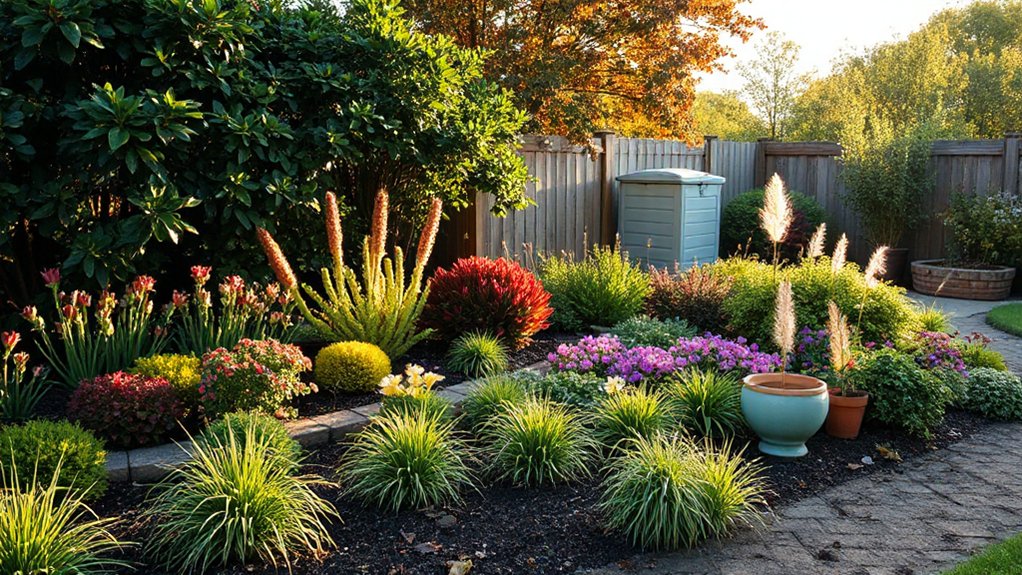
A year-round planting plan centers on matching crops to your local climate and microclimates, then staggering sowing and harvesting to keep color and yields steady. You map your year into seasons, choosing cool-season staples for early spring and late autumn, while warm-season varieties fill summer gaps. Use succession sowing to maintain steady harvests, and rotate beds to minimize pest and disease buildup.
Plant for microclimates: sheltered corners get frost-tender herbs, sun-facing slopes support heat-loving veggies, and shaded patches host leafy greens. Build in garden decor accents—trellises, containers, and color highlights—that you can harvest and enjoy.
Pair your plan with simple pest control steps: row covers, beneficial insects, and targeted organic sprays as needed. Review annually, adjusting based on weather patterns and performance.
Plan a Phased Makeover With a Clear Implementation Roadmap
You’ll map your makeover into clear, actionable phases that align with your climate and microclimates, then chart a step-by-step implementation roadmap.
Begin with a phase that targets soil health: assess current composting techniques, set up a simple compost system, and test soil pH.
Next, plan hardscape and garden furniture placements in a way that minimizes sun exposure and maximizes wind protection, noting microclimate variations.
Phase two focuses on plant selections and irrigation efficiency, prioritizing drought-tolerant species for hot zones and shade-tolerant varieties for cooler pockets.
Create a calendar with monthly milestones, including gentle winter pruning and spring mulch refresh.
Finally, install durable, low-maintenance features and align them with ongoing maintenance tasks, ensuring the phased plan remains actionable and cost-conscious.
Frequently Asked Questions
How Do I Match Plants to Microclimates Across My Garden?
You’ll map your garden’s microclimates first, then assess plant compatibility across zones. Use microclimate mapping to note sun, wind, and moisture patterns, and choose species suited to each area, adjusting placements for microclimates and seasonal shifts.
What Are Quick-Wins for Immediate Wind and Rain Protection?
Wind barriers and rain shelters give immediate protection: install sturdy wind barriers first, like fencing or evergreen screens, to slow gusts; add portable rain shelters or lean-to covers for vulnerable beds, then adjust positions as weather shifts.
Which Low-Cost Irrigation Options Work in UK Weather?
Drip irrigation, soaker hoses—these low-cost options work in UK weather by delivering precise moisture where roots need it, minimizing waste, and resisting wind. You’ll save water, reduce evaporation, and keep plants consistently hydrated, trailing, soaking, and thriving.
How Can I Maximize Year-Round Color With Minimal Maintenance?
You maximize year-round color by smart Plant selection and streamlined Maintenance routines, choosing perennial, drought-tolerant varieties with staggered bloom times, mulching, and compost. You’ll rotate borders, water wisely, and monitor soil, light, and pests for steady color.
What Permits or Restrictions Affect Garden Renovations in the UK?
You’ll need to check planning permissions for garden renovations; most fencing changes may require it, especially near boundaries. Garden fencing and any alterations could trigger permissions, so consult your local council, consider potential restrictions, and document your plans carefully.
Conclusion
If you follow these steps, your garden will survive and thrive through UK weather. But the real payoff isn’t the plan—it’s what happens next. Will the wind bend your hedges without breaking them? Can the soil gulp rain without puddling your paths? As you begin your phased makeover, watch the microclimates respond to careful placement and durable materials. Stay flexible, because one stubborn surprise could redefine your whole year-round haven—yet you’ll already be ready to adapt. The season is watching you.